
You found a Blue Dream that worked perfectly. Bright, clear, exactly the effect you were after. Two months later, you order Blue Dream from a different source and get something completely different. It's darker, heavier, smells nothing like the first one, and leaves you wanting to stay on the couch rather than head out the door.
The instinct is to assume someone mislabelled it. Occasionally, that may be the case. But there is another explanation: a strain name does not identify one exact plant or guarantee one specific experience.
A strain name is closer to a family name than a serial number. It can point toward a genetic lineage, but it doesn't tell you exactly which phenotype you're getting, how the plant was grown, when it was harvested, or how well it was dried and cured.
That gap between a name and a specific batch explains why the same cannabis strain can look, smell, taste, and feel different from one source to another.
What a Strain Name Actually Names
A strain name generally refers to a genetic lineage or breeding project.
For example, Blue Dream is commonly described as a cross involving Blueberry and Haze genetics. That tells you something about its reported lineage, but it doesn't identify one specific plant.
There is no universal global registry that genetically verifies every flower sold under a particular strain name. In practice, names can be used differently by breeders, growers, sellers, and consumers.
That doesn't automatically mean a product is intentionally mislabelled. A grower may be working with seeds from a particular cross and legitimately use the established name.
The problem occurs when consumers interpret that name as if it were a product specification.
"Blue Dream" does not tell you exactly which plant you're holding.
It doesn't necessarily tell you:
- Which phenotype was selected
- Whether the flower came from seed or a clone
- Which breeder's genetics were used
- How the plant was grown
- When it was harvested
- How it was dried and cured
- Which terpenes dominate the final batch
Those factors can all influence the final product.
Phenotypes: Same Seeds, Different Plants
This is one of the biggest pieces of the puzzle.
What Is a Cannabis Phenotype?
A phenotype is the observable expression of a plant's genetics in a particular environment.
When breeders create a cross and grow multiple seeds from that genetic combination, the resulting plants can show different traits. They may vary in structure, colour, flowering characteristics, aroma, cannabinoid expression, and terpene profile.
So you can have several plants originating from the same cross that don't look or smell exactly alike.
This is why breeders and growers may grow many plants from a genetic population and select specific individuals with desirable characteristics.
Why Phenotypes Create Different Experiences
Imagine two growers are working with seeds from the same genetic cross.
Grower A selects a plant with a strong fruity aroma and lighter overall character.
Grower B ends up with another plant from the same genetic population that expresses more earthy, spicy, or fuel-like characteristics.
Both may reasonably use the same strain name while producing noticeably different flower.
The difference isn't necessarily a labelling mistake. It can simply reflect genetic variation within the lineage.
Cuts: The Closest Thing to Genetic Consistency
If seeds can produce variation, how do growers maintain a specific expression?
One answer is cloning.
When a grower finds a particular plant with characteristics they want to preserve, they can take a cutting and root it. That cutting is genetically very similar to the original mother plant.
This is what cannabis consumers often mean when they refer to a specific "cut."
A famous cut can be propagated repeatedly over many generations, allowing growers to work with the same selected genetic line rather than starting from genetically variable seeds every time.
This is why a specific cut can provide more consistency than simply buying seeds labelled with the same strain name.
However, genetically similar plants can still produce different final flower when grown under different conditions.
Environment Changes the Final Product
Genetics establish possibilities, but the growing environment influences how those genetics are expressed.
| Variable | Potential Impact |
|---|---|
| Light intensity and spectrum | Plant structure, flower development, resin production |
| Growing medium | Nutrient availability and plant development |
| Temperature and humidity | Flower development, colour expression, aroma preservation |
| Nutrient management | Plant growth and final flower characteristics |
| Harvest timing | Cannabinoid and terpene composition |
| Drying and curing | Aroma, texture, moisture and smoking characteristics |
| Storage | Freshness, aroma and overall condition |
This is why two growers working with genetically similar plants can still produce different-looking and different-smelling flower.
Drying and curing are particularly important because the final product can lose aroma and develop undesirable characteristics if it is handled poorly after harvest.
Our guide on how to tell if cannabis is properly cured explains the practical signs to look for when assessing flower.
Why Indica and Sativa Labels Can Add Confusion
Indica and sativa labels are often treated as if they were precise descriptions of how cannabis will feel.
In modern cannabis markets, that is a much more complicated picture.
Years of breeding and hybridisation mean many commercially available varieties contain genetics associated with both traditional indica- and sativa-type plants.
As a result, the same strain may be described as indica, sativa, or hybrid depending on the source and classification system being used.
These labels can provide broad context, but they don't fully describe the chemical profile of a specific batch.
What About Terpenes?
Terpenes are aromatic compounds found in cannabis and many other plants.
A batch's terpene profile contributes to its smell and flavour and may also be associated with differences in the subjective character people report from different cannabis products.
However, terpene profile should not be treated as a guaranteed predictor of a particular effect. Individual responses vary, and the available research does not support reducing cannabis effects to one terpene or one label.
For shoppers, terpene information can nevertheless provide useful additional context beyond simply reading "indica" or "sativa."
What to Anchor On Instead
If you're trying to recreate a cannabis experience you enjoyed before, the strain name is only one piece of information.
The Grower or Source
A consistent producer can be more useful to follow than a strain name.
If you repeatedly enjoy flower from a particular grower or source, keeping track of that source gives you another way to narrow down what works for you.
The Batch
A specific harvest is more informative than the name alone.
Even two batches carrying the same strain name from the same producer can differ because of harvest timing, growing conditions, storage, and other variables.
Dominant Terpenes
When terpene information is available, use it as another comparison point.
Instead of looking only for "Blue Dream," for example, you can compare aroma and dominant terpene information between batches.
Your Own Notes
This is one of the most useful habits for finding consistency.
Write down:
- Strain name
- Grower or source
- Approximate purchase date
- Aroma
- Appearance
- Dominant terpene information, if available
- How the flower felt for you
- Whether you would buy that batch again
After several purchases, you'll have a personal record that's more useful than relying entirely on a strain name.
Smell and Appearance
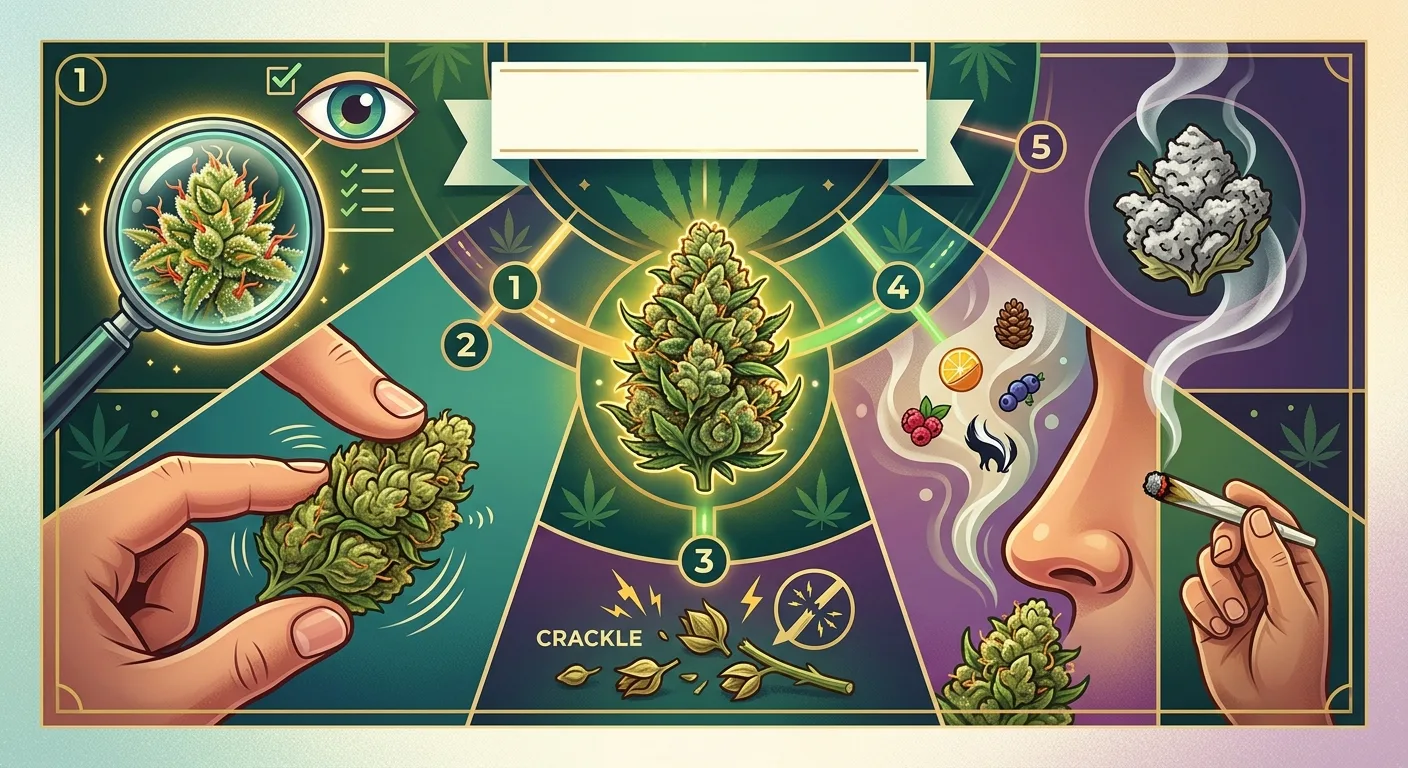
If you're buying flower in person, inspect it.
Aroma can tell you a lot about the batch's terpene character and freshness. Texture, trichome condition, and overall appearance can also help you distinguish between batches.
At Uper Weed, we provide available batch and aroma information across our flower and AAAA selections.
You can also explore weed delivery in Ottawa when comparing current flower options.
Frequently Asked Questions
Why does the same strain feel different from different dispensaries?
A strain name generally refers to a genetic lineage rather than one specific plant. Different phenotypes, growing conditions, harvest timing, drying, curing, storage, and batch differences can all contribute to noticeable differences between products carrying the same name.
What is a cannabis phenotype?
A phenotype is the observable expression of a plant's genetics in a particular environment. Plants originating from the same genetic cross can show different characteristics, including differences in structure, aroma, and other traits.
Are cannabis strain names regulated?
The use and regulation of cannabis strain names varies by jurisdiction and market. There is no universal global system that genetically verifies every product sold under every strain name. In regulated markets, products are subject to applicable labelling and testing requirements, but those requirements do not mean every strain name is genetically verified.
What's the difference between a strain and a cut?
A strain name generally describes a genetic lineage or breeding project. A cut refers to a particular plant that has been selected and propagated through cloning. Because clones originate from a selected mother plant, they can provide greater genetic consistency than repeatedly growing seeds from the same cross.
Is the indica versus sativa label meaningful?
It can provide broad context, but it is not a precise description of the chemical composition or expected subjective experience of a particular batch. Modern cannabis contains extensive hybridisation, and the same cultivar may be classified differently by different sellers.
How do I find consistency if strain names don't guarantee it?
Pay attention to the source, grower, batch information, aroma, available terpene data, and your own experience. Keeping simple notes about purchases can help you identify which producers, batches, and characteristics you consistently prefer.
The Short Version
A strain name points toward a lineage, not a guaranteed product.
Plants from the same genetic cross can vary because of phenotype differences. Even genetically similar plants can produce different flower depending on growing conditions, harvest timing, drying, curing, and storage.
If you're trying to recreate a cannabis experience you enjoyed before, don't rely on the strain name alone.
Look at the source, batch, aroma, terpene information, flower condition, and your own notes. Those details give you a much clearer picture of what you're actually buying than a familiar name on a menu.