When you order cannabis online, freshness isn't just a nice-to-have feature , it's the difference between an exceptional experience and a disappointing one. At UperWeed, our commitment to sourcing fresh cannabis every single week isn't marketing fluff. It's a fundamental operational philosophy that shapes everything from our supplier relationships to our delivery logistics. While many cannabis retailers treat inventory like shelf-stable products that can sit for months, we've built our entire business model around rapid turnover and constant renewal.
The question isn't whether fresh cannabis matters (it absolutely does), but rather how a delivery service can consistently guarantee freshness in a market flooded with stale product. This article pulls back the curtain on our sourcing strategy, explaining exactly why we prioritize weekly arrivals, how we maintain quality control, and what this means for your actual consumption experience. If you've ever wondered why some cannabis delivers a vibrant, potent high while other batches fall flat, freshness is often the hidden variable.
The Freshness Problem Plaguing Canada's Legal Cannabis Market
Canada's legal cannabis industry has a dirty secret: much of the product sitting on dispensary shelves is months past its prime. Government regulations require extensive testing and packaging processes that can take weeks, and once product reaches retail channels, there's no hard expiration enforcement. The result is a supply chain where cannabis can easily be six months old before it reaches consumers.
Cannabinoids and terpenes , the compounds responsible for potency and flavour , begin degrading the moment cannabis is harvested. THC converts to CBN over time, reducing psychoactive effects. Terpenes evaporate, leaving previously aromatic buds smelling like hay. The moisture balance shifts, making flower either too dry and harsh or developing mold if humidity creeps up. These aren't theoretical concerns; they're daily realities affecting product quality across the market.
Traditional brick-and-mortar dispensaries face an impossible balancing act. They need extensive inventory to offer selection, but holding large quantities guarantees some products will age on shelves. Square footage costs money, so maximizing inventory turnover conflicts with providing variety. Many solve this by accepting older stock from distributors at discounted prices, passing compromised quality to price-conscious consumers who don't know what they're missing.
How Age Affects Your Cannabis Experience
The degradation timeline for cannabis is surprisingly aggressive. Within the first month after curing, terpene profiles begin shifting noticeably. By three months, flavour complexity diminishes significantly. At six months, even properly stored cannabis has lost 15-20% of its original THC content, with corresponding increases in CBN that produce sedative effects rather than the strain's intended profile.
Humidity-related issues compound chemical degradation. Cannabis dried below 55% relative humidity becomes harsh and burns too quickly. Above 65% humidity invites mold and bacteria. The sweet spot of 58-62% RH requires active monitoring with humidity control packs, something most retailers don't maintain once product leaves the original packaging. Each time containers open for customer inspection, moisture balance shifts.
Consumers rarely connect quality issues to age because packaging dates refer to when product was packaged for retail, not when it was harvested or cured. A package stamped with last month's date might contain cannabis that was harvested six months earlier, dried for three weeks, cured for a month, then sat in a distributor warehouse for another two months before packaging. The actual age remains hidden from consumers who assume "fresh" packaging means fresh product.
Our Weekly Sourcing Model: How UperWeed Guarantees Freshness
UperWeed operates on a fundamentally different inventory model than traditional dispensaries. Instead of maintaining massive stockpiles, we source smaller quantities more frequently, turning over our entire selection every 7-14 days. This rapid rotation model requires sophisticated logistics and strong supplier relationships, but it ensures every customer receives cannabis at peak freshness rather than whatever's been sitting longest.
Our sourcing team places orders with cultivators and processors multiple times per week, scheduling deliveries to align with customer demand patterns. We monitor sales velocity for each strain and product category, adjusting order quantities to minimize holdover inventory. This data-driven approach means popular items like Deep Purple Kush arrive in frequent small batches rather than quarterly bulk purchases that age before selling through.
The "new arrivals weekly" promise isn't about adding completely different products each week , it's about consistently refreshing our core catalogue with the freshest possible batches. When you order a strain you've purchased before, you're getting a new harvest rather than the same old inventory repackaged. This matters enormously for consistency and quality, especially with exotic and gas strains where terpene preservation is critical.
Direct Relationships With Premier Cultivators
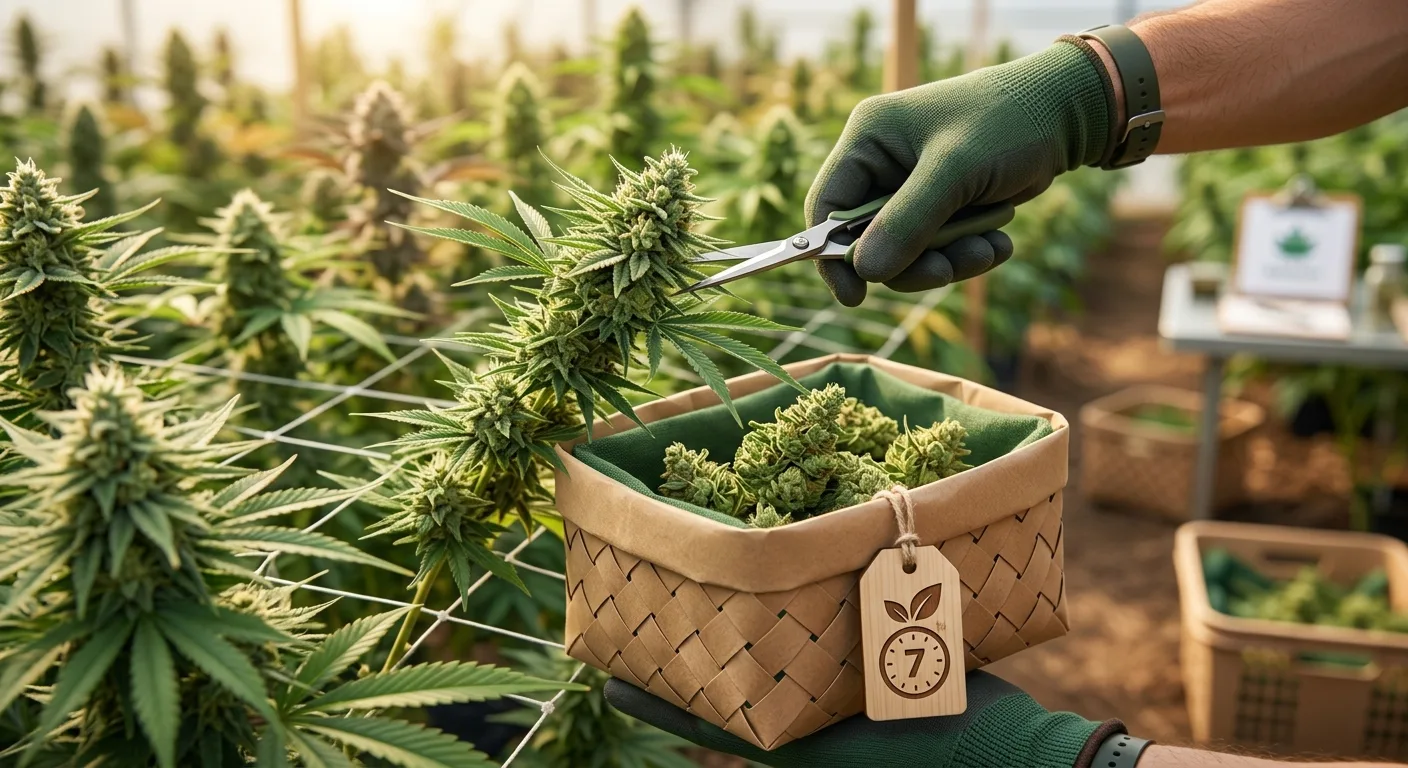
Most cannabis retailers source through distributors who aggregate product from multiple growers, adding weeks to the supply chain. UperWeed has cultivated direct relationships with select premium cultivators across Canada, cutting out middlemen and reducing the time between harvest and delivery to your door. These partnerships allow us to specify quality standards and harvest windows that mass-market distributors can't accommodate.
We prioritize small to mid-sized craft cultivators who focus on quality over quantity. These growers typically harvest in smaller batches, making it easier for us to source fresh product without requiring the massive order volumes that force retailers into long-term storage. When a grower completes a harvest of a strain like King Louis XIII, we can order quantities that sell through in days rather than months.
These direct relationships also provide transparency about growing methods, nutrient programs, and harvest dates that distributors don't share. We know exactly when each batch was harvested, how it was dried and cured, and what testing results showed beyond the minimums required for packaging labels. This information allows us to make informed sourcing decisions that prioritize freshness and quality rather than just price points.
The Weekly Refresh Cycle: Behind the Scenes at UperWeed
Our weekly sourcing cycle begins with inventory analysis every Monday morning. The team reviews sales data from the previous week, identifying which products moved quickly and which need promotion or replacement. We examine customer feedback and return rates (though returns are rare with fresh product). This analysis informs sourcing decisions for the coming week.
Tuesday through Thursday, we receive deliveries from cultivators and processors. Incoming product undergoes quality inspection before being added to inventory. We check packaging dates, examine flower for proper cure and trichome preservation, and verify that concentrates and edibles haven't separated or degraded. Products that don't meet standards get sent back, even if they're technically within regulatory compliance. Our standards exceed legal minimums.
Friday and Saturday are peak ordering days, so we ensure popular items are freshly stocked. Sunday and Monday we evaluate what sold out and what needs refreshing. This continuous cycle means our inventory is constantly turning over. Unlike dispensaries where the same jars sit on shelves for weeks, our product is always moving, always fresh, always at peak quality when it reaches customers.
Temperature and Humidity Control Throughout Storage
Fresh sourcing means nothing if product degrades in our storage facility. UperWeed maintains climate-controlled storage at 60-65°F with 58-62% relative humidity , the ideal conditions for preserving cannabinoids and terpenes. We use commercial-grade humidity monitoring systems with alerts if conditions drift outside acceptable ranges.
Products are stored in airtight containers with Boveda or Integra humidity packs, which we replace monthly. Flower is kept in darkness to prevent light degradation of THC. Concentrates are refrigerated when possible to slow oxidation. Edibles are rotated based on production dates, with older batches moving to promotional pricing rather than sitting until they're undesirable. You can learn more about proper storage techniques in our guide on how to store weed properly.
This level of storage attention is expensive and labour-intensive, which is why most retailers don't bother. It's easier to accept degradation as normal and price products accordingly. We've made the opposite calculation: investing in proper storage preserves the quality we worked hard to source, ensuring customers receive product that justifies premium pricing through superior experience rather than just marketing claims.
What Fresh Cannabis Means for Your Consumption Experience
The practical impact of fresh cannabis becomes obvious the moment you open a package. Fresh flower has vibrant, complex aromas , gassy, fruity, earthy notes that fill the room. The buds feel slightly springy rather than bone-dry or damp. Trichomes appear intact and frosty rather than degraded or knocked off. When ground, fresh cannabis produces fluffy, resinous material rather than powder or compressed chunks.
The consumption experience differs dramatically. Fresh flower vapourizes evenly, releasing smooth, flavourful vapour at lower temperatures. Aged cannabis requires higher temperatures and produces harsh, less complex vapour. When smoking, fresh cannabis burns evenly in joints and bowls, producing white or light grey ash that indicates complete combustion. Old, dry cannabis burns too hot, producing dark ash and irritating smoke that causes coughing.
Potency differences are measurable. Independent testing has shown that properly stored cannabis loses approximately 16% of its THC content per year, while poorly stored cannabis can lose significantly more. This means cannabis that tested at 25% THC when fresh might deliver only 20% THC after six months. For consumers seeking specific effects or managing tolerance, this variability is problematic. Fresh product delivers consistent, predictable experiences.
Terpene Preservation and the Entourage Effect
Terpene preservation might be even more important than THC content for quality experiences. Terpenes don't just create aromas , they modulate how cannabinoids affect your body through the entourage effect. Myrcene enhances THC's ability to cross the blood-brain barrier. Limonene provides uplifting effects. Caryophyllene offers anti-inflammatory benefits. These compounds are volatile and evaporate quickly when cannabis isn't fresh.
Testing data shows that terpenes degrade faster than cannabinoids. Within three months of harvest, terpene content can drop by 30-50%, even with proper storage. After six months, many distinctive terpenes have evaporated entirely, leaving only the most stable compounds. This is why aged cannabis often smells generically "weedy" rather than expressing the unique profiles that distinguish strains.
When you order fresh pink or exotic strains from UperWeed, you're experiencing the full terpene profile the cultivator intended. The gassy funk of Zombie Kush, the sweet berry notes of Very Berry Haze, the complex earthiness of hash varieties , these nuances only shine through with fresh product. Aged cannabis homogenizes into bland similarity regardless of strain genetics.
Hash, Concentrates, and Edibles: Freshness Beyond Flower
While most freshness discussions focus on flower, concentrates and edibles also benefit enormously from recent production. Traditional hashish like Bulldog Hash and imported varieties continues ageing and developing character over time when properly stored, similar to fine wine. However, modern concentrates like shatter, live resin, and distillates degrade when old.
Shatter and wax concentrates oxidize when exposed to air and light, turning darker and developing harsh flavours. Fresh shatter should be translucent and amber-coloured, snapping cleanly when handled. Aged shatter becomes opaque, sticky, and produces harsh vapour. Live resin loses its characteristic terpene-rich profile as volatile compounds evaporate, eventually becoming indistinguishable from regular resin.
THC distillate and vape cartridges also degrade over time. Distillate can separate or crystallize, and terpenes added for flavour evaporate through cartridge seals. Fresh cartridges produce smooth, flavourful vapour from the first puff to the last. Aged cartridges often start well but finish harsh as remaining distillate becomes oxidized and terpenes have fully evaporated.
Edibles and Infused Products
Cannabis edibles face the same freshness challenges as regular food products, plus cannabinoid degradation. Gummies can harden, separate, or develop sugar crystals. Chocolates can bloom (develop white spots from fat crystallization). Baked goods go stale. Beyond these texture issues, THC in edibles slowly converts to CBN, reducing psychoactive potency and increasing sedative effects.
We source edibles from producers who manufacture in small batches with short lead times, ensuring product reaches customers within weeks of production rather than months. Popular items like Buddha Boys Gummies and Galaxy Gummies arrive so frequently that most batches sell within their first month on our platform. This rapid turnover guarantees customers receive edibles with optimal texture, flavour, and cannabinoid profiles.
Infused beverages present particular freshness challenges. THC emulsions can separate over time, creating inconsistent dosing. Carbonated cannabis drinks lose fizz. Flavour compounds degrade, especially citrus and fruit notes. By maintaining close relationships with edible producers and ordering frequently in smaller quantities, we ensure these perishable products reach customers at peak quality.
Why Other Retailers Can't Match This Model
The obvious question: if fresh cannabis is so important, why doesn't every retailer operate this way? The answer comes down to economics, logistics, and priorities. UperWeed's delivery-focused model allows us to maintain lower overhead than brick-and-mortar stores. Without expensive retail space and staffing requirements, we can invest in frequent sourcing and rapid inventory turnover.
Traditional dispensaries need extensive inventory to fill shelves and provide the browsing experience customers expect. Walking into a store with limited selection creates the impression of poor service, even if that limited inventory is perfectly fresh. Visual merchandising requires product displays that don't turn over daily. This structural reality forces retail stores toward bulk purchasing and longer hold times.
Physical stores also face regulatory requirements around product storage and display that delivery services avoid. Cannabis must be kept in locked displays in many jurisdictions, making frequent restocking labour-intensive. Staff need to handle products during customer consultations, repeatedly opening and closing containers. These operational realities accelerate degradation and complicate fresh sourcing strategies.
The Delivery Advantage for Freshness
Delivery services like UperWeed can operate lean inventory with just-in-time sourcing because we don't need products visible on shelves. Our catalogue is digital, so we can offer extensive selection without physically stocking every item simultaneously. We maintain core popular products in ready inventory and source specialty items in smaller quantities that turn over quickly.
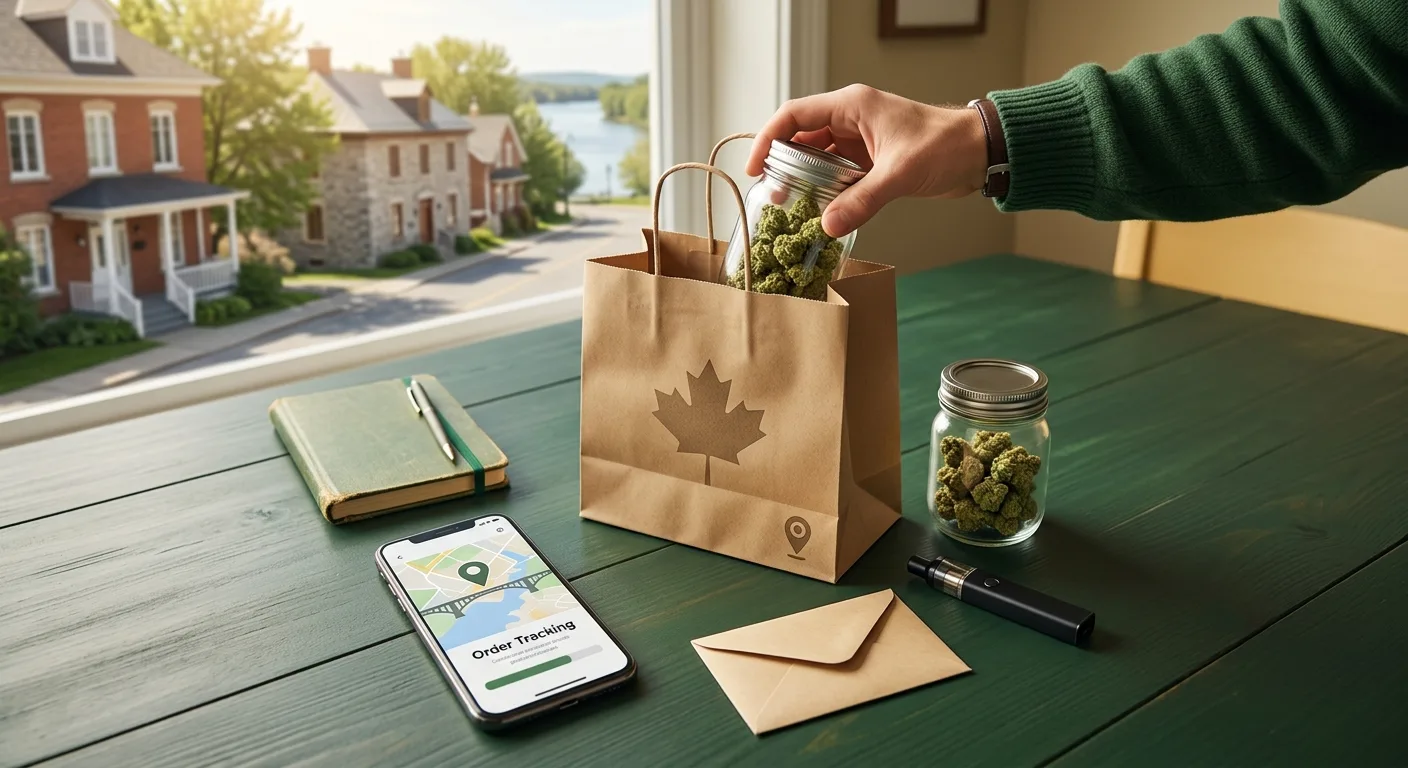
Our same-day delivery model in Ottawa and next-day service across Canada means products spend minimal time in our facility. Compare this to a dispensary where products might sit for weeks or months before selling. The time between us receiving product and it reaching your hands is measured in hours or days, not weeks or months. This compressed timeline preserves freshness at every stage.
We also avoid the packaging and handling degradation that occurs in retail environments. Dispensary staff open containers dozens of times for customer inspection, exposing product to air, light, and handling. Our products go from sealed bulk storage directly to sealed customer packaging, minimizing exposure and preserving quality. When you receive your order, you're often the first person opening that container.
Transparency and Testing: Verifying Freshness Claims
Any cannabis retailer can claim they source fresh product, but verification requires transparency. UperWeed provides package dates on all products and can supply harvest information upon request for most flower strains. We encourage customers to inspect products upon delivery and report any quality concerns. Our return and replacement policy reflects confidence that fresh sourcing means satisfied customers.
Beyond package dates, we share testing information that goes beyond regulatory minimums. Cannabinoid and terpene profiles reveal product age and storage quality. Fresh cannabis shows robust terpene percentages with diverse profiles. Aged cannabis shows depleted terpenes and elevated CBN relative to THC. We provide this data so informed consumers can make quality-based decisions.
Customer feedback loops help us maintain quality standards. We actively solicit reviews and respond to concerns about freshness or quality. If a particular batch doesn't meet expectations, we investigate with the supplier and adjust future sourcing decisions. This feedback-driven approach to quality control ensures our freshness promise isn't just marketing but a genuine operational commitment backed by accountability.
The Role of Lab Testing in Quality Assurance
While all legal cannabis undergoes mandatory testing for potency, pesticides, and contaminants, we look beyond these basics. Fresh cannabis shows characteristic terpene ratios and cannabinoid profiles that shift as product ages. For example, fresh THCA-rich flower shows minimal THC and delta-9 content, while aged flower shows conversion from THCA to THC to CBN.
We request full terpene panel testing from suppliers rather than accepting limited profiles. This detailed information reveals whether product was properly cured and stored. Certain terpenes like myrcene degrade quickly and serve as freshness indicators. If testing shows abnormally low myrcene relative to other terpenes, it suggests age or improper storage.
Moisture content testing also indicates freshness and storage quality. Fresh, properly cured cannabis should test between 10-12% moisture content. Below 8% indicates over-drying or age. Above 14% raises mold concerns. We reject batches outside optimal ranges, even if they pass regulatory minimums, because moisture content directly impacts consumption experience and shelf stability.
Supporting Craft Cultivators Through Frequent Small Purchases
UperWeed's fresh sourcing model doesn't just benefit customers , it supports craft cannabis cultivators who prioritize quality over quantity. Large retailers demand massive orders that small growers can't fulfill, forcing craft cultivators to sell through distributors who pay less and aggregate product from multiple sources. Our model of frequent smaller purchases allows craft growers to sell directly while maintaining batch quality control.
Craft cultivators typically harvest in batches of 50-200 plants rather than the thousands grown by industrial operations. These smaller harvests are ideal for our rapid turnover model. We can purchase an entire harvest batch, sell it within days or weeks, then return for the next harvest. This relationship ensures growers have reliable buyers while guaranteeing we receive the freshest possible product.
Indigenous-owned and operated since 2018, UperWeed prioritizes relationships with Indigenous cultivators and minority-owned cannabis businesses. Our sourcing decisions consider not just product quality but also the ethics and sustainability of growing operations. Fresh sourcing aligns perfectly with supporting smaller, quality-focused producers rather than mass-market industrial operations focused on volume and shelf life.
How to Identify Fresh Cannabis When Shopping
While UperWeed's sourcing guarantees freshness, informed consumers should know how to evaluate quality regardless of where they purchase. Visual inspection reveals a lot about age and storage. Fresh cannabis buds are vibrant in colour , deep greens, purples, or rust-orange pistils depending on strain. Faded colours indicate age or light exposure. Trichomes should appear frosty and intact, not amber or degraded.
Aroma is the most reliable freshness indicator. Fresh cannabis smells pungent and complex, with distinct strain characteristics. If you're purchasing supposed "gas strains" but they smell faintly of hay or generic plant material, they're old. Strong, diverse aromas indicate preserved terpenes and recent harvest. The scent should hit you when opening a container, not require sniffing closely to detect.
Physical texture matters too. Gently squeeze a bud , it should have slight spring and structure, not crumble to dust or feel damp. Stems should snap rather than bend, indicating proper cure. When grinding, fresh cannabis should be sticky and aromatic, coating your grinder with resin rather than producing dry powder. These tactile and sensory cues reveal more than package dates alone.
Questions to Ask Your Cannabis Supplier
Whether shopping at a dispensary or ordering for delivery, don't hesitate to ask about freshness. When was this batch harvested? How long has it been in inventory? Can you provide harvest and package dates? Reputable suppliers will answer confidently and may provide batch numbers that trace back to cultivation records. Evasive answers or lack of information suggest old product or poor record-keeping.
Ask about storage conditions. How is product stored? What humidity is maintained? Are humidity packs used? These questions signal that you're an informed consumer who values quality, encouraging suppliers to maintain higher standards. Many cannabis retailers improve practices when they realize customers care about and understand freshness indicators.
For online ordering at UperWeed or elsewhere, contact customer service with these questions before purchasing. We provide transparent answers because we're confident in our sourcing practices. If a supplier can't or won't provide this information, consider it a red flag and shop elsewhere. Your money deserves fresh product, not aged inventory sold at premium prices.
Experience the UperWeed Freshness Difference
Ready to discover what truly fresh cannabis tastes, smells, and feels like? Browse our weekly new arrivals and experience the quality difference that proper sourcing makes.
Shop Fresh Cannabis NowFrequently Asked Questions About Fresh Cannabis Sourcing
Check for vibrant colours, strong distinct aromas, and slightly springy texture when gently squeezed. Fresh cannabis should smell pungent and complex, not faint or hay-like. Trichomes should appear frosty and intact. When ground, it should be sticky and aromatic rather than producing dry powder. Package dates should be recent, ideally within the last 1-2 months.
Yes, fresher cannabis typically delivers stronger effects because THC degrades over time into CBN, which is less psychoactive and more sedating. Fresh product maintains the cannabinoid and terpene profile the strain was bred for, while aged cannabis loses potency and develops effects that may differ from the strain's intended characteristics.
With proper storage at 58-62% humidity in an airtight container kept in a cool, dark place, cannabis can maintain quality for 6-12 months. However, it begins losing terpenes and potency immediately after packaging. For best experience, consume within 2-3 months and use humidity control packs. See our complete guide on how to store weed properly for detailed preservation techniques.
Brick-and-mortar dispensaries face economic pressure to maintain large inventories for visual merchandising and selection. This means some products sit on shelves for months before selling. Additionally, they may purchase older product from distributors at discounted prices to improve margins, passing aged cannabis to price-conscious customers who don't recognize quality differences.
Not necessarily. Price often reflects strain rarity, cultivation methods, and brand positioning rather than freshness. Some premium products sit on shelves as long as budget options. Freshness depends more on the retailer's sourcing and inventory turnover than product price. At UperWeed, we maintain rapid turnover across all price points, ensuring budget and premium products alike arrive fresh.