Cannabis edibles have changed how people consume weed. No smoke, no smell, no accessories — just eat a gummy, a chocolate, or a baked good and wait for the effects to arrive. For many cannabis consumers in Ottawa, Gatineau, and across Canada, edibles have become the preferred method because they’re discreet, convenient, precisely dosed, and produce effects that last significantly longer than smoking or vaping.
But edibles are also the consumption method most likely to produce an uncomfortable experience if you don’t understand dosing and timing. Unlike smoking — where effects are felt within seconds and you can gauge your level hit by hit — edibles take 30 minutes to two hours to kick in, and once they do, you’re committed for several hours.
This guide covers everything you need to know about cannabis edibles and THC gummies: how they work in your body, how to dose properly at every experience level, how long they take to kick in, how long the effects last, what types of edibles are available, what to do if you take too much, and how to choose quality edibles that deliver a consistent, enjoyable experience.
How Cannabis Edibles Work in Your Body
Edibles are processed completely differently than smoked or vaped cannabis. Understanding this difference is the key to having a good experience.
When you smoke or vape cannabis, THC enters your lungs and passes directly into your bloodstream. Effects begin within seconds and peak within 10–20 minutes. The process is fast and relatively predictable.
When you eat a cannabis edible, the THC takes a much longer and more complex route. The edible travels to your stomach, where it’s digested like any other food. The THC is then absorbed through the walls of your digestive tract and transported to your liver.
Here’s where it gets important: your liver converts delta-9 THC (the standard form) into 11-hydroxy-THC — a metabolite that is significantly more potent than the THC you inhale, and that crosses the blood-brain barrier more efficiently. This is why the same milligram dose of THC feels noticeably stronger as an edible compared to smoking.
This liver conversion process also explains the delayed onset. Your body needs time to digest the edible, absorb the THC, and metabolize it through the liver before effects begin. That process takes anywhere from 30 minutes to 2 hours depending on factors like your metabolism, whether you’ve eaten recently, your body weight, and the type of edible.
The result: edibles produce a more intense, more body-focused, longer-lasting experience than smoking the same amount of THC. A 10mg edible can feel significantly stronger than a 10mg hit from a joint — because the form of THC reaching your brain is more potent.
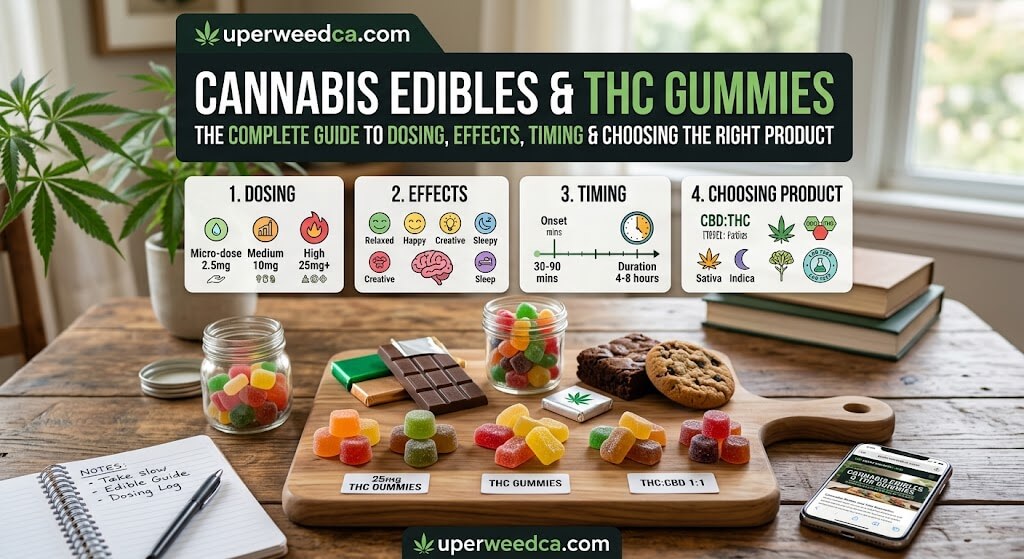
Edible Dosing Chart — How Many Milligrams Should You Take
Dosing is the single most important factor in your edible experience. Too little and you won’t feel anything. Too much and you’ll have a rough few hours. Here’s a practical guide by milligram:
Microdose: 1–2.5 mg THC
Who it’s for: First-time cannabis users, people with zero tolerance, anyone who wants subtle effects without a noticeable “high.”
What to expect: Mild mood lift, slight relaxation, reduced anxiety for some people. Most users at this dose don’t feel “stoned” — they feel slightly better than baseline. This is the dose many people use for microdosing throughout the day.
Best for: Anxiety relief, mild stress reduction, focus enhancement, social situations where you want a subtle edge without impairment.
Low dose: 2.5–5 mg THC
Who it’s for: Beginners, occasional users, people returning to cannabis after a long break.
What to expect: Noticeable relaxation, mild euphoria, enhanced sensory experiences (food tastes better, music sounds richer), gentle body calm. Most people at this dose feel “something” but are still fully functional.
Best for: Evening wind-down, social consumption, first-time edible users, mild pain relief.
Moderate dose: 5–15 mg THC
Who it’s for: Regular cannabis consumers, people with some edible experience who know their tolerance.
What to expect: Clear euphoria, stronger body effects, altered perception of time, increased appetite, pronounced relaxation. Coordination and cognitive function begin to be noticeably affected at the higher end of this range.
Best for: Recreational enjoyment, stronger pain relief, sleep support, deeper relaxation.
Strong dose: 15–30 mg THC
Who it’s for: Experienced cannabis users with established tolerance. Not for beginners.
What to expect: Strong euphoria, significant body heaviness, pronounced altered perception, possible couch-lock, strong appetite stimulation. Impaired coordination is likely.
Best for: Experienced recreational users, chronic pain management, insomnia, high-tolerance consumers.
Very strong dose: 30–50 mg THC
Who it’s for: High-tolerance consumers only.
What to expect: Very intense effects across mind and body. Impaired coordination and perception are likely. The experience can be overwhelming for anyone without significant tolerance.
Expert dose: 50–100+ mg THC
Who it’s for: Very experienced, high-tolerance consumers and patients with specific medical needs.
What to expect: Extremely intense, long-lasting effects. Not recommended without significant experience and clear understanding of your personal tolerance.
The Golden Rule
Start low. Go slow. If you’re trying edibles for the first time, take 2.5–5 mg and wait a full two hours before even considering taking more. You can always eat another gummy. You can never un-eat one.
How Long Do Edibles Take to Kick In
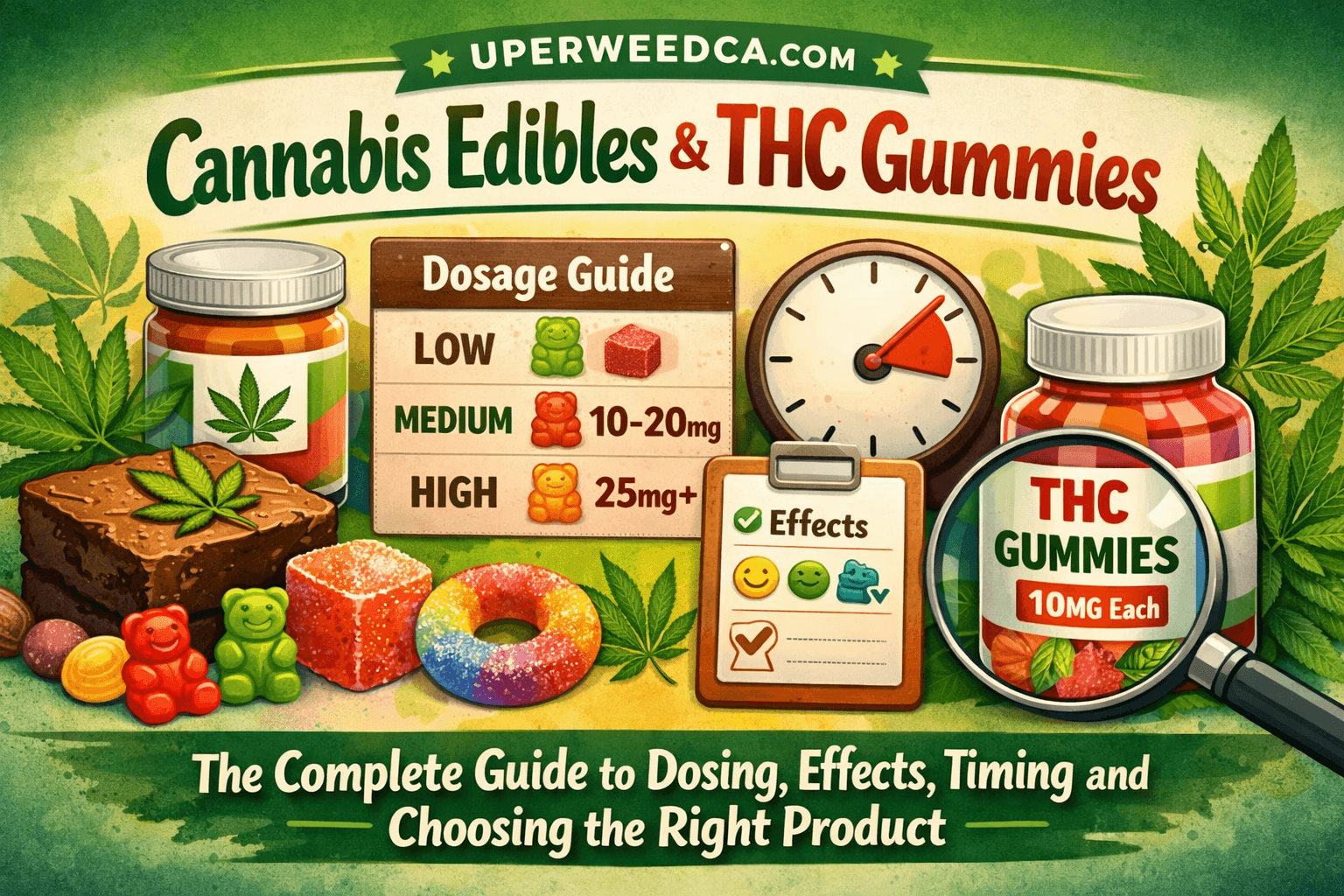
This is where most people make mistakes with edibles. The delayed onset leads to the classic error: “I don’t feel anything yet — I’ll take more” — followed by both doses hitting at once and producing an overwhelming experience.
Onset times by edible type:
Gummies and candies: 30–60 minutes for most people. Gummies have a moderate onset because they’re chewed, partially absorbed through the mouth, and then digested through a relatively simple ingredients list.
Chocolates: 30–60 minutes. Similar to gummies but fat content in chocolate may slightly accelerate THC absorption.
Beverages and drinks: 15–45 minutes. Cannabis-infused beverages are often formulated with nano-emulsification or similar technology that allows faster absorption. Some users feel effects within 15–20 minutes.
Baked goods (brownies, cookies): 45–90 minutes. Denser, heavier edibles take longer to digest, which delays onset.
Hard candies, lozenges, and sublingual products: 15–30 minutes. Products that dissolve in the mouth are partially absorbed through oral mucosa (the lining of your mouth), bypassing the digestive system for faster onset.
Capsules: 45–90 minutes. Capsules need to dissolve in the stomach before THC can be absorbed.
Factors that affect onset time:
- Empty vs. full stomach. Edibles kick in faster on an empty stomach but the effects can feel more intense and less predictable. Taking edibles with or after a meal produces a slower, more controlled onset.
- Metabolism. Faster metabolism = faster onset but shorter duration. Slower metabolism = delayed onset but longer-lasting effects.
- Body weight and composition. THC is fat-soluble, so body composition affects how your body processes and stores it.
- Individual tolerance. Regular cannabis users may process THC more efficiently.
How Long Do Edible Effects Last
Edibles last significantly longer than smoking or vaping. Plan accordingly.
Typical duration: 4–8 hours for the primary effects, with some residual effects lasting up to 12 hours for higher doses.
Onset to peak: Effects typically build over the first 1–2 hours after onset, reaching their peak intensity 2–3 hours after consumption.
The comedown: Effects gradually diminish over the following 3–5 hours. Most people feel essentially back to baseline within 6–8 hours of consumption.
Morning after: Some users — particularly those who consumed higher doses or took edibles late in the evening — report mild residual effects the following morning (grogginess, mild fogginess). This is more common with doses above 20mg.
Planning tip: If you’re taking edibles in the evening, consume them early enough that the peak occurs before you want to sleep — roughly 2–3 hours before bed for most people. If you take a gummy at 10 PM, the peak may not hit until midnight.
Types of Cannabis Edibles Available
THC Gummies
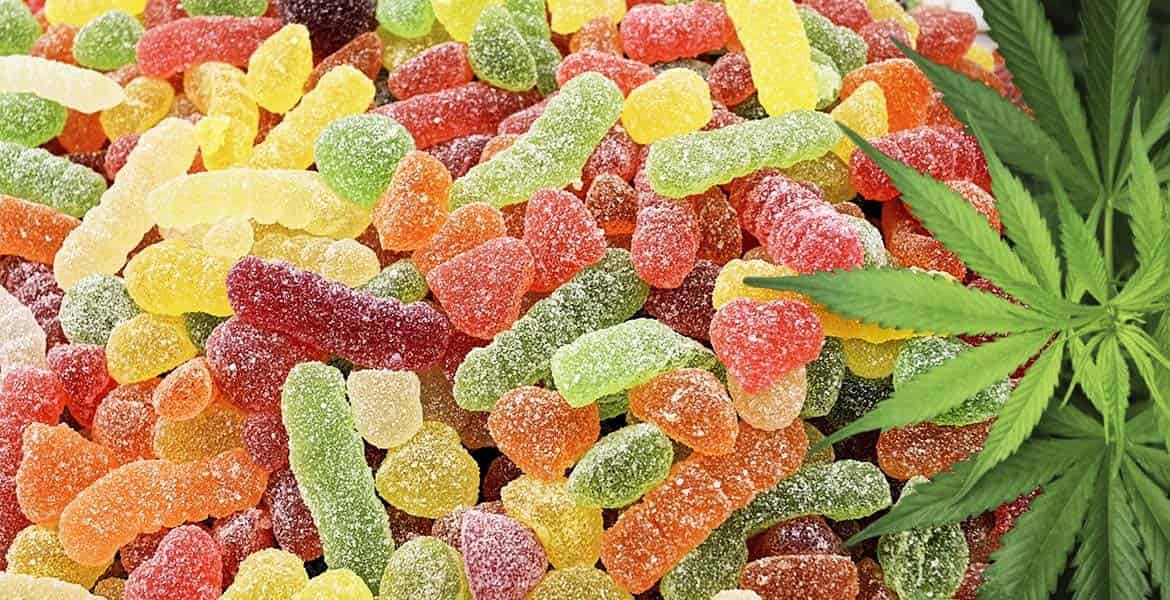
The most popular edible format in Canada and the easiest to dose accurately. Gummies come in clearly marked milligram doses, a variety of flavours, and are available in THC-dominant, CBD-dominant, and balanced (1:1 THC:CBD) formulations.
Why gummies dominate: consistent dosing, portable, discreet, no cannabis taste if well-made, long shelf life, and easy to cut in half for lower doses.
Chocolates
Cannabis-infused chocolate bars and pieces. The fat content in chocolate can enhance THC absorption. Available in milk, dark, and white chocolate varieties. Often scored into individual pieces for easy dosing.
Baked Goods
Brownies, cookies, and other cannabis-infused baked items. The classic edible format that’s been around since long before legalization. Dosing can be less precise than gummies — distribution of THC throughout a brownie or cookie may not be perfectly even.
Cannabis Beverages
THC-infused drinks including sodas, seltzers, teas, and juices. Growing rapidly in popularity. Many are formulated with nano-emulsification for faster onset. Lower calorie than most food-based edibles.
Hard Candies and Lozenges
Dissolve slowly in the mouth, providing partial sublingual absorption for faster onset. Lower-dose option that’s easy to carry and consume discreetly.
Capsules
Cannabis in pill form. Precise dosing, no taste, completely discreet. Longer onset time due to capsule dissolution. Often used by medical cannabis patients who prefer pharmaceutical-style consumption.
Tinctures
Cannabis oil taken under the tongue (sublingually). Fast onset (15–30 minutes) because THC is absorbed through oral mucosa. Precise dosing via dropper. Can also be added to food or drinks.
What to Do If You Take Too Much
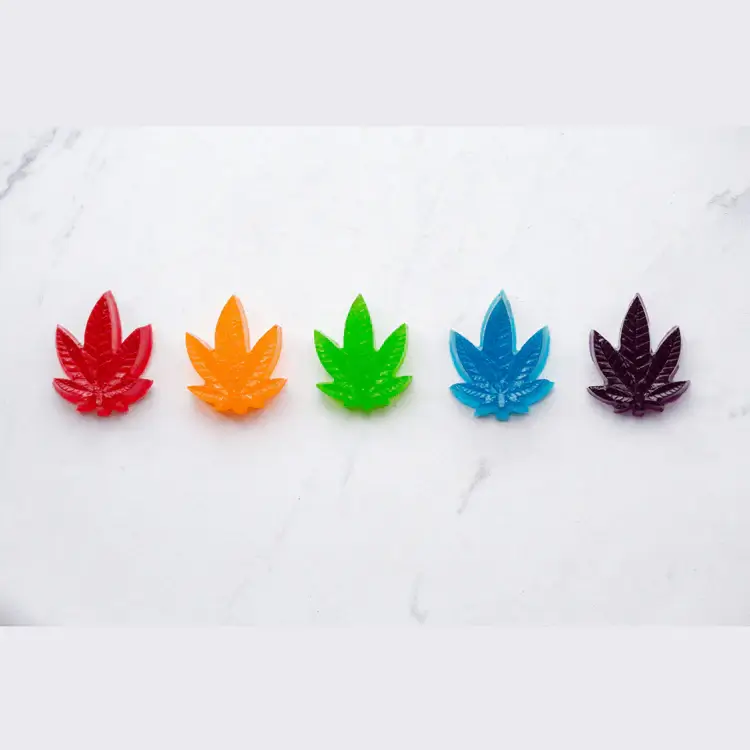
It happens — especially with edibles, because the delayed onset leads people to take a second dose before the first one has kicked in. Here’s what to know:
You cannot fatally overdose on THC. No one has ever died from consuming too much cannabis. This is medically established. An uncomfortable experience is not a dangerous experience.
Symptoms of taking too much: Anxiety, paranoia, racing heart, nausea, dizziness, confusion, impaired coordination, feeling “stuck” or unable to move, time distortion (minutes feel like hours).
What to do:
- Stop consuming. No more edibles, no smoking, no additional cannabis of any kind.
- Find a comfortable, safe place. Couch, bed, a quiet room. Familiar surroundings help.
- Drink water. Stay hydrated. Small sips.
- Eat something. Food — especially something with fat and carbohydrates — can help ground the experience and may reduce intensity.
- Breathe slowly. Deep, slow breaths. In through the nose, out through the mouth. Focus on breathing.
- Remind yourself it’s temporary. The peak of the discomfort will pass. Edible peaks typically last 1–2 hours and then begin to subside. The total uncomfortable period rarely exceeds 3–4 hours.
- CBD can help. If you have CBD oil or a CBD gummy, taking it may reduce the intensity of THC effects. CBD interacts with the same receptor system and can modulate THC’s psychoactive impact.
- Don’t fight it. Trying to “power through” or pretend you’re fine often increases anxiety. Accept that you took too much, acknowledge the discomfort, and let it pass.
- Sleep if you can. If you’re able to fall asleep, this is often the most effective way to bypass the unpleasant period. You’ll wake up feeling better.
Edibles vs. Smoking — How They Compare
Onset: Smoking hits in seconds. Edibles take 30–120 minutes.
Duration: Smoking lasts 1–3 hours. Edibles last 4–8 hours (up to 12 with higher doses).
Intensity: Edibles feel stronger per milligram because 11-hydroxy-THC (the metabolite produced by liver processing) is more potent than delta-9 THC absorbed through the lungs.
Health considerations: Edibles involve no smoke inhalation, no combustion, no lung exposure. For consumers concerned about respiratory health, edibles eliminate those risks entirely.
Discretion: Edibles produce no smell, no smoke, no visible consumption. A gummy looks like candy. A capsule looks like a vitamin. For consumers who need discretion — apartment living, workplace proximity, family settings — edibles are significantly more private than smoking.
Predictability: Smoking is more controllable in real-time because effects are immediate and you can stop at any point. Edibles require advance commitment — once you eat it, you’re along for the ride. This is why dosing is so critical with edibles.
Cost per dose: Edibles are often cost-competitive with flower on a per-dose basis. A $15–$25 package of gummies containing 5–10 doses provides hours of effect per dose.
How to Choose Quality Cannabis Edibles
Not all edibles are created equal. Here’s what to look for:
Clear dosing information. Every edible should clearly state the total THC content per package and the THC content per serving/piece. If dosing is vague or missing, avoid the product.
Consistent potency. Quality edibles deliver the same experience every time you consume the same dose. Inconsistent effects between packages from the same product suggest manufacturing quality issues.
Taste. Well-made edibles should taste good — not overwhelmingly weedy. Modern cannabis confectionery has reached a point where gummies, chocolates, and beverages can be genuinely enjoyable to eat, not just tolerable.
Source. Buy from established suppliers who carry products with clear labelling, consistent dosing, and quality ingredients. Uper Weed carries a curated selection of THC gummies, chocolates, and other edibles — quality-verified and available for same-day delivery in Ottawa and Gatineau or mail order across Canada.
Strain type. Some edibles are formulated with Indica-dominant, Sativa-dominant, or Hybrid cannabis. Indica-infused edibles tend toward relaxation and sleep support. Sativa-infused edibles lean toward energy and creativity. Hybrid edibles aim for balanced effects.
Edibles for Specific Purposes
Best Edibles for Sleep
Indica-dominant gummies or capsules taken 2–3 hours before your target bedtime. Look for products that combine THC with CBN (cannabinol), a cannabinoid associated with sedation and sleep support. A dose of 5–15mg THC (depending on tolerance) produces relaxation and drowsiness that helps many consumers fall asleep and stay asleep longer.
Best Edibles for Pain
THC combined with CBD in a 1:1 ratio is commonly used for pain management. The combination may provide both the anti-inflammatory properties of CBD and the pain-modulating effects of THC. Edibles are preferred for pain because their effects last 4–8 hours — covering more of the day or night than a single smoking session.
Best Edibles for Anxiety
This one requires caution. Low doses of THC (2.5–5mg) can reduce anxiety for many people. Higher doses can increase anxiety, especially in individuals who are prone to it. CBD-dominant edibles or balanced THC:CBD products are often a better choice for anxiety-prone consumers. Start at the lowest available dose and assess before increasing.
Best Edibles for Social Situations
Low-dose Sativa-dominant gummies (2.5–5mg) produce mild euphoria, enhanced sociability, and a subtle mood lift without impairment. Many consumers describe this as “a glass of wine” level — enough to feel relaxed and social, not enough to feel intoxicated.
Best Edibles for First-Timers
A 2.5mg THC gummy in a Hybrid or balanced THC:CBD formulation. This is the safest, most controlled entry point. Buy a product that can be easily cut in half if you want to start even lower. Wait the full two hours before deciding on a second dose.
Microdosing Edibles — The Growing Trend
Microdosing cannabis means taking very small amounts — typically 1–2.5mg of THC — to achieve subtle benefits without a noticeable “high.” This approach has grown rapidly in popularity, especially among professionals, parents, and people who want the therapeutic benefits of cannabis without impairment.
Why People Microdose Edibles
Anxiety and stress management. A 1–2.5mg dose can take the edge off without affecting your ability to work, socialize, or drive (though caution is always recommended — even microdoses affect people differently).
Focus and creativity. Some users report that microdoses of THC enhance creative thinking and flow state without the distraction of a full high.
Pain management throughout the day. Microdosing allows sustained, low-level pain relief over many hours without the peaks and valleys of larger doses.
Sleep onset support. A small dose taken 2–3 hours before bed can promote relaxation and help with falling asleep without the heavy sedation of a larger dose.
How to Microdose with Gummies
Buy gummies with clearly labeled per-piece dosing. If each gummy is 5mg, cut it in half for 2.5mg or into quarters for ~1.25mg. Take one dose and wait 2 hours before assessing. Keep a simple log of dose, time, and effects for the first week — this helps you find your minimum effective dose.
Many of the edibles available at Uper Weed can be easily divided for microdosing. Gummies are the ideal format because they can be cut precisely with a knife.
Microdosing Schedule
Many microdosers follow a protocol of taking their dose in the morning or early afternoon, 3–5 days per week, with 2 days off to prevent tolerance buildup. Others take a microdose only as needed — before stressful events, social situations, or when pain flares up.
Best Edibles for Different Activities and Situations
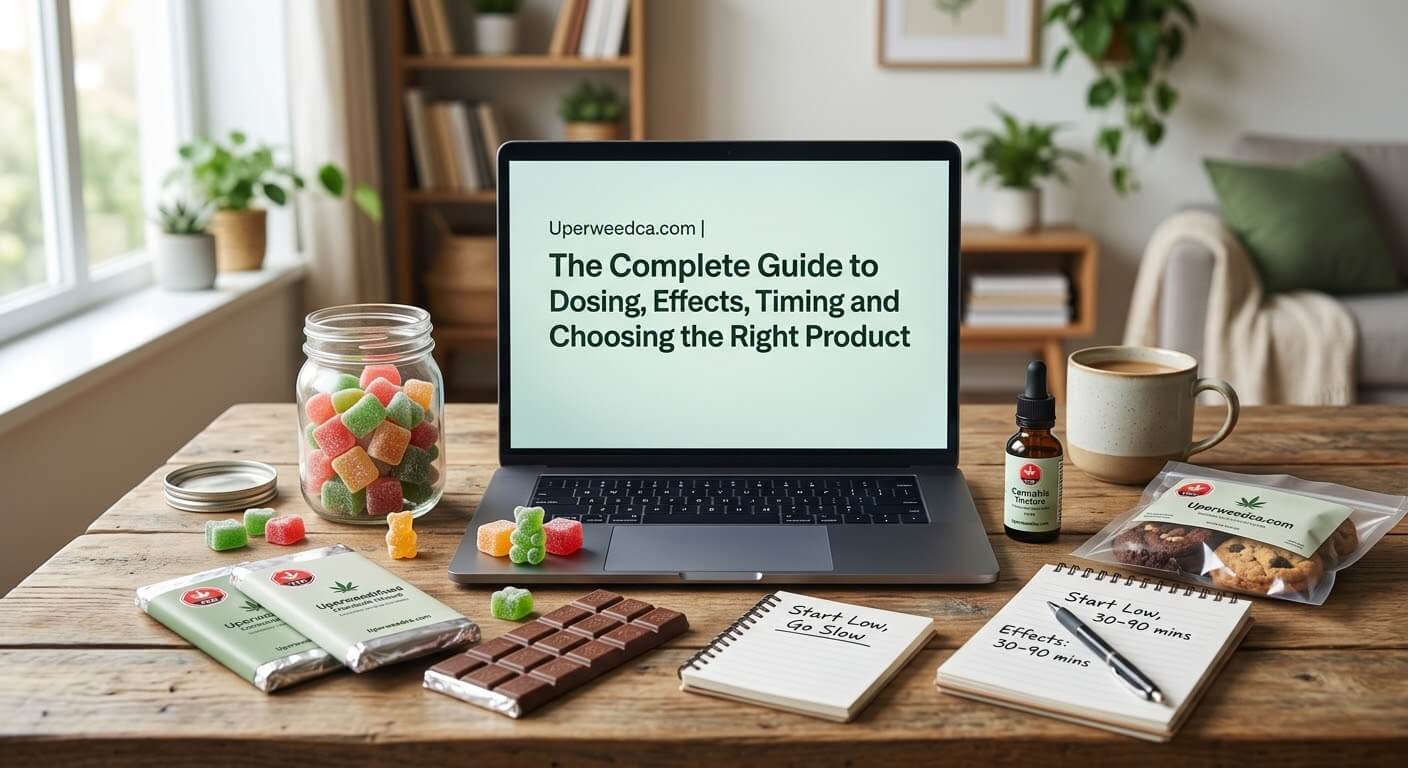
Different situations call for different edible approaches. Here’s a practical guide:
Movie Night or Netflix Session
Recommendation: 5–10mg THC Indica-dominant gummy, taken 60–90 minutes before the movie starts. The timing lets the peak effects align with the film. Indica promotes relaxation, enhances visual and audio perception, and makes snacks taste incredible. Have your snack game ready.
Social Gathering or Party
Recommendation: 2.5–5mg THC Sativa-dominant gummy, taken 45–60 minutes before arriving. Low dose keeps you functional, social, and elevated without impairment. Sativa leans toward energy and conversation rather than couch-lock. This is the “glass of wine” equivalent in edible form.
Outdoor Adventure — Hiking, Biking, Beach Day
Recommendation: 2.5–5mg THC Sativa or Hybrid gummy, taken at the start of the activity. Low dose enhances appreciation of nature, sensory details, and physical enjoyment without impairing coordination. Stay hydrated. Bring extra water and snacks — THC increases appetite and can contribute to dehydration, especially during physical activity.
Sleep and Insomnia
Recommendation: 5–15mg THC Indica-dominant gummy (ideally with CBN if available), taken 2–3 hours before your target bedtime. The peak sedation window should align with when you want to be falling asleep. Start at 5mg and increase only if needed — too high a dose can produce morning grogginess.
Pain Management
Recommendation: 5–15mg THC:CBD 1:1 edible, taken with food. The combination of THC and CBD provides both pain modulation and anti-inflammatory effects. Edibles are preferred for pain because the 4–8 hour duration covers more of the day or night than a single smoking session. Many patients take one dose in the morning and one in the evening.
Creative Work — Writing, Art, Music
Recommendation: 2.5–5mg THC Sativa-dominant gummy. Low dose can enhance pattern recognition, creative flow, and willingness to experiment without the cognitive fog that higher doses produce. Take it 30–60 minutes before starting your creative session.
Winding Down After a Long Day
Recommendation: 5–10mg THC Hybrid or Indica gummy, taken after dinner. Let the effects build while you handle evening routines, and settle into full relaxation on the couch or in bed. For Ottawa commuters who spend their evenings recovering from the 417 or 174 — this is the gummy’s natural habitat.
Edibles and Food — What You Eat Matters
What you eat before, with, and after consuming an edible affects your experience more than most people realize.
Before Taking an Edible
Eating a moderate meal first slows the absorption of THC, producing a more gradual, controlled onset. Meals with healthy fats (avocado, nuts, olive oil, cheese) can enhance THC absorption because THC is fat-soluble — it binds to fat molecules and is transported more efficiently through your digestive system.
Taking an edible on an empty stomach produces faster onset but the effects can be more intense and less predictable. For beginners, eating first is strongly recommended.
Foods That May Enhance Effects
Mangoes. Contain myrcene, a terpene also found in cannabis that may enhance THC’s effects and speed up onset. The science is preliminary, but many cannabis consumers swear by eating mango 30–60 minutes before their edible.
Dark chocolate. Contains anandamide, a natural compound that interacts with the same receptors as THC. Eating dark chocolate alongside a THC edible may slightly enhance the experience.
Fatty foods. Because THC is fat-soluble, consuming it with or after fatty foods improves absorption efficiency. This is one reason cannabis-infused butter and oil are such effective edible bases.
Foods That May Reduce Intensity
Black pepper. Contains beta-caryophyllene, a terpene that binds to CB2 receptors and may help counteract THC-induced anxiety. If you feel too high, try chewing a few black peppercorns or smelling ground pepper.
Pine nuts and pistachios. Contain pinene, a terpene that may help with mental clarity and counteract some of THC’s cognitive fog.
Lemon. Limonene, the terpene in citrus fruits, may help reduce anxiety and promote a calmer state. Lemon water or fresh lemon can help if an edible hits harder than expected.
How Long Do Edibles Last on the Shelf — Expiration and Freshness
Cannabis edibles don’t last forever. THC degrades over time, and the food component of edibles has its own shelf life.
Gummies: 6–12 months when stored properly in a cool, dark, airtight container. Gummies are the longest-lasting edible format because their sugar content and low moisture make them resistant to mold and bacterial growth. THC potency gradually decreases over months — a gummy that was 10mg when purchased may test at 7–8mg after six months of storage.
Chocolates: 3–6 months at room temperature, longer if refrigerated. Chocolate can bloom (develop white spots) in temperature fluctuations, which affects texture but not safety. THC content degrades similarly to gummies over time.
Baked goods: 3–7 days at room temperature, 2–4 weeks refrigerated, 2–3 months frozen. Baked goods have the shortest shelf life because their moisture content promotes spoilage. Freezing is the best long-term storage option for brownies and cookies.
Beverages: Check the expiration date on the packaging. Unopened, most cannabis beverages last 3–6 months. Once opened, consume within 1–3 days.
Capsules and tinctures: 12–18 months when stored properly. These are the most shelf-stable edible formats.
Signs an edible has gone bad: Off smell, visible mold, texture change (stale, hard, slimy), or taste that’s noticeably different from when it was fresh. When in doubt, throw it out.
Tip: Buy edibles in quantities you’ll consume within a reasonable timeframe. Fresh edibles taste better and deliver more consistent potency. Uper Weed restocks edibles regularly to ensure freshness — what you receive is recent inventory, not product that’s been sitting in a warehouse.
Edibles vs. Tinctures — Which Is Better for You
Both are smoke-free, discreet, and precisely dosed. But they work differently and suit different needs.
Onset time: Tinctures taken sublingually (under the tongue) kick in within 15–30 minutes because THC is absorbed through oral mucosa, partially bypassing digestion. Edibles take 30–120 minutes because they go through full digestion and liver metabolism. If you need faster effects without smoking, tinctures win.
Duration: Edibles typically last longer (4–8 hours) than tinctures (2–4 hours when taken sublingually, 4–6 hours when swallowed). For sustained effects — especially overnight for sleep — edibles have the advantage.
Taste: Edibles are available in flavoured formats (gummies, chocolates, beverages) that taste good. Tinctures have a distinct cannabis oil taste that some people dislike, though flavoured tinctures are available.
Dosing precision: Both are precisely dosed — tinctures via dropper markings, edibles via per-piece labelling. Tinctures offer slightly more granular control because you can measure exact millilitre amounts.
Discretion: Both are highly discreet. Tinctures look like any supplement. Edibles look like regular candy or snacks. Neither produces smoke or smell.
Best for beginners: Edibles — specifically gummies — are the easiest entry point because they’re familiar (you just eat them), clearly dosed, and widely available. Tinctures require learning how to dose with a dropper and hold liquid under your tongue, which is slightly less intuitive.
Cannabis Edibles and Canadian Law
Cannabis edibles have been legally available in Canada since October 2019 — one year after flower, concentrates, and other products were legalized. Key rules:
Legal purchase age: 19 in Ontario and most provinces. 21 in Quebec. 18 in Alberta.
Regulated packaging: Licensed cannabis edibles in Canada are limited to 10mg of THC per package. This is a government regulation designed for safety. Some edibles from non-licensed sources may contain higher THC content per package.
Consumption rules: Same as all cannabis — cannot consume in vehicles, workplaces, enclosed public spaces, schools, or hospitals. Private residences and many outdoor public spaces (where tobacco smoking is permitted) are generally allowed.
Delivery: Edibles can be legally delivered in Ontario and across Canada through compliant retailers and delivery services.
How to Make Cannabis Edibles at Home

If you want to make your own edibles, you need to understand one critical step that most beginners skip: decarboxylation.
What Is Decarboxylation and Why It Matters
Raw cannabis flower contains THCA — the acidic, non-psychoactive precursor to THC. When you smoke or vape flower, heat instantly converts THCA to THC. But when making edibles, you need to perform this conversion before infusing the cannabis into food.
Without decarboxylation, your edibles won’t produce psychoactive effects — no matter how much cannabis you add. This is the most common reason homemade edibles “don’t work.”
How to Decarboxylate Cannabis
- Preheat your oven to 240°F (115°C).
- Break your cannabis flower into small pieces (don’t grind too fine — you’ll filter it out later).
- Spread the pieces evenly on a baking sheet lined with parchment paper.
- Bake for 30–40 minutes, stirring gently halfway through.
- The cannabis should look slightly toasted and golden — darker than when it went in, but not brown or burnt.
- Remove from oven and let it cool completely.
Your decarboxylated cannabis is now “activated” and ready for infusion.
Making Cannabis Butter (Cannabutter)
Cannabis butter is the most versatile base for homemade edibles — it can be used in virtually any recipe that calls for butter.
- Melt 1 cup of butter in a saucepan on low heat.
- Add your decarboxylated cannabis (7–10 grams for a moderate batch).
- Add 1 cup of water (this helps regulate temperature and prevents the butter from scorching).
- Simmer on low heat (never boiling) for 2–3 hours, stirring occasionally.
- Strain the mixture through cheesecloth into a container, squeezing gently to extract as much butter as possible.
- Refrigerate until the butter solidifies. The water will separate to the bottom — drain it off.
- Your cannabutter is ready to use in any recipe.
Dosing Homemade Edibles
Dosing homemade edibles is less precise than commercial products. A rough calculation:
If your flower is 20% THC and you use 7 grams (7,000mg of flower × 20% = 1,400mg total THC potential), and the infusion captures roughly 60–80% of that THC, your batch of cannabutter contains approximately 840–1,120mg of THC.
If you divide that butter into 20 cookies, each cookie contains roughly 42–56mg of THC — which is a strong dose. Adjust your flower amount based on your desired dosage per serving.
Critical tip: Homemade edibles are inherently less consistent than commercially produced gummies. THC distribution may not be perfectly even throughout a batch of butter or a pan of brownies. Start with a small portion, wait the full 2 hours, and adjust.
Common Edible Myths — Debunked
“Edibles don’t work on me”
This is almost never true. More likely: the dose was too low, the edible wasn’t properly decarboxylated (especially homemade), or you didn’t wait long enough. Some people have naturally higher liver enzyme activity that metabolizes THC faster, requiring a slightly higher dose — but true non-responsiveness to edibles is extremely rare.
If you’ve tried edibles and felt nothing, try a slightly higher dose (increase by 2.5mg from your last attempt) on an empty or semi-empty stomach and wait the full 2 hours.
“More is better”
The opposite is true with edibles. More often leads to an unpleasant experience. The sweet spot exists for every person — and it’s usually lower than people expect. Finding your ideal dose through gradual experimentation is the path to consistently enjoyable edible experiences.
“You can’t green out from edibles”
You absolutely can. “Greening out” — nausea, dizziness, anxiety, pale skin, sweating — is most commonly caused by consuming too much THC too quickly. Edibles are actually the most common cause of greening out because the delayed onset leads people to consume more before the first dose kicks in.
“Edibles hit everyone the same”
Genetics, metabolism, body composition, recent food intake, tolerance, and even gut health all affect how your body processes edible THC. Two people can take the same 10mg gummy and have very different experiences. This is why individual dose-finding matters more than following anyone else’s dosing.
“You need a high dose to feel anything”
Many people — especially new cannabis consumers — feel clear effects from as little as 2.5mg. Starting low isn’t “wasting” edibles; it’s finding your floor so you can build up to your ideal dose without overshooting it.
“Eating more food reduces the high”
Partially true. Eating food after consuming an edible can slightly reduce the intensity of effects for some people by slowing absorption. But it won’t eliminate the high if you’ve taken a significant dose. Food helps ground the experience — it doesn’t cancel it.
Edible Tolerance — What to Know
Regular edible consumption builds THC tolerance, similar to smoking — but the mechanism is slightly different because of the 11-hydroxy-THC pathway.
How tolerance builds. With repeated exposure, your CB1 receptors (the brain receptors THC binds to) become less responsive. You need more THC to achieve the same effect. This happens faster with daily high-dose consumption.
Signs your tolerance is increasing. Your usual dose produces weaker effects. You’re taking edibles more frequently. You’re increasing your dose to chase the same experience.
Tolerance breaks work. Even a short break (48–72 hours) allows your receptors to begin recovering sensitivity. A 1–2 week break produces a more significant reset. Many regular edible users plan tolerance breaks monthly to maintain the effectiveness of their preferred dose.
Cross-tolerance with smoking. Tolerance to smoked THC and edible THC are related but not identical — because edibles produce 11-hydroxy-THC, which interacts with your receptors differently. Some heavy smokers find edibles still hit them surprisingly hard, while others with high smoking tolerance also have high edible tolerance.
Rotation strategy. Using different types of cannabis products (flower some days, edibles other days, concentrates occasionally) rather than the same format every session can help moderate tolerance buildup across all methods.
Edibles for Medical Cannabis Users
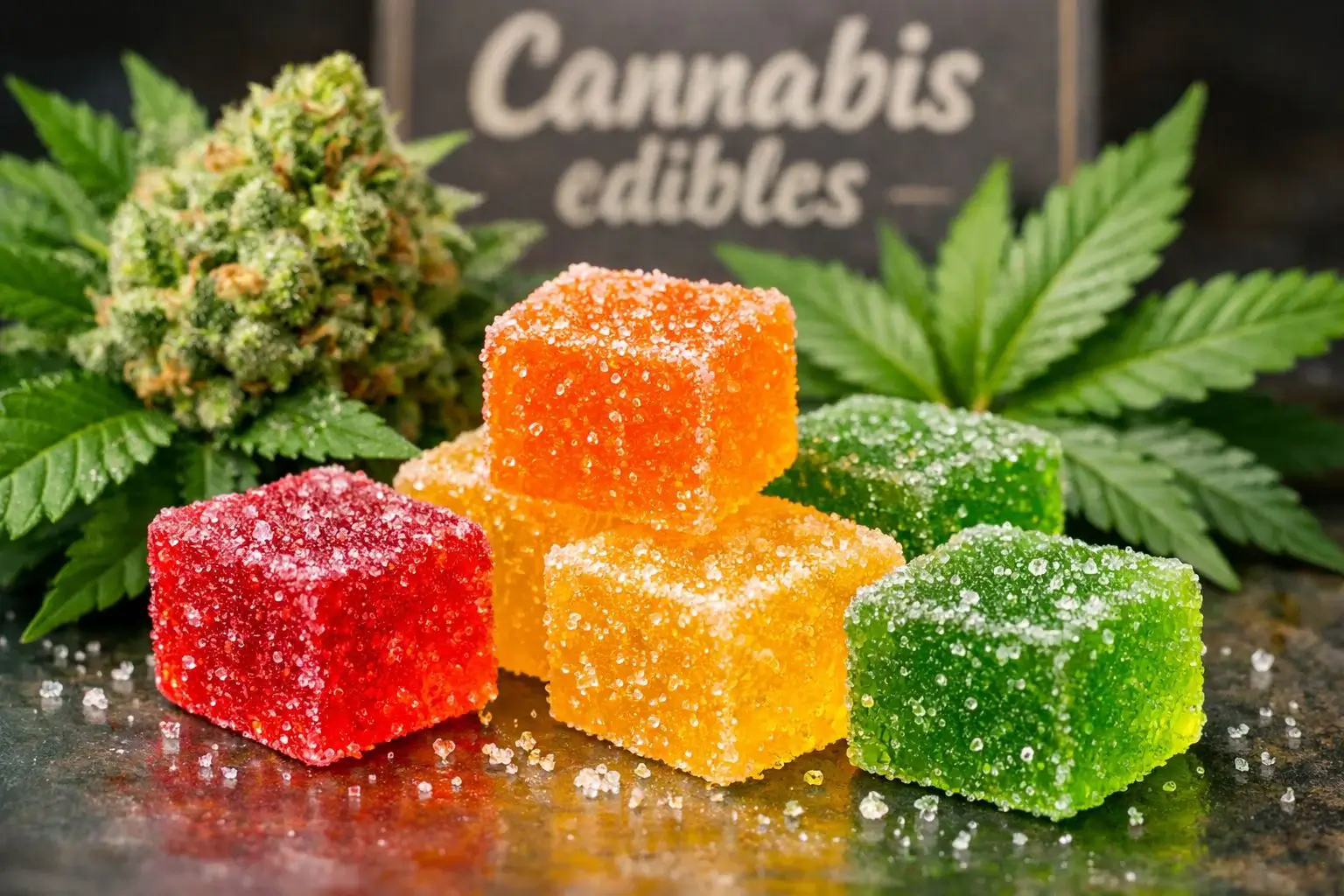
Edibles are one of the most popular consumption methods for medical cannabis patients — and for good reason.
Sustained relief. The 4–8 hour duration of edible effects provides extended symptom management compared to smoking (1–3 hours). For chronic pain, inflammation, spasticity, and sleep issues, this extended duration means fewer doses needed throughout the day.
Precise dosing. Commercial edibles with clearly labelled milligram content allow patients to maintain consistent, reproducible doses — critical for medical use where dosage consistency directly affects symptom management.
Lung health. Patients with respiratory conditions, lung sensitivity, or general concerns about smoke inhalation can consume cannabis through edibles without any lung exposure.
Discreet consumption. Medical cannabis patients may need to consume at work, in social settings, or during travel. Edibles produce no smell, no smoke, and look like regular food or supplements.
Common medical uses for edibles in Canada:
- Chronic pain management (arthritis, fibromyalgia, nerve pain, back pain)
- Insomnia and sleep disorders
- Nausea and appetite stimulation (including chemotherapy-related)
- Anxiety and PTSD symptom management (careful dosing required)
- Muscle spasticity (MS, spinal cord injuries)
- Inflammatory conditions
Dosing for medical use typically starts at the same 2.5–5mg level as recreational use, then titrates upward based on symptom response and healthcare provider guidance.
Edibles in Ottawa and Gatineau — Local Context
Ottawa and Gatineau have a growing edibles market, but the reality is that most local dispensaries carry a limited selection — often the same few OCS-distributed gummy brands at standard retail pricing.
For Ottawa and Gatineau residents who want more variety, better pricing, and access to products beyond the standard government retail pipeline, delivery services like Uper Weed carry a broader edibles selection including THC gummies at various dosage levels, chocolates, and specialty products.
Delivery advantage for edibles: Edibles don’t require any accessories, preparation, or ventilation. A gummy arrives at your door and is ready to consume immediately. No grinder, no rolling papers, no pipe, no smoke — just open the package and eat.
For consumers in suburban Ottawa neighbourhoods like Kanata, Orleans, Barrhaven, Nepean, and Stittsville — where the nearest dispensary might be a significant drive — edible delivery is especially practical. No driving to the store, no parking, no browsing limited selection. Browse the full edibles menu online, order from your couch, and receive your gummies same-day.
For Gatineau, Hull, and Aylmer residents: legal purchase age in Quebec is 21 (not 19 like Ontario). Same-day delivery available.
How Much Do Edibles Cost in Canada
THC gummies (standard packages): $8–$20 per package, typically containing 2–10 pieces with a total of 10mg THC (regulated limit for licensed Canadian products) or higher for non-regulated products.
Premium gummies and specialty edibles: $15–$35 per package for products with higher total THC content, specific cannabinoid ratios (THC:CBD, THC:CBN), or premium ingredients.
Chocolates: $10–$25 per bar or package, depending on THC content and quality.
Beverages: $5–$15 per drink, typically low-dose (2.5–10mg THC per serving).
Cost per dose: At typical pricing, each 5mg dose of a quality gummy costs roughly $2–$5 — comparable to or less than a single beer, glass of wine, or cocktail, with effects that last significantly longer.
Bulk and value options: Many suppliers offer discounts on multi-package purchases. Uper Weed carries edibles with competitive pricing — browse the menu at uperweedca.com or call/text 613-614-9596 for current selection and pricing.
Frequently Asked Questions — Cannabis Edibles and THC Gummies
How long do edibles take to kick in?
Typically 30 minutes to 2 hours, depending on the type of edible, your metabolism, and whether you’ve eaten recently. Gummies and chocolates average 30–60 minutes. Baked goods can take 45–90 minutes. Beverages often kick in within 15–45 minutes.
How long do edible effects last?
Primary effects last 4–8 hours. Higher doses can produce effects lasting up to 12 hours. Residual effects (mild grogginess) may persist into the following morning with higher doses.
How many mg of edibles should a beginner take?
Start with 2.5–5mg of THC. Wait at least 2 hours before considering more. You can always take another dose — you can’t undo one that’s already been consumed.
Can you overdose on edibles?
You cannot fatally overdose on THC. However, taking too much produces uncomfortable effects — anxiety, nausea, dizziness, paranoia, rapid heartbeat. These symptoms are temporary and typically peak within 1–2 hours before gradually subsiding.
What’s the difference between THC and CBD edibles?
THC produces psychoactive effects (the “high”). CBD is non-intoxicating and is associated with relaxation, anti-inflammatory properties, and anxiety reduction without a high. Many edibles combine both in various ratios.
Are edibles stronger than smoking?
Per milligram, yes. Your liver converts THC into 11-hydroxy-THC — a more potent metabolite — during digestion. A 10mg edible typically produces a stronger and longer-lasting experience than inhaling 10mg of THC.
What should I eat before taking edibles?
A moderate meal with some fat content is ideal. Eating before consumption slows onset but produces a more controlled, predictable experience. Taking edibles on an empty stomach can produce faster but more intense and less predictable effects.
Can I drive after taking edibles?
No. Edibles impair coordination, reaction time, and judgment. Do not drive or operate machinery after consuming cannabis edibles. In Canada, any detectable cannabis impairment while driving can result in criminal charges.
What types of edibles are available?
THC gummies, chocolates, baked goods (brownies, cookies), beverages, hard candies, lozenges, capsules, and tinctures. Gummies are the most popular format due to consistent dosing and convenience.
How should I store edibles?
In a cool, dark place in their original sealed packaging. Keep away from heat and direct sunlight, which can degrade THC potency. Always store out of reach of children and pets — edibles often resemble regular candy or snacks.
Can I buy edibles for delivery in Ottawa?
Yes. Uper Weed carries THC gummies, chocolates, and other edibles for same-day delivery in Ottawa and Gatineau. Browse the full edibles menu at uperweedca.com or call/text 613-614-9596.
Can I order edibles online and have them shipped across Canada?
Yes. Uper Weed ships edibles and all cannabis products to every province and territory in Canada. Vacuum-sealed, discreet packaging. Full tracking. Free shipping on orders over $100.
What are the best edibles for sleep?
Indica-dominant gummies or capsules with THC, ideally combined with CBN for enhanced sedation. Take 2–3 hours before bed. Start at 5–10mg and adjust based on your experience.
What’s the best edible for a first-timer?
A 2.5mg THC gummy in a Hybrid or balanced THC:CBD formulation. Low dose, easy to cut in half, predictable onset, manageable effects. Wait 2 full hours before considering a second dose.
Can I mix edibles with alcohol?
We recommend against it, especially for inexperienced users. Alcohol enhances THC absorption into the bloodstream, which can amplify the intoxicating effects unpredictably. Many cases of greening out involve combining cannabis edibles with alcohol. If you do combine them, reduce your dose of both significantly.
Do edibles affect everyone the same way?
No. Genetics, metabolism, body weight, recent food intake, tolerance, gut health, and even your current mood all influence how an edible affects you. Two people can take the same 10mg gummy and have completely different experiences. Individual dose-finding through gradual experimentation matters more than following anyone else’s number.
How do I know when edibles have kicked in?
The onset is more gradual than smoking. You might notice a shift in body sensation — warmth, relaxation, a feeling of heaviness. Your mood may lift. Colours may appear slightly more vivid. Music may sound different. The shift is subtle at first and builds over the next 30–60 minutes after initial onset. If you’re not sure whether you feel it yet, wait another 30 minutes before taking more.
Can I take edibles on a plane within Canada?
Cannabis is legal across Canada, and you can travel with cannabis (including edibles) on domestic flights. Possession limits apply (30 grams of dried cannabis equivalent). However, cannabis cannot be taken across any international border — including into the United States — regardless of legalization status in the destination.
Is it safe to give cannabis edibles to pets?
No. THC is toxic to dogs and cats. Even small amounts can cause serious symptoms including lethargy, loss of coordination, vomiting, low heart rate, and in severe cases, seizures. If a pet consumes a cannabis edible, contact a veterinarian immediately. Always store edibles completely out of reach of animals.
How long do edibles stay in your system for a drug test?
THC from edibles can be detected in urine for 3–30 days depending on frequency of use, dose, metabolism, and body fat percentage. Occasional users may test clean within a week. Daily users may test positive for 30 days or more after their last dose.
What’s the difference between full-spectrum and isolate edibles?
Full-spectrum edibles contain the full range of cannabinoids and terpenes from the cannabis plant — THC, CBD, CBN, CBG — working together in what’s sometimes called the “entourage effect.” Isolate edibles contain only pure THC or pure CBD. Full-spectrum products are generally considered to produce a more well-rounded experience.
Why do edibles sometimes hit harder than expected?
Several factors amplify edible effects: taking them on an empty stomach, consuming with alcohol, having a naturally slow metabolism that produces more 11-hydroxy-THC, or simply taking a dose higher than your tolerance supports. This is why starting low and waiting the full 2 hours matters every single time.
What’s the difference between Indica and Sativa edibles?
Indica-infused edibles tend toward body relaxation, sedation, and sleep support — better for evening use. Sativa-infused edibles lean toward mental energy, creativity, and mood elevation — better for daytime. Hybrid edibles aim for balanced effects. The strain used in the extraction determines the edible’s effect profile.
Can I buy edibles in bulk for better pricing?
Yes. Many suppliers offer multi-package discounts. Uper Weed carries edibles with competitive pricing and bulk options. Call/text 613-614-9596 for current availability and multi-unit pricing.
Are homemade edibles as good as store-bought?
Homemade edibles can be excellent, but dosing is significantly less precise. Commercial edibles are manufactured with consistent THC distribution and clearly labelled milligram content. Homemade batches may have uneven THC distribution — one brownie might be twice as strong as another from the same pan. If you make edibles at home, calculate your total THC content carefully and start with small portions.
What edibles does Uper Weed carry?
THC gummies in multiple flavours and dosage levels, THC chocolates, and other infused products. We carry THC-dominant, CBD-dominant, and balanced formulations. Browse the full selection at uperweedca.com. Same-day delivery in Ottawa and Gatineau. Mail order across Canada. $5 off your first order. Free delivery on orders over $100.
Buy Cannabis Edibles and THC Gummies — Same-Day Delivery Ottawa & Gatineau, Mail Order Canada
Why Customers in Ottawa Choose Uper Weed for Edibles
The edible selection at most Ottawa and Gatineau dispensaries is limited — a few OCS-distributed gummy brands at standard retail pricing. For consumers who want variety, specific formulations (THC-dominant, CBD-dominant, balanced, sleep-focused, energy-focused), and competitive pricing, delivery from Uper Weed provides access to a broader selection without driving to multiple stores.
Every edible on our menu has been reviewed for quality, consistent dosing, and taste. We don’t carry products that taste terrible or dose inconsistently — because an edible you don’t enjoy eating or can’t trust to deliver the same experience twice isn’t worth stocking.
What We Carry
THC gummies in multiple flavours, dosage levels, and formulations — including THC-dominant for recreational use, CBD-dominant for therapeutic benefits, and balanced THC:CBD ratios. THC chocolates. Specialty infused products. Options for beginners (low dose, easy to split) and experienced consumers (higher potency).
We also carry the full range of cannabis products beyond edibles — hundreds of flower strains from AA to AAAAA+, concentrates (shatter, live resin, wax, hash), vapes and cartridges, and pre-rolls. Whether edibles are your primary method or part of a rotation that includes flower and concentrates, we supply everything from one source.
How to Order
Same-day delivery across Ottawa and Gatineau — every neighbourhood from downtown to Kanata, Orleans, Barrhaven, Nepean, Vanier, Gloucester, Alta Vista, Stittsville, Hull, Aylmer, and all surrounding areas. 9am - 9pm, 7 days a week.
Canada-wide mail order to every province and territory. Vacuum-sealed, discreet, tracked shipping. Free on orders over $100. Most orders arrive in 2–5 business days.
$5 off your first order. Interac e-Transfer payment.
Visit uperweedca.com or call/text 613-614-9596.
Whether you’re trying your first 2.5mg gummy, restocking your go-to sleep gummies, or exploring new edible formats — Uper Weed delivers.