 %
%
 %
%
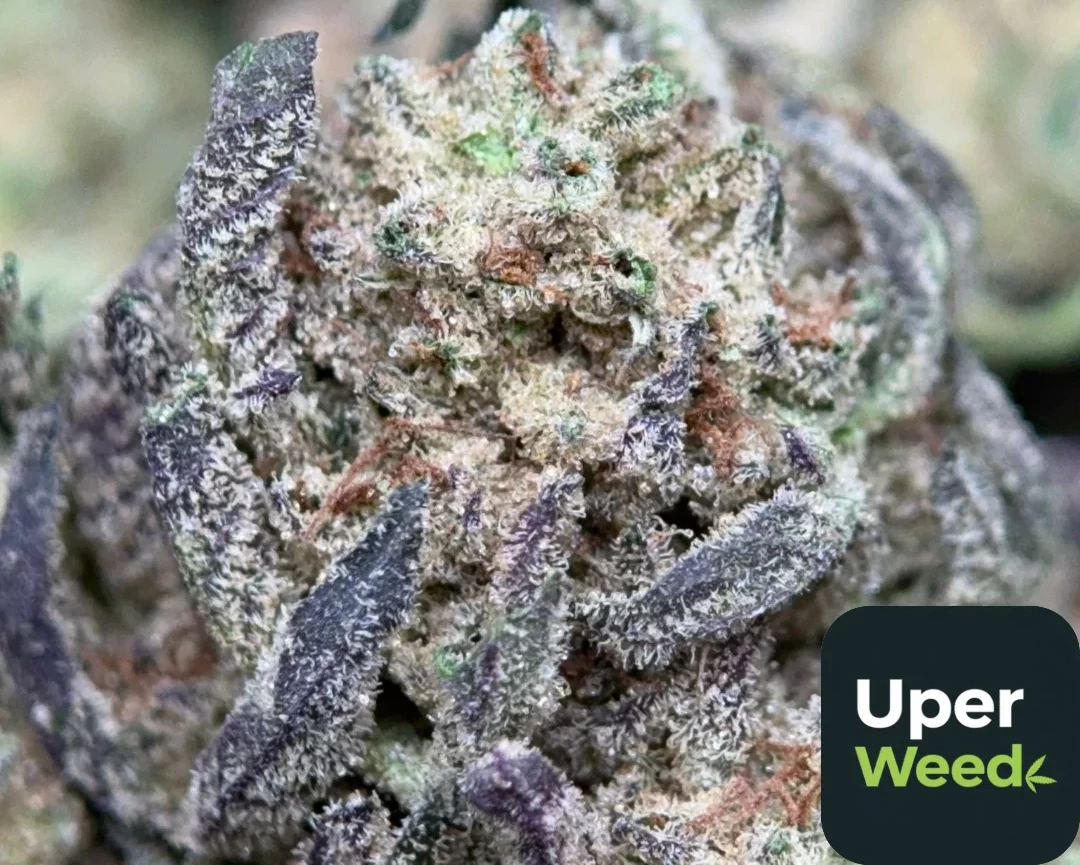
Walk into any weed dispensary or browse an online cannabis store in Canada and you'll notice the conversation has moved past THC and CBD percentages, and into cannabis terpenes. But what are cannabis terpenes and why do they matter, you ask? The short answer is that cannabis terpenes are aromatic compounds that make up a strain's scent and flavour. They are now front and centre on labels and a huge factor when it's time to decide what weed strain you're choosing for the day. This is the ultimate guide to what terpenes are, how they work, and how to use them to shop smarter.
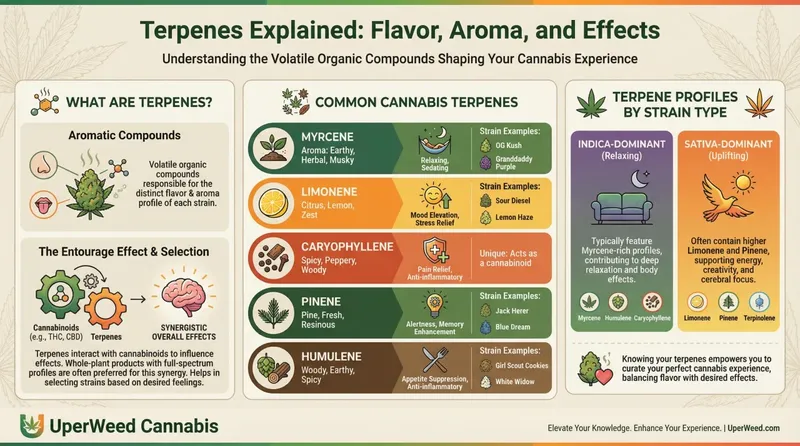
What Are Cannabis Terpenes?
Terpenes are naturally occurring aromatic compounds produced by a huge range of plants (not just cannabis). They're the citrus snap of a lemon (limonene), the sharp freshness of a pine forest (pinene), and the soft floral note of lavender (linalool). In cannabis, terpenes are made in the plant's resin glands which are the same trichomes that produce cannabinoids like THC and CBD.
Chemically, terpenes are hydrocarbons built from isoprene units (C5H8), forming structures grouped into monoterpenes, sesquiterpenes and beyond depending on how many units are involved. That structure (and the exact blend of dozens of terpenes at once) is what gives every cannabis strain its signature.
How Do Terpenes Work in Weed?
Ever wondered why one weed strain leaves you bright and chatty while another sinks you into the couch? Well, THC is only part of the story, as terpenes shape the character too. They do two main jobs in the plant and one big one for you.
In the plant, terpenes are protective (they deter pests and cope with environmental stress) and sensory (they create each strain's aroma and flavour). For the consumer, they shape the overall character of the experience; they mean the difference between a bright, zesty profile and a heavy, earthy one. More than 100 different terpenes have been identified in cannabis, each appearing in different concentrations depending on genetics, growing conditions and curing.
The Entourage Effect
The entourage effect is one of the most talked-about concepts in cannabis. The idea: cannabis compounds (cannabinoids and terpenes together) shape the overall experience as a group rather than working in isolation. It's the most popular explanation for why two strains with identical THC numbers can smell, taste and feel so different. According to a study in Frontiers in Pharmacology, terpenes may modify how THC binds to cannabinoid receptors, influencing the overall impact on the body.
What the Research and Regulators Say
Terpene science is still new, but the interest is real and growing. Cannabis researcher Dr. Ethan Russo's well-known work Taming THC (2011) describes terpenes as having complementary pharmacological effects when present alongside cannabinoids like THC and CBD — a foundation for much of today's entourage-effect discussion. And according to Health Canada's guidance for health care professionals, terpenes are recognized for their complementary roles in managing symptoms without increasing THC dosage. For everyday shoppers, the practical takeaway is simpler: the terpene profile is a meaningful part of what type of weed you're choosing, not an afterthought to the THC number.
Terpenes vs. Cannabinoids
It's easy to lump them together, but they're distinct:
-
Cannabinoids (THC, CBD and others) are the compounds most associated with cannabis's primary effects.
-
Terpenes are the aromatic compounds that define scent and flavour and round out a strain's overall character.
Both are made in the same resin glands, and both show up on a good label which is why terpene profiling has become central to how strains are described and classified.
Common Cannabis Terpenes
A handful of terpenes show up again and again. Here's the connoisseur's shortlist, by aroma:
|
Terpene |
Aroma / Flavour |
Often found in |
|---|---|---|
|
Myrcene |
Earthy, musky, clove |
Indica-leaning strains like Granddaddy Purple |
|
Limonene |
Bright citrus, lemon peel |
Zesty strains like Super Lemon Haze |
|
Pinene |
Fresh pine, forest |
Jack Herer, Chemdawg |
|
Caryophyllene |
Spicy, peppery |
Girl Scout Cookies, Bubba Kush |
|
Linalool |
Floral, lavender |
LA Confidential |
|
Terpinolene |
Pine-citrus, herbal |
Super Lemon Haze, Durban Poison |
No lab report handy? Trust your nose. Citrus points to limonene, earthy and musky is myrcene, sharp pine is pinene, and a soft floral note means linalool. Your senses are a real shortcut to a strain's profile.
Take Jack Herer for example, a pine-forward, terpinolene-and-pinene strain that smells as bright as it reads on a label.
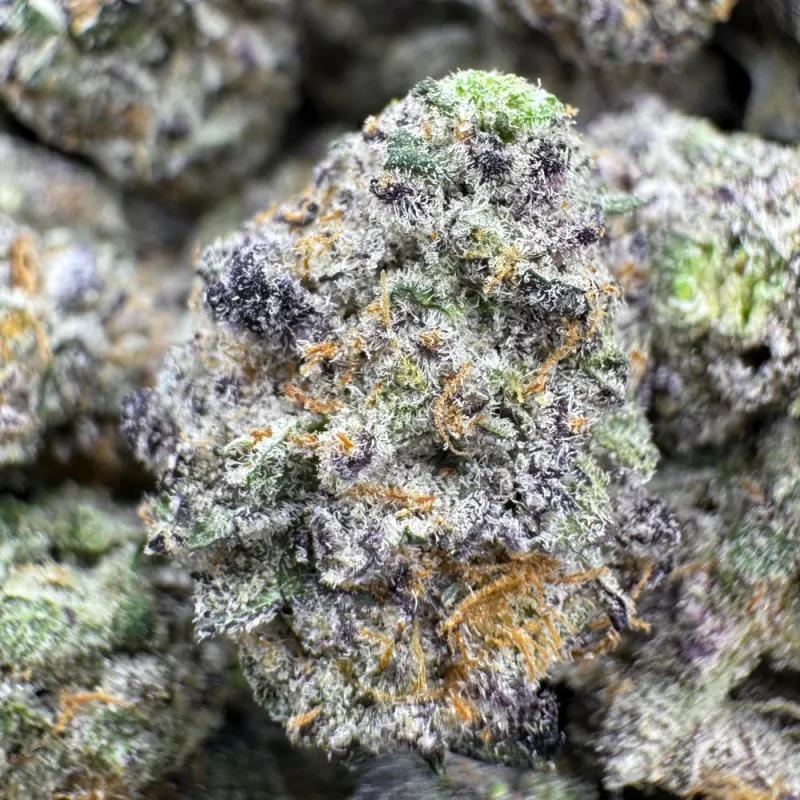
Jack Herer
Legendary sativa with uplifting, creative high. Pine-citrus flavour, 34.50% THC. Perfec...
Or Blue Dream, a myrcene-leaning classic whose berry-herbal nose tells you exactly what kind of character to expect before the bag's even open.
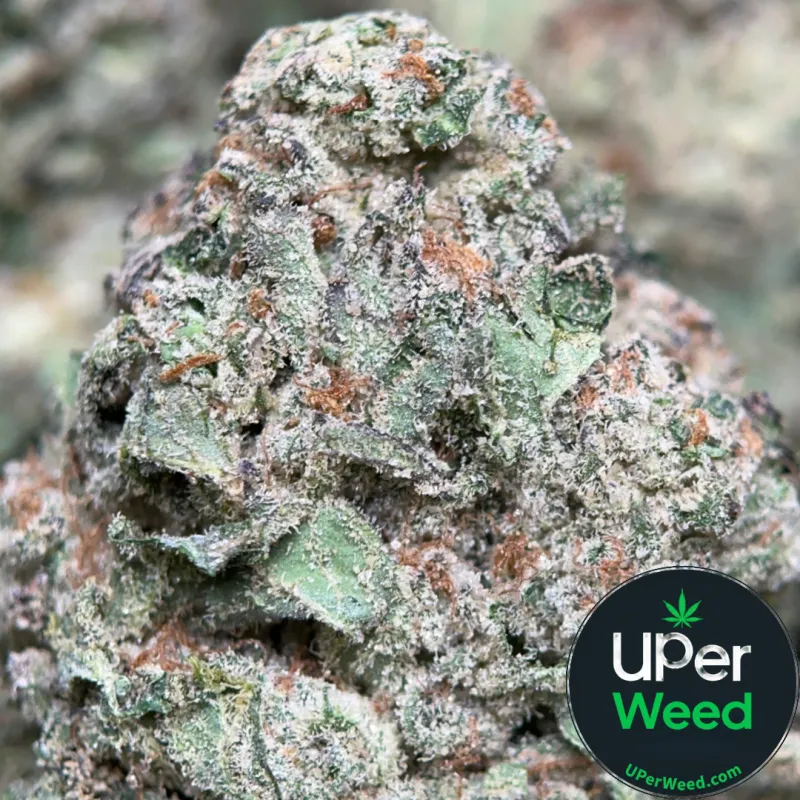
Blue Dream
Uplifting 60/40 sativa with sweet blueberry flavour, cerebral buzz, and gentle relaxati...
Why Do Different Weed Strains Have Unique Terpene Profiles?
A strain's cannabis terpenes fingerprint comes from three things working together:
Genetics (chemotype). Each plant has a chemical baseline set by its genetics. Research on cannabis terpene biosynthesis maps how specific genes drive which terpenes a plant can produce. Breeders cross strains specifically to push certain aromatic profiles, like how OG Kush leans limonene and myrcene and Super Lemon Haze leans terpinolene and limonene.
Environment (phenotype expression). Genetics set the potential; growing conditions decide how much of it shows up. Light (especially UV), soil and nutrients, temperature, humidity and even pest pressure all shift cannabis terpene output. For example, stressed plants often produce more cannabis terpenes as a defence.
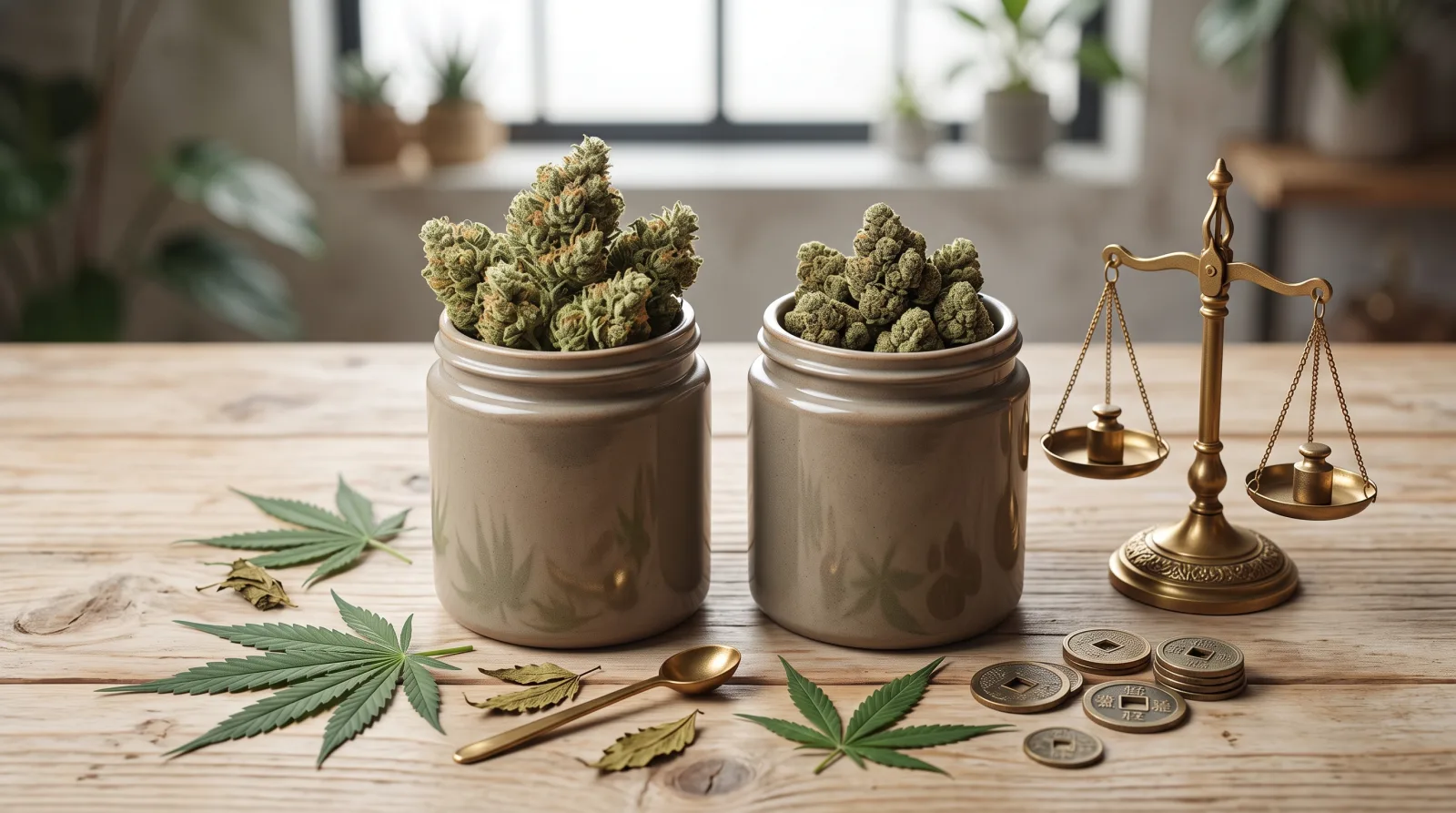
Harvest and curing matter too. Terpenes are volatile (heat and light evaporate them). Over-drying or overheating destroys them; slow, low-temperature curing preserves the full profile. This is exactly why craft weed growers obsess over drying and curing, and why fresh, well-cured flower smells so much louder in the jar.
|
Factor |
Impact on terpenes |
|---|---|
|
Genetics |
Sets the potential profile |
|
Environment |
Modifies expression via external stress |
|
Harvest timing |
Determines terpene maturity |
|
Curing technique |
Preserves or loses terpene content |
Cannabis Terpenes vs. Botanical Terpenes
On product labels you'll see cannabis terpenes described as either cannabis-derived or botanical and the difference matters:
-
Source. Cannabis terpenes are extracted from cannabis and keep a strain's full, complex profile. Botanical terpenes come from other plants (citrus peel, pine, lavender); chemically similar but usually simpler.
-
Consistency & cost. Botanical terpenes are cheaper and easier to blend in precise ratios, which is why they show up in many infused products. Cannabis-derived terpenes carry minor compounds that add complexity, but they cost more and yield less.
-
Character. Cannabis-derived terpenes are generally considered the more "full-spectrum" option; botanical terpenes trade some nuance for purity and consistency.
|
Feature |
Cannabis terpenes |
Botanical terpenes |
|---|---|---|
|
Source |
Cannabis plant only |
Many plant sources |
|
Cost |
Higher |
Lower |
|
Complexity |
High (minor compounds included) |
Simpler, purer |
|
Common use |
Premium extracts, live resin |
Some vapes, infused products |
How to Identify the Terpenes in Your Strain
You don't need a lab to start reading cannabis terpenes, though the lab helps:
-
Check the label. Many licensed Canadian producers list dominant terpenes and a total terpene percentage (typically 0.5–3%).
-
Read the Certificate of Analysis (CoA). Legal sources like Uper Weed make lab data available; look at the terpene chart and total percentage.
-
Use your nose. Citrus = limonene, earthy/musky = myrcene, pine = pinene, floral = linalool.
-
Cross-check strain databases. Tools like Leafly, or Uper Weed's own strain listings, show typical profiles by strain name.
-
Ask. Our Uper Weed team can talk you through a strain's profile the same way a good budtender would.
Pick your goal first — bright and zesty, or heavy and earthy, then read the top two or three terpenes on the label and match the aroma to the mood. It's a far better predictor of character than the THC number alone.
How Terpene Profiles Are Tested & Classified in Canada
In Canada's regulated cannabis market, terpene testing is increasingly standard on premium products. Licensed producers use gas chromatography–mass spectrometry (GC-MS) to isolate and measure terpenes, often down to 0.01%. The commonly reported terpenes include myrcene, limonene, caryophyllene, pinene, linalool, terpinolene, ocimene, humulene, eucalyptol and nerolidol.
According to Health Canada regulations, terpene content may be displayed on product labels, especially for medical cannabis. While not mandatory, terpene reporting is encouraged under the Cannabis Act (Bill C-45) and the Consumer Packaging and Labelling Act. When you shop, look for a terpene profile or a QR code linking to batch-specific lab results, the dominant terpenes listed in descending order, and a total terpene percentage.
A Note on Rare Terpenes: Selinadiene
Beyond the headline terpenes, there are dozens of minor ones like selinadiene, a group of sesquiterpenes (alpha- and beta-selinadiene) also found in plants like celery and turmeric. It carries woody, earthy, faintly spicy notes and tends to play a supporting role, rounding out sharper or fruitier aromas. It's rare, usually a trace component, and research on it is still early but it's a good example of the chemical diversity that makes each strain unique. Always check a lab report to confirm minor terpenes like this.
Can You Add Terpenes to Cannabis?
Yes you can add terpenes to cannabis... carefully. Added terpenes can restore aroma to dry flower or reshape a flavour profile, and many infused cartridges use botanical terpenes to recreate strain-like taste. A few ground rules: never use raw, undiluted terpenes (they're highly concentrated), only use food-grade products from licensed sources, and follow Health Canada rules on additives. Used modestly and safely, terpene enhancement can be rewarding; overdone, it just leads to harshness.
Where to Buy Terpene-Rich Weed in Canada
If terpenes are what you're after, shop for them on purpose:
-
Favour full-spectrum or "live" products: live resin, live rosin and full-spectrum extracts retain more of the original profile.
-
Buy from legal, lab-tested sources: provincial stores and trusted online retailers like Uper Weed publish terpene data and batch results.
-
Check the numbers: terpene percentage (0.5–3% is typical), the dominant terpene names, and a batch-specific CoA or QR code.
Live resin is the connoisseur's pick for big, intact profiles; extracted from fresh-frozen flower so the aromatics survive.
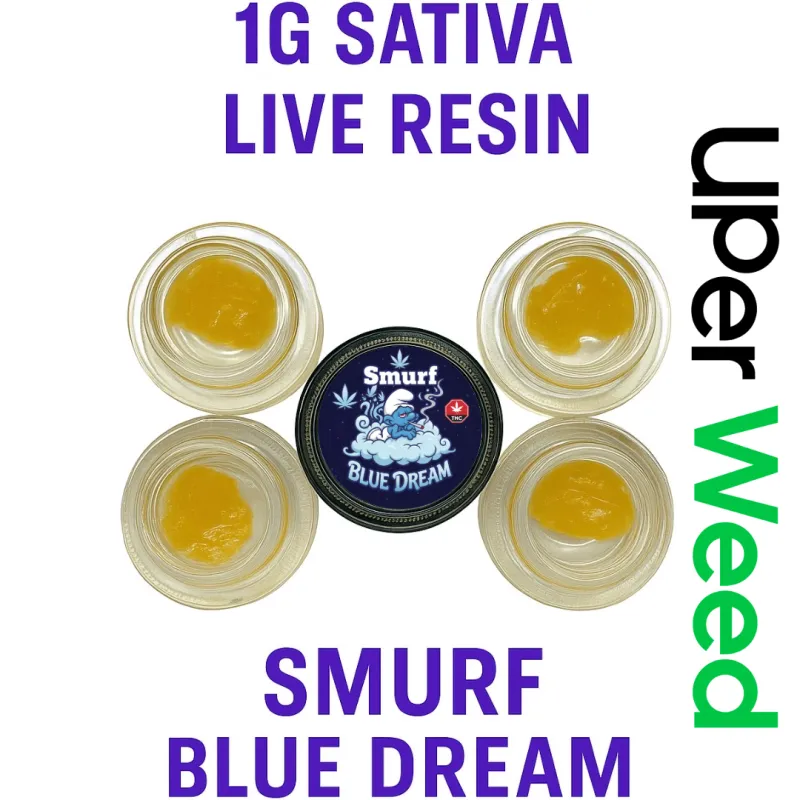
Smurf Blue Dream - Live Resin (Sativa)
Premium sativa live resin with sweet blueberry-citrus flavour and energizing, euphoric ...
Browse a few terpene-forward options to start:
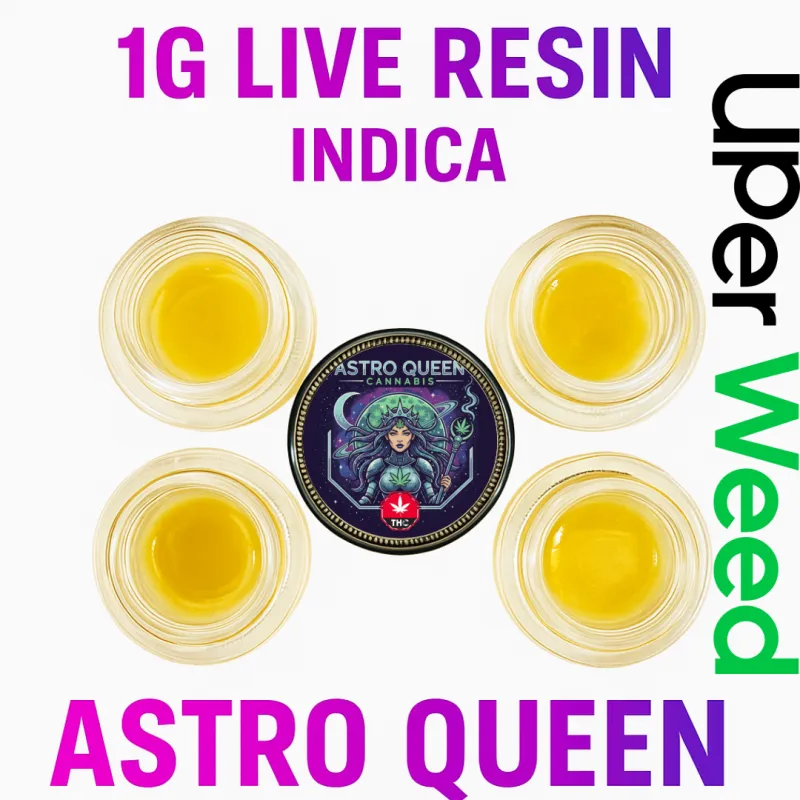

Live resin and well-cured craft flower are your best bets for big, intact profiles; most edibles, by contrast, carry little to no terpene content because processing strips them out.
Preserving Terpenes: Storage and Consumption Tips
Terpenes are volatile compounds that degrade when exposed to heat, light, and air. To preserve the full aromatic and therapeutic potential of your cannabis:
- Store in airtight containers: Mason jars or specialized cannabis containers work best
- Keep away from light: UV rays break down terpenes quickly—use opaque containers or store in dark places
- Maintain cool temperatures: Heat accelerates terpene evaporation; room temperature or slightly cooler is ideal
- Avoid over-grinding: Grinding exposes more surface area to air; grind just before consumption
- Use lower vaporization temperatures: Many terpenes vaporize between 310-390°F, well below combustion temperatures
Combustion (smoking) can destroy delicate terpenes. Vaporizing at controlled temperatures between 350-385°F allows you to experience the full terpene profile while still activating cannabinoids.
Shopping Smart: Finding Terpene-Rich Products
When browsing quality cannabis, look for products that list terpene profiles alongside cannabinoid percentages. Reputable producers often include lab testing results showing dominant terpenes and their concentrations. Fresh, properly cured flower should have a strong, pleasant aroma—a good indicator of preserved terpene content.
Premium strains like MAC 1 with its 35.16% THC content are cultivated specifically to maximize both cannabinoid and terpene production. The result is a more complete, satisfying experience than cannabis grown purely for high THC numbers.

Deep Purple Kush
Premium indica with 31.98% THC, sweet berry and grape flavors, and powerful full-body r...
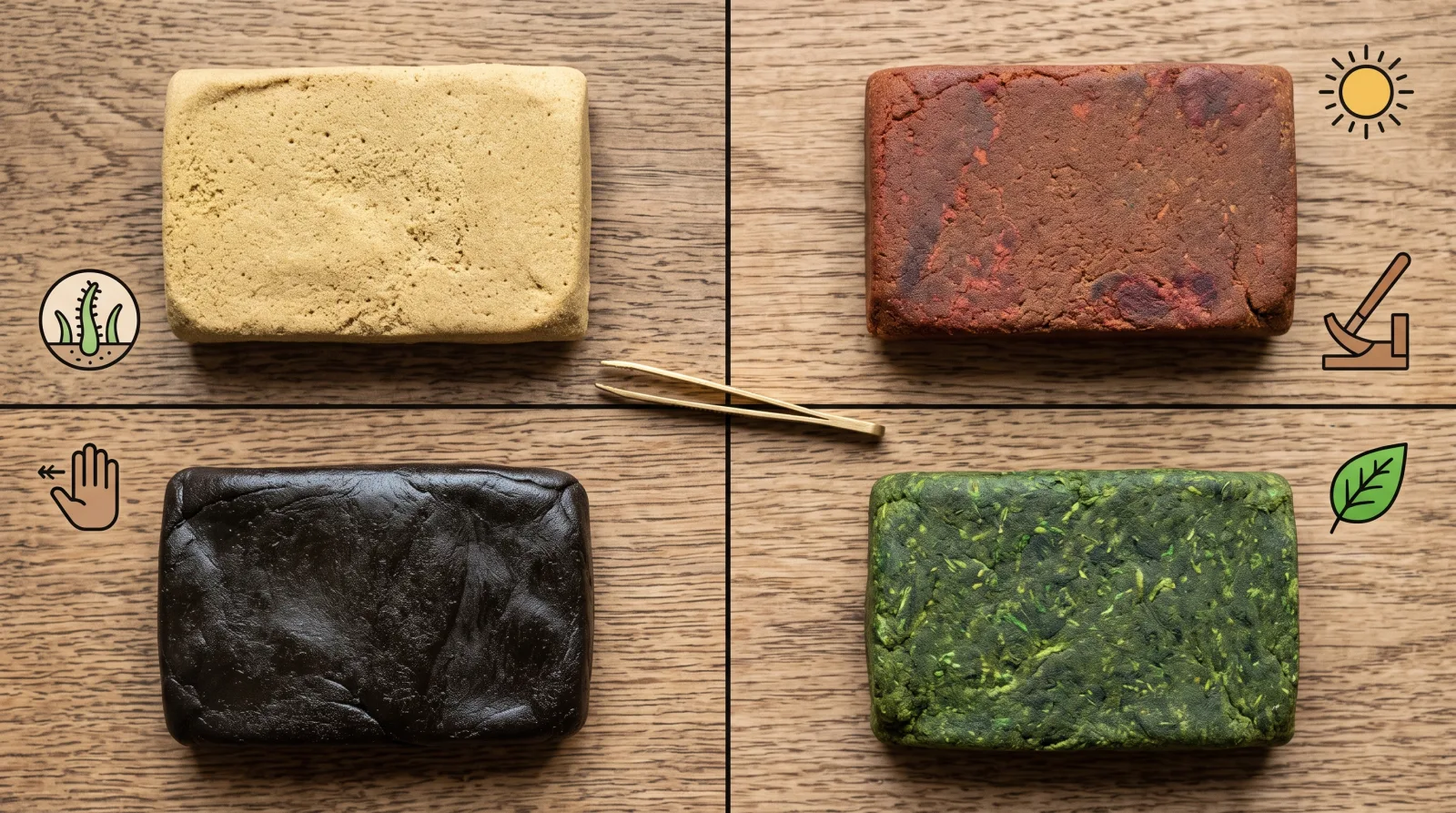
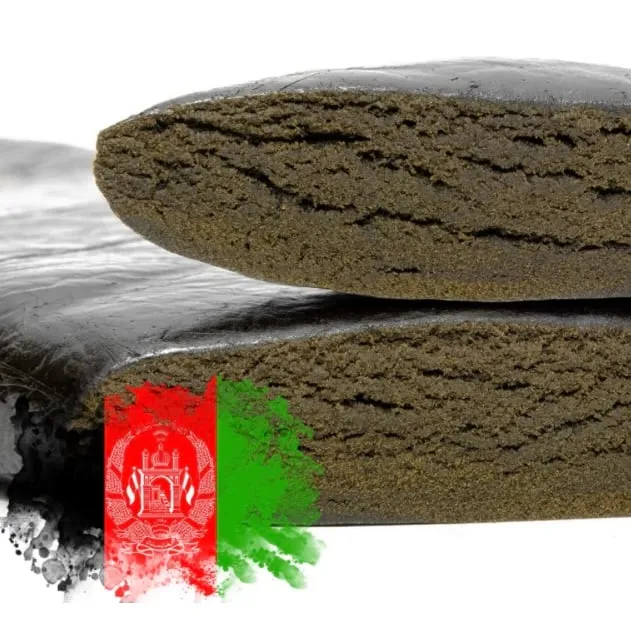
Hash products can also be incredibly terpene-rich when properly made. Traditional methods preserve the full spectrum of compounds, delivering intense flavor and effects in concentrated form.
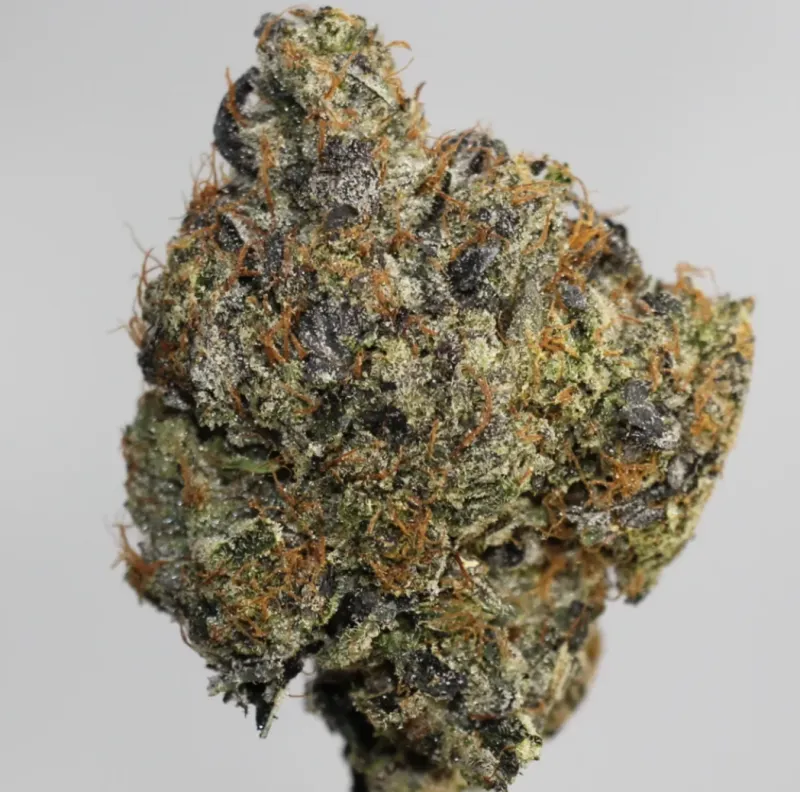
Pink Death Star
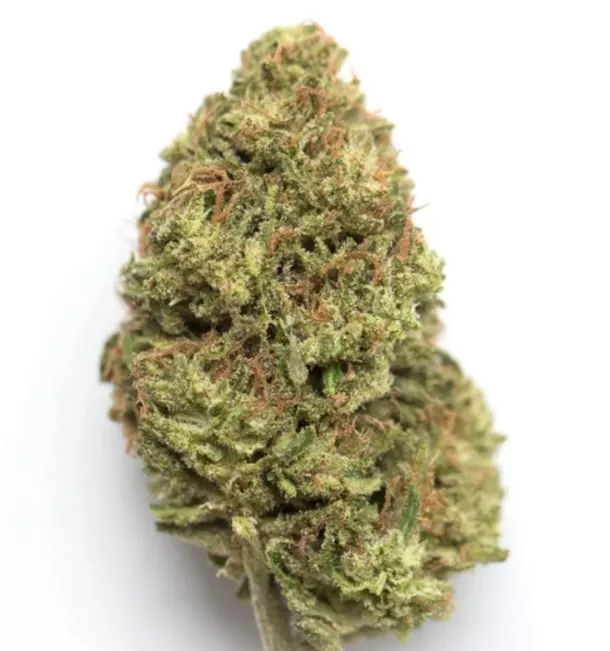
Black Widow
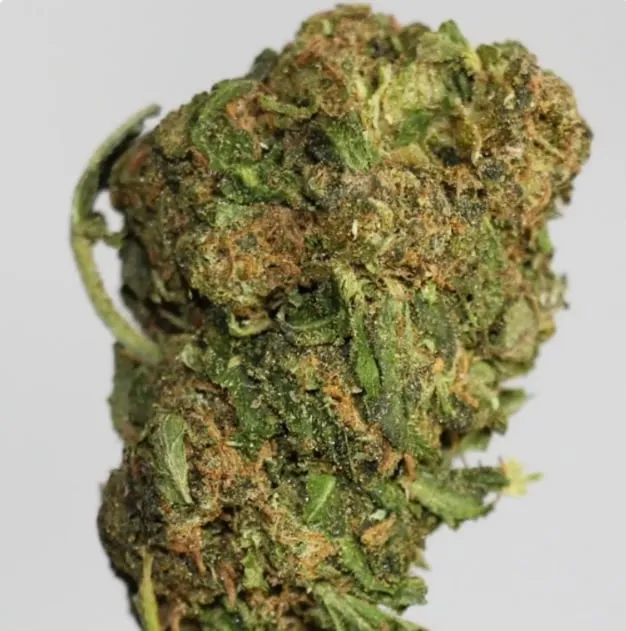
Black D.O.G
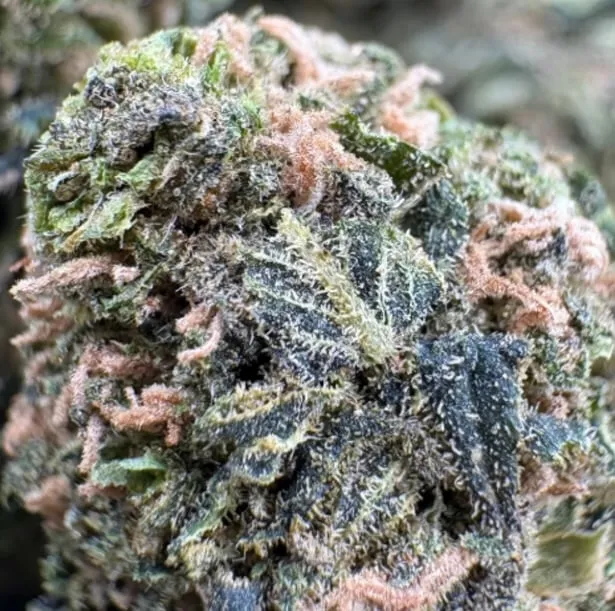
Purple Trainwreck
Common Myths About Terpenes
-
"Terpenes are just about smell." They define aroma and flavour, but they're also the reason same-THC strains feel so different.
-
"More terpenes = better." Balance beats overload; very high levels can smoke harsh. Harmony is the goal.
-
"Synthetic equals natural." Even when chemically identical, isolated or synthetic terpenes lack the minor compounds of a full cannabis extract.
-
"Strong smell = high terpenes." Not always. The type of terpenes and how well they were preserved matter as much as raw intensity.
-
"All terpenes are safe in any form." Most are fine as found in flower, but concentrated terpenes can irritate if misused. Be sure to buy from reputable sources.
The Future of Terpenes
Terpenes have become a genuine differentiator in product quality and the connoisseur's buying decision. Expect the trend to deepen: more products described and selected by terpene profile rather than strain name alone, and richer lab data on every label. For Canadian shoppers, that means more power to fine-tune what you buy; by aroma, flavour and character, not just by THC.
The Bottom Bud
Terpenes are the aromatic architects of cannabis; chemically diverse, strain-specific, shaped by genetics, growing and curing, and increasingly front-and-centre on Canadian labels. Learn to read them and you stop shopping by THC number alone and start shopping by the thing you actually experience: the smell, the flavour, the character in the jar. At Uper Weed, terpene detail sits right alongside THC and CBD — so you can find your profile and shop like a connoisseur.
Terpenes are the aromatic compounds that give each cannabis strain its scent and flavour - citrus, pine, fuel, floral and more. They're made in the same resin glands as cannabinoids like THC and CBD, and they shape the character of every strain.
The entourage effect is the idea that cannabis compounds - cannabinoids and terpenes together - shape the overall experience as a group rather than in isolation. It's why two strains with the same THC can feel and taste noticeably different.
The most common are myrcene (earthy, musky), limonene (citrus), pinene (pine), caryophyllene (peppery) and linalool (floral). Each gives a strain a distinct aroma and flavour profile.
Cannabis-derived terpenes are extracted from the cannabis plant and keep a strain's full, complex profile. Botanical terpenes come from other plants like citrus or lavender - chemically similar, more consistent and cheaper, but simpler.
Yes. Terps is just cannabis-culture slang for terpenes, often used to describe strong-smelling, aromatic strains. There's no chemical difference.
Check the product label or Certificate of Analysis (CoA) for the dominant terpenes and total terpene percentage (often 0.5-3%). At Uper Weed, terpene detail is listed alongside THC and CBD so you can shop by profile, not just potency.
Find your profile at Uper Weed - craft flower, live resin and full-spectrum extracts with terpene detail listed alongside THC and CBD. Same-day delivery in Ottawa & Gatineau, mail order Canada-wide.Shop Cannabis by Terpene Profile