For decades, cannabis consumers have relied on a simple rule: indica for relaxation, sativa for energy. Walk into any dispensary and you'll still see products neatly categorized this way. But here's the truth that's shaking up the cannabis world: the indica-sativa distinction isn't nearly as straightforward as we've been led to believe. Modern cannabis science reveals that the effects you experience depend far more on terpenes, cannabinoids, and individual body chemistry than whether a plant has broad or narrow leaves.
If you've ever tried an "indica" that left you wired or a "sativa" that knocked you out, you're not imagining things. Let's dig into why these traditional labels are becoming outdated and what actually matters when choosing your next strain.
The Origin Story: How Indica and Sativa Classifications Began
The terms indica and sativa weren't originally created to describe effects at all. Back in the 18th century, botanist Carl Linnaeus first classified Cannabis sativa based on hemp plants grown in Europe. Decades later, naturalist Jean-Baptiste Lamarck identified Cannabis indica from plants in India with different physical characteristics: shorter stature, broader leaves, and denser buds.
These classifications were purely botanical, describing what the plants looked like, not how they made people feel. Cannabis indica typically grew shorter and bushier, adapted to harsh mountain climates. Cannabis sativa grew tall and lanky, thriving in equatorial regions. Farmers and breeders adopted these terms, and somewhere along the way, the cannabis industry attached psychological effects to them.
Modern genetic testing shows that most commercial cannabis strains are hybrids with mixed ancestry. The physical appearance of a plant doesn't reliably predict its chemical composition or effects.
The problem? Decades of crossbreeding mean that today's Pink Death Star or Black Widow might contain genetic material from dozens of ancestral strains from all over the world. The simple indica-sativa binary simply can't capture this complexity.
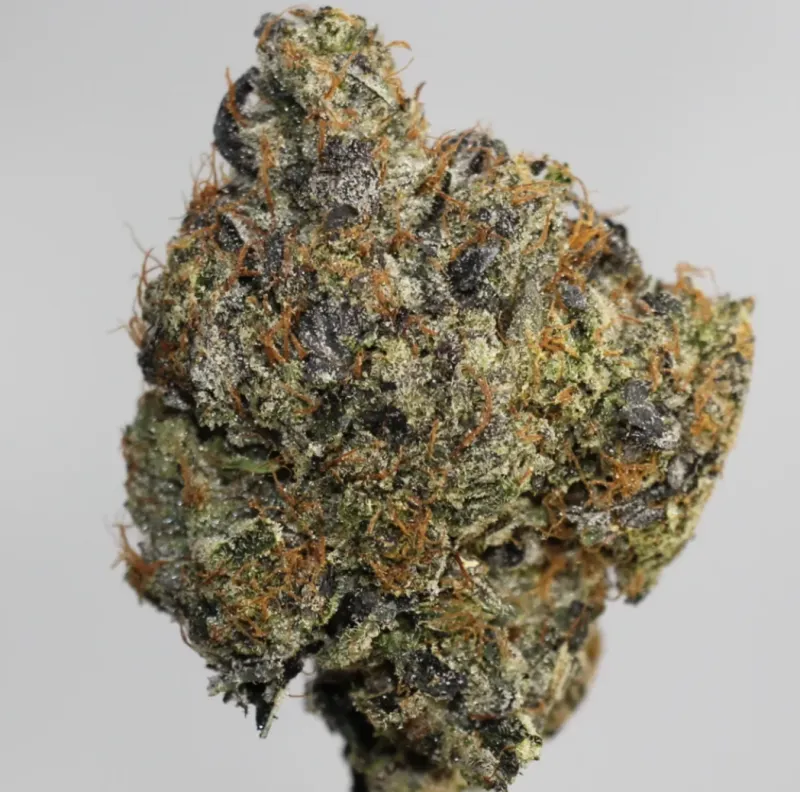
Pink Death Star
Pink Death Star (43.20% THC) - AAAAA+ rare exotic indica. One of Canada's most potent s...
What Actually Determines Cannabis Effects
If indica and sativa labels don't tell the whole story, what does? Three factors matter far more than plant morphology:
Cannabinoid Profile
THC and CBD are just the beginning. Modern strains contain varying levels of CBG, CBN, THCV, and other cannabinoids that work together to create unique effects. A strain with 20% THC and 2% CBD will feel completely different from one with 20% THC and 0.1% CBD, regardless of whether it's labelled indica or sativa.
Terpene Content
Here's where the magic really happens. Terpenes are aromatic compounds that give cannabis its distinctive smells and flavours, but they do much more than that. Myrcene, found in many relaxing strains, has sedative properties. Limonene tends to be uplifting and mood-enhancing. Pinene can promote alertness and memory retention.
A strain labelled "sativa" that's high in myrcene might actually produce couch-lock effects traditionally associated with indicas. Meanwhile, an "indica" rich in pinene and limonene could leave you feeling focused and energized.
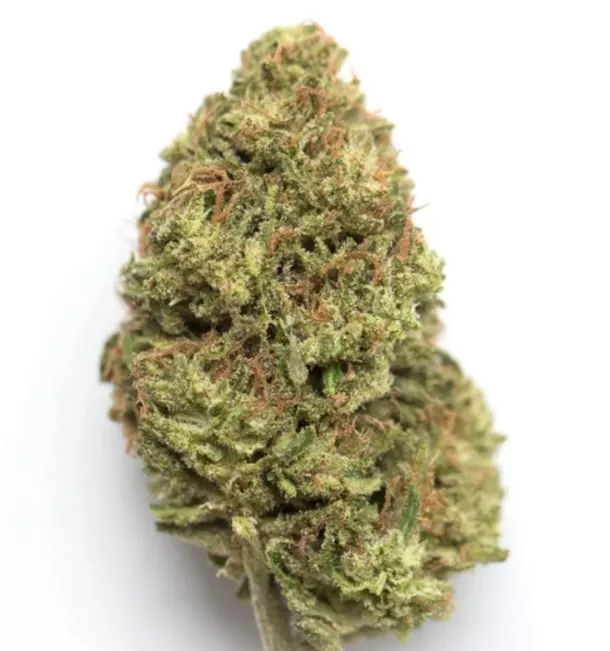
Black Widow
THC: 31.85%Flavor: Woody pine, herbal spice, and smooth citrus Aroma: Earthy musk with ...
Individual Biochemistry
Your endocannabinoid system is as unique as your fingerprint. Factors like your metabolism, tolerance, recent food intake, stress levels, and even genetics influence how cannabis affects you. What relaxes your friend might energize you, regardless of what the label says.
The Chemotype Revolution: A Better Way to Choose Cannabis
Progressive cannabis researchers and dispensaries are moving toward chemotype-based classifications. Instead of indica vs. sativa, they focus on the actual chemical composition:
- Type I: High THC, low CBD (most recreational strains)
- Type II: Balanced THC and CBD (medicinal applications)
- Type III: High CBD, low THC (therapeutic without intoxication)
Layer in dominant terpene profiles, and you get a much more accurate prediction of effects. A Type I strain with dominant myrcene and caryophyllene will likely produce relaxing, pain-relieving effects. A Type I with limonene and pinene tends toward uplifting, creative experiences.
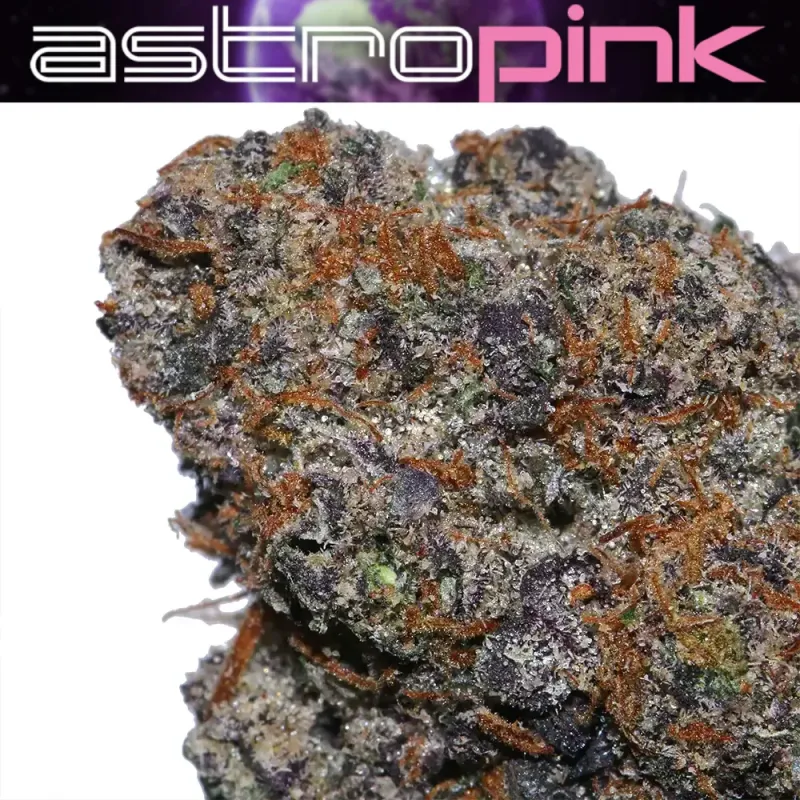
Astro Pink
Ultra-premium 44.56% THC indica-dominant hybrid with classic Pink Kush gas and vanilla ...
How to Choose Strains in the Post-Indica Era
So if you can't rely on indica and sativa labels, how do you find the right product? Here are practical strategies that actually work:
Start with your desired effects. Are you looking for sleep support? Pain relief? Creative focus? Energy for daytime activities? Begin there rather than with a category.
Ask about terpene profiles. Quality dispensaries should be able to tell you the dominant terpenes in their products. Look for myrcene and linalool for relaxation, limonene and pinene for energy, or caryophyllene for pain relief.
Keep a consumption journal. Track strain names, times of day, dosages, and how you felt. Over time, you'll identify patterns that work for your unique biology. You might discover that certain terpene combinations consistently deliver the effects you want.
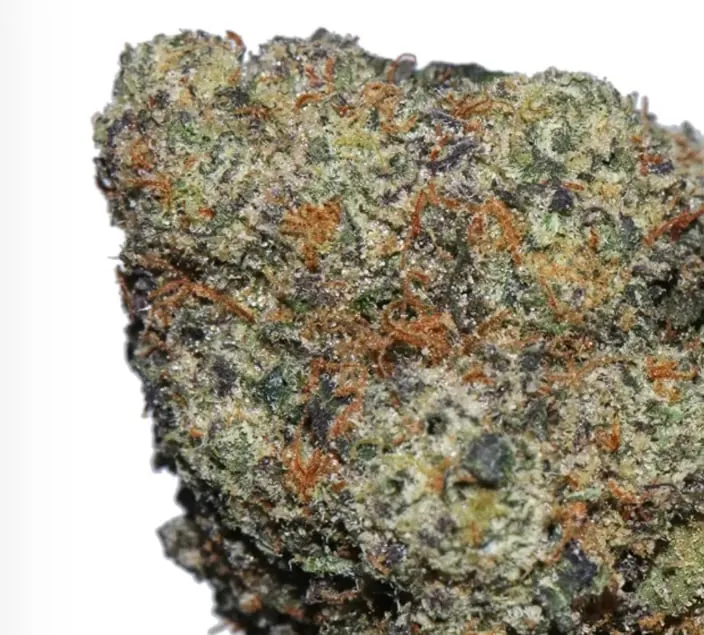
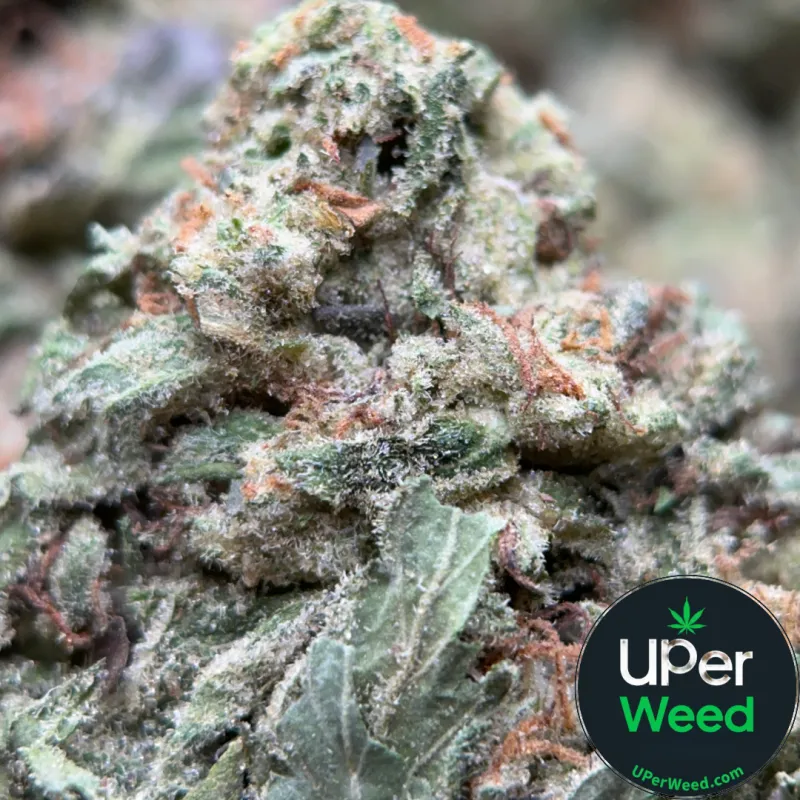

Don't ignore the labels completely. While indica and sativa classifications are oversimplified, they often correlate loosely with terpene profiles because of breeding practices. Many "indica-dominant" strains do tend to have more myrcene. Just don't treat these labels as gospel.
Experiment with hybrids thoughtfully. Strains like White Runtz and Gary Payton offer balanced experiences that many consumers find ideal for daytime use without excessive sedation or stimulation. Hybrids often provide the best of both worlds when you understand their specific chemical makeup.

White Runtz
White Runtz (34.15% THC) - AAAAA+ balanced hybrid with candy-sweet Runtz flavour and ex...
Regardless of strain classification, always start with a low dose when trying something new. Effects can vary significantly based on individual tolerance and sensitivity.
The Bottom Line: Labels Are Starting Points, Not Destinations
The indica-sativa distinction isn't completely useless, but it's nowhere near as reliable as the cannabis industry has traditionally claimed. Think of these labels as rough guidelines rather than precise predictors. A strain marked "indica" might lean toward relaxing effects, but its specific terpene and cannabinoid profile matters infinitely more.
As the cannabis industry matures, we're seeing a welcome shift toward more nuanced, chemistry-based classifications. Lab testing is becoming standard, giving consumers access to detailed cannabinoid and terpene profiles. This information empowers you to make truly informed decisions rather than relying on outdated botanical categories.
The best approach? Educate yourself about cannabinoids and terpenes, pay attention to how different strains affect you personally, and work with knowledgeable budtenders who understand modern cannabis science. Your perfect strain might surprise you, and it might not fit neatly into the indica or sativa box at all.
Frequently Asked Questions
Not completely. These labels can still provide a general starting point, especially since many breeders select for certain characteristics. However, always prioritize lab-tested cannabinoid and terpene profiles when available, and pay attention to your personal reactions over time.
Terpene profile is arguably the most important factor. Terpenes work synergistically with cannabinoids in what's called the entourage effect, significantly influencing how a strain makes you feel. Myrcene, limonene, pinene, and caryophyllene are particularly important to understand.
Because that particular strain likely has a terpene profile that promotes alertness, such as high pinene or limonene content, regardless of its indica classification. This demonstrates exactly why chemical composition matters more than traditional labels.
Not necessarily better, just different. Modern genetics mean that nearly all commercial strains are technically hybrids anyway. The key is finding the specific cannabinoid and terpene combination that works for your needs, regardless of how it's labelled.
Check if lab results are available for the strain you enjoyed, noting the terpene profile and cannabinoid ratios. Then look for other strains with similar chemical compositions. Keep notes on strain names and effects to identify patterns over time.
Explore Our Premium Flower Collection
Discover craft cannabis strains with detailed profiles to match your perfect experience
Browse All Strains