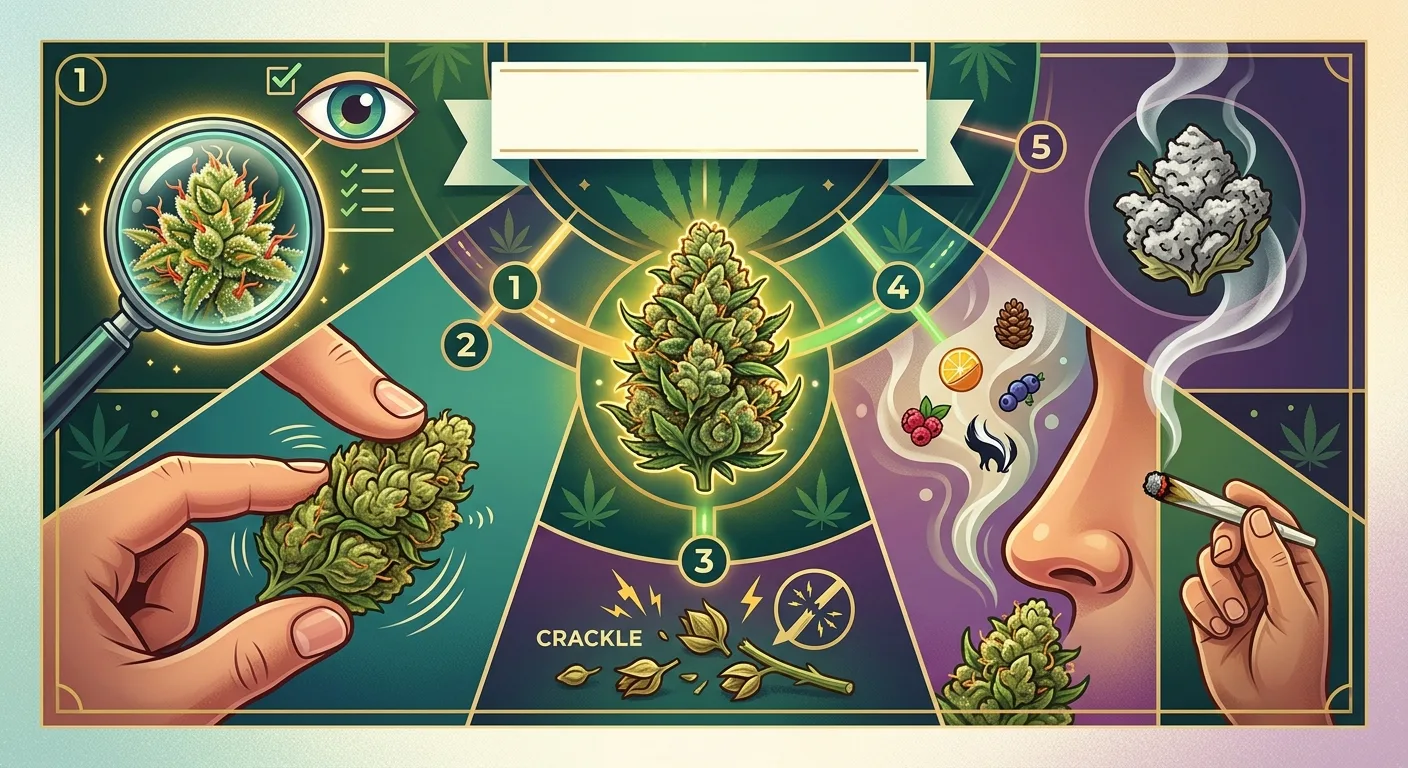

Walk into any cannabis dispensary and you'll hear these three letters constantly: THC and CBD. But what do these compounds actually do in your body? And more importantly, what does the medical research really say beyond the marketing hype? Let's cut through the confusion and explore what science has discovered about how cannabis interacts with your body.
Understanding the Endocannabinoid System: Your Body's Hidden Network
Before we dive into THC and CBD specifically, you need to understand something fascinating: your body already produces its own cannabis-like compounds. The endocannabinoid system (ECS) is a complex cell-signaling network discovered in the early 1990s that regulates everything from mood and appetite to sleep and immune response.
This system has receptors throughout your brain, organs, connective tissues, glands, and immune cells. The two main receptors are CB1 (primarily in your central nervous system) and CB2 (mostly in your peripheral organs and immune cells). THC and CBD interact with these receptors, but in dramatically different ways.
The endocannabinoid system maintains homeostasis in your body. When you consume cannabis, cannabinoids like THC and CBD influence this system, which explains their wide-ranging effects on different bodily functions.
THC: The Psychoactive Powerhouse
Tetrahydrocannabinol (THC) is the compound responsible for the "high" associated with cannabis. Research shows THC directly binds to CB1 receptors in your brain, which explains its psychoactive effects. But the medical research reveals much more than just recreational effects.
Clinical studies have demonstrated THC's effectiveness for several conditions. A 2015 systematic review in the Journal of the American Medical Association found moderate-quality evidence that cannabinoids containing THC help with chronic pain and muscle spasticity. The FDA has even approved synthetic THC medications like dronabinol for chemotherapy-induced nausea and AIDS-related appetite loss.

3X Crazy
Ultra-premium 40% THC indica hybrid. OG Kush × Bubba Kush × GDP. Euphoric giggles mee...
For those seeking potent THC effects, strains like Death Bubba deliver powerful indica characteristics that medical users often choose for pain management and sleep support. The research on THC for sleep is particularly interesting: while it can help you fall asleep faster and increase deep sleep initially, long-term use may actually disrupt your sleep architecture.
What Medical Research Says About THC
- Pain Management: Multiple studies show THC activates pathways in the central nervous system that block pain signals
- Appetite Stimulation: THC's binding to CB1 receptors in the hypothalamus influences hunger hormones like ghrelin
- Nausea Reduction: Research indicates THC affects the brainstem's vomiting control centre
- Muscle Relaxation: Clinical trials demonstrate effectiveness for conditions like multiple sclerosis spasticity
However, THC isn't without concerns. Research also documents potential side effects including short-term memory impairment, increased heart rate, and in some individuals, anxiety or paranoia. The key is understanding dosage and individual tolerance.
CBD: The Non-Intoxicating Alternative
Cannabidiol (CBD) has exploded in popularity, and for good reason. Unlike THC, CBD doesn't produce intoxicating effects because it doesn't strongly bind to CB1 receptors. Instead, it works through multiple pathways in your body, including interaction with serotonin receptors and inhibition of fatty acid amide hydrolase (FAAH), an enzyme that breaks down anandamide, your body's natural "bliss molecule."
The most compelling medical evidence for CBD comes from epilepsy research. In 2018, the FDA approved Epidiolex, a CBD-based medication, for treating severe forms of childhood epilepsy after clinical trials showed dramatic reductions in seizure frequency. This marked a watershed moment for cannabis medicine.
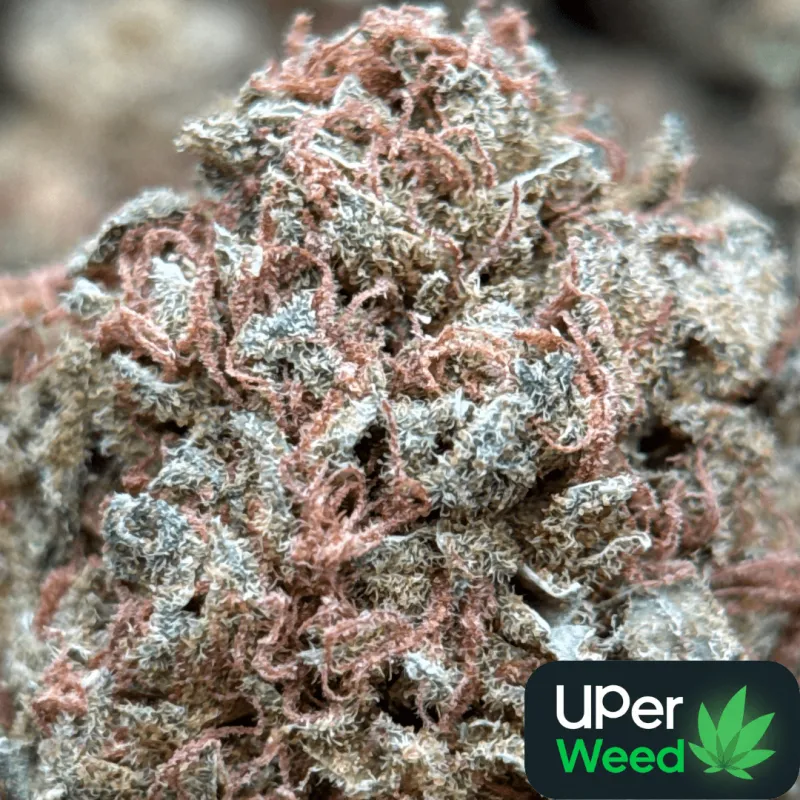
White Widow
Legendary balanced hybrid at 30.19% THC delivering intense cerebral euphoria, creativit...
Beyond epilepsy, research suggests CBD may help with anxiety, inflammation, and certain types of pain. A 2019 study in The Permanente Journal found that 79.2% of patients experienced decreased anxiety scores within the first month of CBD use. However, researchers emphasize the need for more large-scale clinical trials.
The Entourage Effect: Why Whole-Plant Cannabis Matters
Here's where cannabis science gets really interesting. Medical researchers have discovered that THC and CBD often work better together than in isolation. This phenomenon, called the "entourage effect," suggests that the hundreds of compounds in cannabis (including minor cannabinoids and terpenes) interact synergistically.
A 2011 study in the British Journal of Pharmacology demonstrated that CBD can modulate THC's psychoactive effects, potentially reducing anxiety and paranoia while extending the therapeutic benefits. This is why many medical cannabis users prefer full-spectrum products over isolated compounds.

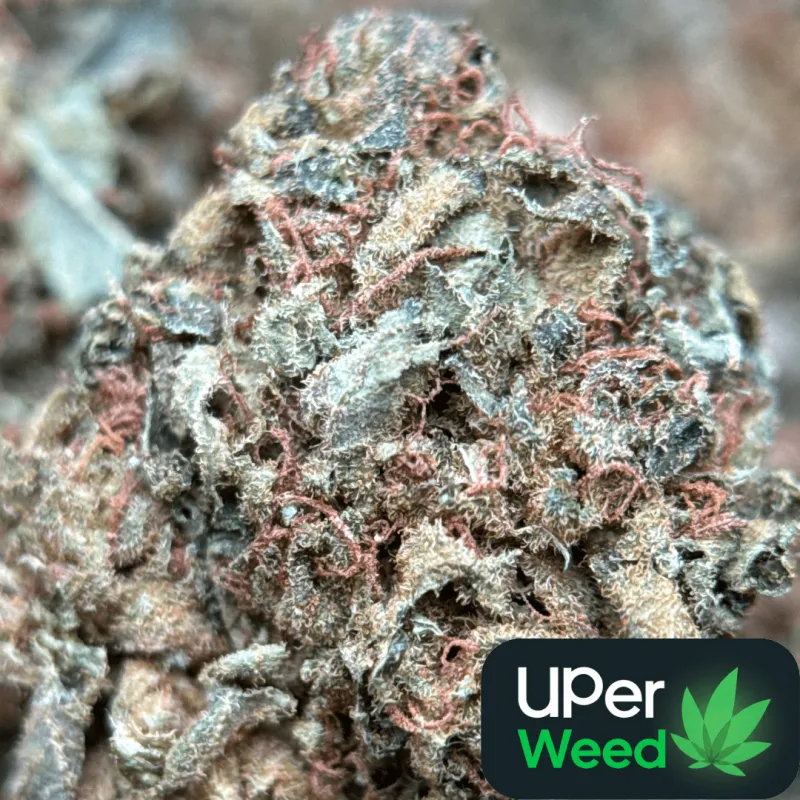
Bruce Banner
**Bruce Banner** is a powerful sativa featuring **31.98% THC**, delivering uplifting, e...
Balanced strains like Bruce Banner offer a mix of both cannabinoids, providing energizing sativa effects while the CBD content helps temper potential anxiety from THC. This balance is particularly popular among medical users who want therapeutic benefits without overwhelming psychoactivity.
What the Research Still Needs to Answer
Despite growing evidence, cannabis research faces significant limitations. Decades of prohibition created major barriers to clinical studies, and most existing research involves relatively small sample sizes or animal models. The medical community still needs large-scale, long-term human trials to fully understand optimal dosing, potential drug interactions, and effects on different populations.
Current research gaps include:
- Long-term effects of daily cannabis use on brain development and cognitive function
- Optimal CBD-to-THC ratios for specific medical conditions
- How terpenes and minor cannabinoids contribute to therapeutic effects
- Potential impacts on cardiovascular health with chronic use
- Interactions with common pharmaceutical medications
This article is for educational purposes only and not medical advice. Cannabis affects everyone differently based on individual biochemistry, tolerance, and health conditions. Always consult with a healthcare provider before using cannabis, especially if you take other medications or have underlying health conditions.
Making Informed Choices About THC and CBD
The medical research on cannabis is evolving rapidly, with hundreds of new studies published annually. What's clear is that both THC and CBD interact with your body in complex, multifaceted ways that go far beyond just "getting high."
For consumers, this means paying attention to cannabinoid profiles rather than just THC percentages. Consider starting with balanced strains if you're new to cannabis, and keep a journal tracking how different ratios affect you. Your individual endocannabinoid system is unique, and what works for others may not work identically for you.
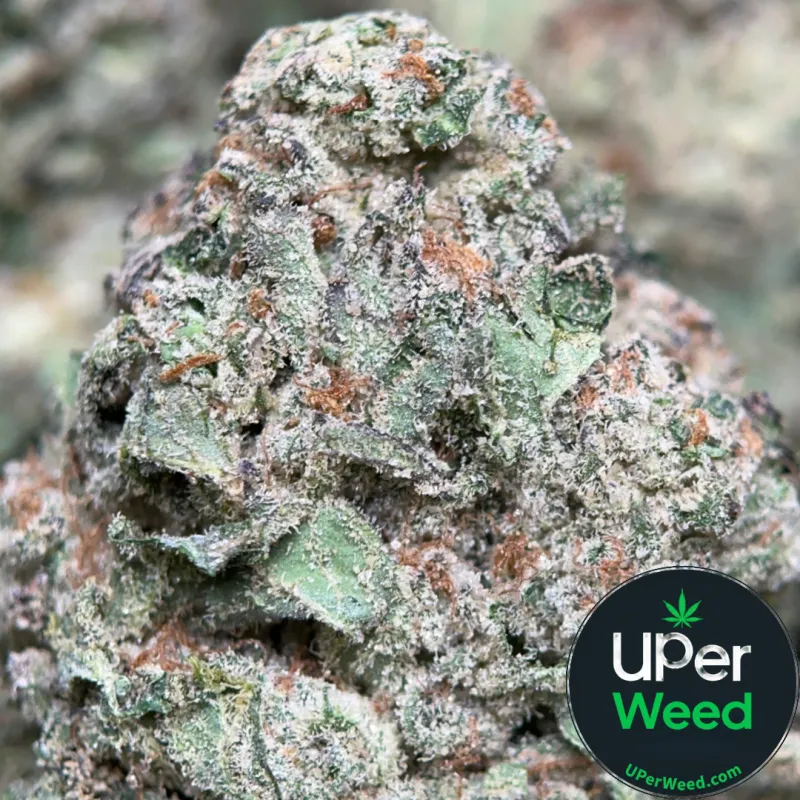
Blue Dream
Uplifting 60/40 sativa with sweet blueberry flavour, cerebral buzz, and gentle relaxati...
Strains like Blue Dream demonstrate how thoughtful breeding can create balanced profiles suitable for both recreational enjoyment and potential therapeutic benefits. The key is understanding what you're putting in your body and why.
Frequently Asked Questions
You cannot fatally overdose on cannabis. However, consuming too much THC can cause uncomfortable temporary effects like anxiety, paranoia, rapid heart rate, and nausea. CBD is generally well-tolerated even at high doses, though some people experience digestive upset or drowsiness. Start low and go slow is always the best approach.
THC effects are typically felt within minutes when smoked or vaped, and 30 minutes to 2 hours when eaten. CBD's effects are more subtle and may take longer to notice, especially for issues like anxiety or inflammation. Many users report feeling CBD's benefits after consistent use over several days or weeks.
Pure CBD should not trigger a positive drug test, as standard tests screen for THC metabolites. However, full-spectrum CBD products contain trace amounts of THC (up to 0.3% legally), which could potentially cause a positive result with frequent use or high doses. If drug testing is a concern, look for broad-spectrum or CBD isolate products.
While decades of prohibition limited research quality and quantity, the science that does exist has become increasingly rigorous. Many studies now come from legitimate research institutions using proper clinical trial methodology. However, the field still needs more large-scale, long-term human studies to match the evidence base of conventional pharmaceuticals.
Explore Quality Cannabis Products
Discover our selection of lab-tested strains with detailed cannabinoid profiles to help you make informed choices
Shop All Cannabis