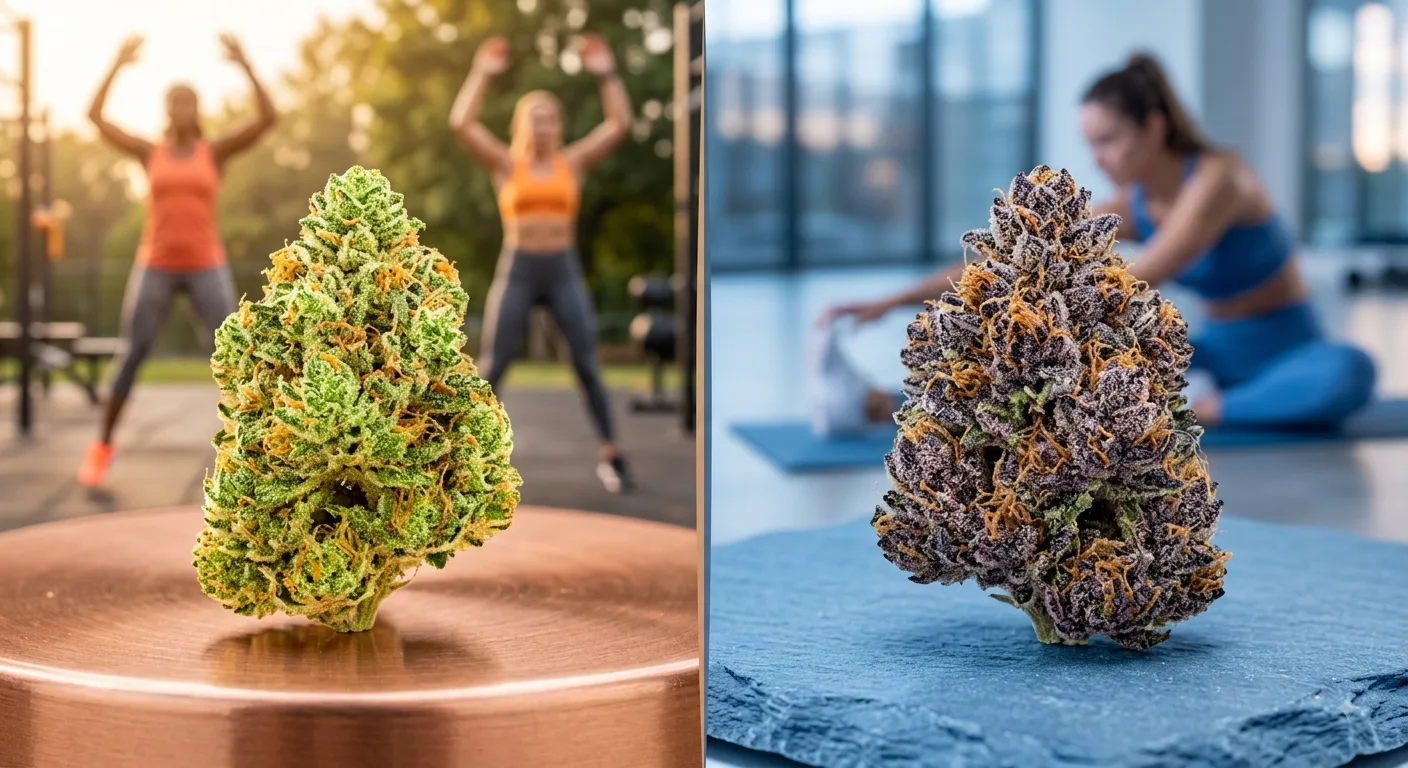
More athletes and fitness enthusiasts are discovering what many already suspected: cannabis and exercise can actually complement each other. The right strain at the right time can sharpen your focus during cardio, reduce inflammation after lifting, or help sore muscles recover faster. But choosing the wrong cultivar,or timing it poorly,can leave you glued to the couch instead of crushing your personal record.
This guide breaks down the best strains for working out, whether you're looking for pre-workout energy, post-workout recovery, or something in between. We'll separate the energizing sativas from the recovery indicas, explain what cannabinoids and terpenes actually do for athletic performance, and give you practical dosing advice that won't leave you too high to function. No medical claims, just real talk from people who've combined cannabis and fitness long enough to know what works.
Why Cannabis and Exercise Actually Make Sense Together
The stereotype of the lazy stoner doesn't hold up when you look at actual cannabis users. Studies show that regular consumers exercise more frequently than non-users, not less. The explanation lies in how cannabinoids interact with your endocannabinoid system, the same network that regulates pain perception, inflammation response, and even the runner's high you feel after intense cardio.
Your body produces endocannabinoids naturally during exercise. THC and CBD from cannabis mimic these compounds, which is why some athletes report enhanced focus, reduced pain during workouts, and faster recovery afterward. The key is matching the strain's effects to your specific fitness goal. A high-THC sativa before yoga creates a completely different experience than a CBD-rich indica after powerlifting.
Terpenes matter just as much as cannabinoid content. Limonene provides uplifting energy perfect for cardio sessions. Myrcene delivers the muscle-relaxing properties that help post-workout recovery. Pinene can improve focus and respiratory function. Understanding these compounds transforms cannabis from a generic "workout aid" into a targeted tool for specific athletic outcomes.
The Endocannabinoid System and Athletic Performance
Your endocannabinoid system regulates everything from pain and inflammation to mood and appetite. When you exercise, your body floods with anandamide, an endocannabinoid often called the "bliss molecule." This is what creates runner's high, that euphoric state during intense cardio. Cannabis introduces external cannabinoids that bind to the same receptors, potentially extending or enhancing these natural effects.
CB1 receptors in your brain and nervous system influence pain perception and mood. CB2 receptors throughout your immune system and muscles regulate inflammation. Different strains activate these receptors in different ways. High-THC sativas primarily target CB1 receptors for mental energy and focus. CBD-rich strains work more with CB2 receptors to reduce inflammation and promote recovery without psychoactive effects.
Timing Matters More Than You Think
The best strain for working out depends entirely on when you consume it. A motivating sativa before your workout creates completely different results than the same strain after training. Pre-workout cannabis should energize and focus. Post-workout strains should relax muscles and reduce inflammation. Consuming the wrong type at the wrong time is like drinking espresso before bed,technically possible, but missing the point entirely.
Most experienced users recommend consuming 15-30 minutes before exercise for pre-workout effects, allowing time for onset. Post-workout consumption works best immediately after training or during your cool-down, when your muscles are most receptive to cannabinoid support. Microdosing works better than heavy consumption for both applications. You want functional effects, not couch-lock or impairment.
Best Pre-Workout Strains: Energy, Focus, and Motivation
Pre-workout strains need to energize without overwhelming. You want mental clarity and physical motivation, not paranoid heart-pounding anxiety. The best candidates are typically sativa-dominant hybrids with moderate THC levels (15-22%) and energizing terpene profiles. Pure sativas can sometimes create too much mental stimulation, while these balanced hybrids provide sustained energy without the jitters.
Look for strains high in limonene for mood elevation and pinene for focus. Avoid anything with dominant myrcene, which creates sedative effects that work against athletic performance. The goal is finding cultivars that make you want to move, not strains that make movement feel like too much effort. Social-friendly strains often work well pre-workout since they enhance activity rather than inducing couch-lock.
Green Lantern: The Cardio Companion
Green Lantern delivers clean sativa energy perfect for running, cycling, or any cardio-intensive workout. This strain provides uplifting mental effects without the racing thoughts that can derail your training. Users report enhanced focus on form and breathing, along with reduced perception of exertion during long runs or bike sessions.
The terpene profile leans heavily on pinene and limonene, creating alert clarity rather than scattered energy. THC levels typically range 18-23%, strong enough for noticeable effects but controlled enough for athletic function. Start with just 2-3 small puffs 20 minutes before cardio. More than that risks crossing from energized into uncomfortably high, especially once your heart rate elevates.

Green Lantern
Potent sativa hybrid with 31.98% THC delivering uplifting energy, sharp focus, and refr...
Bruce Banner: Power for Strength Training
Bruce Banner brings potent energy suited for weightlifting and resistance training. This hybrid leans sativa but provides enough physical presence to enhance the mind-muscle connection during heavy lifts. The high THC content (20-27%) means you need less for noticeable effects, making it more economical for regular pre-workout use.
The strain's genetics (OG Kush x Strawberry Diesel) create focused intensity ideal for pushing through challenging sets. Users describe improved proprioception, that sense of where your body exists in space that's crucial for proper lifting form. Keep doses minimal,one or two hits maximum. Heavy consumption before strength training creates more risk than benefit, potentially compromising coordination when you need it most.

Bruce Banner
**Bruce Banner** is a powerful sativa featuring **31.98% THC**, delivering uplifting, e...
Very Berry Haze: Functional Energy for Group Classes
Very Berry Haze offers social, uplifting effects perfect for group fitness classes, yoga, or team sports. The haze genetics provide classic sativa energy while the berry phenotypes smooth out potential anxiety. This makes it ideal for activities where you need to interact with others while staying active and engaged.
The strain works particularly well for activities requiring both physical effort and mental presence,think hot yoga, dance cardio, or martial arts training. The effects promote present-moment awareness without the introspective headspace that might disconnect you from instructor cues or training partners. Consume 15-20 minutes before class for optimal timing.

Very Berry Haze
Vibrant sativa with juicy berry flavour, hazy citrus notes, and uplifting cerebral ener...
Post-Workout Recovery Strains: Inflammation and Muscle Repair
Post-workout strains serve completely different purposes than pre-workout options. Here you want anti-inflammatory properties, muscle relaxation, and pain relief,not energy or stimulation. The best recovery strains are indica-dominant with higher CBD ratios and terpene profiles heavy in myrcene, caryophyllene, and linalool. These compounds work together to reduce inflammation and promote the deep relaxation your muscles need for proper recovery.
Many athletes find balanced THC:CBD ratios (1:1 or 2:1) work better post-workout than pure THC strains. CBD enhances anti-inflammatory effects while moderating THC's psychoactive properties. This creates functional relief that helps recovery without leaving you too impaired for the rest of your day. Timing matters less post-workout since you're winding down anyway, but consuming within an hour of training provides maximum anti-inflammatory benefits.
Death Bubba: Deep Recovery for Heavy Training Days
Death Bubba provides powerful indica effects ideal for recovery after intense training sessions. This strain's high myrcene content creates the muscle-relaxing properties that help sore muscles release tension. The 25%+ THC levels deliver strong anti-inflammatory effects, though the potency means you should start with smaller amounts than other recovery strains.
The strain works best after heavy leg days, intense CrossFit sessions, or any training that leaves you significantly sore. Consume after your post-workout meal rather than immediately after training, especially if you're still driving home from the gym. The sedative effects can be substantial, making this better for evening workouts than morning training sessions. Many users report significantly reduced next-day soreness when using Death Bubba as part of their recovery routine.
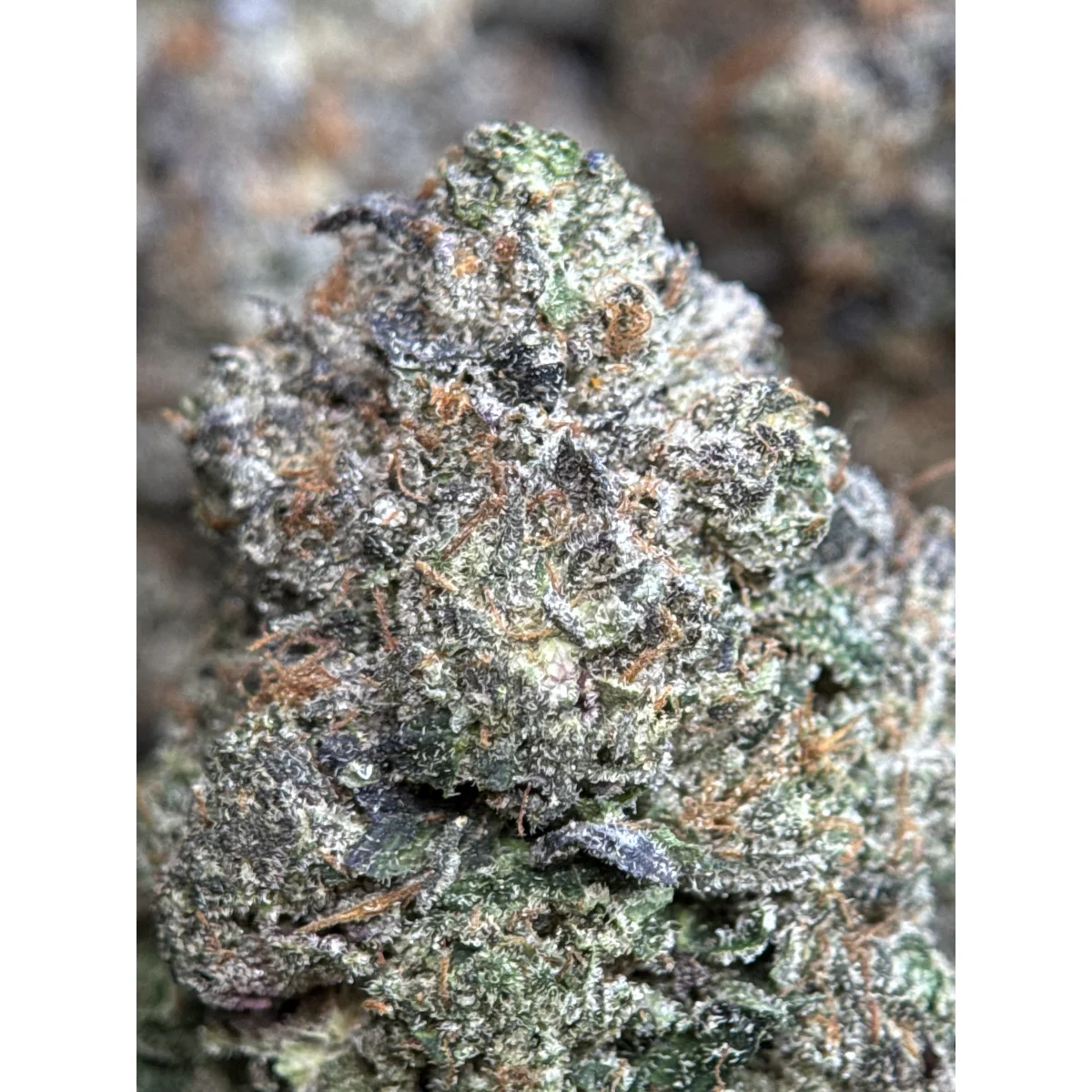
Death Bubba
Legendary BC indica (41.56% THC) delivering pungent earthy pine gas flavour with almost...
Pink Death Star: Balanced Recovery Without Heavy Sedation
Pink Death Star offers strong indica relaxation without the overwhelming sedation of heavier strains. This makes it perfect for post-workout recovery when you still have activities planned for the day. The strain provides muscle relaxation and anti-inflammatory benefits while maintaining enough mental clarity for normal function.
The genetics create a body-focused high that targets physical discomfort while leaving mental faculties relatively clear. This balance works well for athletes who train in the morning or afternoon and need recovery effects that won't derail productivity. Consider pairing this strain with active recovery activities like gentle stretching or foam rolling, where the muscle-relaxing effects actually enhance the practice.
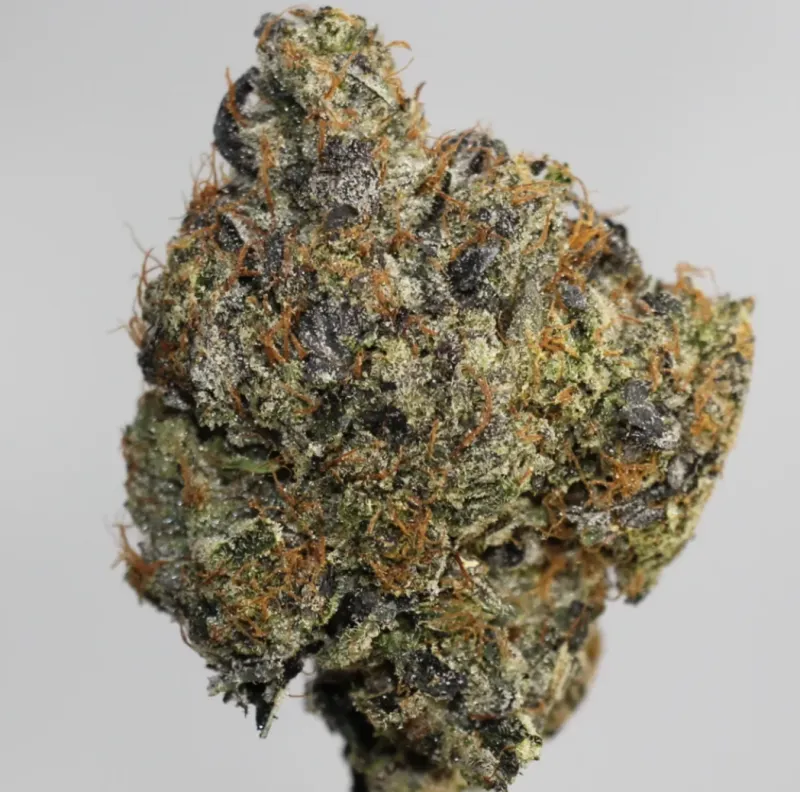
Pink Death Star
Pink Death Star (43.20% THC) - AAAAA+ rare exotic indica. One of Canada's most potent s...
Ice Cream Cake: Recovery and Sleep Optimization
Ice Cream Cake combines powerful anti-inflammatory properties with sleep-promoting effects, making it ideal for evening post-workout recovery. The strain's Wedding Cake x Gelato #33 genetics create sweet flavour alongside sedative effects that help the deep sleep crucial for muscle repair and growth. Athletes who train late often struggle with elevated cortisol that prevents restful sleep,this strain addresses both inflammation and sleep quality.
The high myrcene content provides direct muscle-relaxing benefits while the moderate THC levels (20-23%) deliver anti-inflammatory effects without overwhelming potency. Consume 1-2 hours before bed on heavy training days. The strain works particularly well for athletes dealing with overtraining symptoms or those in intense training blocks requiring maximum recovery between sessions.

Ice Cream Cake
Rich indica with 31.89% THC. Creamy vanilla flavours meet deep relaxation and euphoric ...
Strains That Work Both Ways: Versatile Options for Active Lifestyles
Some hybrid strains balance energizing and relaxing properties well enough to serve both pre and post-workout purposes, depending on dosage and consumption method. These versatile cultivars work for athletes with varied training schedules who don't want to maintain separate stash containers for different workout applications. The key is understanding how dose and timing shift the same strain's effects from energizing to relaxing.
Hybrid strains with balanced indica/sativa genetics provide the most flexibility. Small doses before training create focus and motivation. Larger amounts after exercise enhance recovery. This adaptability makes them practical for athletes who train multiple times daily or whose workout timing varies. You'll find these middle-ground strains throughout the UperWeed catalogueue, where hybrid options outnumber pure indicas or sativas.
Understanding Dosage-Dependent Effects
The same strain can energize or sedate depending on how much you consume. Small doses (2-3mg THC or 1-2 small puffs) typically create stimulating effects even from indica-leaning hybrids. Your body metabolizes these amounts before sedative properties accumulate. Larger doses (10mg+ or extended consumption) allow sedative cannabinoids and terpenes to build up, creating relaxation regardless of strain type.
This dose-response relationship explains why some athletes successfully use the same strain both pre and post-workout. A single puff of Purple Trainwreck before training provides motivation and focus. Three large bong hits after your workout creates muscle relaxation and recovery. The strain hasn't changed,your consumption method determined the effect. Most experienced users find vaping or smoking provides better dose control than edibles for workout applications, since you can titrate effects puff by puff.
Purple Trainwreck: The Ultimate Hybrid for Active Users
Purple Trainwreck exemplifies versatile hybrid genetics that adapt to your needs. Small pre-workout doses create energizing focus from the Trainwreck sativa lineage. Larger post-workout consumption emphasizes the Purple indica genetics for recovery. The balanced cannabinoid and terpene profile makes it functional for both applications without excelling dramatically at either.
Athletes appreciate this flexibility for unpredictable training schedules. Morning session? Microdose before training. Evening workout? Standard dose afterward for recovery. The strain's moderate potency (17-21% THC) prevents overwhelming effects in either direction, maintaining functionality whether you're starting or ending your training day.
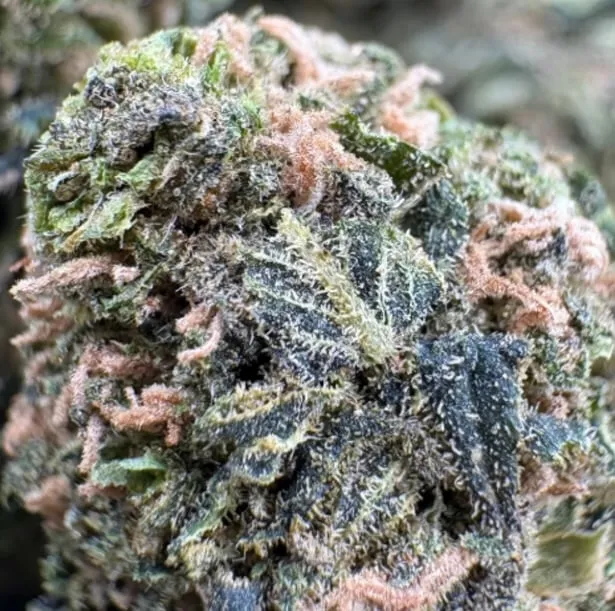
Purple Trainwreck
THC: 31.98% Flavor: Fruity grape, spicy pine, and earthy finish Aroma: Sweet berries, h...
Black Widow: Balanced Genetics for Varied Training
Black Widow's even 50/50 hybrid split creates true versatility for different athletic applications. The strain provides clear-headed energy suitable for technical training requiring focus,think Olympic lifting, rock climbing, or martial arts drilling. Consumed post-workout, those same genetics emphasize physical relaxation while maintaining mental clarity, perfect for athletes who need to review training footage or plan next sessions after working out.
The White Widow x Brazilian sativa genetics create functional effects rather than overwhelming highs. Users report enhanced kinesthetic awareness during training and reduced inflammation afterward, both from the same cultivar. This makes Black Widow economical for regular consumers who want one strain serving multiple purposes rather than maintaining separate pre and post-workout options.
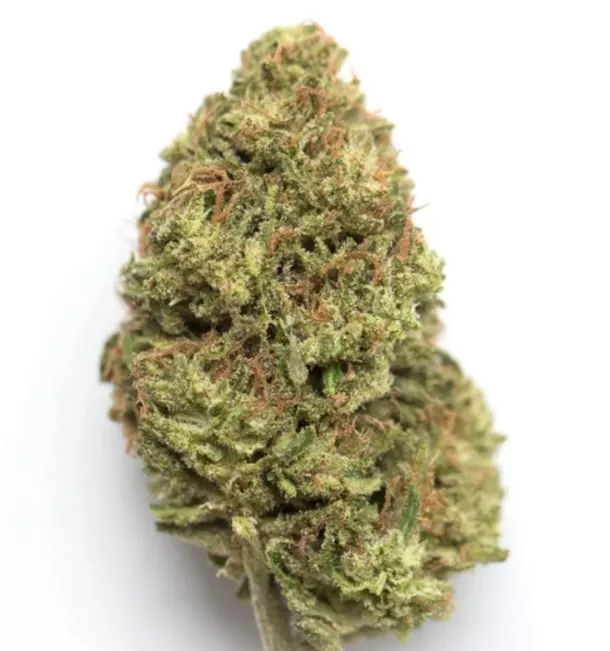
Black Widow
THC: 31.85%Flavor: Woody pine, herbal spice, and smooth citrus Aroma: Earthy musk with ...
Consumption Methods: What Works Best for Athletes
How you consume cannabis matters as much as which strain you choose. Smoking and vaping provide rapid onset and precise dose control, crucial for pre-workout timing. Edibles deliver longer-lasting effects better suited for extended recovery periods. Topicals target localized pain without systemic effects that might impair athletic performance. Understanding these differences helps you match consumption method to your specific fitness goals.
Most athletes prefer inhalation methods for pre-workout use because effects appear within minutes and peak quickly, allowing you to gauge whether you've consumed the right amount before training starts. Post-workout offers more flexibility,edibles consumed after training provide sustained anti-inflammatory effects throughout recovery, while topicals address specific muscle groups without affecting your mental state at all. Many experienced users employ multiple methods: vaping before workouts, edibles for overnight recovery, topicals for persistent problem areas.
Vaping: Precision and Lung Protection
Vaping provides the fastest onset and most precise dose control without the respiratory irritation of smoking. This makes it ideal for pre-workout consumption where you need predictable effects. Quality vape pens like the Drizzle Factory options deliver consistent doses per puff, helping you dial in the exact amount that enhances performance without impairment.
The reduced lung irritation compared to smoking matters more for athletes whose training depends on respiratory function. Runners, cyclists, and swimmers particularly appreciate vaping's gentler impact on breathing capacity. Start with one puff 20 minutes before training, assess effects, and adjust from there. The short duration (1-2 hours) works perfectly for typical workout windows without extending into non-training hours.
Edibles: Extended Recovery Support
Cannabis edibles provide 4-8 hours of sustained effects, making them better for post-workout recovery than pre-exercise use. Consuming a 5-10mg edible after training delivers anti-inflammatory benefits throughout the crucial recovery window when your body repairs muscle tissue. The delayed onset (30-90 minutes) matters less post-workout since you're finished training anyway.
Many athletes time post-workout edibles with their recovery meal, allowing both to digest together. This maximizes nutrient absorption while the cannabinoids reduce inflammation. Just remember that edible effects feel more sedative than inhaled cannabis, making them better for evening training or rest days. If you're looking to explore edible options for recovery, the UperWeed edibles selection includes precisely-dosed options from 5mg up to higher-potency products for experienced users.
Topicals: Targeted Relief Without Impairment
Cannabis topicals deliver cannabinoids directly to muscles and joints without entering your bloodstream, meaning zero psychoactive effects. This makes them perfect for athletes who want localized pain relief and anti-inflammatory benefits without any impairment. Apply topicals to sore muscle groups immediately after training or before bed on recovery days.
The transdermal absorption targets CB2 receptors in skin, muscles, and joints. Research suggests topicals can reduce localized inflammation and pain perception without the systemic effects of inhaled or ingested cannabis. Many athletes combine topicals with other consumption methods,vaping a recovery strain while applying topical to particularly sore areas creates both general and targeted relief.
Practical Guidelines: Dosing, Timing, and Safety
The difference between cannabis enhancing your workout and ruining it often comes down to dose. Too little provides no noticeable benefit. Too much impairs coordination, reaction time, and judgment,all crucial for safe, effective training. The goal is finding your minimum effective dose, the smallest amount that creates desired effects. This varies dramatically between individuals based on tolerance, body weight, metabolism, and cannabis experience.
Complete beginners should start with 2-3mg THC maximum, whether pre or post-workout. Experienced users might function perfectly fine on 5-10mg, though more isn't always better. Microdosing (1-3mg) often provides optimal results for pre-workout applications since you want subtle enhancement, not impairment. Post-workout allows for higher doses since impairment matters less during recovery, though excessive consumption still wastes product without additional benefits.
Pre-Workout Dosing Protocol
Start low when using cannabis before exercise. Take 1-2 small puffs or consume 2-3mg edible THC, then wait. Effects should feel subtle,increased focus, slight mood elevation, maybe enhanced music appreciation. If you're noticeably high, you've consumed too much. Pre-workout cannabis should enhance training, not become the main event.
Time your consumption for peak effects during your workout. Inhaled cannabis peaks 15-30 minutes after consumption, making it ideal for last-minute pre-training use. Edibles take 30-90 minutes to onset, requiring advance planning. Most athletes prefer vaping or smoking pre-workout since rapid onset allows real-time adjustment if effects feel too strong or weak.
Post-Workout Recovery Protocol
Post-workout dosing allows more flexibility since impairment concerns decrease after training. Most athletes find 5-10mg THC provides optimal anti-inflammatory and muscle-relaxing effects without excessive sedation. Consume immediately after training or with your post-workout meal to maximize the inflammation-reduction window.
Consider strain choice based on remaining daily activities. Heavy indica like Death Bubba works great after evening training before bed. Lighter hybrid like Pink Death Star suits afternoon workouts when you still have evening responsibilities. Match your post-workout strain and dose to your schedule, not just your training intensity.
What to Avoid: Safety Considerations for Athletic Cannabis Use
Never consume cannabis before activities requiring precise motor control in potentially dangerous situations,heavy barbell lifts, rope climbing, or anything where coordination failure creates injury risk. Save cannabis-enhanced training for cardio, bodyweight exercises, or activities where impaired judgment won't cause serious harm. Even experienced users should avoid combining cannabis with maximal strength training or complex technical movements until they understand exactly how different strains affect their performance.
Stay hydrated beyond your normal intake. Cannabis can reduce sweat perception, potentially masking dehydration during intense training. Drink more water than usual, especially in hot environments or during extended cardio sessions. Monitor your heart rate if training high,cannabis can increase resting heart rate, meaning you might reach maximum heart rate faster than expected during intense intervals or sprints.
Avoid combining cannabis with other substances that affect cardiovascular function. Caffeine plus cannabis can create uncomfortable heart pounding. Pre-workout supplements containing stimulants may amplify anxiety from sativa strains. Stick to cannabis alone until you understand its individual effects on your training, then carefully experiment with combinations if desired.
Building Your Workout Cannabis Rotation
Experienced athletic cannabis users typically maintain 2-3 different strains: an energizing pre-workout sativa, a recovery-focused indica, and often a balanced hybrid for flexibility. This rotation prevents tolerance to any single strain while providing appropriate options for different training scenarios. You wouldn't eat the same meal before every workout,strain selection deserves similar variety.
Consider your training schedule when building your rotation. Athletes training twice daily need strains supporting both sessions without excessive sedation between workouts. Evening-only trainers can use heavier indicas post-workout without schedule conflicts. Match your strain rotation to your actual training patterns rather than assembling a collection based on what sounds appealing.
The Starter Athletic Cannabis Collection
If you're new to combining cannabis and fitness, start with three versatile strains covering basic needs. Choose one energizing sativa-dominant hybrid for pre-workout (Green Lantern or Very Berry Haze), one relaxing indica for post-workout recovery (Pink Death Star or Ice Cream Cake), and one balanced hybrid that works both ways depending on dose (Purple Trainwreck or Black Widow). This covers all applications without overwhelming selection or excessive spending.
Purchase small amounts initially,3.5g of each strain provides several weeks of experimentation while you determine what works for your body and training style. Many athletes find their preferences shift as they become more experienced with cannabis-enhanced training, so avoid committing to large quantities of strains you're still testing. The same-day delivery service makes restocking quick when you identify strains that work perfectly for your needs.
Advanced Rotation: Matching Strains to Training Blocks
Experienced users often rotate strains based on training phases. High-volume hypertrophy blocks benefit from stronger recovery indicas like Death Bubba. Strength-focused mesocycles pair well with focusing sativas like Bruce Banner pre-workout. Deload weeks might call for gentler hybrids that support active recovery without heavy effects. This periodization approach prevents tolerance while optimizing cannabis support for specific training goals.
Track which strains work best for different workout types, times of day, and training intensities. Your perfect pre-morning-cardio strain might feel completely wrong before evening strength sessions. Building this personal database takes time but transforms cannabis from generic workout supplement into precision tool for athletic enhancement and recovery.
Frequently Asked Questions About Cannabis and Working Out
For inhaled cannabis (smoking or vaping), consume 15-30 minutes before training to allow effects to onset and peak during your workout. Edibles require 45-90 minutes, making them less practical for pre-workout use. Most athletes prefer vaping or smoking pre-workout for predictable timing and precise dose control.
Cannabis doesn't directly improve strength, speed, or endurance. Instead, it may enhance focus, reduce exercise-related anxiety, and potentially decrease pain perception during training. Some users report better mind-muscle connection during lifting or increased enjoyment during cardio. Effects vary significantly between individuals,what enhances one person's workout might impair another's.
Yes, regular cannabis use can create tolerance requiring higher doses for the same effects. Combat this by rotating different strains, taking periodic tolerance breaks, or using cannabis only for intense training sessions rather than every workout. Many athletes find 2-3 uses per week maintains effectiveness better than daily consumption.