
Cannabis has become increasingly mainstream, with millions of adults turning to both recreational and medical marijuana for relief, relaxation, and enjoyment. While many users experience positive effects, it's crucial to understand that cannabis isn't without risks. From potential cognitive impacts to respiratory concerns, understanding the dangers of cannabis use helps consumers make informed decisions about their consumption habits. Whether you're a seasoned enthusiast or considering trying cannabis for the first time, knowing both the benefits and potential drawbacks is essential for responsible use.
This comprehensive guide explores the genuine risks associated with cannabis consumption, backed by current research and medical understanding. We're not here to scare you away from cannabis—we're here to ensure you're educated about safe consumption practices and aware of situations where caution is warranted.
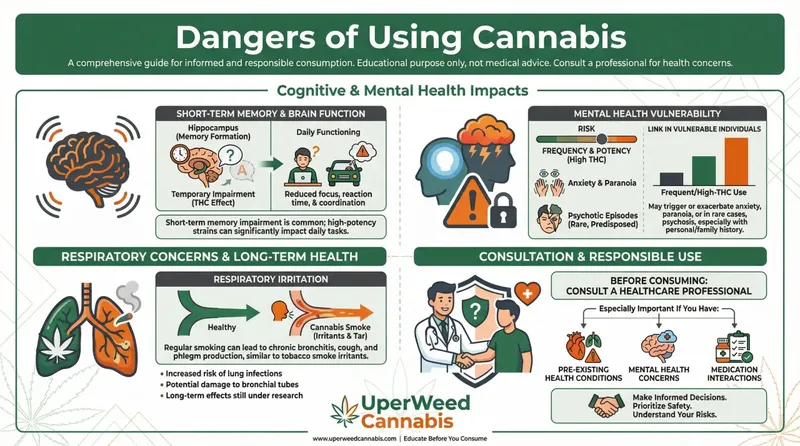
Click the image to view full size
This article is for educational purposes only and does not constitute medical advice. If you have pre-existing health conditions or concerns about cannabis use, consult with a healthcare professional before consuming cannabis products.
Cognitive and Mental Health Impacts
One of the most researched areas concerning cannabis safety involves its effects on the brain, particularly with frequent or heavy use. Short-term memory impairment is among the most commonly reported cognitive effects, with THC temporarily affecting the hippocampus—the brain region responsible for forming new memories. While these effects are typically temporary, they can impact daily functioning, especially when consuming high-potency strains.
More concerning is the potential link between cannabis use and mental health conditions in vulnerable individuals. Research suggests that frequent use, particularly of high-THC products, may trigger or exacerbate anxiety, paranoia, and in rare cases, psychotic episodes in predisposed individuals. Those with a personal or family history of schizophrenia or other psychotic disorders should exercise extreme caution.
The risk appears dose-dependent and strain-specific. Sativa-dominant strains like Dragon Haze with THC levels exceeding 32% can produce more intense cerebral effects that some users find overwhelming or anxiety-inducing. Starting with lower-potency products and understanding your personal tolerance is critical.
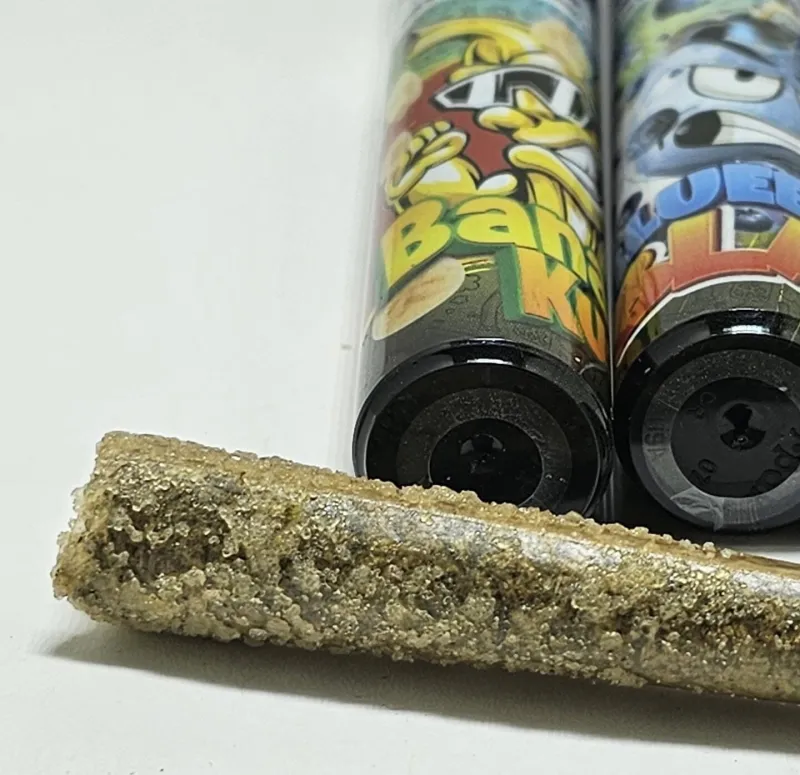
Premium Moonrockets by Drizzle Factory
Ultra-potent moonrock pre-rolls with flower, distillate, and kief. Intense euphoria and...
Adolescents and young adults face heightened risks, as cannabis use during critical brain development periods (under age 25) has been associated with potential long-term cognitive impacts, including reduced IQ scores and impaired executive function in some studies.
Respiratory and Cardiovascular Concerns
Smoking remains one of the most popular consumption methods, but it carries genuine respiratory risks. Combusting cannabis produces many of the same harmful compounds found in tobacco smoke, including tar and carcinogens. Chronic cannabis smokers often experience symptoms like persistent cough, increased phlegm production, and bronchitis.
While the link between cannabis smoking and lung cancer remains inconclusive and less clear than with tobacco, the irritation to lung tissue is undeniable. Heavy, long-term smokers may experience reduced lung function and chronic obstructive pulmonary disease (COPD) symptoms. For those concerned about respiratory health, alternative consumption methods like vaporizers or edibles eliminate combustion-related risks entirely.
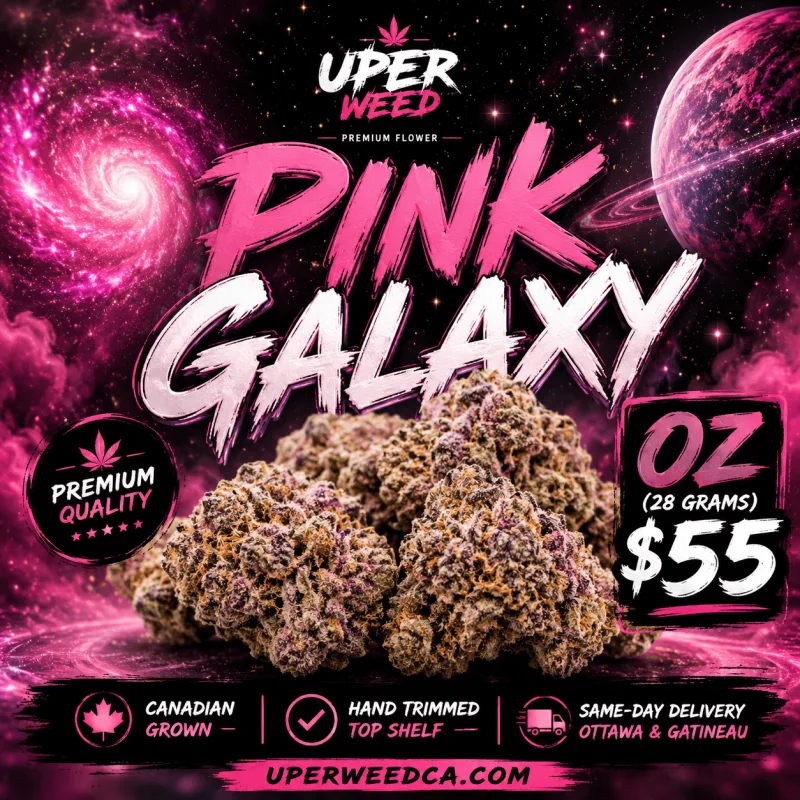
Pink Galaxy
31.90% THC heavyweight indica with sweet pine and skunk notes. Premium AA cannabis for ...
Cardiovascular effects present another area of concern, particularly for individuals with existing heart conditions. Cannabis use causes temporary increases in heart rate (tachycardia) and can affect blood pressure. Within minutes of consumption, heart rate can increase by 20-50 beats per minute, potentially lasting up to three hours. For individuals with heart disease, arrhythmias, or history of heart attack, this cardiovascular stress poses genuine risks and warrants medical consultation before use.
Dependency and Cannabis Use Disorder
Contrary to outdated beliefs that cannabis is completely non-addictive, research confirms that approximately 9% of cannabis users develop dependency, with rates increasing to 17% among those who start using in adolescence and up to 50% among daily users. While cannabis dependency is generally considered less severe than addiction to alcohol, opioids, or stimulants, it's a real phenomenon that shouldn't be dismissed.
Cannabis Use Disorder (CUD) is characterized by continued use despite negative consequences, tolerance development requiring higher doses for the same effects, withdrawal symptoms upon cessation, and unsuccessful attempts to quit. Withdrawal symptoms, though typically mild compared to other substances, can include irritability, sleep difficulties, decreased appetite, restlessness, and mood changes lasting up to two weeks.
High-potency concentrates and daily consumption patterns increase dependency risk. Products like Heisenberg Extractions 6g THC vapes offer convenience and discretion but may facilitate more frequent use patterns that contribute to tolerance buildup and potential dependency.

Truphoria Psilocybin Chocolate Bars 5G
Premium 5g psilocybin chocolate bar with 4 servings, smooth taste, and consistent poten...
Impaired Driving and Accident Risks
Cannabis significantly impairs motor coordination, reaction time, and judgment—skills essential for safe driving. The risk of motor vehicle accidents approximately doubles under cannabis influence, with risks compounding dramatically when combined with alcohol. Despite legalization in many jurisdictions, driving under the influence of cannabis remains illegal everywhere and poses serious safety concerns.
THC's effects on driving ability can last 3-4 hours after smoking, though impairment duration varies based on tolerance, consumption method, and dosage. Edibles present particular challenges, as effects onset slowly and can intensify unexpectedly. A cardinal rule of responsible cannabis use: never drive while impaired, and wait adequate time before operating vehicles or machinery.
Beyond driving, cannabis impairment increases risks of workplace accidents, falls, and injuries requiring spatial awareness and coordination. Timing consumption appropriately and understanding how different strains affect you personally is crucial for safety.
Special Populations at Higher Risk
Certain groups face elevated risks from cannabis use and should exercise additional caution or avoid consumption entirely:
- Pregnant and breastfeeding women: THC crosses the placental barrier and appears in breast milk. While research is ongoing, potential developmental impacts warrant abstaining during pregnancy and nursing.
- Adolescents and young adults: Brain development continues into the mid-20s, making younger users more vulnerable to cognitive impacts and dependency.
- Individuals with mental health conditions: Those with schizophrenia, bipolar disorder, severe anxiety, or depression should consult mental health professionals before using cannabis.
- People with heart conditions: Given cardiovascular effects, individuals with heart disease should seek medical guidance.
- Those taking certain medications: Cannabis can interact with blood thinners, sedatives, and other medications—always consult your physician about potential interactions.
Harm Reduction Strategies for Safer Consumption
Understanding risks doesn't mean avoiding cannabis entirely—it means consuming more safely and responsibly. Here are evidence-based harm reduction strategies:
- Start low, go slow: Begin with lower-potency products and small doses, especially if you're new to cannabis or trying a new consumption method.
- Choose quality products: Purchase from licensed dispensaries offering lab-tested products free from contaminants, pesticides, and mold.
- Consider consumption method: Vaporizing or edibles eliminate smoke-related respiratory risks.
- Avoid mixing substances: Combining cannabis with alcohol or other drugs compounds impairment and increases adverse effect risks.
- Set boundaries: Establish personal rules about frequency of use, situations where you won't consume, and consumption limits.
- Monitor your patterns: Regularly assess your relationship with cannabis. If use is interfering with responsibilities or relationships, seek support.
- Store safely: Keep all cannabis products securely away from children and pets—accidental ingestion is increasingly common as edibles become more available.



If you're seeking the benefits of cannabis with potentially fewer risks, consider exploring strains with balanced THC:CBD ratios or CBD-dominant products. CBD (cannabidiol) offers therapeutic benefits without the intoxicating effects of THC and carries fewer safety concerns for most users.
Fatal overdoses from cannabis alone are virtually unheard of. However, consuming too much—especially with edibles—can cause extremely uncomfortable experiences including severe anxiety, paranoia, rapid heartbeat, nausea, and vomiting. These effects are temporary but unpleasant. This is often called 'greening out' rather than overdosing.
Detection times vary significantly based on frequency of use, metabolism, and testing method. For occasional users, THC may be detectable in urine for 3-7 days. For daily users, it can remain detectable for 30+ days. Blood tests detect recent use (hours to days), while hair tests can detect use for up to 90 days.
Vaporizing cannabis is generally considered safer than smoking because it heats cannabis to temperatures that release cannabinoids without combustion, eliminating many harmful byproducts of smoke. However, vaping isn't risk-free—use only regulated products from licensed sources and avoid black market vape cartridges, which have been linked to serious lung injuries.
Stay calm and reassure the person that the effects are temporary. Move them to a quiet, comfortable environment. Offer water and light snacks. Encourage slow, deep breathing. Do not leave them alone if they're very distressed. If symptoms are severe (chest pain, difficulty breathing, seizures), seek emergency medical help immediately. Be honest with medical professionals about what was consumed.
Education and self-awareness are your best tools for safe cannabis consumption. Understanding how different strains, potencies, and consumption methods affect you personally allows for more controlled, enjoyable experiences with minimized risks.
The Bottom Line: Informed Choices for Responsible Use
Cannabis isn't inherently dangerous for most adult users when consumed responsibly, but pretending it's completely risk-free does a disservice to consumers. The dangers are real but manageable with education, quality products, appropriate dosing, and honest self-assessment of your consumption patterns.
The evolving legal landscape means more people than ever have access to cannabis, making evidence-based education more important than ever. By understanding potential risks—from cognitive impacts to respiratory concerns, from dependency potential to impairment dangers—you're empowered to make choices that work for your individual circumstances and health profile.
Remember that cannabis affects everyone differently. Factors like genetics, tolerance, mental health status, and even your environment during consumption influence your experience. What's safe and enjoyable for one person might be problematic for another. Listen to your body, respect the plant, and never hesitate to seek professional guidance if you have concerns about your cannabis use.
Shop Responsibly with UperWeed
Explore our curated selection of lab-tested, premium cannabis products. From lower-potency options for beginners to high-quality concentrates for experienced users, we offer something for every responsible consumer.
Browse Our SelectionWhether you're exploring cannabis for the first time or you're a longtime enthusiast, prioritizing safety and informed decision-making ensures that your cannabis experiences remain positive, beneficial, and free from unnecessary risks. Stay educated, stay safe, and enjoy responsibly.