Walk into any dispensary or browse any online cannabis menu and you'll encounter two terms that cause more confusion than clarity: full spectrum and isolate. These aren't just marketing buzzwords designed to justify price differences. They represent fundamentally different approaches to cannabis consumption, each delivering distinct experiences, benefits, and drawbacks that matter deeply to how your body processes cannabinoids.
For Canadian cannabis consumers navigating an increasingly sophisticated market, understanding the difference between full spectrum and isolate products isn't academic,it's practical. Whether you're managing chronic pain, seeking recreational relaxation, or exploring cannabis for the first time, the choice between whole-plant extracts and isolated compounds will shape your experience more than strain names or THC percentages ever could. This comprehensive guide breaks down the science, compares the effects, and helps you determine which product category aligns with your specific needs and preferences.
Understanding Full Spectrum Cannabis Products
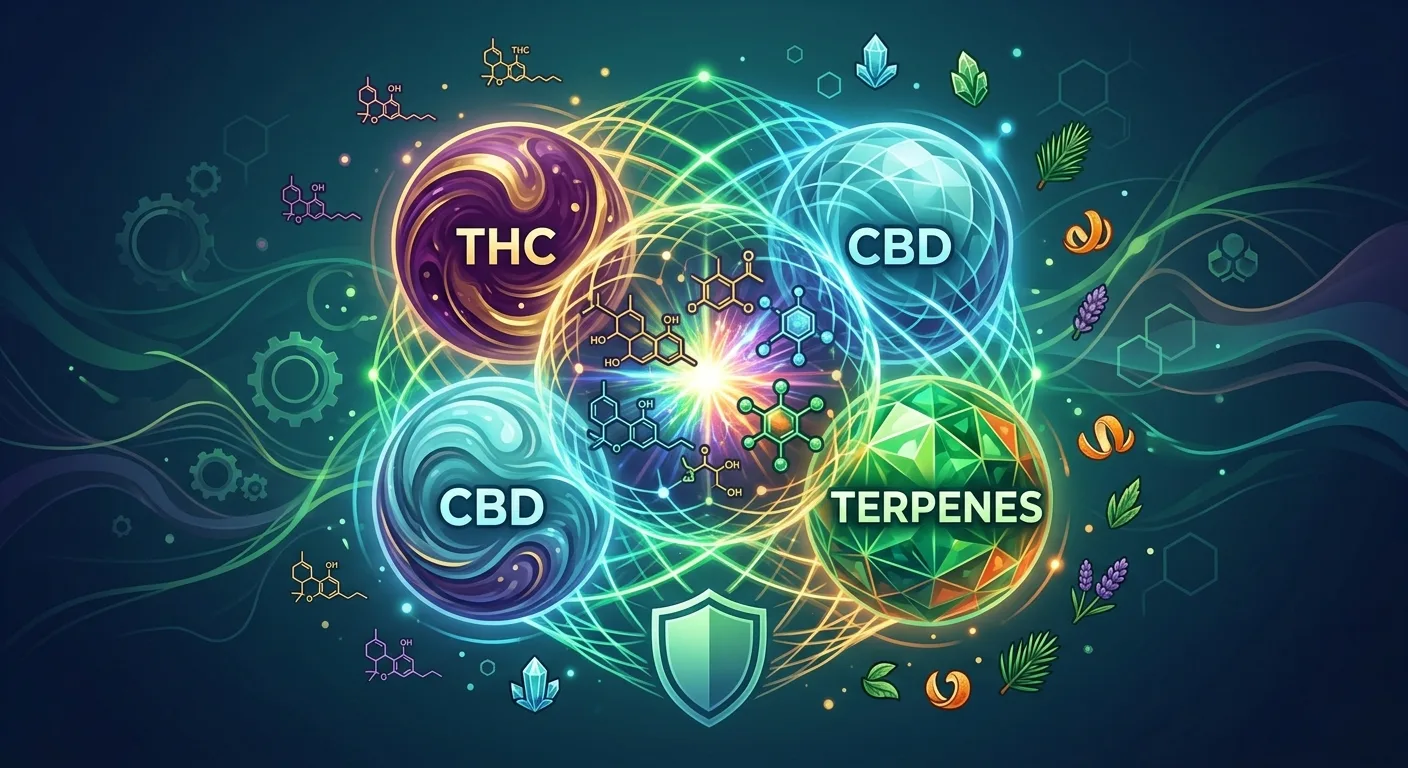
Full spectrum cannabis products preserve the complete chemical profile found in the living plant. When processors create full spectrum extracts, concentrates, or infusions, they intentionally retain the hundreds of compounds that cannabis naturally produces,not just THC or CBD, but the entire orchestra of cannabinoids, terpenes, flavonoids, and other phytochemicals that work together in what scientists call the entourage effect.
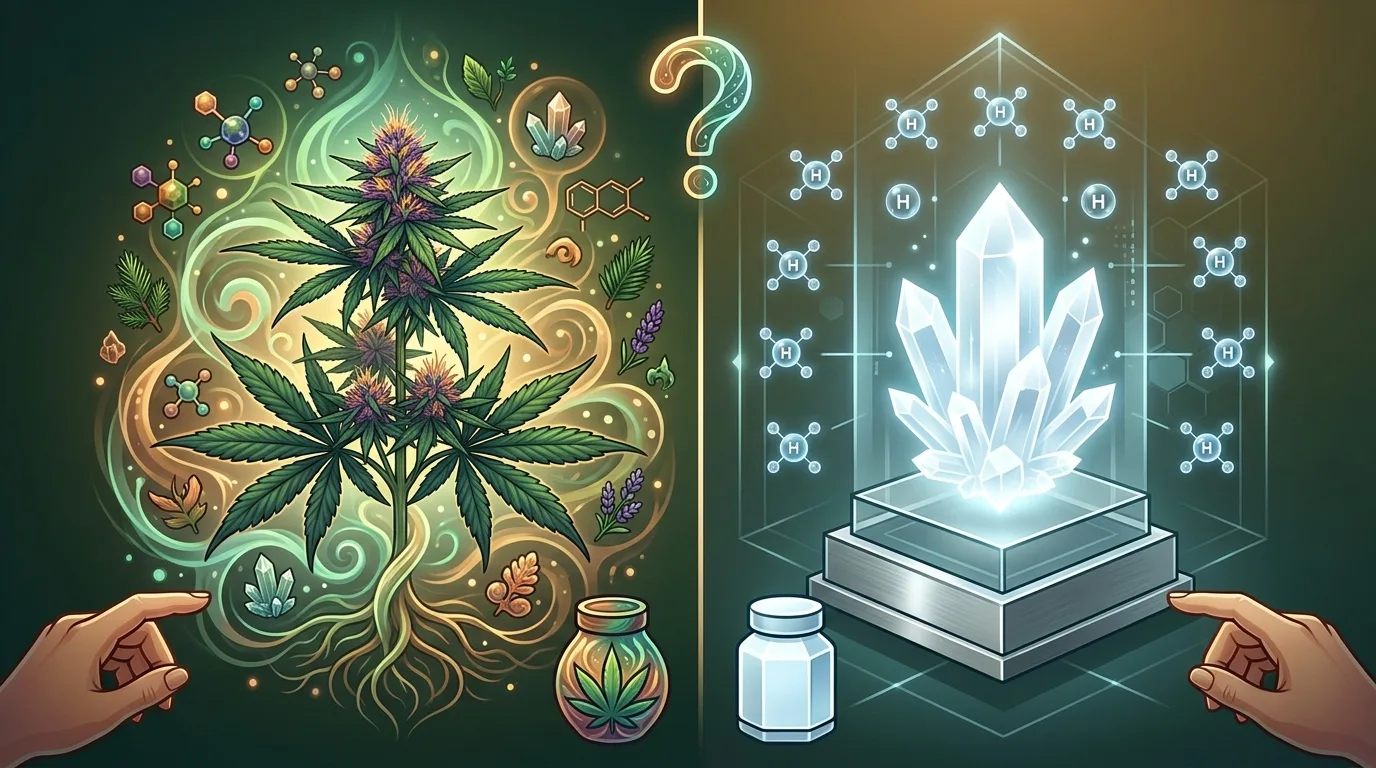
Think of full spectrum products as the whole-food approach to cannabis consumption. Just as nutritionists emphasize eating whole oranges rather than isolated vitamin C supplements, cannabis researchers have discovered that preserving the plant's natural complexity often produces superior therapeutic outcomes compared to single-molecule products.
What's Actually in Full Spectrum Products
A typical full spectrum cannabis extract contains far more than meets the eye. Beyond the dominant cannabinoids THC and CBD, you'll find minor cannabinoids like CBG, CBN, CBC, and THCV in varying concentrations. Each contributes its own subtle effects to the overall experience.
The terpene profile remains equally important. These aromatic compounds,responsible for cannabis's distinctive smells,don't just provide fragrance. Myrcene contributes to sedative effects, limonene may elevate mood, pinene supports alertness and memory, while caryophyllene activates cannabinoid receptors directly. Full spectrum products preserve these terpenes in their natural ratios, maintaining the synergistic relationships evolution designed over millions of years.
Flavonoids, though less discussed, add another dimension. These compounds contribute to cannabis's colour, taste, and potential anti-inflammatory properties. The entourage effect relies heavily on these supporting actors working in concert with star cannabinoids to modulate and enhance therapeutic outcomes.
How Full Spectrum Products Are Made
Creating quality full spectrum extracts requires careful processing that preserves delicate plant compounds. Most producers use methods like CO2 extraction, ethanol washing, or hydrocarbon extraction,each technique attempting to capture the plant's chemistry while removing unwanted materials like chlorophyll, lipids, and plant waxes.
The extraction temperature matters enormously. High heat degrades terpenes and alters cannabinoid profiles. Premium full spectrum products use low-temperature extraction methods that protect volatile compounds, though this gentler approach typically costs more and produces lower yields. You're paying for preservation, not just potency.
Quality control becomes crucial with full spectrum products. Reputable producers test not just for cannabinoid percentages but for terpene profiles, residual solvents, pesticides, heavy metals, and microbial contamination. The complexity that makes full spectrum products therapeutically interesting also makes them more challenging to produce consistently.
Breaking Down Cannabis Isolate Products
Isolate products represent the opposite philosophy: radical reductionism. Through extensive refinement, processors strip away everything except a single cannabinoid molecule, typically THC or CBD. The result resembles pharmaceutical-grade purity,crystalline powder or liquid that contains upwards of 95-99% of one specific compound with virtually everything else removed.
This approach appeals to consumers seeking precise dosing, predictable effects, and complete control over their cannabinoid intake. Isolates allow users to know exactly what they're consuming and in what quantity, without the variables introduced by terpenes, minor cannabinoids, or batch-to-batch plant variations.
The Isolation Process Explained
Creating cannabinoid isolate requires multiple purification stages beyond standard extraction. After initial extraction produces a crude oil, processors employ techniques like winterization (removing fats and waxes), decarboxylation (activating cannabinoids), and distillation (separating compounds by boiling point). The process continues through crystallization or chromatography until only the target molecule remains.
THC isolate typically appears as translucent crystals or white powder. CBD isolate looks similar,colourless, odourless, tasteless crystalline structures that bear no resemblance to cannabis flower. This purity eliminates the plant taste and smell some consumers find objectionable, making isolates popular ingredients in edibles, beverages, and topicals where cannabis flavour isn't desired.
Why Some Consumers Choose Isolates
Predictability tops the list of isolate advantages. With full spectrum products, effects vary based on terpene profiles, minor cannabinoid ratios, and individual biochemistry. Isolates eliminate most variables. If you consume 10mg of THC isolate, you know precisely what you're getting,not 10mg of THC plus an unpredictable mix of other compounds that might intensify, moderate, or otherwise modify the experience.
Drug testing concerns drive some consumers toward CBD isolate specifically. While CBD itself won't trigger positive results on standard drug screens, full spectrum CBD products contain trace amounts of THC (up to 0.3% legally). For individuals subject to workplace testing or professional licensing requirements, even these minimal THC levels present unacceptable risks. CBD isolate eliminates this concern entirely.
Flavour flexibility matters particularly for edible manufacturers and home cooks. Isolate's neutral taste integrates seamlessly into any recipe without introducing cannabis's distinctive flavour profile. You can infuse isolate into coffee, smoothies, or baked goods without the earthy, sometimes harsh taste that accompanies full spectrum extracts.
The Entourage Effect: Why Whole-Plant Chemistry Matters
The entourage effect represents perhaps the most compelling argument for full spectrum products. This concept, extensively researched by scientists like Raphael Mechoulam and Ethan Russo, proposes that cannabis compounds work better together than in isolation,that the therapeutic potential of the whole plant exceeds the sum of its individual parts.
Clinical evidence increasingly supports this hypothesis. Studies comparing pure THC to whole-plant extracts consistently demonstrate that patients achieve therapeutic benefits at lower doses when using full spectrum products. The presence of CBD moderates THC's psychoactive intensity while extending its duration. Minor cannabinoids contribute their own subtle effects. Terpenes modulate cannabinoid receptor activity and cross the blood-brain barrier independently, adding therapeutic dimensions impossible with isolated compounds.
Real-World Evidence From Patient Experiences
Anecdotal reports from medical cannabis patients paint a clear picture. Those treating chronic pain often report that full spectrum products provide superior relief compared to equivalent doses of THC isolate. The difference isn't dramatic enough to show up in every clinical trial, but it's consistent enough that experienced consumers notice and adjust their purchasing accordingly.
The mechanism appears multifaceted. Beta-caryophyllene, for instance, directly activates CB2 receptors involved in inflammation control. When present alongside THC and CBD in full spectrum products, it adds anti-inflammatory action that isolate products lack. Similarly, myrcene may enhance cannabinoid absorption across cell membranes, potentially explaining why full spectrum products feel more potent despite identical THC percentages.
Cannabis consumers managing anxiety present an interesting case study. Pure THC can exacerbate anxiety in susceptible individuals, particularly at higher doses. Full spectrum products containing CBD, linalool, and other anxiolytic compounds tend to produce calmer, more controllable experiences. The entourage effect acts as a natural safety mechanism, tempering THC's intensity through built-in modulatory compounds.
When the Entourage Effect Might Not Matter
Despite compelling research, the entourage effect doesn't universally dictate that full spectrum products reign supreme. Individual biochemistry varies dramatically. Some consumers metabolize cannabinoids unusually, possess unique receptor densities, or have endocannabinoid systems that respond better to isolated compounds.
Certain therapeutic applications may benefit from isolate precision. If you're micro-dosing THC for focus and creativity, the unpredictable variables introduced by full spectrum products might complicate finding your optimal dose. If you're using CBD exclusively for daytime anxiety relief and find that even trace amounts of THC cause unwanted psychoactivity, isolate delivers exactly what you need without complications.
Comparing Effects: Full Spectrum vs Isolate in Practice
Understanding theoretical differences helps, but practical experience reveals the distinction's true significance. Users consistently report qualitative differences between full spectrum and isolate products that extend beyond simple potency measurements or duration of effects.
Full spectrum products typically produce what consumers describe as deeper, more complete highs when using THC-dominant extracts. The experience feels multi-dimensional,more body sensation, richer cognitive effects, greater mood elevation. These products also tend toward complexity that some find overwhelming but others consider essential to authentic cannabis experiences. The psychoactive journey with full spectrum THC feels less linear, more organic, occasionally unpredictable in ways that mirror smoking flower.
THC isolate, by contrast, delivers clean, focused psychoactivity. Users report clearer headspaces, less body sensation, and effects that feel more pharmaceutical. For consumers who dislike cannabis's sometimes cloudy mental effects or who need functional highs that don't interfere with daily responsibilities, this clarity proves advantageous. The experience lacks full spectrum's depth but gains in predictability and mental acuity.
Duration and Intensity Patterns
Clinical research suggests full spectrum products extend therapeutic windows compared to isolates. Patients using full spectrum CBD extracts for epilepsy, for instance, often achieve seizure control with lower doses taken less frequently than required with CBD isolate. Similar patterns emerge with THC products,full spectrum extracts seem to provide longer-lasting relief despite equivalent cannabinoid quantities.
The intensity curve also differs. Isolate products tend toward sharper onset and more defined peaks. You feel them kick in distinctly, experience a clear apex, then notice a relatively linear descent. Full spectrum products blur these boundaries,gentler onset, broader peaks, extended tails that fade gradually rather than dropping off. For medical users seeking consistent symptom management, this extended duration proves clinically valuable. For recreational users seeking specific experience windows, isolate's definition might prove preferable.
Tolerance Development Considerations
An often-overlooked distinction involves tolerance development. Consumers using THC isolate products exclusively often report faster tolerance buildup requiring frequent dosage increases to maintain effects. The complexity of full spectrum products may slow this process through multiple mechanisms,varied receptor activation patterns, broader pharmacological activity, and potentially protective effects from minor cannabinoids that modulate receptor downregulation.
Experienced cannabis consumers sometimes rotate between full spectrum and isolate products strategically. They'll use full spectrum for therapeutic baseline needs and isolates for specific applications requiring precision. This approach leverages both product categories' strengths while potentially minimizing tolerance issues associated with monotonous cannabinoid exposure patterns.
Who Should Choose Full Spectrum Products
Full spectrum products serve several consumer profiles particularly well. Medical cannabis patients treating complex conditions like chronic pain, inflammation, autoimmune disorders, or neurological conditions typically benefit most from whole-plant approaches. The entourage effect's therapeutic synergies prove most valuable when addressing multifaceted health issues requiring broad-spectrum cannabinoid activity.
Consumers prioritizing authenticity and traditional cannabis experiences gravitate toward full spectrum products naturally. If you enjoyed cannabis flower for years and now explore concentrates or edibles, full spectrum products preserve the experiential qualities you value,the nuanced flavours, complex effects, and genuine cannabis character that isolates sacrifice for purity.
Those managing conditions with inflammatory components,arthritis, Crohn's disease, multiple sclerosis,often report superior outcomes with full spectrum products. The anti-inflammatory terpenes and minor cannabinoids present in whole-plant extracts contribute therapeutic value beyond what THC or CBD alone provide. Beta-caryophyllene's CB2 activation, CBG's anti-inflammatory properties, and various terpenes' complementary mechanisms create multi-target approaches to inflammation management.
When Cannabis Flavour Enhances Rather Than Detracts
Full spectrum products suit consumers who appreciate cannabis's natural flavour profile. If you enjoy the earthy, sometimes pungent taste of quality cannabis, full spectrum concentrates, tinctures, and edibles deliver concentrated versions of those flavours. Premium products showcase terpene profiles that connoisseurs savour,the citrus punch of limonene-rich extracts, the fuel-forward intensity of caryophyllene-dominant concentrates, or the sweet earthiness of myrcene-heavy oils.
Experienced cannabis users seeking entourage-enhanced recreational experiences find full spectrum products indispensable. The complexity, depth, and variability these products provide transforms cannabis consumption from simple intoxication into nuanced psychoactive exploration. Different terpene profiles produce distinctly different experiences even at identical THC levels,a phenomenon impossible with isolates.
Who Should Choose Isolate Products
Isolate products serve different needs equally legitimate. New cannabis users often benefit from isolate's predictability. When you're still learning how your body responds to cannabinoids, removing variables helps establish baseline reactions. You can determine your THC threshold, understand your CBD sensitivity, and build cannabis litreacy without the complications full spectrum products introduce.
Consumers subject to drug testing who want CBD's benefits face a binary choice: CBD isolate or abstention. Even full spectrum hemp-derived CBD products containing legal THC levels (under 0.3%) can theoretically trigger positive drug screens with heavy use. For teachers, healthcare professionals, transportation workers, or anyone in safety-sensitive positions, CBD isolate eliminates this risk entirely while preserving access to cannabidiol's therapeutic potential.
Precision Dosing Applications
Medical applications requiring exact dosing favour isolates strongly. If you're working with a physician to titrate CBD for epilepsy management or exploring THC for chemotherapy-related nausea, isolates provide the pharmaceutical precision that full spectrum products can't match. Batch-to-batch consistency matters enormously when dialing in therapeutic windows, and isolates deliver reliability that whole-plant extracts struggle to replicate.
Consumers creating custom cannabinoid ratios benefit from isolate's flexibility. Want a precise 2:1 CBD:THC ratio? Mixing isolates allows mathematical precision impossible with full spectrum products. This matters particularly for patients following specific protocols or anyone experimenting systematically to find their optimal cannabinoid balance. Understanding your ideal dosing requires consistency that isolates provide inherently.
When Neutrality Matters More Than Character
Culinary applications often demand isolate's neutral profile. If you're infusing THC into gourmet cuisine or CBD into specialty beverages, cannabis flavour usually detracts rather than enhances. Isolate integrates invisibly into any recipe, allowing food's intended flavours to shine without competing against cannabis's assertive taste. This proves essential for mainstream edible products targeting consumers who want effects without plant flavour.
Individuals hypersensitive to specific terpenes or minor cannabinoids benefit from isolate's simplicity. Some people experience headaches from high-myrcene products, anxiety from THC-rich full spectrum extracts, or unwanted sedation from CBN-containing whole-plant products. Isolates allow these consumers to access primary cannabinoid benefits while avoiding problematic secondary compounds.
Making Your Personal Choice: Key Decision Factors
Choosing between full spectrum and isolate products ultimately depends on individual circumstances, goals, and preferences. Several key factors should guide your decision-making process beyond theoretical advantages either category offers.
Your primary consumption goal heavily influences ideal product types. Recreational users seeking rich, complex experiences typically prefer full spectrum products. Medical patients requiring precise symptom management often choose isolates. Those falling between these extremes might benefit from maintaining both product types for different occasions or needs.
Budget considerations matter practically. Full spectrum products generally cost more per milligram of cannabinoid due to complex extraction requirements and lower yields. Isolates offer concentrated potency at competitive prices, making them attractive for cost-conscious consumers. However, the entourage effect's dose-sparing properties may mean you need less full spectrum product for equivalent effects, potentially offsetting initial price differences.
Starting Points for Different Consumer Types
Cannabis newcomers benefit from starting with low-dose full spectrum products when possible. The built-in modulation that minor cannabinoids and terpenes provide creates gentler, more forgiving experiences than pure THC isolate, which can prove overwhelming at surprising low doses. A 5mg full spectrum edible typically feels less intense than 5mg of THC isolate, giving beginners wider margin for error while learning their tolerance.
Medical patients should ideally consult healthcare providers familiar with cannabis therapeutics before committing to either category. Conditions like epilepsy or severe neuropathic pain often respond better to full spectrum approaches. Anxiety disorders sometimes improve more with isolated CBD to avoid even trace THC. Professional guidance helps navigate these nuances more effectively than trial and error, though availability of cannabis-educated physicians remains unfortunately limited across Canada.
Mixing and Matching Based on Situation
Many sophisticated cannabis consumers maintain both full spectrum and isolate products for different contexts. They might use full spectrum concentrates for evening relaxation when complexity enhances enjoyment, then switch to THC isolate edibles for daytime micro-dosing when predictability matters more than depth. This flexible approach leverages each product category's strengths while avoiding their respective limitations.
The same logic applies to CBD products. Full spectrum CBD tinctures might provide superior anxiety relief and sleep support through entourage effects, while CBD isolate proves preferable for daytime use or when drug testing concerns exist. No rule mandates choosing one category exclusively,strategic selection based on immediate needs optimizes cannabis benefits.
Product Examples: Full Spectrum and Isolate Options
Understanding theoretical differences helps, but examining actual products available through same-day delivery services like UperWeed demonstrates practical applications. Canadian consumers access both full spectrum and isolate products across multiple categories including flowers, concentrates, edibles, and vapes.
Among concentrates, products like Drizzle Factory Shatter represent full spectrum extraction at accessible prices. These concentrates preserve terpene profiles from source strains while concentrating cannabinoids to 70-90% levels. Users experience strain-specific effects that flower smokers recognize,the sedating body high of indica shatter differs markedly from sativa versions' cerebral energy, despite similar THC percentages. This variability demonstrates full spectrum products' complexity.
For those seeking premium full spectrum experiences, imported hash varieties offer traditional whole-plant consumption. Products like Afghan Blond Hash or Moroccan hash contain the complete cannabinoid and terpene profiles preserved through gentle, traditional processing methods. These time-tested concentrates showcase how humans have valued full spectrum cannabis extracts for centuries before modern extraction technology existed.
Isolate-Forward Products in the Canadian Market
While pure isolate powder remains less common in recreational markets, many distillate vapes and edibles approach isolate purity. THC distillate contains 85-95% pure cannabinoid with most terpenes and minor compounds stripped away during multi-stage refinement. Though some producers re-introduce terpenes after distillation (creating "broad spectrum" products), the base material starts as near-isolate before any additions.
Edible products frequently use isolate or distillate as active ingredients for flavour flexibility and dosing precision. Gummies, beverages, and capsules benefit from isolate's neutral taste and consistent potency. When you consume a precisely dosed 10mg THC edible, you're likely consuming near-isolate THC regardless of marketing language suggesting "cannabis-infused" products.
The Future of Cannabis Product Development
The full spectrum versus isolate debate evolves as extraction technology advances and consumer education deepens. Emerging categories blur traditional boundaries,broad spectrum products that preserve terpenes and minor cannabinoids while removing THC, minor cannabinoid isolates (CBG, CBN, THCV) that enable custom formulations, and precision-blended products combining isolates strategically to mimic or enhance natural cannabinoid ratios.
Pharmaceutical cannabis development trends toward isolated and synthetic cannabinoids for regulatory approval ease. Epidiolex, the first FDA-approved cannabis-derived medication, uses pure CBD isolate specifically because regulatory pathways for single-molecule drugs exist while whole-plant medicines face approval obstacles. This pharmaceutical preference for isolates contrasts sharply with medical cannabis community trends favouring full spectrum products based on patient outcomes and clinical observations.
Consumer preferences increasingly support full spectrum products as cannabis litreacy improves. Early legal markets saw isolate dominance driven by producers' inability to preserve delicate compounds and consumers' inexperience. As extraction expertise grows and users develop sophisticated preferences, demand shifts toward products preserving cannabis's natural complexity. Premium markets emphasize terpene profiles, minor cannabinoid content, and whole-plant authenticity,characteristics impossible with isolates.
Frequently Asked Questions About Full Spectrum vs Isolate Products
Absolutely. Many experienced consumers combine product types strategically. You might use a full spectrum tincture as your baseline and add CBD isolate for extra anxiety relief, or start with full spectrum flower and add THC isolate for increased potency without changing the terpene profile. Mixing categories gives you customization flexibility impossible with either alone.
Not necessarily higher, but differently. Full spectrum products typically feel more complex and sometimes more intense due to the entourage effect, but individual responses vary significantly. Some people find full spectrum products overwhelming, while others need higher doses of isolate to achieve comparable effects. The experience quality differs more than raw intensity.
Possibly, though unlikely with responsible use. Full spectrum CBD products legally contain up to 0.3% THC. Most standard drug tests won't detect this level from normal CBD consumption, but heavy daily use theoretically could accumulate enough THC metabolites to trigger positive results. If drug testing matters professionally, choose CBD isolate to eliminate all risk.
Full spectrum extraction requires gentler processing methods that preserve delicate terpenes and minor cannabinoids, resulting in lower yields and higher production costs. Quality full spectrum products also demand careful sourcing of premium flower, extensive testing for comprehensive cannabinoid profiles, and expertise that isolate production doesn't require. You're paying for preserved complexity, not just cannabinoid concentration.