Ever wondered why you can't just pluck a cannabis bud off the plant, eat it, and get high? Or why your friend insists on heating their weed in the oven before making brownies? The answer lies in a crucial chemical process called decarboxylation , the transformation that unlocks cannabis's psychoactive potential. Without this fundamental reaction, raw cannabis flower is about as intoxicating as garden basil. Understanding decarboxylation is essential whether you're smoking, vaping, making edibles, or exploring any other consumption method. This guide breaks down the science in simple terms and shows you exactly why heat is cannabis's best friend.
Decarboxylation sounds complex, but it's actually straightforward chemistry that happens every time you light up. The process converts inactive cannabinoid acids in raw cannabis into the active compounds that produce effects. Think of it as flipping a molecular switch that turns potential into reality. For Canadian cannabis consumers who want to maximize their purchase from Ottawa dispensaries or understand what's happening when they consume, this knowledge is both fascinating and practical.
What Is Decarboxylation? The Chemistry Behind Cannabis Activation
Decarboxylation is the chemical reaction that removes a carboxyl group (COOH) from cannabinoid acids, transforming them into their active forms. In raw cannabis plants, cannabinoids exist primarily as acids: THCA (tetrahydrocannabinolic acid) and CBDA (cannabidiolic acid). These acidic precursors have their own benefits, but they don't produce the psychoactive effects cannabis is known for.
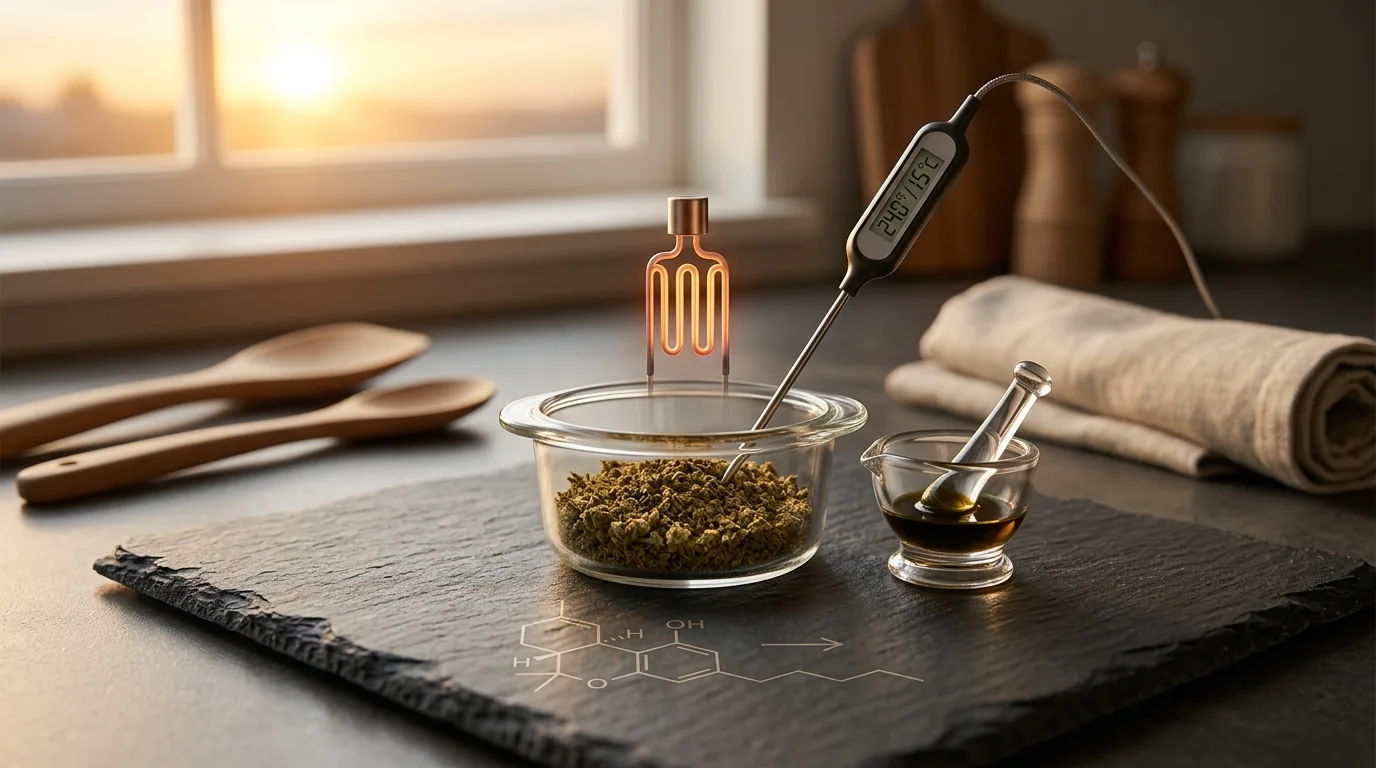
When you apply heat to cannabis, the carboxyl group breaks away as carbon dioxide (CO2), leaving behind the activated cannabinoids THC and CBD. This is why the process is called decarboxylation , litreally meaning "removing the carboxyl group." The temperature required for this transformation typically ranges between 220°F and 245°F (104°C to 118°C), with the sweet spot around 240°F (115°C) for optimal THC conversion.
The Molecular Transformation
At the molecular level, THCA has an extra carbon atom attached in the form of that carboxyl group. This seemingly small difference has massive implications. The carboxyl group prevents THCA from fitting into the CB1 receptors in your brain and nervous system , the same receptors that produce cannabis's characteristic high. Once heat removes this molecular roadblock, THC can bind freely to these receptors and create psychoactive effects.
The same principle applies to other cannabinoids. CBDA becomes CBD, CBGA becomes CBG, and so on. Each cannabinoid acid requires slightly different temperatures and times for optimal conversion, but the fundamental chemistry remains the same. This is why different consumption methods, from smoking to vaping to edibles, all require some form of heat application.
Why Raw Cannabis Won't Get You High
If you were to eat raw cannabis flower straight from the jar, you'd consume primarily THCA, not THC. THCA has a different molecular shape that can't activate CB1 receptors effectively. Some research suggests THCA may have anti-inflammatory and neuroprotective properties, but it won't produce intoxication. This is why cannabis smoothies or raw cannabis juice won't get you high unless the plant material has been heated first.
This also explains why cannabis plants growing in a garden don't pose an intoxication risk to pets or children who might nibble on them. The psychoactive potential remains locked until heat activates it. Only through decarboxylation does THC emerge in its pharmacologically active form.
How Different Consumption Methods Trigger Decarboxylation
Every cannabis consumption method involves decarboxylation, but the process happens differently depending on how you're using your product. Understanding these differences helps you choose the right method and troubleshoot issues when effects don't match expectations.
Smoking and Combustion
When you light cannabis in a pipe, joint, or bong, combustion instantly decarboxylates the cannabinoids. The flame reaches temperatures of 1400°F (760°C) or higher, far exceeding what's needed for decarboxylation. This immediate, complete conversion is why smoking produces such rapid effects , usually within minutes. However, the extreme heat also destroys some cannabinoids and terpenes, reducing overall efficiency.
The cherry of a lit joint maintains temperatures between 700°F and 900°F (370°C to 480°C) as it burns, continuously decarboxylating fresh material. This is why pre-rolls and traditional flower from Ottawa weed stores remain popular despite newer technologies , the simplicity is foolproof. You don't need to worry about whether decarboxylation happened; the act of lighting ensures it.
Vapourizing for Controlled Decarboxylation
Vapourizers heat cannabis to temperatures below combustion, typically between 350°F and 430°F (177°C to 221°C). This controlled heating decarboxylates cannabinoids efficiently while preserving more terpenes and producing fewer harmful byproducts than smoking. The Drizzle Factory vape cartridges use this principle to deliver smooth, flavourful hits with complete cannabinoid activation.
Temperature control in vapourizers allows you to target specific cannabinoids and terpenes. Lower temperatures (around 350°F to 375°F) preserve more terpenes for flavour, while higher temperatures (400°F to 430°F) ensure complete THC extraction. The gradual heating means decarboxylation happens more slowly than with combustion, but the process is far more efficient overall.
Making Edibles: The Oven Method
Creating cannabis edibles requires intentional decarboxylation before cooking. Raw flower or concentrates must be heated in an oven to activate cannabinoids before infusing them into butter, oil, or other ingredients. The standard process involves spreading ground cannabis on a baking sheet and heating it at 240°F (115°C) for 30 to 40 minutes.
This controlled, even heating ensures maximum THC conversion without destroying cannabinoids through overheating. The decarboxylated cannabis can then be infused into fats or used directly in recipes. This is why edible highs feel so different from smoking , the decarboxylation is complete and uniform, and the THC is metabolized differently when eaten versus inhaled.
Pre-Activated Products
Many commercial cannabis products come pre-decarboxylated. Vape cartridges, tinctures, capsules, and edibles have all undergone controlled decarboxylation during manufacturing. Distillates and isolates are already activated through the extraction process. This convenience eliminates the need for consumers to heat these products before use, making them ready for immediate consumption or direct addition to food and drinks.
The Science of Time and Temperature in Decarboxylation
Decarboxylation isn't just about reaching a certain temperature , time plays an equally critical role. The relationship between heat and duration determines how much THCA converts to THC and how much THC might degrade into CBN (cannabinol), a less psychoactive compound associated with sedation.
Optimal Temperature Ranges
Research shows that THCA decarboxylation occurs most efficiently between 220°F and 245°F (104°C to 118°C). At 220°F, the process takes roughly 45 minutes to reach 95% conversion. At 245°F, the same conversion happens in about 30 minutes. Higher temperatures speed the reaction but increase the risk of converting THC to CBN or evaporating cannabinoids entirely.
Different cannabinoid acids have different optimal temperatures. CBDA converts to CBD most efficiently around 248°F (120°C), while some minor cannabinoids prefer slightly lower or higher ranges. For most home decarboxylation, 240°F (115°C) represents the sweet spot that converts THCA to THC effectively while minimizing degradation.
Time Variables and Conversion Efficiency
The duration of heating directly impacts conversion rates. At optimal temperature, decarboxylation follows a predictable curve. In the first 15 minutes, conversion accelerates rapidly. Between 15 and 30 minutes, the rate continues steadily. After 40 minutes at 240°F, you've achieved near-complete conversion of THCA to THC, with diminishing returns beyond that point.
However, extending heat exposure past optimal conversion time risks degradation. THC begins converting to CBN when exposed to prolonged heat or light. While CBN has its own therapeutic applications, most users seeking the classic cannabis high want to minimize this conversion. The key is hitting that window where THCA has fully converted but THC hasn't started breaking down , typically 30 to 40 minutes at proper temperature.
Environmental Factors That Affect Decarboxylation
Moisture content in cannabis affects decarboxylation speed. Fresher, less-cured flower contains more water, which can insulate cannabinoids and slow the reaction. Properly cured cannabis with 10% to 12% moisture content decarboxylates most efficiently. Air circulation in your oven also matters , convection ovens distribute heat more evenly than conventional ovens, reducing hot spots that might over-decarboxylate some material while under-processing other portions.
Grind consistency impacts surface area exposure to heat. Finely ground cannabis decarboxylates faster and more completely than whole buds because more material contacts hot air directly. However, grinding too fine can lead to uneven heating or even scorching. A medium grind , similar to what you'd use for AAAA-grade flower in a joint , provides the best balance.
Common Decarboxylation Mistakes and How to Avoid Them
Even with the right temperature and time, several common errors can sabotage your decarboxylation efforts. Understanding these pitfalls helps you consistently activate cannabinoids effectively, whether you're preparing edibles or just trying to understand your consumption method better.
Overheating and Cannabinoid Degradation
The most frequent mistake is using too high a temperature. Many beginners set their ovens to 300°F or higher, thinking faster is better. This extreme heat rapidly converts THCA to THC but immediately begins degrading THC into CBN and evaporating terpenes. The result? Weaker, less flavourful cannabis with sedative rather than euphoric effects.
Oven thermostats can be inaccurate by 25°F or more. An oven set to 240°F might actually run at 265°F, pushing you into the degradation zone. Investing in an oven thermometer provides accurate readings and prevents accidental overheating. If your decarboxylated cannabis turns dark brown or smells burnt, you've gone too hot.
Insufficient Heating Time
On the opposite end, rushing the process leaves THCA unconverted. Some people heat cannabis for only 15 or 20 minutes, thinking it's enough. While some decarboxylation occurs, you might only achieve 50% to 70% conversion, wasting the potency of your flower. This is particularly problematic when making edibles , the cooking process itself provides additional heat, but if you're adding decarbed cannabis to no-bake recipes, incomplete activation means disappointing results.
The solution is patience. Set a timer for 35 to 40 minutes and resist the urge to check constantly. Opening the oven door repeatedly causes temperature fluctuations that extend the required time. Trust the process and let chemistry work at its own pace.
Uneven Heat Distribution
Not all ovens heat uniformly. Hot spots near heating elements can scorch cannabis while cooler areas leave material under-processed. Spreading cannabis too thickly on the baking sheet exacerbates this problem , material in the centre receives less direct heat than edges. The fix involves spreading ground cannabis in a thin, even layer and stirring halfway through the decarboxylation period to redistribute material and ensure uniform heating.
Using aluminum foil or parchment paper on your baking sheet prevents sticking and makes cleanup easier, but it can also create insulation that affects heat transfer. Parchment paper is generally preferable because it allows better air circulation than foil. Some enthusiasts use specialized decarboxylation devices that maintain precise temperatures and stir automatically, though a careful approach with a regular oven works perfectly well.
Advanced Decarboxylation Techniques and Applications
Beyond basic oven decarboxylation, several advanced methods offer greater precision or convenience. These techniques particularly benefit those making cannabis products regularly or seeking specific cannabinoid profiles.
Sous Vide Decarboxylation
Sous vide cooking , typically used for steaks and vegetables , provides exceptional temperature control for cannabis decarboxylation. By sealing ground cannabis in a vacuum bag and immersing it in a water bath maintained at exactly 203°F (95°C) for 90 minutes, you achieve complete decarboxylation without any risk of overheating. The water bath cannot exceed 212°F (100°C) at sea level, creating a built-in safety margin against degradation.
This method also contains odours effectively since the cannabis remains sealed throughout the process. The longer time at lower temperature preserves more terpenes than oven methods, resulting in more flavourful infusions. The sealed environment prevents any cannabinoid evaporation, maximizing potency retention.
Specialized Decarboxylation Devices
Several manufacturers produce countertop devices designed specifically for cannabis decarboxylation. These appliances maintain precise temperatures, often include automatic stirring, and contain odours through activated carbon filters. While more expensive than using your oven, they remove guesswork and produce consistent results batch after batch. For regular edible makers or medical users who need exact dosing, these devices justify their cost through reliability and convenience.
Infusion Without Separate Decarboxylation
Some infusion methods decarboxylate cannabis simultaneously with extraction. When making cannabutter or cannabis oil on the stovetop, maintaining temperatures between 200°F and 245°F for 2 to 3 hours both decarboxylates cannabinoids and infuses them into the fat. This single-step approach works but requires careful temperature monitoring , too hot and you degrade cannabinoids, too cool and you don't fully activate them.
Slow cookers and instant pots can also perform combined decarboxylation and infusion. Setting a slow cooker to low and infusing for 4 to 6 hours ensures complete decarboxylation while extracting cannabinoids into butter or oil. The gentle, prolonged heat mimics oven decarboxylation but happens during the infusion process itself.
Why Decarboxylation Matters for Different Cannabis Products
Understanding decarboxylation helps you make informed choices about cannabis products and consumption methods. Different products rely on decarboxylation at different stages of production or use, affecting their potency, effects, and ease of use.
Flower and Pre-Rolls
Traditional cannabis flower from same-day delivery services contains primarily THCA. The decarboxylation happens instantly when you smoke or vape it, requiring no preparation beyond grinding. This immediate activation explains flower's popularity , it's ready to use with zero additional processing. Pre-rolls offer the same benefit with added convenience, perfect for users who want effects without any preparation.
Concentrates and Extracts
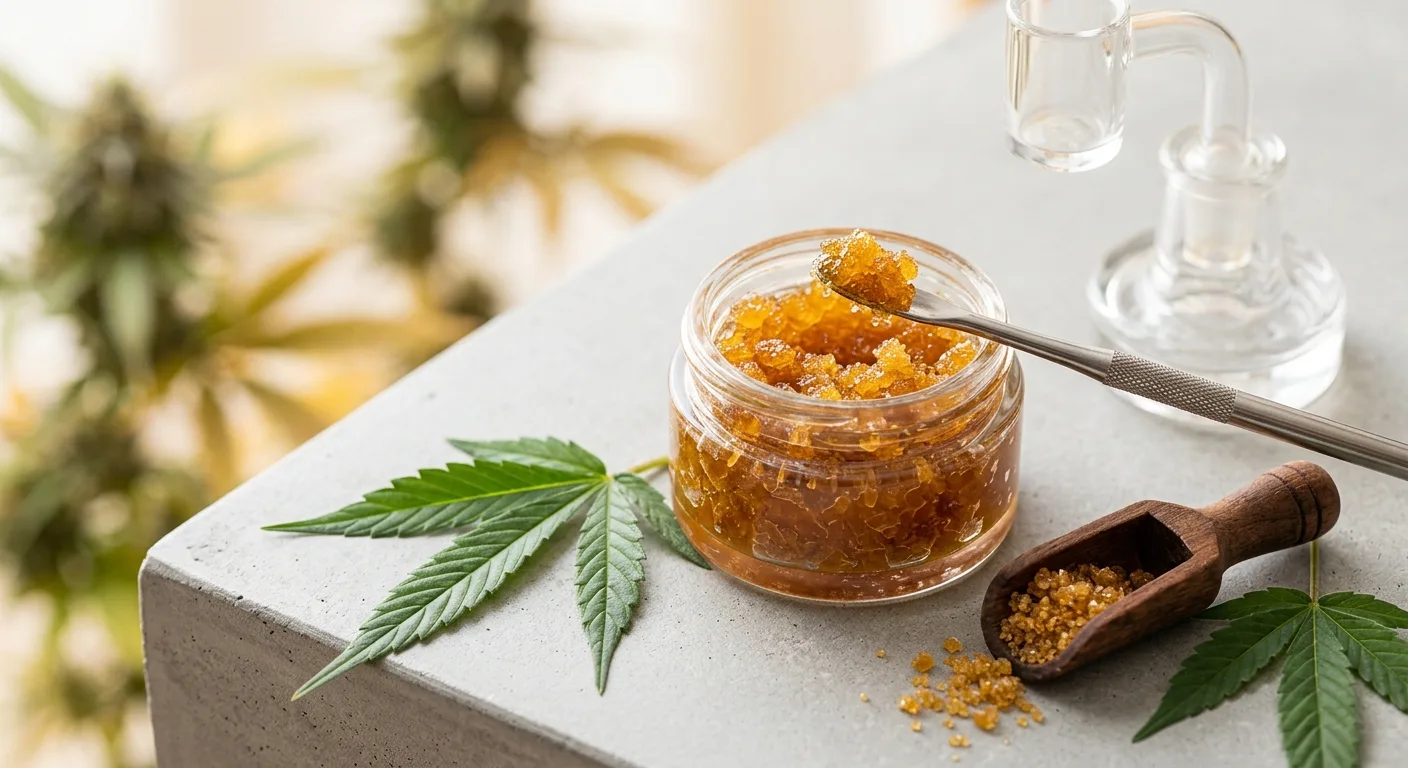
Cannabis concentrates like shatter, wax, and rosin may or may not be decarboxylated depending on the extraction method. Live resin and some solvent-based extracts retain THCA because extraction happens at low temperatures. These concentrates require heat (through dabbing or vaping) to activate. Distillates, however, undergo decarboxylation during the distillation process, emerging as pure THC ready for use in edibles, tinctures, or topicals without additional heating.
Edibles and Tinctures
Commercial edibles use fully decarboxylated cannabis extracts, ensuring accurate dosing and consistent effects. When you buy gummies or chocolates, the manufacturer has handled decarboxylation during production. Tinctures similarly contain activated cannabinoids dissolved in alcohol or oil. This pre-activation means these products deliver effects without any preparation , you consume them as-is and the THC is immediately bioavailable for absorption.
Topicals and Transdermal Patches
Cannabis topicals present an interesting case. Some are designed to deliver cannabinoids locally without systemic absorption, and these may contain THCA for its anti-inflammatory properties. Others, particularly transdermal patches meant to deliver THC into the bloodstream, use fully decarboxylated cannabinoids. The product's intended effect determines whether decarboxylation is necessary.
Decarboxylation FAQs: Your Questions Answered
While technically possible, microwaves heat unevenly and make temperature control nearly impossible. Hot spots can scorch cannabis while other areas remain under-processed. Microwaves also heat water molecules preferentially, which can lead to uneven decarboxylation. Ovens, sous vide, or specialized devices provide far more reliable results. The time saved isn't worth the inconsistent activation and potential waste of your cannabis.
Decarboxylation does cause some terpene loss since many terpenes are volatile compounds that evaporate at temperatures below those needed for THCA conversion. However, using optimal temperatures (240°F) and proper timing minimizes this loss. Sous vide methods preserve more terpenes than oven decarboxylation. While you'll lose some aromatic compounds, the trade-off is necessary to activate cannabinoids. Proper technique retains enough terpenes for flavourful edibles and infusions.
Properly decarboxylated cannabis stored in an airtight container in a cool, dark place retains potency for several months. Light, heat, and oxygen cause THC to degrade into CBN over time. Refrigeration extends shelf life, while freezing can preserve decarboxylated cannabis for up to a year. Once activated, cannabis is more susceptible to degradation than raw flower, so use it within a few months for best results. Vacuum sealing provides even better long-term storage.
Decarboxylating cannabis twice doesn't increase potency , it only risks degrading THC into CBN. Once THCA has converted to THC, additional heating either maintains that state or begins breaking down THC. If you suspect incomplete decarboxylation from the first attempt, additional heating might finish the conversion, but properly decarboxylated cannabis gains nothing from repeat processing. Instead, focus on getting it right the first time with accurate temperature and timing.
The decarboxylation process releases carbon dioxide and evaporates some terpenes, changing the aromatic profile. You'll notice the smell shifts from fresh and grassy to more toasted or nutty, similar to how roasting coffee beans changes their aroma. This is normal and expected. The smell should be pleasant and earthy, not burnt or acrid. If your decarboxylated cannabis smells burnt or extremely harsh, you've likely used too high a temperature or heated too long.
For topicals intended for localized relief without psychoactive effects, decarboxylation may not be necessary. THCA and CBDA have anti-inflammatory properties useful for topical applications. However, if you want your topical to potentially deliver THC systemically (like transdermal patches), decarboxylation is essential. Many topical recipes use a combination of decarboxylated and raw cannabis to provide both activated and acidic cannabinoids for broader therapeutic effects.
Mastering Decarboxylation for Better Cannabis Experiences
Decarboxylation represents the fundamental chemistry that unlocks cannabis's full potential. Whether you're smoking a joint, enjoying an edible, or creating your own infusions, this process transforms inactive plant compounds into the cannabinoids that produce the effects you seek. Understanding why raw weed doesn't get you high and how heat activates THCA into THC empowers you to make better choices about consumption methods and troubleshoot issues when results disappoint.
The science behind decarboxylation isn't just academic , it has practical implications for every cannabis user. Knowing optimal temperatures, timing, and techniques ensures you get the most from your cannabis investment. Whether you're buying premium flower or making your first batch of edibles, respecting the decarboxylation process leads to stronger, more consistent effects and less wasted product.
For Canadian cannabis consumers in Ottawa and beyond, this knowledge bridges the gap between simply using cannabis and understanding how it works at a molecular level. The next time you light up or bite into an infused treat, you'll appreciate the elegant chemistry that makes those effects possible. Ready to put this knowledge into practice? Browse quality cannabis products at UperWeed and experience properly activated cannabinoids delivered right to your door.
Get Premium Cannabis Delivered Same-Day
Why wait? UperWeed offers Ottawa's fastest cannabis delivery with a curated selection of top-shelf flower, concentrates, and edibles , all properly processed for maximum potency.
Shop Now