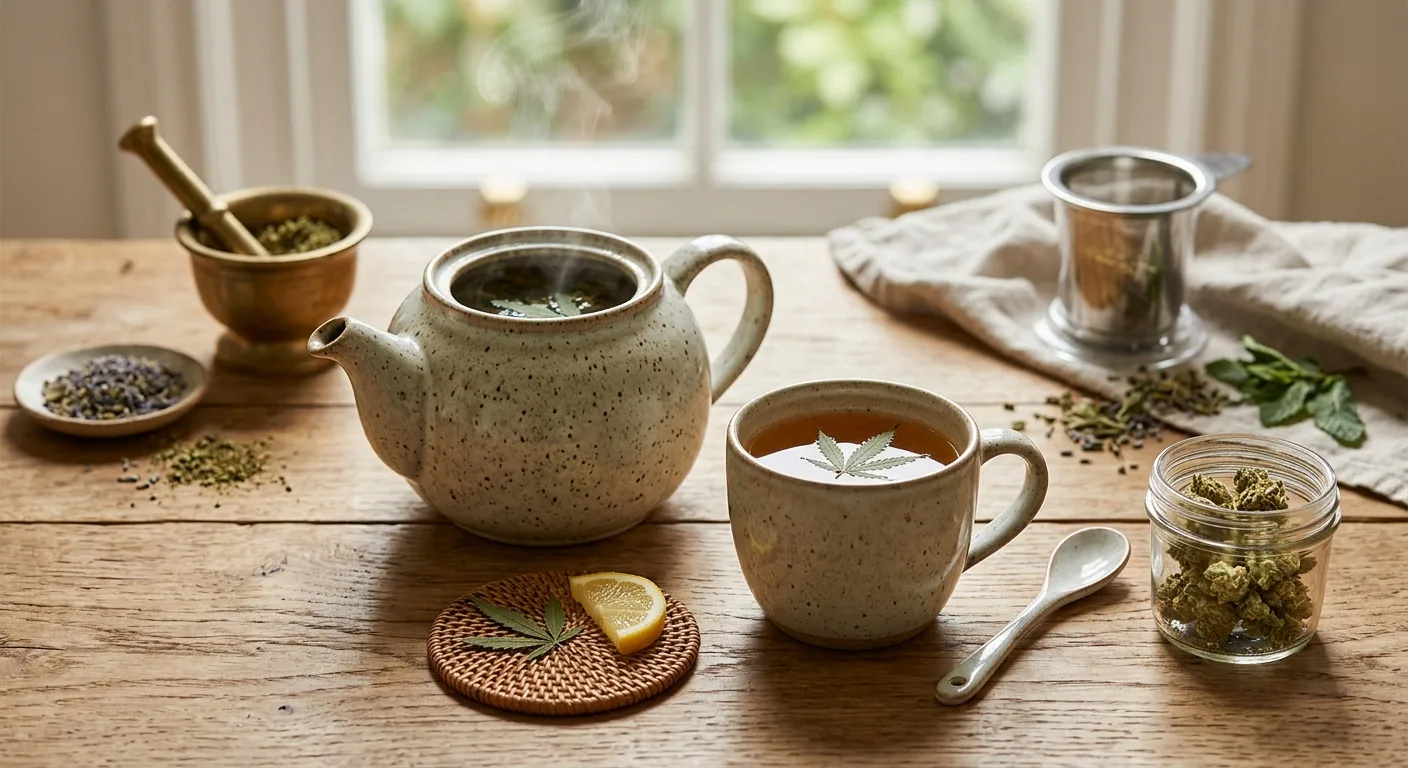
If you've ever wondered why your grandmother's trick of boiling weed in water doesn't actually get you high, you're about to learn the fascinating science behind cannabis teas. Unlike smoking or vaping, which deliver near-instant effects, cannabis tea offers a gentle, prolonged experience that's gaining popularity among Canadian consumers seeking a smoke-free alternative. The secret isn't just steeping some flower in hot water , it's understanding how cannabinoids interact with liquids, fats, and your digestive system to create an entirely different type of high.
Cannabis tea represents one of the oldest methods of consuming marijuana, with traditions stretching back centuries in various cultures. Today's Canadian consumers are rediscovering this ancient preparation method, but with modern knowledge about decarboxylation, bioavailability, and proper brewing techniques. Whether you're looking to avoid lung irritation, seeking longer-lasting relief, or simply want to explore new consumption methods, understanding how infused teas work will transform your cannabis experience.
How Cannabis Tea Actually Works: The Science Behind Water-Soluble THC
The fundamental challenge with cannabis tea lies in a simple chemical fact: THC and CBD are lipophilic, meaning they bind to fats rather than water. When you drop raw cannabis into boiling water, you're essentially making expensive plant tea with minimal cannabinoid extraction. This is why traditional tea brewing methods fail to deliver the psychoactive effects most consumers expect.
The key to effective cannabis tea is introducing a fat-based carrier that allows cannabinoids to dissolve and become bioavailable. When you consume cannabis tea properly prepared with milk, butter, coconut oil, or another fatty substance, the THC binds to these lipids during the brewing process. Your digestive system then processes these fat-bound cannabinoids through the liver, where THC converts into 11-hydroxy-THC , a more potent metabolite that produces stronger, longer-lasting effects than inhaled cannabis.
Decarboxylation: The Critical First Step
Before your cannabis can infuse into any tea, it must undergo decarboxylation , the process of heating raw plant material to activate its cannabinoids. Raw cannabis contains THCA and CBDA, non-psychoactive acid forms of the compounds you're seeking. Heat converts these acids into their active forms: THC and CBD.
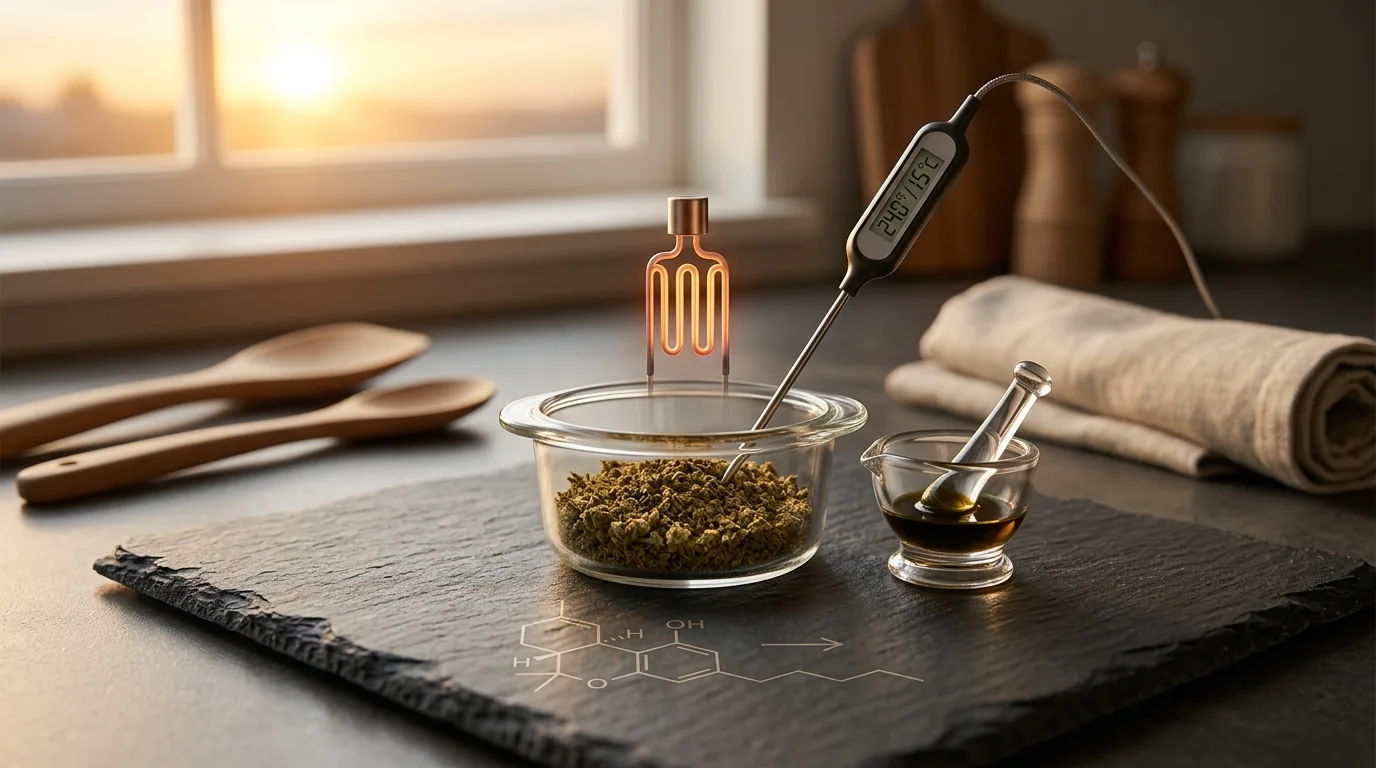
To decarboxylate cannabis at home, preheat your oven to 240°F (115°C). Break your cannabis into small pieces , don't grind it too fine, as this can lead to burning. Spread the flower evenly on a baking sheet lined with parchment paper and bake for 30-40 minutes, checking periodically. The cannabis should turn a light golden-brown colour and become noticeably fragrant. This step is non-negotiable for cannabis tea; skipping decarboxylation means you'll be drinking expensive leaf water with minimal psychoactive effects.
The Role of Bioavailability in Cannabis Tea
Bioavailability refers to the percentage of a substance that enters your bloodstream and produces active effects. When you smoke cannabis, bioavailability ranges from 10-35% because some THC burns away and some deposits in your mouth and throat. Edibles typically offer 4-12% bioavailability due to first-pass metabolism in the liver. Cannabis tea falls somewhere in this edible range, though proper preparation with sufficient fat content can push bioavailability toward the higher end of this spectrum.
Understanding bioavailability helps explain why onset times vary dramatically between consumption methods. It also underscores the importance of proper fat integration in your tea , without adequate lipids, you're dramatically reducing how much THC your body can actually absorb and utilize.
Onset Time and Effects: How Cannabis Tea Differs from Smoking
If you're accustomed to smoking or vaping cannabis, preparing for the dramatically different timeline of cannabis tea is essential. When you inhale cannabis smoke, THC enters your bloodstream through lung tissue within seconds, reaching your brain in 2-10 minutes. You feel effects almost immediately, reaching peak intensity within 30 minutes, and the experience typically concludes within 2-3 hours.
Cannabis tea follows an entirely different pharmacokinetic pathway. After drinking your infused tea, the liquid travels through your digestive system where cannabinoids must be absorbed through intestinal walls, processed by the liver, and then distributed throughout your bloodstream. This journey takes time , most users report onset beginning 30-90 minutes after consumption, with some experiencing delayed effects up to two hours post-consumption.
The Extended Duration Factor
Where cannabis tea truly distinguishes itself is duration. While smoked cannabis delivers a relatively brief experience, the metabolized THC from tea can produce effects lasting 4-8 hours or even longer. This extended timeline results from the gradual release of cannabinoids as your body continues processing the fat-bound THC throughout your digestive tract.
For medical cannabis users seeking sustained relief from chronic conditions, this extended duration represents a significant advantage. A properly dosed cannabis tea consumed in the morning might provide therapeutic effects throughout an entire workday without the need for re-dosing. However, this same extended duration demands careful attention to dosing , consuming too much cannabis tea means committing to an uncomfortably intense experience that can last most of a day.
Why the High Feels Different
Beyond timing differences, the subjective quality of a cannabis tea high differs from smoking. Users consistently report a more body-centreed, sedative experience with less cerebral intensity but more pronounced physical relaxation. This difference stems from 11-hydroxy-THC, the liver metabolite mentioned earlier. This compound crosses the blood-brain barrier more efficiently than standard THC, producing effects that many describe as more "stoned" than "high" , heavier, more soporific, and intensely relaxing.
The gradual onset also creates a smoother experience curve. Rather than the immediate rush of smoking, cannabis tea builds slowly, creating what many users describe as a "wave" that gently increases in intensity. This can be particularly appealing for consumers who find the immediate intensity of smoking overwhelming or anxiety-inducing. Similar to why edible highs feel so different from smoking, the metabolic pathway fundamentally alters the experience.
How to Brew Cannabis Tea Properly: Step-by-Step Methods
Creating effective cannabis tea requires attention to detail and respect for the process. Unlike conventional tea brewing, cannabis infusion demands precise temperature control, adequate fat content, and patience. The following method represents the gold standard for home cannabis tea preparation.
The Traditional Fatty Tea Method
Begin with decarboxylated cannabis , approximately 0.25 to 0.5 grams per serving for moderate tolerance, though beginners should start with half that amount. In a small saucepan, combine two cups of water with one tablespoon of coconut oil or full-fat butter. Coconut oil is particularly effective due to its high saturated fat content, which efficiently binds cannabinoids.
Bring the mixture to a gentle simmer (not a rolling boil) and add your decarboxylated cannabis. Maintain this simmer for 15-30 minutes, stirring occasionally. The longer infusion time allows more complete cannabinoid extraction. Some practitioners extend this to 45 minutes for maximum potency, though diminishing returns set in after 30 minutes.
After simmering, strain the mixture through cheesecloth or a fine-mesh strainer into your mug. Add your preferred tea bag , chai, chamomile, and peppermint all complement cannabis flavours well , and steep according to package directions. The result is a potent, fat-infused cannabis tea where the oil droplets carry your activated cannabinoids. Don't skip drinking those oil droplets floating on top; they contain much of your THC content.
The Cannabis Butter Pre-Infusion Method
For regular cannabis tea consumers, pre-making cannabutter dramatically simplifies the brewing process. Prepare a larger batch of properly stored cannabis-infused butter following standard cannabutter techniques: decarboxylate your flower, simmer with butter and water for several hours, strain, and refrigerate. The resulting cannabutter can be stored and added to hot water whenever you want cannabis tea, with one teaspoon typically providing a moderate dose.
This method offers consistency and convenience. Each batch of cannabutter can be precisely dosed, and adding a measured amount to hot water with your favourite tea bag takes mere seconds. The butter melts into the hot liquid, distributing cannabinoids throughout your beverage. For enhanced mixing, briefly blend the hot tea with an immersion blender or regular blender to emulsify the butter throughout the liquid.
The Milk-Based Method
Whole milk's natural fat content makes it an excellent cannabis extraction medium without requiring additional oils or butter. Heat two cups of whole milk (not skim or low-fat, which lack sufficient lipids) in a saucepan to just below boiling. Add your decarboxylated cannabis and maintain a gentle simmer for 30-45 minutes, stirring regularly to prevent scorching.
Strain the mixture and add honey, vanilla, or your preferred tea bag to mask the plant flavour. This method produces what many consider the smoothest-drinking cannabis tea, with the milk proteins providing a creamy mouthfeel that disguises the earthy cannabis notes. Coconut milk offers a dairy-free alternative with even higher fat content than cow's milk, making it exceptionally effective for cannabinoid extraction.
Dosing Cannabis Tea: Finding Your Sweet Spot
Dosing cannabis tea presents unique challenges compared to other consumption methods. Unlike commercial edibles marked with precise milligram content, home-brewed tea requires estimation and experimentation. The general principle remains consistent with all cannabis products: start low, go slow, and be patient.
For first-time cannabis tea drinkers, begin with 0.125 grams (one-eighth of a gram) of decarboxylated flower. If you know the THC percentage of your starting material, you can calculate approximate milligram content. A strain testing at 20% THC contains approximately 200mg of THC per gram of flower. Your 0.125-gram dose would therefore contain roughly 25mg of THC , though actual absorption will be lower due to bioavailability factors and extraction efficiency.
Adjusting for Tolerance and Desired Effects
Regular cannabis consumers with established tolerance may find 0.25-0.5 grams produces comfortable effects, while occasional users should remain at or below 0.25 grams. Remember that you can always drink more tea in a few hours if effects are underwhelming, but you cannot undo excessive consumption. The extended duration of cannabis tea makes overdoing it particularly unpleasant, potentially leaving you uncomfortably impaired for an entire day.
Medical users seeking therapeutic effects without intense psychoactivity should explore lower doses consumed more frequently. A morning tea with 0.125 grams followed by an afternoon tea with the same amount may provide all-day symptom relief with manageable psychoactive effects. This approach to quality cannabis from Indigenous-owned sources ensures you're working with tested, reliable starting material for consistent results.
Strain Selection and Its Impact on Tea Effects
The strain you choose dramatically influences your cannabis tea experience. Indica-dominant varieties produce the sedative, body-heavy effects most associated with cannabis tea. These work well for evening consumption, sleep support, or pain management. Sativa-dominant strains can create more energizing cannabis tea, though the metabolic pathway typically adds some sedation regardless of starting genetics.
High-CBD strains offer therapeutic effects with minimal psychoactivity, making them ideal for daytime use or for consumers seeking medical benefits without impairment. A 1:1 THC:CBD ratio often provides balanced effects, with CBD modulating some of THC's more intense characteristics. When selecting from options like Deep Purple Kush for deeply relaxing effects, consider whether you want sedation or stimulation from your final tea.
Enhancing Your Cannabis Tea Experience: Flavours and Additions
Raw cannabis tea often carries a strong plant taste that many find off-putting. Fortunately, numerous additions can improve flavour while complementing or enhancing cannabis effects. Understanding which flavours and supplements pair well with cannabis creates a more enjoyable consumption experience.
Complementary Tea Bases
Chai tea represents perhaps the ideal cannabis tea companion. Its bold spices , cinnamon, cardamom, ginger, cloves , naturally mask cannabis's earthy notes while creating warming body sensations that synergize with THC's effects. The milk traditionally used in chai also provides the fat necessary for cannabinoid absorption, making this a natural pairing.
Chamomile offers gentle sedative properties that enhance indica-heavy cannabis tea's relaxation effects. Peppermint provides cooling contrast to cannabis's warmth and may help settle any digestive unease. Green tea's natural caffeine can counterbalance cannabis's sedative qualities when you want a more balanced, functional high. Experiment with different tea bases to discover your preferences.
Natural Flavour Enhancers
Honey serves double duty, sweetening your tea while potentially offering anti-inflammatory benefits that complement cannabis's therapeutic properties. Vanilla extract adds smooth, sweet notes that round out cannabis's sharper edges. Fresh ginger creates spicy warmth and may help prevent nausea , particularly valuable for medical users or those prone to cannabis-induced stomach upset.
Citrus additions like lemon or orange peel brighten the overall flavour profile and contain terpenes that may interact with cannabis's terpene content through the entourage effect. Cinnamon sticks, whole cloves, or star anise introduce aromatic complexity. Some users add a small amount of alcohol-based vanilla or almond extract, which can help further extract any residual cannabinoids while adding flavour.
Adaptogens and Synergistic Herbs
Advanced cannabis tea brewers often incorporate additional herbs known for synergistic effects with cannabinoids. Lavender contributes its own calming properties and pleasant aroma. Passionflower has been traditionally used for anxiety and may complement CBD's anxiolytic effects. Valerian root intensifies sedative properties for sleep-focused preparations.
Turmeric and black pepper create an anti-inflammatory powerhouse when combined with cannabis's natural anti-inflammatory properties. The piperine in black pepper also enhances the bioavailability of many compounds, potentially increasing cannabinoid absorption. This combination has gained popularity among medical cannabis users addressing inflammatory conditions.
Troubleshooting Common Cannabis Tea Problems
Even experienced cannabis consumers encounter challenges when first brewing cannabis tea. Understanding common pitfalls helps you avoid wasting precious flower and experiencing disappointing results. Most problems trace back to inadequate decarboxylation, insufficient fat content, or dosing miscalculations.
Weak or Non-Existent Effects
If your cannabis tea produces minimal effects, the most likely culprit is incomplete or absent decarboxylation. THCA will not produce psychoactive effects regardless of how long you simmer it or how much fat you include. Always decarboxylate your flower first in the oven at 240°F for 30-40 minutes. Visual confirmation helps , properly decarbed cannabis appears golden-brown and fragrant, markedly different from raw green flower.
Insufficient fat content represents the second most common cause of weak cannabis tea. Water alone cannot extract meaningful cannabinoid levels. Ensure you're using full-fat milk, adequate butter or oil, or another lipid-rich carrier. If you're using tea bags after infusing cannabis in water, you may be discarding most of your THC along with the strained plant material. The cannabinoids bind to fats, not water, so straining before adding fats means removing your active compounds.
Unpleasant Taste and Texture
Overly grassy or harsh-tasting tea usually results from over-extraction or using excessive plant material. While you want complete cannabinoid extraction, simmering for longer than 45 minutes begins pulling harsh chlorophyll and plant compounds into your tea. Stick to 15-30 minute simmer times. Using finely ground cannabis increases surface area, extracting more quickly but also introducing more plant taste , stick to coarsely broken flower.
The oily film on cannabis tea's surface, while containing your cannabinoids, can create an unpleasant mouthfeel. Briefly blending your finished tea with an immersion blender emulsifies the fats throughout the liquid, creating a smoother consistency. Adding a small amount of lecithin (available at health food stores) before blending further improves emulsification, distributing fats more evenly for better texture and potentially enhanced absorption.
Overly Intense or Extended Effects
If you've consumed too much cannabis tea, remember that the effects, while intense and long-lasting, are temporary and will pass. Stay hydrated, eat something if possible, and find a comfortable place to rest. CBD can help counteract THC's more uncomfortable effects , keeping CBD oil or high-CBD flower available provides a rescue option if you've overdone it. Time remains your ultimate remedy; sleep it off if possible.
Prevention requires careful dosing and patience. Many cannabis tea overconsumption incidents occur when users don't feel effects within 30 minutes and decide to drink more. Given that onset can take up to two hours, this impatience leads to accidental double-dosing. Set a timer for two full hours after your initial dose before considering additional consumption. Similar principles apply as with comparing THC drinks to other consumption methods , the delayed onset demands patience.
Cannabis Tea for Medical Use: Therapeutic Applications
Medical cannabis patients increasingly turn to tea as a smoke-free consumption method offering sustained therapeutic effects without constant re-dosing. The extended duration and gentle onset make cannabis tea particularly valuable for managing chronic conditions requiring all-day symptom control.
Chronic Pain Management
For patients managing persistent pain conditions, cannabis tea provides steady relief lasting 4-8 hours from a single dose. This extended duration surpasses smoking's brief 2-3 hour window, reducing the need to medicate every few hours. The body-centreed effects of metabolized THC particularly suit pain management, as the "body high" directly addresses physical discomfort. Many patients report cannabis tea produces superior pain relief compared to smoking equivalent amounts.
Inflammation-related pain conditions benefit from adding anti-inflammatory supporting ingredients like turmeric and ginger to cannabis tea. The combination of cannabinoids' anti-inflammatory properties with these traditional herbs creates synergistic effects. For best results, consume cannabis tea with a small amount of food containing fats, further enhancing cannabinoid absorption and providing sustained blood sugar levels that support extended relief.
Sleep Disorders and Insomnia
Cannabis tea consumed 90 minutes before bedtime allows onset to coincide with your natural sleep window. Unlike smoking immediately before bed, which can create groggy morning effects, the properly timed tea produces sleepiness right when you need it. Indica-dominant strains naturally support sleep, while additions like chamomile, valerian root, and passionflower compound these sedative properties.
The extended duration helps maintain sleep throughout the night. While smoked cannabis may help you fall asleep but wear off after a few hours, cannabis tea's 6-8 hour effect window supports sustained sleep. Patients with middle-of-the-night waking often find cannabis tea superior to other consumption methods for maintaining continuous rest.
Nausea and Appetite Stimulation
Cannabis's antiemetic properties shine through tea consumption, as the gentle onset avoids the coughing and throat irritation that can worsen nausea with smoking. However, consuming cannabis tea while severely nauseated presents challenges , the volume of liquid and potential for strong taste may trigger more nausea. Start with small sips of mild-flavoured cannabis tea, using ginger and peppermint to settle your stomach while delivering cannabinoids.
For appetite stimulation in patients dealing with cachexia or eating disorders, cannabis tea consumed 60-90 minutes before meal times aligns peak effects with eating windows. The extended duration provides an enlarged window during which eating feels appealing. Some patients prepare cannabis tea using nutritious bases like bone broth or blended into smoothies, creating calorie-dense, cannabinoid-infused beverages that address both medication and nutrition needs simultaneously.
No, raw cannabis contains THCA and CBDA, which are non-psychoactive acid forms of THC and CBD. Without decarboxylation through heat, your tea will not produce the effects you're seeking. You must decarboxylate your cannabis in the oven at 240°F for 30-40 minutes before brewing it into tea. Skipping this step results in expensive plant water with minimal therapeutic or psychoactive benefits.
Cannabis tea typically takes 30-90 minutes to produce noticeable effects, with some users experiencing onset up to two hours after consumption. This contrasts dramatically with smoking, which produces effects within 2-10 minutes. The delayed onset occurs because the tea must travel through your digestive system, where cannabinoids are absorbed through intestinal walls, processed by your liver, and then distributed through your bloodstream. Always wait at least two hours before consuming more tea.
THC and CBD are lipophilic compounds, meaning they bind to fats rather than water. Without adding a fat source like butter, oil, or whole milk, the cannabinoids in your cannabis cannot properly dissolve into the tea, resulting in minimal absorption and weak effects. The fat acts as a carrier that allows your body to absorb and metabolize the cannabinoids. Using skim milk or water alone will not extract meaningful cannabinoid levels regardless of how long you brew the tea.
Cannabis tea effects typically last 4-8 hours, significantly longer than the 2-3 hour duration of smoked cannabis. Some users report effects extending even longer, particularly with higher doses. This extended duration results from the gradual release of cannabinoids as your body continues processing the fat-bound THC throughout your digestive tract. The liver metabolizes THC into 11-hydroxy-THC, a more potent compound that produces longer-lasting effects than inhaled cannabis.
Indica-dominant strains produce the most relaxing cannabis tea experiences, offering sedative, body-centreed effects ideal for evening consumption or sleep support. Strains high in myrcene terpene, which contributes to sedative properties, work particularly well. However, remember that the metabolic pathway of cannabis tea typically adds sedation regardless of starting genetics, so even sativa-dominant strains will produce more body-heavy effects when consumed as tea compared to when smoked.