If you've explored cannabis concentrates beyond the basics, you've likely encountered sugar wax,a golden, granulated extract that looks remarkably like its sweet namesake. Sugar wax sits in a fascinating middle ground between the glass-like rigidity of shatter and the creamy smoothness of budder, offering a unique texture that many concentrate enthusiasts prefer for both its handling properties and potent effects. This crystalline concentrate delivers powerful cannabinoid content while maintaining a consistency that's easier to work with than many alternatives, making it an increasingly popular choice among both newcomers to concentrates and seasoned dabbers alike.
Understanding what makes sugar wax distinct from other concentrates isn't just about texture,it's about extraction methods, storage requirements, consumption techniques, and getting the most value from your purchase. Whether you're considering your first sugar wax purchase or looking to refine your concentrate game, this comprehensive guide will walk you through everything you need to know about this premium cannabis product.
What Exactly Is Sugar Wax? The Science Behind the Crystalline Concentrate
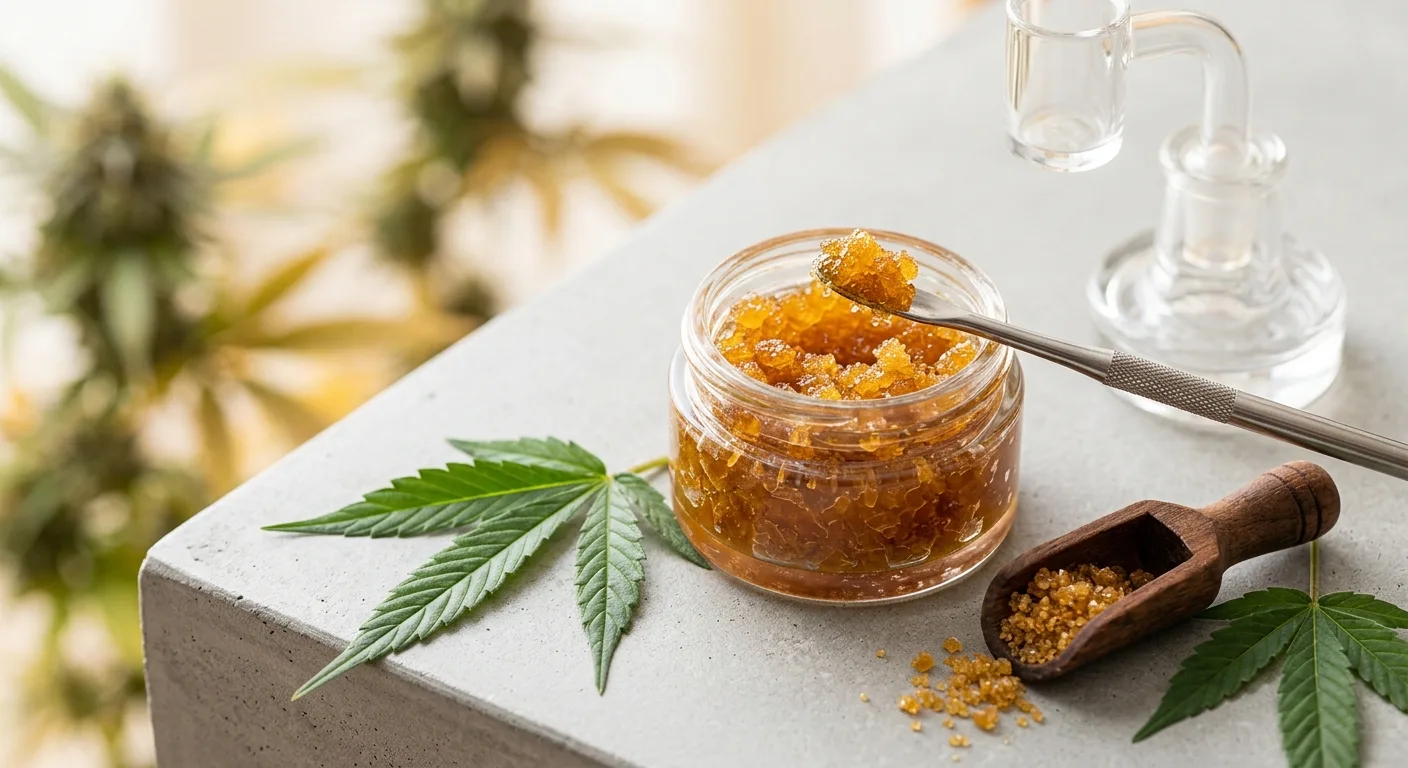
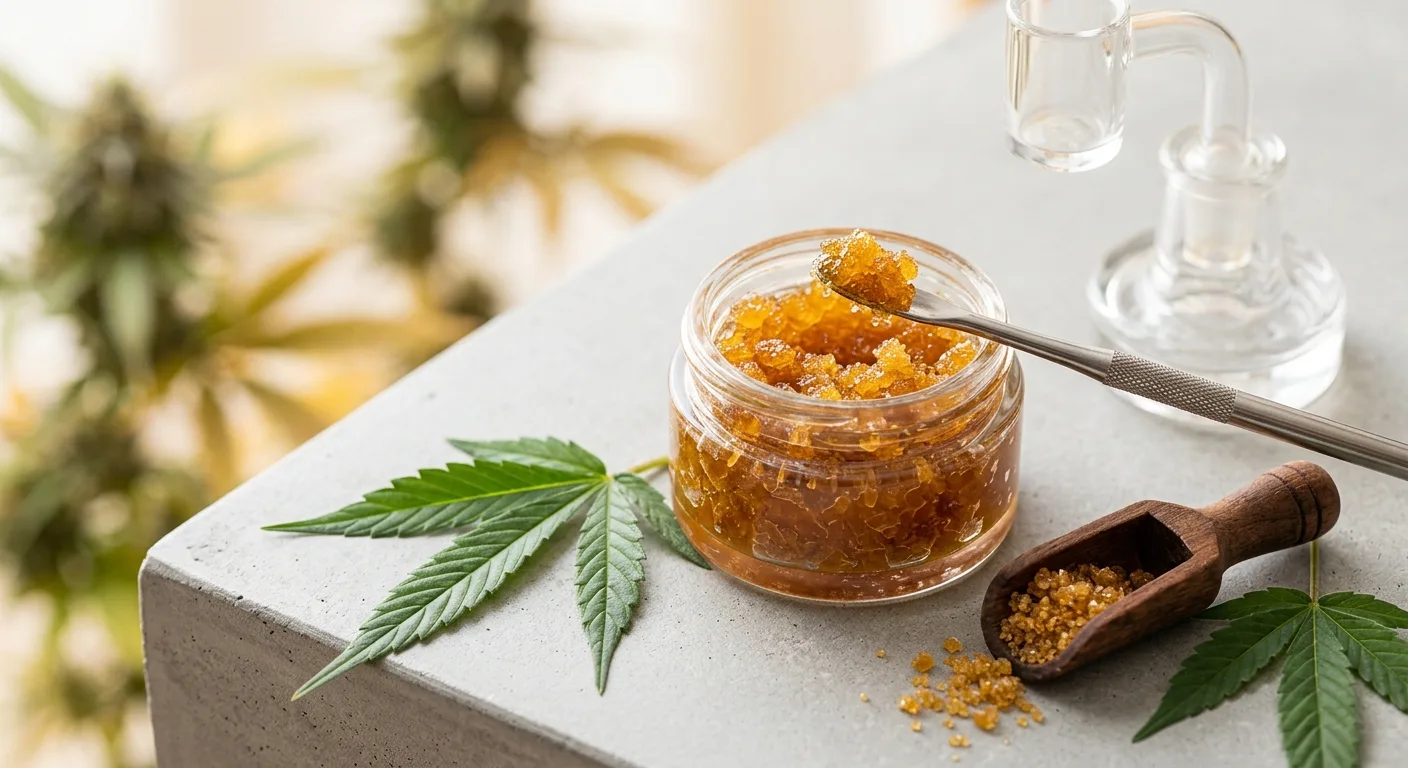
Sugar wax is a cannabis concentrate that gets its name from its distinctive appearance: a semi-solid extract with a granulated, crystalline structure that resembles wet sugar or coarse sand. This texture develops through a specific extraction and purging process that encourages cannabinoid crystals to form while maintaining a workable consistency. Unlike the transparent, brittle nature of shatter or the smooth, frosting-like texture of budder, sugar wax features visible crystalline formations suspended in a slightly sticky matrix.
The creation of sugar wax begins with the same foundational process as other concentrates,typically butane or CO2 extraction that strips cannabinoids and terpenes from cannabis plant material. What sets sugar wax apart happens during the purging phase, when residual solvents are removed from the extract. By carefully controlling temperature, pressure, and agitation during this critical stage, extractors encourage the concentrate to crystallize rather than remaining smooth or shattering into glass-like consistency.
The Chemistry of Crystallization
The granulated texture of sugar wax results from THCA (tetrahydrocannabinolic acid) molecules forming stable crystalline structures. These crystals develop when the concentrate is agitated or exposed to specific temperature fluctuations during purging, causing the cannabinoids to nucleate,essentially "crash out" of solution,and form visible crystals. The presence of terpenes and residual moisture creates the slightly sticky consistency that holds these crystals together, preventing the concentrate from becoming a dry, crumbly powder.
This crystalline formation is actually a sign of concentrate purity. The clearer and more defined the sugar-like granules, the higher the cannabinoid content typically is. Quality sugar wax often tests between 70-90% THC, with some premium batches pushing even higher. The remaining percentage consists of other cannabinoids, terpenes, and trace plant compounds that contribute to the entourage effect,the synergistic interaction of cannabis compounds that enhances overall effects.
Colour, Consistency, and Quality Indicators
High-quality sugar wax typically ranges in colour from pale golden to deep amber, depending on the starting material and extraction technique. Lighter colours generally indicate cleaner extraction methods and fresher starting material, while darker hues might suggest older plant matter or higher-temperature processing. However, colour alone doesn't determine quality,some strain-specific characteristics naturally produce darker concentrates even when expertly extracted.
The ideal sugar wax consistency strikes a balance between structure and workability. It should maintain its granulated appearance while being pliable enough to handle with a dab tool. If sugar wax is too dry, it may crumble into powder; if too wet, it might behave more like a sauce or budder. The sweet spot is that distinctive sugar-cookie-dough consistency that holds together when scooped but shows clear crystalline definition under close inspection.
Sugar Wax vs Shatter vs Budder: Understanding Concentrate Texture Differences
The concentrate landscape can feel overwhelming with its terminology,shatter, budder, crumble, sugar wax, sauce, diamonds, and more. These aren't just marketing terms; they describe fundamentally different physical properties that affect how you store, handle, and consume each product. Sugar wax occupies a unique position in this spectrum, offering advantages that make it a favourite for many users who find other concentrates too difficult to work with.
Shatter: The Glass-Like Concentrate
Shatter represents the opposite end of the texture spectrum from sugar wax. This concentrate is purged under specific conditions that prevent crystallization, resulting in a smooth, transparent product that litreally shatters like glass when broken. Shatter's smooth molecular structure gives it excellent stability and shelf life, but it can be challenging to portion and handle, especially in warmer conditions when it becomes sticky and pulls like taffy.
While shatter looks impressive and maintains potency well over time, it's often harder to work with for beginners. Breaking off a precise dab requires either shattering pieces (which can send shards flying) or carefully slicing with a heated tool. In contrast, sugar wax's granulated texture makes it much easier to scoop consistent portions without special techniques.
Budder: The Creamy Alternative
Budder (also called badder) sits between sugar wax and shatter in texture, featuring a smooth, creamy consistency similar to frosting or whipped butter. This texture develops through vigourous agitation during the purging process, which incorporates air and breaks down larger crystalline structures. The result is a product that's easy to scoop and portion but lacks the defined crystalline structure that some users prefer in sugar wax.
Budder tends to be more forgiving in various temperature conditions,it maintains its creamy consistency whether cool or warm. However, this also means it may be more susceptible to terpene degradation over time, as the increased surface area from its whipped structure exposes more of the concentrate to air. Sugar wax's crystalline structure offers slightly better long-term stability while remaining easier to handle than shatter.
Why Texture Matters for Your Experience
The physical properties of your concentrate directly impact your consumption experience. Sugar wax offers several practical advantages that make it a go-to choice for many regular concentrate users. Its granulated texture makes portioning simple,you can easily scoop a consistent-sized dab without the mess of sticky budder or the brittleness of shatter. The crystalline structure also provides visual feedback about what you're consuming; you can litreally see the cannabinoid crystals you're about to vapourize.
Temperature stability is another key consideration. Shatter becomes problematic in warm environments, turning into an unworkable sticky mess. Budder maintains consistency but can dry out or separate over time. Sugar wax tolerates temperature fluctuations better than most alternatives while remaining workable across a wider range of conditions. This makes it particularly practical for users who may not have perfect climate-controlled storage or who take concentrates on the go.
How to Handle and Store Sugar Wax Properly
Proper handling and storage techniques significantly impact both the longevity and quality of your sugar wax. Unlike flower, which is relatively forgiving, concentrates are sensitive to environmental factors that can degrade cannabinoids, evaporate terpenes, or alter texture. Understanding the right storage conditions ensures your sugar wax maintains its potency, flavour, and workable consistency from your first dab to your last.
Essential Tools for Working with Sugar Wax
A quality dab tool is your most important accessory when working with sugar wax. Look for tools made from surgical-grade stainless steel, titanium, or heat-safe glass. The ideal sugar wax tool features a small scoop or spoon end rather than a pointed tip,this design makes it easy to collect the granulated concentrate without it sliding off. Some experienced users prefer flat-ended tools that can scoop and press the sugar wax, but ultimately, tool choice comes down to personal preference and what feels most comfortable in your hand.
Silicone containers are the industry standard for concentrate storage, and with good reason. Medical-grade silicone is non-stick, making it easy to retrieve every last bit of your sugar wax without waste. These containers are also inert, meaning they won't leach chemicals or react with the concentrate. However, not all silicone is created equal,opt for platinum-cured silicone containers specifically designed for concentrate storage rather than generic craft silicone, which may contain additives that can interact with terpenes.
Optimal Storage Conditions
Temperature control is crucial for maintaining sugar wax quality. The ideal storage temperature range is between 60-70°F (15-21°C),cool enough to preserve terpenes and prevent texture degradation, but not so cold that the concentrate becomes difficult to work with. Avoid storing sugar wax in extremely cold environments like freezers, as repeated temperature cycling when you remove and return the container can cause condensation, introducing moisture that degrades quality.
Light exposure is another enemy of concentrate preservation. UV radiation breaks down cannabinoids and terpenes, reducing potency and altering flavour profiles. Store your sugar wax in a dark place,a drawer, cabinet, or opaque container works perfectly. If you must use clear glass containers, keep them in a dark environment. Some concentrate enthusiasts use UV-protective jars, though quality silicone containers kept in dark storage work just as well.
Preventing Common Storage Issues
Sugar wax can undergo textural changes if stored improperly. The most common issue is the concentrate "sugaring up" even further, becoming drier and more crumbly over time. This happens when terpenes evaporate due to exposure to air or heat. While still perfectly usable, overly dry sugar wax loses some flavour complexity and becomes harder to portion effectively. Prevent this by ensuring your container seals tightly and minimizing how often you open it.
The opposite problem,sugar wax becoming too liquid or sauce-like,occurs when stored in warm conditions or when the container seal is compromised, allowing humidity in. Just like proper cannabis flower storage, concentrates require attention to humidity levels. If your sugar wax starts separating into liquid terpenes and crystalline THCA, it's not ruined,you've essentially created sauce and diamonds, which some users actually prefer. Simply stir it before dabbing to recombine the components.
How Long Does Sugar Wax Stay Fresh?
Under optimal storage conditions, sugar wax maintains peak quality for several months. The crystalline structure actually provides some protection for cannabinoids, as the solid crystals are less exposed to oxidation than the increased surface area in whipped concentrates like budder. Most users report that properly stored sugar wax shows minimal degradation for 3-6 months, with some noting satisfactory quality even after a year.
That said, terpene profiles do gradually diminish over time regardless of storage method. The complex aromatic compounds that give each strain its distinctive flavour and contribute to effects are more volatile than cannabinoids themselves. For the fullest flavour experience, consume sugar wax within the first few months of purchase. After that, you'll still get potent effects, but the nuanced terpene profile may be less pronounced.
Consumption Methods: How to Use Sugar Wax Effectively
Sugar wax's versatility makes it compatible with multiple consumption methods, from traditional dabbing to portable vapourizers. Understanding the strengths and limitations of each approach helps you choose the method that best fits your lifestyle, experience level, and desired effects. The good news is that sugar wax's moderate consistency makes it more forgiving across different consumption techniques than some other concentrate types.
Traditional Dabbing with a Rig
Dabbing remains the most popular and effective method for consuming sugar wax. A dab rig,essentially a water pipe designed specifically for concentrates,allows you to vapourize the extract at controlled temperatures, maximizing cannabinoid delivery while preserving terpene flavours. The process involves heating a nail (typically quartz, titanium, or ceramic) to the appropriate temperature, then applying a small amount of sugar wax and inhaling the resulting vapour through the rig.
Temperature is critical when dabbing sugar wax. Low-temperature dabs (450-550°F) preserve more terpenes, delivering better flavour and a smoother experience, though you may need to reheat for complete vapourization. High-temperature dabs (600-700°F) vapourize the concentrate more completely in one hit but can produce harsher vapour and potentially degrade some terpenes. Most experienced dabbers prefer the 500-600°F range as a sweet spot that balances flavour, smoothness, and efficiency.
Sugar wax's granulated texture actually makes it ideal for dabbing. The small crystals melt quickly and evenly when they contact the heated nail, reducing the risk of unvaporized concentrate pooling in your banger. Use your dab tool to scoop a rice-grain-sized portion (beginners) to a pea-sized portion (experienced users) and gently apply it to the heated surface. The concentrate should immediately vapourize without excessive sizzling or burning, which indicates proper temperature control.
Vapourizer and E-Rig Options
Electronic dab rigs (e-rigs) and concentrate vapourizers offer a more user-friendly alternative to traditional torch-heated dabbing. Devices like the Puffco Peak, Dr. Dabber Switch, or portable concentrate pens provide temperature-controlled vapourization without the learning curve of manual temperature management. Sugar wax works particularly well in these devices because its consistency prevents the clogging issues that overly liquid concentrates can cause while being stable enough not to crumble into the heating element like dry crumble.
When using a vapourizer with sugar wax, load small amounts to prevent overflow and ensure complete vapourization. The granulated texture makes portioning easy,typically, a piece about half the size of a grain of rice suffices for most portable pens. For larger e-rigs, you can load slightly more, but resist the temptation to overfill. Multiple smaller sessions preserve flavour better than one large session and prevent residue buildup in your device.
Adding Sugar Wax to Cannabis Flower
While dabbing delivers the most efficient and controlled experience, you can also enhance traditional flower consumption by adding sugar wax. Crumble a small amount of sugar wax and sprinkle it over ground flower in a bowl or mix it into a joint or blunt. This technique, sometimes called "twaxing" when used in rolled products, significantly increases potency while adding the concentrate's terpene profile to your smoking experience.
Keep portions modest when combining sugar wax with flower,a little goes a long way. Start with an amount roughly equivalent to a grain of rice mixed into your standard flower portion. The sugar wax will melt as the flower combusts, distributing the concentrate throughout your session. This method is less efficient than dabbing since combustion destroys some cannabinoids and terpenes, but it offers an accessible way to enjoy concentrates without specialized equipment.
Effects, Potency, and Dosing Considerations
Sugar wax's high cannabinoid concentration demands respect and careful dosing, especially for users accustomed to cannabis flower. The dramatic increase in potency,from flower's typical 15-25% THC to sugar wax's 70-90% or higher,means effects onset faster, hit harder, and last longer. Understanding how to dose appropriately prevents overwhelming experiences and helps you find the sweet spot for your desired effects.
Expected Effects and Timeline
When properly vapourized through dabbing or a quality vapourizer, sugar wax effects typically begin within seconds to a couple of minutes. This rapid onset occurs because vapourized cannabinoids enter your bloodstream directly through lung tissue, bypassing the digestive system's slower processing. Peak effects usually occur within 10-15 minutes, with the full experience lasting 2-4 hours depending on dose, individual tolerance, and the specific strain's cannabinoid profile.
The effects themselves feel notably different from flower consumption. Many users describe concentrate highs as more cerebral, focused, and intense compared to the fuller-body experience of smoking flower. This difference likely results from the concentrated cannabinoid delivery and the different ratio of compounds,concentrates have proportionally fewer minor cannabinoids and plant compounds compared to whole-flower consumption. The terpene profile preserved in quality sugar wax does contribute to effects, but the experience remains distinctly "concentrate-like" rather than mimicking flower exactly.
Dosing Guidelines for Different Experience Levels
If you're new to concentrates, start with a dab no larger than a grain of rice or even half that size. This might seem minuscule compared to how much flower you typically consume, but remember,you're working with a product that may be 4-5 times more potent than the strongest flower. Wait at least 15-20 minutes before considering a second dab to fully assess how the first dose affects you. Many first-time concentrate users take too much too quickly, leading to uncomfortable experiences that could be avoided with patient, conservative dosing.
Intermediate users with some concentrate experience can typically handle pea-sized dabs comfortably. This remains a moderate dose by experienced user standards but delivers substantial effects. At this level, you're consuming enough to appreciate the full terpene profile and experience the concentrate's characteristic effects without overwhelming intensity. Pay attention to the specific strain's potency,some sugar wax tests significantly higher than others, so adjust accordingly.
Experienced concentrate consumers often work up to larger doses, but there's a point of diminishing returns. Beyond a certain threshold, you're not necessarily getting more high,you're just consuming more product. Most seasoned dabbers find their sweet spot somewhere between a small pea and a full pea in size, adjusting based on tolerance, time of day, and desired intensity. Remember that tolerance builds quickly with regular concentrate use, so consider taking occasional breaks to reset your endocannabinoid system and keep doses reasonable.
Strain Selection and Effect Profiles
The cannabis strain used to create sugar wax significantly impacts your experience beyond just potency numbers. Indica-dominant sugar wax typically delivers the relaxing, body-focused effects associated with indica flower, making it popular for evening use, pain management, and sleep support. Sativa-dominant options tend toward energizing, cerebral effects suitable for daytime use, creative activities, or social situations. Hybrid sugar wax falls somewhere in between, offering balanced effects that many users find versatile for various situations.
Terpene profiles matter enormously in sugar wax effects. Myrcene-heavy concentrates typically produce more sedating effects regardless of indica/sativa classification. Limonene-dominant sugar wax often delivers uplifting, mood-enhancing experiences. Pinene can promote alertness and may counteract some of THC's short-term memory effects. Understanding strain genetics and terpene content helps you select sugar wax that delivers your desired experience rather than choosing based solely on THC percentage.
Quality Assessment: How to Identify Premium Sugar Wax
Not all sugar wax is created equal. The quality spectrum ranges from amateur extractions that may contain residual solvents and plant material to professionally produced concentrates that represent cannabis extraction at its finest. Learning to assess sugar wax quality before purchase,and verify it when your order arrives,protects your investment and ensures a safe, enjoyable experience.
Visual Quality Indicators
Colour provides your first quality clue. Premium sugar wax typically ranges from pale gold to light amber, with consistent colouration throughout. Be cautious of dark brown or black concentrates, which may indicate old starting material, contamination, or improper extraction techniques. However, some naturally dark strains produce darker concentrates even when properly extracted, so consider colour in context with other quality markers rather than as the sole determining factor.
Crystal definition separates exceptional sugar wax from mediocre offerings. High-quality sugar wax shows clear, distinct crystalline formations,you should be able to see individual granules rather than a uniform paste. The crystals should appear relatively uniform in size, suggesting consistent processing. Premium sugar wax maintains its granulated structure even when slightly warm, whereas lower-quality products may quickly become liquid or overly sticky when handled.
Aroma and Terpene Content
A strong, pleasant aroma indicates robust terpene preservation,a hallmark of quality extraction and handling. When you open the container, you should immediately smell distinctive cannabis terpenes reflecting the source strain's profile. Whether citrusy, piney, fruity, or fuel-like, the aroma should be pronounced and inviting. Weak or absent smell suggests terpene loss through improper extraction, poor storage, or age. Chemical or solvent-like odours are red flags indicating incomplete purging,quality sugar wax should smell exclusively of cannabis terpenes.
Texture and Consistency Checks
Proper sugar wax texture strikes that characteristic balance between granulated and slightly sticky. When you touch it with a dab tool, it should hold together while showing clear crystalline structure. If the concentrate crumbles to dry powder, terpenes have likely evaporated. If it's overly liquid and runs like honey, it may have been stored improperly or wasn't fully purged. The ideal consistency allows easy portioning while maintaining structural integrity,think of how brown sugar behaves when you scoop it.
Lab Testing and Transparency
Reputable producers provide lab testing results showing cannabinoid content, terpene profiles, and,critically,residual solvent testing. Quality sugar wax should show non-detectable or extremely low solvent residuals, confirming proper purging. Cannabinoid testing verifies potency claims and reveals the full cannabinoid profile including CBD, CBN, CBG, and other compounds. Terpene testing identifies which aromatic compounds are present and in what percentages, helping you predict effects and flavour profiles.
When shopping for sugar wax through delivery services, choose providers that prioritize transparency and quality sourcing. Established services test their concentrates and make results available to customers, ensuring you know exactly what you're consuming. This transparency protects both your safety and your investment, confirming that you're getting the potency and purity you're paying for.
Common Questions About Sugar Wax
Sugar wax, shatter, and other concentrate types can have similar potency levels,typically 70-90% THC or higher. The strength depends more on extraction quality and starting material than texture. However, sugar wax's crystalline structure often indicates high purity, as cannabinoid crystals form when extract is particularly clean. The perceived intensity may feel different between concentrate types due to varying terpene preservation, but raw potency is usually comparable among quality concentrates.
Sugar wax doesn't expire in a traditional sense, but quality degrades over time. Properly stored in a cool, dark environment in sealed containers, sugar wax maintains peak potency and flavour for 3-6 months. After that, cannabinoids slowly degrade (especially THC converting to CBN) and terpenes evaporate, reducing flavour complexity. Year-old sugar wax is typically still safe to consume but may have diminished effects and taste. Signs of compromised quality include dramatic colour change, mould growth, or off-putting odours.