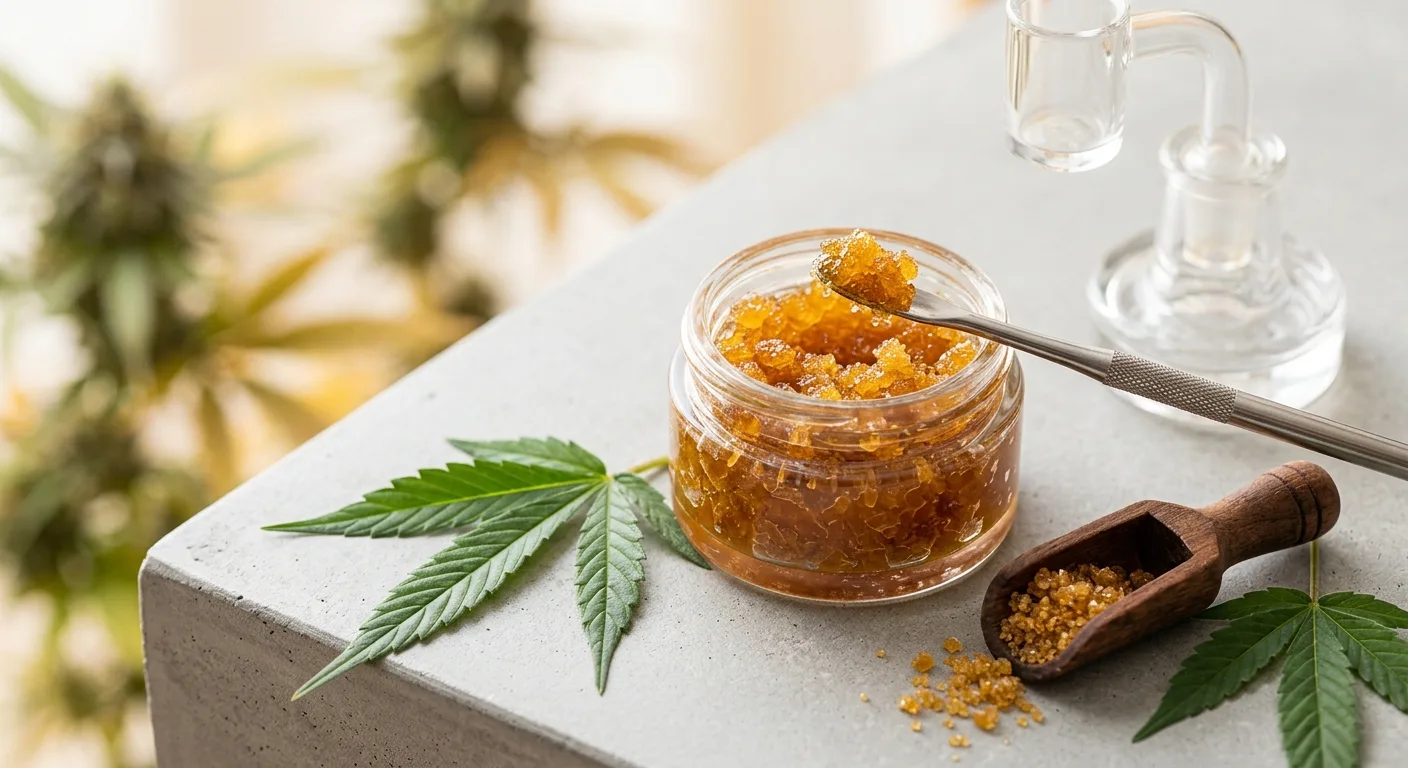
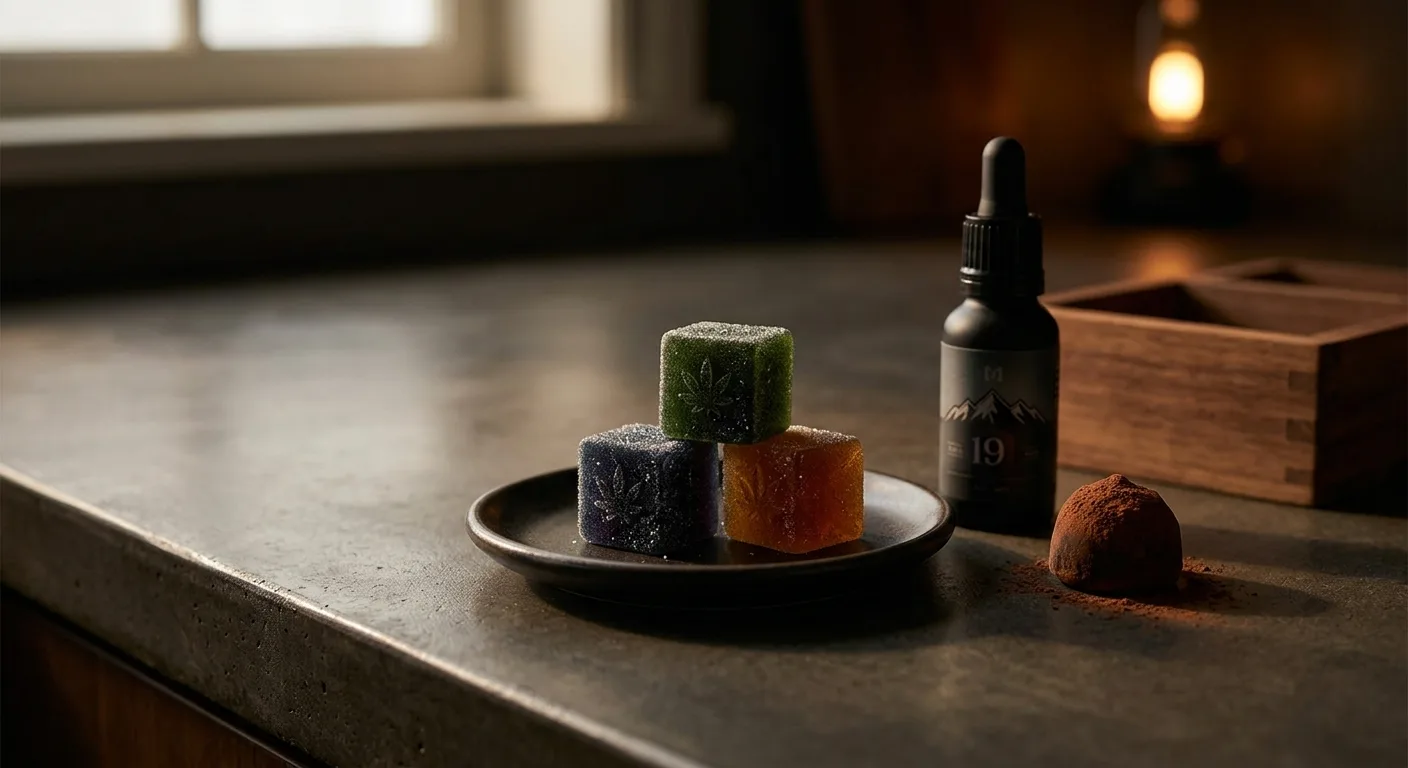
Let's clear something up right away: high-dose edibles aren't a badge of honour, and they're definitely not for everyone. If you're reading this thinking you need to prove your tolerance with a 1000mg gummy, take a breath. The truth is, most cannabis users , even regular ones , have no business starting with doses above 25mg. High-dose edibles serve a specific purpose for a specific group of people, and if you don't fall into that category, you're setting yourself up for an uncomfortable experience at best and a full-blown panic attack at worst.
High-dose cannabis edibles typically contain anywhere from 100mg to 5000mg of THC per package, far exceeding Health Canada's recreational limit of 10mg per package sold through legal retail channels. These products exist in the legacy market and through mail-order services precisely because experienced users with established tolerances need them for medical relief, chronic pain management, or because their endocannabinoid systems simply require higher doses to achieve therapeutic effects. This guide will walk you through who actually benefits from high-dose edibles, how to approach them safely if you're legitimately a candidate, and why the "start low and go slow" mantra isn't just a cliché , it's the difference between a pleasant experience and eight hours of existential dread on your bathroom floor.
Who Actually Needs High-Dose Edibles (And Who Doesn't)
The cannabis industry has created a strange culture around potency, where higher numbers somehow equate to better value or superior experience. This mindset is backwards and potentially harmful. High-dose edibles aren't about getting "more high" , they're about meeting the specific needs of users whose bodies have adapted to regular THC consumption or who require substantial doses for medical symptom management.
Medical cannabis patients dealing with chronic pain conditions often fall into this category. Someone managing severe arthritis, fibromyalgia, or post-surgical pain may have worked up to 100mg doses under medical guidance over months or years. Their endocannabinoid receptors have downregulated in response to consistent use, meaning lower doses simply don't provide adequate relief anymore. Similarly, cancer patients undergoing chemotherapy sometimes need substantial THC doses to combat nausea and stimulate appetite effectively.
Veteran recreational users with years of daily consumption might also require higher doses, but this should happen organically over time, not as a deliberate pursuit. If you've been consuming 25mg daily for two years and noticed diminishing effects, a gradual increase might make sense. But if you're three months into your cannabis journey and think you need 500mg because your friend "barely felt" 100mg, you're confusing tolerance with biology.
The Reality Check: Who Should Avoid High-Dose Edibles
If you primarily smoke or vape cannabis, your tolerance isn't transferable to edibles in the way you think. Smoking a gram of 20% THC flower isn't remotely comparable to eating 200mg of THC. When you smoke cannabis, only a fraction of the THC enters your bloodstream, and it does so rapidly before being metabolized out. When you eat cannabis, your liver converts delta-9-THC into 11-hydroxy-THC, a more potent metabolite that crosses the blood-brain barrier more efficiently and lasts significantly longer.
Occasional users should never start with high-dose products. If you consume cannabis a few times per month, stick to 5-10mg doses maximum. Your endocannabinoid system hasn't adapted to regular THC exposure, and you'll likely experience intense effects from modest doses. There's no shame in this , it actually means you're getting maximum benefit from minimal product, which is both safer and more economical.
First-time edible users absolutely must start with 2.5-5mg regardless of their smoking habits. The onset delay of edibles (anywhere from 45 minutes to 3 hours) tricks people into thinking they need more, leading to the classic mistake of redosing too early. By the time both doses kick in, you're in for a wild ride you didn't sign up for.
Understanding Edible Potency and Metabolism
The way your body processes edible cannabis is fundamentally different from inhalation, and understanding this mechanism is crucial before considering high doses. When you consume THC orally, it travels through your digestive system to your liver, where enzymes convert it before it enters your bloodstream. This first-pass metabolism is why edibles feel different and why dosing is so tricky.
Not everyone metabolizes edibles at the same rate or efficiency. Genetic variations in liver enzymes, particularly the CYP2C9 enzyme responsible for THC metabolism, mean that 50mg might feel manageable to one person and overwhelming to another. Body weight, metabolism speed, whether you've eaten recently, and even your gut microbiome influence how edibles affect you. This variability is precisely why standardized dosing guidelines exist , they account for individual differences by recommending conservative starting points.
The onset time for edibles ranges wildly. On an empty stomach, some users feel effects in 30-45 minutes. After a large meal, onset can take 2-3 hours or longer. Peak effects typically occur 2-4 hours after consumption, and the total duration can last 6-12 hours depending on dose and individual metabolism. High-dose edibles extend these timelines , a 500mg dose might not peak until 4-5 hours in and could produce noticeable effects for 24 hours or more.
Why Edible Tolerance Builds Differently
Regular edible consumption leads to tolerance, but it develops through different pathways than smoking tolerance. Your liver enzymes become more efficient at metabolizing THC, your CB1 receptors downregulate in response to consistent activation, and your brain adapts to regular presence of cannabinoids. This is a gradual process that happens over months of consistent use, not weeks of weekend consumption.
If you're considering high-dose edibles because your current dose isn't working as well, first examine your consumption patterns. Daily users might benefit from a tolerance break rather than dose escalation. Even a 48-72 hour break can partially reset your endocannabinoid system, making your regular dose feel more effective again. Cycling your consumption , perhaps using edibles 4-5 days per week instead of 7 , can help maintain effectiveness without constantly increasing dosage.
The reality is that tolerance has a ceiling effect for most people. Someone might work up from 10mg to 50mg over a year, but jumping from 50mg to 200mg won't necessarily improve their experience , it will just cost more and increase the risk of unpleasant side effects like anxiety, paranoia, or extreme sedation. For those curious about the science behind different cannabis consumption methods and their effects, exploring resources about THC drinks vs edibles vs smoking provides valuable context on how your body processes various cannabis products.
How to Approach High-Dose Edibles Safely
If you've determined that you legitimately need higher-dose edibles based on established tolerance and medical guidance, approaching them methodically is essential. This isn't about taking the highest dose available and hoping for the best , it's about finding your minimum effective dose and staying there.
Start by documenting your current edible routine. What dose are you taking? How often? What effects do you experience? How long do they last? Keep a simple log for two weeks to establish your baseline. This data helps you make informed decisions about whether you actually need to increase dosage or if other factors are diminishing effects.
When you're ready to increase, do so incrementally. If your regular dose is 25mg, try 35-40mg next, not 100mg. Wait at least three days between increases to allow your body to adjust and to assess the new dose properly. A single experience isn't enough data , you need to try the new dose 2-3 times in similar circumstances to understand how it affects you.
The Protocol for Testing Higher Doses
Choose your environment carefully. Test new doses at home where you're comfortable, not before a social event or on a day with responsibilities. Have at least 12 hours of free time ahead of you. Ensure you're well-hydrated, have eaten something, and are in a positive mental state. Anxiety or stress amplifies negative cannabis experiences.
Time your dose deliberately. Taking an edible at 10am gives you the full afternoon and evening to ride out effects while it's still daylight. Many people find high-dose experiences less anxious during daytime compared to nighttime. Set a timer when you consume so you're not constantly checking the clock wondering when it will kick in.
Have a support system. Tell someone you trust what you're doing and ask them to check in. This person doesn't need to babysit you, but knowing someone is available if you need to talk provides psychological comfort. Keep your phone charged and nearby.
What to Do If You've Taken Too Much
Despite careful planning, sometimes people misjudge their dose or experience unexpectedly strong effects. If this happens to you, remember: you cannot overdose fatally on THC edibles. You might feel terrible, but you're not in medical danger. The feeling will pass, even though it might take several hours.
Find a comfortable, familiar space and settle in. Lying down often helps, but if that increases anxiety, gentle movement like slow walking can provide relief. Focus on your breathing , slow, deep breaths activate your parasympathetic nervous system and counter anxiety responses. Try the 4-7-8 technique: breathe in for 4 seconds, hold for 7, exhale for 8.
Hydrate with water, not alcohol or caffeine. Some people find that eating helps absorb some of the remaining THC in their digestive system, though evidence for this is anecdotal. CBD can counteract some THC effects for some people , if you have CBD oil or flower available, it might provide relief, though it won't instantly sober you up.
Distraction helps immensely. Put on a familiar, comforting TV show or movie , nothing intense or thought-provoking, just something you've seen before that feels safe. Many people report that animated films work particularly well. Avoid looking in mirrors if you're feeling paranoid, and stay away from social media, which can amplify anxiety.
Choosing Quality High-Dose Edible Products
Product quality becomes exponentially more important with high-dose edibles. When you're consuming 500mg or more of THC, you need absolute certainty about dosing accuracy, ingredient quality, and manufacturing standards. Underground market products vary wildly in consistency and safety.
Look for products from established manufacturers with track records and third-party lab testing. While mail-order cannabis exists in a legal grey area, reputable providers offer lab results showing cannabinoid content, ensuring the stated 1000mg is actually 1000mg, not 750mg or 1200mg. This consistency matters tremendously when you're trying to dial in your dose.
Consider the format carefully. Gummies remain the most popular edible format because they're easy to dose , a 3000mg package with 10 gummies gives you 300mg per gummy, making it simple to take consistent doses. However, gummies can be tempting to overconsume because they taste good. Some users prefer capsules for high doses specifically because they remove the "this is candy" psychology.
Products like the Galaxy Gummies 6000mg THC Edible Gummies or Mike Tyson KnockOut 5000mg Gummies THC represent the high-dose category available through services like UperWeed. These products are explicitly designed for experienced users with established tolerance, not casual consumers looking for a weekend treat.
Breaking Down Multi-Serving Products
Many high-dose edibles come in multi-serving formats, and understanding how to divide them properly prevents dosing mistakes. A 4000mg package might contain 10 gummies of 400mg each. If your target dose is 100mg, you need to cut one gummy into quarters. This requires precision , use a clean knife, take your time, and store remaining pieces in airtight containers labelled with their dosage.
Some products offer flexibility in potency. Buddha Boys Gummies 2000mg THC Edibles provide a stepping stone between moderate and high doses, allowing users to explore their tolerance ceiling without committing to massive quantities. The Buddha Boys Gummies 3000mg THC Edibles and Buddha Boys Gummies 4000mg THC Edibles offer progression points as tolerance develops.
Never assume all high-dose products are created equal. A 1000mg chocolate bar from one manufacturer might hit harder than a 1200mg package from another due to differences in formulation, ingredient quality, or production methods. When switching brands, treat it as starting fresh , begin with a conservative dose even if it's theoretically lower than your usual amount.
Medical Considerations and Interactions
High-dose THC consumption introduces medical considerations that don't apply to low-dose recreational use. If you have underlying health conditions or take prescription medications, consultation with a healthcare provider knowledgeable about cannabis is crucial before experimenting with substantial edible doses.
THC interacts with numerous medications through liver enzyme pathways. It can enhance or diminish the effects of blood thinners, antidepressants, anti-anxiety medications, and many others. Because high-dose edibles involve larger amounts of THC being processed through your liver over extended periods, these interaction risks amplify. Your doctor needs to know about your cannabis use to make informed prescribing decisions.
Cardiovascular considerations matter, especially for older adults. THC temporarily increases heart rate and can affect blood pressure. While this is generally safe for healthy individuals, those with heart conditions should approach high-dose edibles cautiously. The extended duration of edible effects means your cardiovascular system experiences these changes for hours, not the brief period associated with smoking.
Mental Health and High-Dose Cannabis
The relationship between high-dose THC and mental health is complex and individual. Some people with anxiety disorders find that appropriate THC doses provide relief, while others experience exacerbated symptoms, particularly with high doses. If you have diagnosed anxiety, depression, or other mental health conditions, work with your treatment team to determine if high-dose edibles align with your care plan.
Cannabis can trigger or worsen symptoms in individuals predisposed to psychotic disorders. Family history of schizophrenia or bipolar disorder warrants extreme caution with high-dose THC products. Even individuals without family history can experience cannabis-induced psychosis from very high doses, though this is rare and typically resolves once the THC clears the system.
If you're using cannabis to manage mental health symptoms, honest assessment of whether it's actually helping is essential. Sometimes tolerance development masks the fact that cannabis is no longer providing the therapeutic benefits it once did. Needing increasingly high doses might signal that it's time to explore other treatment options rather than continuing to escalate consumption. Understanding why edible highs feel so different from smoking provides important context for managing mental health effects, as the prolonged duration and intensity of edibles require different coping strategies than inhaled cannabis.
Alternatives to Dose Escalation
Before committing to high-dose edibles as your regular routine, consider whether other approaches might serve your needs better. Cannabis tolerance is reversible, and strategic consumption changes can restore sensitivity to lower doses, saving money and reducing potential long-term tolerance issues.
Tolerance breaks (T-breaks) remain the most effective method for resetting your endocannabinoid system. A complete break of 3-4 weeks allows CB1 receptors to upregulate and sensitivity to return nearly to baseline. Even shorter breaks of 48-72 hours provide noticeable improvements. If complete abstinence seems impossible, try reducing your dose by half for a week , your receptors will begin recovering even with continued use.
Rotation Strategies and Cannabinoid Diversity
Rotating between different consumption methods prevents tolerance from building uniformly across all formats. If you use edibles daily, switching to vapourizing flower several days per week exposes your system to different cannabinoid profiles and delivery mechanisms. This variation keeps your endocannabinoid system more responsive overall.
Exploring products with different cannabinoid ratios offers therapeutic benefits without requiring massive THC doses. CBD-rich products, CBN formulations, or full-spectrum extracts with diverse terpene profiles can provide relief through different pathways. Some users find that 25mg of THC combined with 25mg of CBD feels more therapeutic than 100mg of THC alone. For those exploring concentrate options beyond edibles, resources like the Drizzle Factory Shatter flavours guide demonstrate how different cannabis products offer varied experiences at various potencies.
Microdosing represents another approach worth considering. Instead of taking one large dose, some users find success with multiple smaller doses throughout the day , perhaps 15mg three times daily instead of 100mg once. This maintains more consistent blood levels and often provides better symptom management with a lower total daily intake.
When High-Dose Edibles Aren't the Answer
Sometimes the urge to increase edible doses stems from chasing an experience that cannabis simply cannot provide at higher doses. THC doesn't scale linearly , doubling your dose doesn't double the positive effects, but it does multiply the potential for negative side effects. If you're not achieving desired effects from reasonable doses, the issue might be product quality, strain selection, or realistic expectations rather than insufficient potency.
Physical tolerance is real, but psychological habituation also plays a role. If cannabis consumption has become routine, the novelty and special feeling naturally diminish regardless of dose. Taking a step back to examine why you're consuming and what you're hoping to achieve often reveals that more isn't better , different is better. Changing your consumption patterns, trying new strains, or simply taking breaks to make the experience special again might serve you better than constantly escalating doses.
Legal and Practical Considerations in Canada
Health Canada's 10mg per package limit on legal recreational edibles reflects their position on responsible cannabis consumption. While this doesn't meet the needs of legitimate high-tolerance users, it does acknowledge the risks associated with high-dose products. The existence of mail-order services offering higher-dose products fills a market gap, but consumers should understand the legal landscape.
Purchasing high-dose edibles from mail-order services operates in a legal grey area. While possession and consumption of cannabis are legal for adults in Canada, the mail-order market isn't regulated the same way as provincial retail systems. This means product quality, potency accuracy, and safety standards vary by provider. Choosing established, reputable services with consistent product quality becomes critically important when navigating this space.
From a practical standpoint, high-dose edibles offer economic advantages for heavy users. Buying one 3000mg product is dramatically cheaper per milligram than purchasing thirty 100mg products from legal retail. For medical patients requiring substantial daily doses, this cost difference is significant. However, this economic benefit only applies if you're actually consuming those doses responsibly , buying high-dose products you don't need because they seem like a better deal is false economy.
Frequently Asked Questions About High-Dose Edibles
High-dose edibles follow the same onset timeline as regular edibles but may feel more gradual in building intensity. Expect initial effects anywhere from 45 minutes to 2 hours after consumption on an empty stomach, or 2-3 hours after eating. Peak effects typically occur 3-5 hours after consumption with high doses, and noticeable effects can last 8-24 hours depending on the specific dose and your metabolism.
Yes, regular consumption of high-dose edibles will build tolerance over time through CB1 receptor downregulation and increased liver enzyme efficiency. However, tolerance has practical limits , most people plateau at a certain dose level rather than requiring endless escalation. Taking periodic tolerance breaks of 3-7 days can help maintain sensitivity and prevent needing increasingly massive doses.
The difference isn't simply twice as strong. Once you exceed your optimal dose, additional THC primarily extends duration and increases side effect risks rather than improving the quality of effects. Someone whose ideal dose is 100mg won't have a better experience with 500mg , they'll likely just feel too high for longer. The difference between 500mg and 1000mg matters most to people whose tolerance genuinely requires those levels for therapeutic effects.
High-dose THC edibles are not medically dangerous in terms of fatal overdose , there are no documented cases of THC causing death. However, they can cause extremely uncomfortable psychological experiences including severe anxiety, paranoia, and panic attacks that feel dangerous even though they're not life-threatening. The main risks are psychological distress and impaired judgment leading to accidents. Start with appropriate doses for your tolerance level.
You likely need higher-dose products if you've been consistently consuming 50mg+ daily for at least six months, find that dose no longer provides adequate relief, and have gradually increased under medical guidance or through careful self-experimentation. If you're asking this question because you want to get higher or think potency equals quality, you probably don't need them. Medical patients with chronic pain or other severe symptoms verified by healthcare providers are the primary candidates for high-dose products.
Before jumping to high-dose products, try a 48-72 hour tolerance break, switch to a different consumption method temporarily, explore products with different cannabinoid ratios, verify your product quality and potency accuracy, or examine whether psychological factors are diminishing perceived effects. If these approaches don't help and you're truly not getting therapeutic benefits from reasonable doses, then gradually increasing under controlled conditions might be appropriate.
Making the Right Choice for Your Cannabis Journey
High-dose edibles serve a legitimate purpose in the cannabis market, but they're specialty products designed for specific users, not recreational consumers looking for the strongest possible experience. The culture of celebrating high potency does a disservice to both new users who feel pressured to consume beyond their comfort zone and experienced users who might benefit from reevaluating their consumption patterns rather than endlessly escalating doses.
If you've read this guide and determined that high-dose edibles genuinely suit your needs based on established tolerance and therapeutic requirements, approach them methodically and respectfully. Start lower than you think you need, increase gradually, document your experiences, and remain honest with yourself about whether higher doses are actually improving your quality of life or just feeding tolerance escalation.
For those discovering that maybe high-dose products aren't right for them after all, that's equally valuable information. Cannabis consumption should enhance your life, not become an arms race with your own tolerance. Sometimes the most responsible choice is staying at a moderate dose, taking regular breaks, and finding ways to keep the experience meaningful without requiring ever-increasing potency.