You've smoked cannabis dozens of times without issue. You know your tolerance, you know what to expect, and you're comfortable with how weed affects you. Then you try an edible for the first time, eat what seems like a reasonable dose, and two hours later you're convinced time has stopped working and your couch has merged with your body. Sound familiar? You're not alone, and no, you didn't accidentally consume something laced or dangerous. What you experienced is the fundamental difference between how your body processes smoked cannabis versus edibles, and understanding this difference is absolutely essential for anyone considering making the switch.
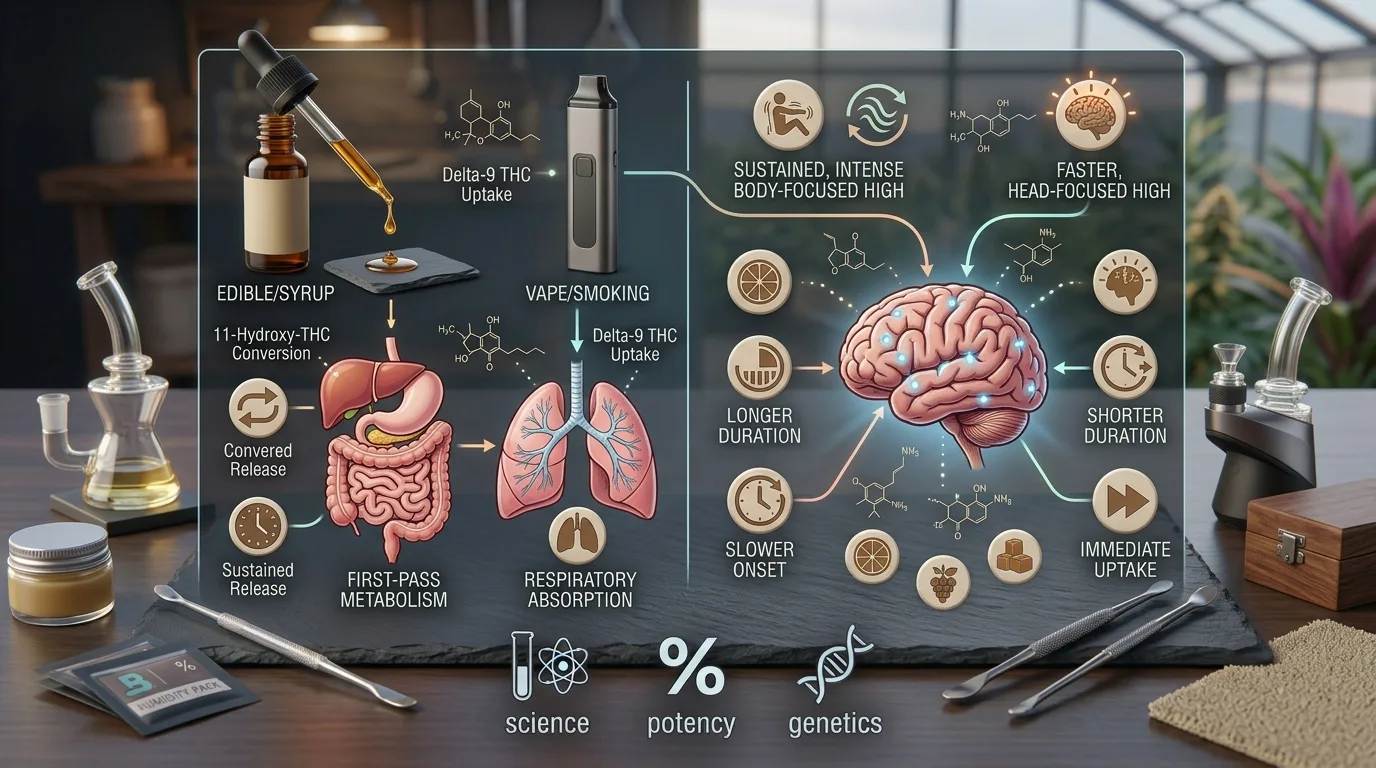
The edible high feels profoundly different from smoking because of a single biochemical transformation that happens in your liver. When you smoke cannabis, THC enters your bloodstream through your lungs and travels directly to your brain. When you eat cannabis, your liver converts THC into a different compound called 11-hydroxy-THC, which is significantly more potent and crosses the blood-brain barrier more effectively. This isn't just a minor variation in delivery method. It's a completely different chemical experience that catches even experienced cannabis users off guard. If you're planning to try edibles for the first time, or if you've had an unexpectedly intense experience with them, this guide will explain exactly what's happening in your body and how to approach edibles with realistic expectations.
The Liver Metabolite Effect: Your Body's THC Transformation
The single most important thing to understand about edibles is what happens the moment THC enters your digestive system. Unlike smoking, where THC bypasses your liver entirely on its first pass through your body, ingested cannabis must travel through your stomach, get absorbed by your intestines, and then pass through your liver before reaching your brain. This journey through your liver is where everything changes.
Your liver contains enzymes, specifically from the cytochrome P450 family, that metabolize THC into various compounds. The most significant of these is 11-hydroxy-THC, a metabolite that's approximately three to seven times more potent than regular delta-9-THC at crossing the blood-brain barrier. This isn't conjecture or anecdotal evidence. Multiple pharmacological studies have confirmed that 11-hydroxy-THC produces stronger psychoactive effects than the THC you inhale when smoking or vaping.
Why 11-Hydroxy-THC Hits Differently
The increased potency of 11-hydroxy-THC comes down to molecular structure and how it interacts with your brain's cannabinoid receptors. This metabolite is more lipophilic, meaning it dissolves in fats more readily, which allows it to penetrate the blood-brain barrier with greater efficiency. Once it reaches your brain, it binds to CB1 receptors with higher affinity than standard THC, producing more pronounced psychoactive effects.
For first-time edible users, this means that a 10mg edible doesn't feel like smoking 10mg worth of cannabis. The actual experience can feel more like 30mg to 70mg of smoked THC, depending on your individual liver enzyme activity and metabolism. This dramatic difference in perceived potency is why so many people report that their first edible experience was overwhelmingly intense, even when they consumed what seemed like a conservative dose.
Individual Variation in Liver Enzymes
Not everyone's liver processes THC identically. Genetic variations in cytochrome P450 enzymes mean some people produce more 11-hydroxy-THC than others from the same dose. This explains why your friend can eat 50mg and feel pleasantly relaxed while you eat 15mg and need to lie down for four hours. Your liver's enzyme efficiency, which is largely determined by genetics, dictates how much of that potent metabolite gets created.
People who are "slow metabolizers" tend to experience more intense and longer-lasting effects because their bodies convert more THC into 11-hydroxy-THC and clear it from their system more slowly. "Fast metabolizers" might find edibles less effective or shorter-lasting. This isn't about tolerance. It's about fundamental biochemistry that varies person to person.
Onset Time and Duration: Why Edibles Take Forever to Kick In
The delayed onset of edibles frustrates newcomers more than any other aspect of consumption. When you smoke cannabis, THC enters your bloodstream within seconds, reaches peak concentration in about ten minutes, and you know exactly where you stand within fifteen minutes. Edibles operate on an entirely different timeline that requires patience and planning.
After consuming an edible, THC must survive your stomach acid, get absorbed through your intestinal walls, travel through your hepatic portal system to your liver, undergo first-pass metabolism, and only then enter your general circulation to reach your brain. This complex journey typically takes anywhere from forty-five minutes to two hours, though some people report onset times as long as three hours depending on factors like stomach contents, metabolism speed, and the specific edible formulation.
The Dangerous "It's Not Working" Moment
The delayed onset creates what veteran users call the rookie mistake: eating more because you don't feel anything yet. This is where most bad edible experiences originate. You eat 10mg, wait an hour, feel nothing, eat another 10mg, and then thirty minutes later both doses hit simultaneously and you're dealing with 20mg worth of 11-hydroxy-THC flooding your system.
The cardinal rule for edible consumption is to wait at least two full hours before considering a second dose. Set a timer. Write it down. Tell a friend to stop you. Whatever works, because redosing early is the fastest path to an uncomfortably intense experience that can last six to eight hours.
Factors That Affect Onset Time
Several variables influence how quickly you'll feel an edible's effects. A full stomach significantly delays onset because your body must process other food before the THC can be absorbed. High-fat meals can actually increase bioavailability but slow initial onset. Your individual metabolism plays a role, as does the type of edible. Beverages and tinctures absorb faster than solid foods. Hard candies that dissolve in your mouth allow some sublingual absorption, creating a faster but often less intense onset compared to gummies or baked goods that must be fully digested.
Body composition matters too. THC is fat-soluble, so individuals with higher body fat percentages may experience different onset times and durations compared to leaner individuals. Hydration status, recent exercise, and even your current stress levels can influence how quickly THC moves through your digestive system.
Duration and Intensity: The Extended Release Effect
If you smoke cannabis, you're looking at a high that peaks within thirty minutes and largely dissipates within two to three hours. Edibles operate on a completely different schedule. The effects typically last four to eight hours, with some users reporting residual effects lasting up to twelve hours or more. This extended duration is both a benefit and a potential drawback depending on your situation and intentions.
The prolonged effect comes from the combination of slower absorption and the way 11-hydroxy-THC is metabolized and eliminated from your body. While smoked THC is cleared relatively quickly, ingested cannabis releases into your bloodstream gradually as it's digested and absorbed, creating a sustained release effect that maintains elevated blood THC levels for hours.
The Peak Experience Window
Most users report peak effects occurring two to four hours after consumption. This is substantially different from smoking, where you peak almost immediately. The gradual climb to peak intensity can feel unsettling if you're not expecting it. You might feel fine at the one-hour mark, slightly elevated at two hours, and then find yourself peaking hard at hour three. Understanding this trajectory helps set realistic expectations and prevents the anxiety that comes from feeling like effects are intensifying when you expected them to plateau.
The peak itself often feels more body-focused with edibles compared to the head-focused high many people experience from smoking. Users frequently report stronger physical sensations, enhanced bodily awareness, and what's often described as a "heavier" or more sedating effect, even from strains that would produce energetic effects when smoked. This is partly due to 11-hydroxy-THC's stronger binding to CB1 receptors and partly due to the involvement of other metabolites created during digestion.
The Comedown Phase
Coming down from edibles also differs significantly from smoking. While smoked cannabis tends to wear off fairly quickly once you pass the peak, edibles taper off gradually over several hours. Many users describe feeling residual effects, grogginess, or what's sometimes called a "weed hangover" the next morning, especially after higher doses. This extended tail can interfere with sleep quality despite the initial sedating effects, and it's worth considering if you have important commitments the following day.
Setting Realistic Expectations for First-Time Edible Users
If you're transitioning from smoking to edibles, or trying cannabis for the first time via the edible route, managing expectations is crucial for a positive experience. The most important lesson is this: your smoking tolerance does not translate to edibles. Someone who comfortably smokes multiple times per day might find a 5mg edible surprisingly strong. The reverse is rarely true.
Start with 2.5mg to 5mg maximum for your first experience. Yes, this seems absurdly low if you're an experienced smoker. Do it anyway. You can always take more next time, but you cannot un-take an edible once it's in your system. The goal of your first edible experience should be to learn how your body processes them, not to get maximally high.
Creating the Right Set and Setting
Environmental factors matter more with edibles than smoking because you're committing to a multi-hour experience. Choose a day when you have no obligations for at least eight hours. Stay home or in a safe, comfortable environment where you can relax. Have water and snacks available. Queue up entertainment that doesn't require deep concentration. Tell someone you trust what you're doing so they can check in on you.
Anxiety and discomfort from edibles almost always stem from feeling out of control or being in an unsuitable environment. If you start feeling overwhelmed, remember that cannabis has never caused a fatal overdose, what you're experiencing will pass, and you're going to be completely fine. Having a trusted friend available, even just via text, can provide enormous reassurance during an unexpectedly intense experience.
Common First-Time Mistakes to Avoid
Beyond redosing too early, first-time edible users frequently make several other mistakes. Taking edibles on an empty stomach can lead to faster, more intense onset that feels uncomfortable. Mixing edibles with alcohol compounds effects unpredictably and usually unpleasantly. Taking edibles late at night might seem like a good sleep aid, but the extended duration means you could still be high when your alarm goes off.
Another common error is choosing the wrong product formulation. Full-spectrum edibles contain a range of cannabinoids and terpenes that can intensify effects compared to THC-isolate products. If you're new to edibles, starting with a precisely dosed, THC-only product gives you a more predictable experience. Products like THC beverages offer additional control because you can sip gradually and stop when you reach your desired effect level.
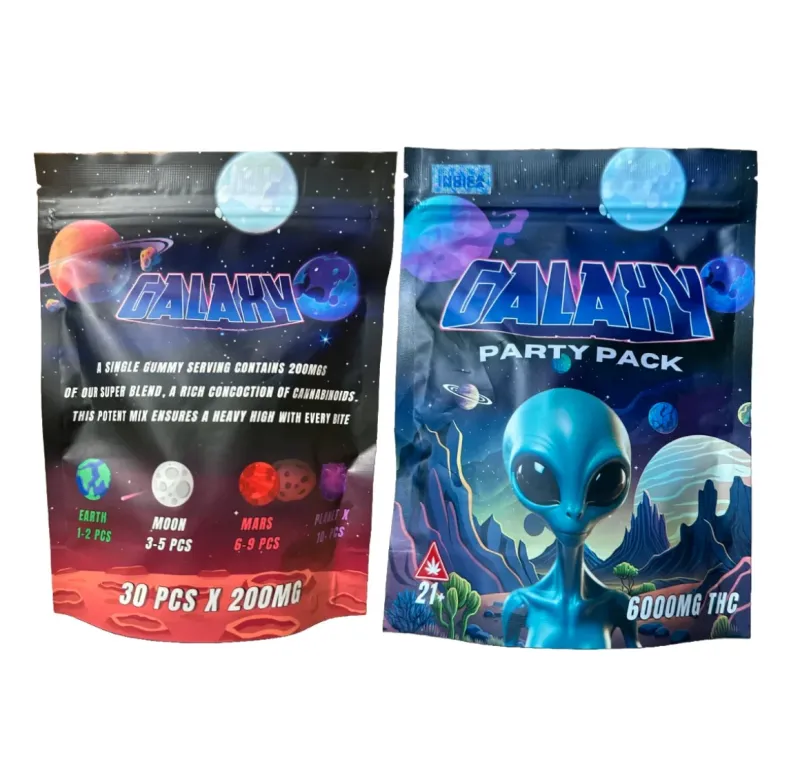
Galaxy Gummies 6000mg THC Edible Gummies
5-pack bundle with 30,000mg total THC. Each pack contains 30 x 200mg gummies. High-stre...
The Science of Bioavailability and Why It Matters
Bioavailability refers to the percentage of THC that actually makes it into your bloodstream after consumption. This is where edibles get tricky. When you smoke cannabis, bioavailability ranges from 10% to 35%, with significant variation based on smoking technique and lung capacity. With edibles, bioavailability is generally lower, typically 4% to 12%, but the effects feel stronger due to the liver metabolite conversion.
This lower bioavailability means that a 10mg edible doesn't deliver 10mg of THC to your bloodstream. You might only absorb 0.4mg to 1.2mg, but that small amount gets converted into the more potent 11-hydroxy-THC. The math isn't straightforward, which is why experienced users emphasize starting low and going slow rather than trying to calculate equivalencies between smoking and eating.
Factors Affecting Edible Bioavailability
What you eat alongside your edible significantly impacts bioavailability. THC is fat-soluble, so consuming edibles with fatty foods increases absorption. Some manufacturers infuse their products with MCT oil or other fats specifically to enhance bioavailability. This is good for efficiency but bad for predictability if you're not aware of it. An edible consumed with a fatty meal might hit significantly harder than the same edible on an empty stomach.
Your individual digestive health plays a role too. People with conditions affecting gut motility, stomach acid production, or liver function may process edibles very differently from the general population. Medications that affect liver enzymes, particularly those metabolized by the same cytochrome P450 pathways, can either intensify or diminish edible effects.
Why Some People Don't Feel Edibles
A small percentage of people report feeling little to nothing from edibles regardless of dose. While rare, this phenomenon appears linked to variations in liver enzyme activity and possibly differences in gut absorption. Some individuals lack sufficient levels of the specific enzymes needed to convert THC into 11-hydroxy-THC effectively, meaning they get minimal psychoactive effects from oral consumption while smoking still works normally for them.
Practical Strategies for Managing Edible Experiences
Knowledge is good, but practical strategies make the difference between a positive edible experience and an overwhelming one. Start by keeping a cannabis journal. Note the product, dose, what you ate beforehand, when you consumed it, when effects started, when they peaked, and when they ended. After three to five experiences, you'll have data showing how your body specifically responds to edibles.
Keep CBD on hand. While research is still evolving, many users report that CBD can temper an overly intense THC experience by modulating CB1 receptor activity. Having CBD tincture or capsules available provides a potential intervention if you've taken too much. Black pepper contains beta-caryophyllene, a terpene that some people find helpful for anxiety during intense highs. Simply smelling or chewing black peppercorns might provide relief.
What to Do If You've Taken Too Much
Despite best intentions, you might someday find yourself uncomfortably high from an edible. First, remember this fundamental truth: you will be okay. Cannabis overconsumption is deeply unpleasant but not medically dangerous for most people. Find a comfortable place to lie down. Focus on your breathing. Put on familiar, comforting entertainment. Drink water. Eat something if you can, as food might help your body process the THC faster.
If you're feeling anxious or paranoid, remind yourself that these are temporary effects of THC on your brain's emotional centres. They're not revealing hidden truths or permanent changes. They will pass, typically within four to six hours. Having someone with you who can provide reassurance makes a tremendous difference. If symptoms become truly distressing or you experience chest pain, difficulty breathing, or other concerning physical symptoms, don't hesitate to seek medical attention.
Building Your Edible Tolerance Safely
If you decide you want to use edibles regularly, building tolerance should be a gradual, intentional process. Start with your minimum effective dose and stay there for at least a week before increasing. When you do increase, go up by just 2.5mg at a time. This slow progression gives your endocannabinoid system time to adjust and prevents you from overshooting your comfortable range.
Be aware that edible tolerance builds differently than smoking tolerance. Regular edible users often find they need to take tolerance breaks more frequently because the intense liver metabolism effect can lead to faster receptor downregulation. A 48-hour break every couple of weeks can help maintain sensitivity and keep your required dose from climbing too high.
For those seeking consistent effects without rapid tolerance buildup, consider exploring different cannabis product grades and formulations to find options that work with your body chemistry rather than against it.
Comparing Consumption Methods: When to Choose Edibles Over Smoking
Understanding why edibles feel different helps you make informed choices about when to use them. Edibles excel for sustained relief from chronic conditions, sleep support, or situations where smoking isn't practical or desirable. The extended duration makes them ideal for managing pain or anxiety throughout a workday or ensuring sleep through the night. They're also completely discreet and lung-friendly, avoiding the respiratory concerns associated with smoking.
However, edibles are poorly suited for situations requiring precise dose control or quick offset if effects become uncomfortable. Smoking or vaping allows you to titrate your dose puff by puff and stop when you reach your desired state. With edibles, you're committed to whatever dose you consumed for the duration. Social situations can be tricky with edibles because the delayed, intense onset might hit at an inopportune moment.
Hybrid Approaches for Experienced Users
Many experienced cannabis users employ hybrid strategies, using different consumption methods for different purposes. They might smoke or vape for immediate relief or recreational use during the day, then take an edible in the evening for sustained overnight effects. This approach leverages the strengths of each method while minimizing weaknesses.
Some users take a low-dose edible (2.5mg to 5mg) as a baseline, then smoke or vape small amounts as needed throughout the day. This creates a sustained foundation effect from the edible while allowing for quick adjustments via inhalation. This strategy requires experience with both methods and careful attention to total daily THC consumption to avoid building excessive tolerance.
Special Considerations for Medical Users
Medical cannabis patients often prefer edibles because the extended duration provides more consistent symptom management. However, the delayed onset can be problematic for acute symptom relief. Medical users frequently benefit from combining fast-acting and slow-acting delivery methods, using inhalation for immediate symptom management and edibles for sustained baseline relief.
Medical patients should work closely with healthcare providers when incorporating edibles, as the liver metabolism process can interact with other medications. The same cytochrome P450 enzymes that convert THC also metabolize many common medications, potentially leading to drug interactions that affect both cannabis and pharmaceutical efficacy.
Whether you're in Ottawa, Barrhaven, or anywhere else in Ontario, understanding these metabolic differences will help you make informed decisions about your cannabis consumption methods.
The Future of Edible Technology and What It Means for Users
Cannabis edible technology continues evolving rapidly, with manufacturers working to address some of the unpredictability inherent in traditional edibles. Nanoemulsion technology breaks THC into microscopic particles that absorb more quickly and consistently, creating products with onset times as short as fifteen minutes. These fast-acting edibles bridge the gap between traditional edibles and smoking, offering quicker onset while still providing extended duration.
Liposomal encapsulation represents another advancement, protecting THC molecules as they pass through the digestive system to improve bioavailability and consistency. These technologies aim to make edibles more predictable and user-friendly, especially for newcomers intimidated by traditional edibles' delayed and variable effects.
Precision Dosing and Personalization
The industry is moving toward more sophisticated dosing options and personalized recommendations based on individual metabolism. Some companies now offer DNA testing to identify your specific cytochrome P450 enzyme variants, theoretically allowing for personalized dosing recommendations. While this science is still developing, it represents the future of cannabis consumption: moving away from one-size-fits-all recommendations toward truly personalized experiences.
Smart packaging with tracking capabilities, apps that help you log and analyze your responses to different products, and improved labelling standards all contribute to making edibles more accessible and less intimidating for new users. As regulations standardize and technology advances, the gap between expected and actual edible experiences should narrow considerably.
Premium Edibles Delivered to Your Door
Ready to explore edibles with confidence? UperWeed offers same-day delivery of lab-tested, precisely dosed cannabis edibles throughout Ottawa and Canada. Start low, go slow, and let us bring quality products right to your door.
Shop Edibles NowWait a minimum of two full hours, preferably three, before considering a second dose. Edibles can take up to three hours to fully onset depending on your metabolism, stomach contents, and the specific product. Taking more too early is the most common cause of uncomfortably intense edible experiences. Set a timer and resist the urge to redose during that waiting period.
The stronger psychoactive effects of 11-hydroxy-THC combined with the inability to quickly stop or reduce the experience can trigger anxiety in some users. When smoking, you can stop immediately if effects become uncomfortable, but with edibles you're committed for several hours. This loss of control, combined with the often more intense body sensations, can manifest as anxiety. Starting with very low doses (2.5-5mg) and ensuring a comfortable setting significantly reduces anxiety risk.
Yes and no. Both consumption methods affect the same cannabinoid receptors, so some cross-tolerance exists. However, because edibles produce the more potent 11-hydroxy-THC metabolite, the tolerance patterns differ somewhat. Regular edible users often find they need higher doses over time, while their smoking tolerance might not increase proportionally. Conversely, heavy smokers don't automatically have high edible tolerance because the metabolic pathway is different.
Find a comfortable, safe place to lie down. Focus on slow, deep breathing. Remind yourself that while uncomfortable, cannabis overconsumption is not medically dangerous and will pass within several hours. Stay hydrated with water. If available, try CBD products which may help moderate the effects. Black pepper (smelling or chewing peppercorns) helps some people. Have a trusted friend nearby for reassurance. If you experience chest pain, difficulty breathing, or other serious physical symptoms, seek medical attention immediately.
A small percentage of people have genetic variations affecting their liver enzymes, specifically the cytochrome P450 pathways responsible for converting THC into 11-hydroxy-THC. Without efficient conversion to this more potent metabolite, they may experience minimal effects from edibles while still responding normally to smoked or vaped cannabis. This is relatively rare but does occur. Trying different edible formulations, particularly fast-acting or nanoemulsion products that bypass some liver metabolism, sometimes helps.
Yes, significantly. Full-spectrum edibles containing a range of cannabinoids and terpenes can produce different effects than THC-isolate products at the same dose. The food matrix also matters - chocolate edibles might absorb differently than gummies due to fat content. Fast-acting formulations using nanoemulsion or liposomal technology create different onset profiles than traditional edibles. Even whether you take an edible on an empty stomach versus with a fatty meal changes the experience substantially.