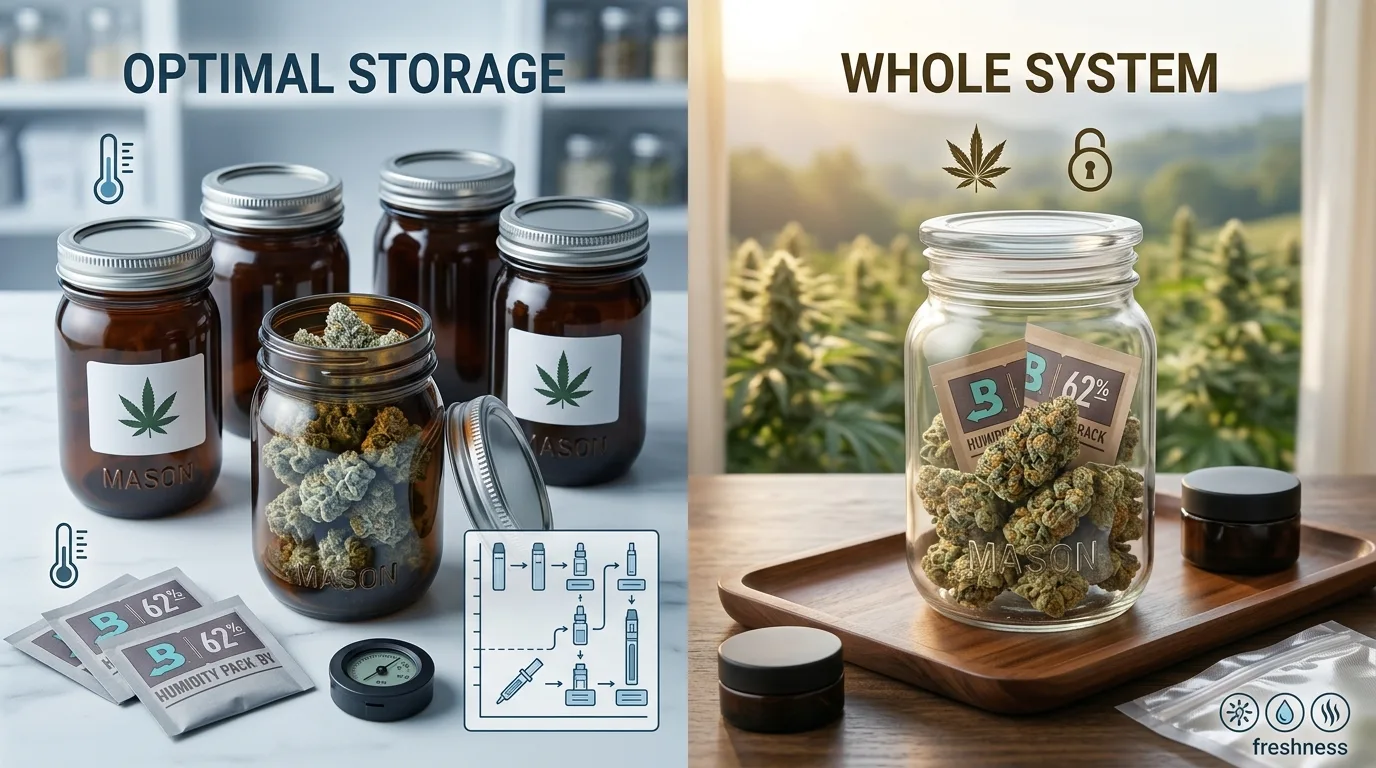
You just picked up a beautiful quarter-ounce of premium bud. The trichomes glisten, the aroma fills the room, and you're looking forward to enjoying it over the next few weeks. Fast-forward two weeks, and that same weed crumbles to dust in your fingers, smells like hay, and barely gets you buzzed. Sound familiar? You're not alone. The single biggest mistake cannabis consumers make isn't buying the wrong strain or overpaying , it's improper storage that destroys perfectly good weed.
Learning how to store weed properly isn't complicated, but it makes the difference between cannabis that stays fresh for months and weed that turns into expensive compost in days. This comprehensive guide covers everything you need to know about cannabis storage, from choosing the right containers to controlling humidity, protecting against light degradation, and maintaining ideal temperatures. Whether you're storing a single gram or stocking up with a bulk purchase, these proven techniques will preserve your investment.
Why Proper Cannabis Storage Actually Matters
Before diving into storage methods, understanding what happens to improperly stored weed helps explain why these techniques matter. Cannabis degradation isn't just about dryness or harshness , it fundamentally changes the plant's chemical composition and therapeutic value.
THC Degradation and Potency Loss
THC, the primary psychoactive compound in cannabis, breaks down over time into CBN (cannabinol), a cannabinoid with significantly different effects. While CBN produces more sedative effects than THC, this conversion represents a loss of the potency you paid for. Studies show that improperly stored cannabis can lose up to 16% of its THC content in the first year, with degradation accelerating dramatically when exposed to light, heat, and air. Store your weed in a cool, dark place, and that same flower retains over 90% of its original potency for months.
Temperature fluctuations accelerate this degradation process. Cannabis stored above 25°C (77°F) experiences rapid cannabinoid breakdown, while freezing temperatures cause trichomes to become brittle and break off. The ideal storage temperature sits between 15-21°C (59-70°F), a range that slows degradation without risking trichome damage.
Terpene Preservation and Flavour Profile
Terpenes, the aromatic compounds that give each strain its distinctive smell and contribute to its effects through the entourage effect, are even more volatile than cannabinoids. These delicate molecules evaporate quickly when exposed to air, light, and heat. That's why improperly stored weed loses its complex aroma and starts smelling like generic dried grass or hay.
Proper storage maintains the terpene profile that defines your strain's character. Whether you're enjoying the citrus punch of a sativa or the earthy undertones of an OG Kush, preserving those terpenes requires protecting your cannabis from the four enemies of freshness: light, air, heat, and improper humidity.
Mold and Contamination Prevention
While overly dry weed is unpleasant, overly moist cannabis presents genuine health risks. Cannabis stored above 65% relative humidity becomes susceptible to mold and mildew growth, with particularly dangerous strains like aspergillus thriving in these conditions. Smoking moldy cannabis can cause serious respiratory problems, especially for immunocompromised individuals.
The sweet spot for cannabis storage sits between 59-63% relative humidity. This range preserves the flower's texture and trichomes without creating conditions favourable to microbial growth. Maintaining this narrow humidity window requires more than just sealing your weed in any old container , it demands proper humidity control tools.
The Four Enemies of Fresh Cannabis
Understanding what degrades cannabis helps you protect against it. These four environmental factors work together to destroy your weed's quality, but controlling them preserves everything you value about premium flower.
Light Exposure and UV Degradation
Light, particularly ultraviolet (UV) rays, is cannabis's worst enemy. A 1976 study published in the Journal of Pharmacy and Pharmacology found that light is the single biggest factor in cannabinoid degradation, more damaging than temperature or air exposure. UV rays break down THC molecules directly, converting them to CBN at an accelerated rate.
This is why dispensaries store premium products in opaque containers and why clear glass jars, despite looking attractive, make terrible long-term storage solutions. Even indirect light from a sunny room degrades cannabinoids over time. Your storage solution must block light completely, whether that's an opaque jar, a container wrapped in lightproof material, or a storage box kept in a dark closet.
Air and Oxygen Exposure
Oxygen triggers oxidation, the chemical process that browns cut apples and rusts metal. The same process degrades cannabinoids and terpenes in cannabis. While some air exchange during the initial curing process benefits freshly harvested flower, long-term storage requires minimizing oxygen exposure.
This doesn't mean vacuum-sealing your weed until it's compressed into a hockey puck. Cannabis needs some breathing room to prevent moisture buildup, but the container should be appropriately sized for the amount of flower. A half-full jar contains too much air; a properly filled jar (about 80-90% full) minimizes oxygen exposure while allowing slight air circulation.
Temperature Fluctuations
Heat accelerates every degradation process affecting cannabis. High temperatures speed up cannabinoid conversion, increase terpene evaporation, and can encourage mold growth when combined with humidity. Temperatures above 25°C (77°F) create an environment where your weed deteriorates rapidly.
Conversely, extremely cold temperatures present their own problems. Freezing cannabis makes trichomes brittle , those delicate resin glands snap off easily, falling to the bottom of your container as kief. While you can collect this kief, you're left with less potent flower. Refrigeration sits in an awkward middle ground: it slows degradation but introduces humidity fluctuations and risks condensation when you remove the container.
The solution? Room temperature storage in a consistently cool environment. A bedroom drawer, a closet shelf, or a dedicated storage box maintains the stable 15-21°C (59-70°F) range ideal for long-term cannabis preservation.
Improper Humidity Levels
Humidity control separates adequate storage from proper storage. Too dry, and your cannabis becomes harsh, loses terpenes, and crumbles into dust. Too moist, and you're cultivating mold. The 59-63% relative humidity sweet spot requires active management, not just hope and good intentions.
Ambient room humidity rarely falls in this ideal range. Summer humidity in Ottawa often exceeds 70%, while winter heating systems drop indoor humidity below 30%. Your cannabis storage system must compensate for these fluctuations, maintaining stable humidity regardless of seasonal changes. This is where humidity control products become essential rather than optional.
Choosing the Right Storage Container
Your storage container is the foundation of cannabis preservation. While numerous options exist, some materials protect your weed far better than others. The ideal container blocks light, limits air exchange, doesn't impart flavours, and maintains stable internal conditions.
Glass Jars: The Gold Standard
Glass mason jars remain the most popular choice among experienced cannabis consumers for good reasons. Glass is non-porous, doesn't transfer flavours or odours, maintains a consistent seal, and lasts indefinitely. Dark amber or violet glass jars offer superior protection by blocking harmful UV rays while allowing beneficial light wavelengths to pass through (though this benefit matters more during curing than long-term storage).
When selecting glass jars, choose airtight options with quality seals. Standard mason jars with two-piece metal lids work well, but specialized cannabis storage jars with rubber gasket seals provide even better protection. Size matters , use smaller jars for smaller quantities rather than storing a few grams in a quart-sized jar. Multiple smaller jars also let you open one container without exposing your entire stash to air.
The main drawback of glass? It's breakable. If you're concerned about accidents, keep jars in a padded storage box or choose a secondary location where they won't be knocked over.
Metal Containers and Tins
Airtight metal tins block light completely and provide excellent protection when properly sealed. Food-grade stainless steel containers won't impart metallic flavours and resist dents better than aluminum. However, metal containers present two challenges: they're not transparent (you can't see your cannabis without opening them), and some metals can create static that pulls trichomes off your flower.
If choosing metal storage, look for containers with interior coatings that prevent static and ensure the seal is truly airtight. Decorative tins without proper seals offer no protection beyond blocking light.
What to Avoid: Plastic Bags and Containers
Plastic bags are cannabis storage's worst enemy, yet they remain the most common way people store their weed. Plastic is porous (allowing air and moisture exchange), creates static that strips trichomes, can impart chemical flavours over time, and offers no protection from light. The zip-lock bag your dispensary used for transport should not become your long-term storage solution.
Even rigid plastic containers present problems. Most plastics aren't truly airtight, they can leach chemicals into your cannabis over time, and they still generate static electricity. While better than bags, plastic containers lag far behind glass or quality metal options. For those purchasing their first cannabis order, investing in proper storage containers immediately prevents the disappointment of degraded weed.
Specialized Cannabis Storage Solutions
The cannabis industry has developed storage containers specifically designed for flower preservation. These range from simple humidity-controlled jars with built-in hygrometers to sophisticated vacuum-sealed systems. While often more expensive than basic glass jars, specialty containers can provide superior protection.
Premium cannabis storage boxes combine multiple protective features: UV-blocking materials, humidity control compartments, airtight seals, and temperature regulation. For serious collectors or medical patients storing significant quantities, these systems justify their cost through improved preservation. However, for most consumers, a quality glass jar with humidity control provides adequate protection at a fraction of the price.
Humidity Control: The Secret to Long-Term Storage
Maintaining the 59-63% relative humidity sweet spot separates good storage from great storage. While sealing cannabis in an airtight container prevents external humidity fluctuations from affecting your weed, it doesn't actively regulate humidity. That's where humidity control products become essential.
Humidity Packs: Two-Way Humidity Control
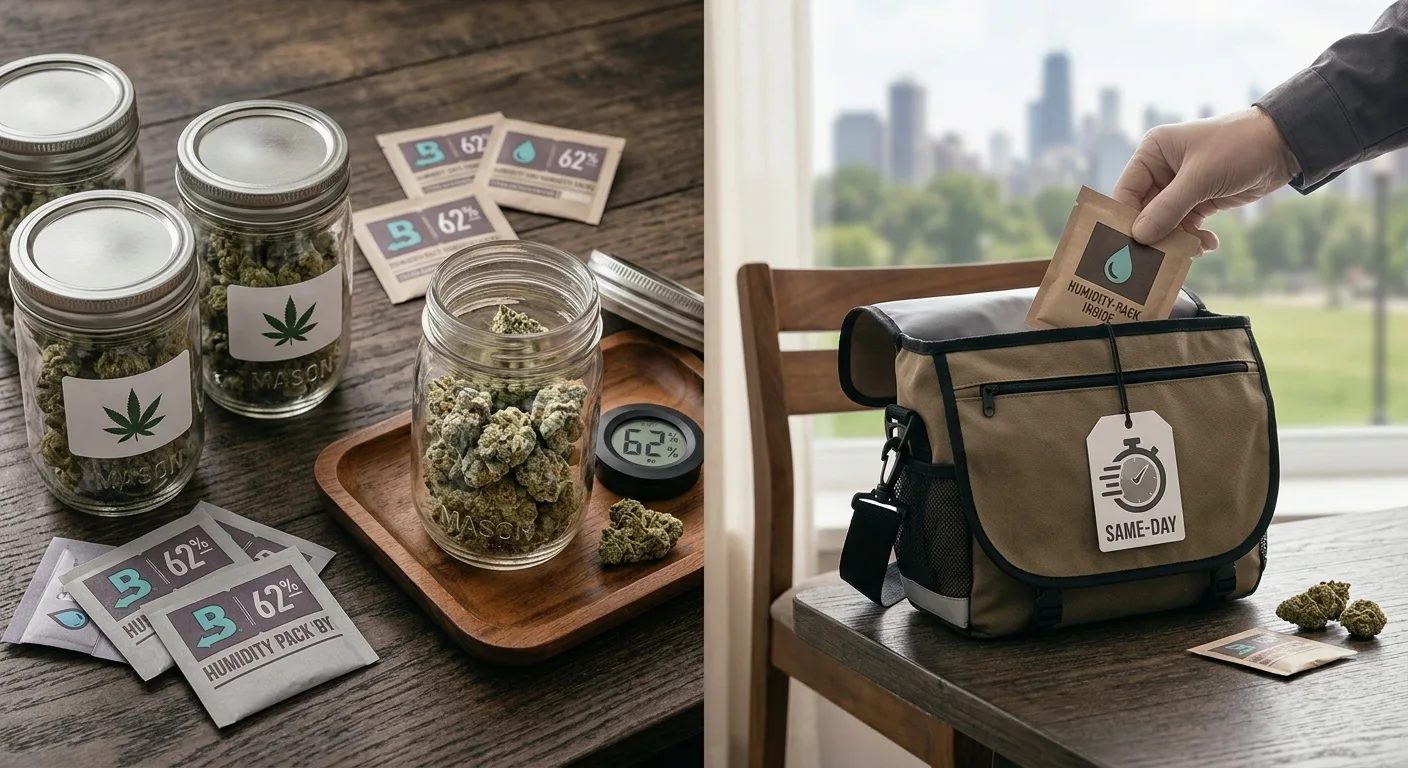
Boveda and Integra Boost packs represent the most popular solution for cannabis humidity control. These two-way humidity regulators both add and remove moisture, maintaining a stable humidity level regardless of starting conditions. Drop a pack rated for your desired humidity level (62% is standard) into your storage container, and it automatically adjusts the internal environment.
These packs work through osmosis and a salt solution, releasing or absorbing water vapour as needed. A single pack typically lasts 2-6 months depending on environmental conditions and how often you open the container. When the pack becomes rigid rather than soft and pliable, it's time for replacement. For detailed information on using these essential tools, check out our complete guide on humidity packs and curing weed.
Pack size matters , manufacturers specify different sizes for different cannabis quantities. Using too small a pack for your stash means it exhausts quickly and fails to maintain stable humidity. Follow the manufacturer's recommendations: typically, a small 4-gram pack handles up to 15 grams of cannabis, while larger 8-gram packs work for ounce quantities.
Hygrometers: Monitoring Your Environment
While humidity packs regulate moisture levels, hygrometers let you monitor them. These small devices measure relative humidity inside your storage container, confirming your humidity packs are working correctly. Digital hygrometers accurate to within 1-2% cost less than $15 and provide peace of mind that your storage conditions remain optimal.
For long-term storage, especially of premium strains or bulk quantities, a hygrometer transforms guesswork into certainty. If readings fall outside the 59-63% range, you know immediately whether you need fresh humidity packs or to address external factors affecting your storage.
Alternative Humidity Control Methods
Before commercial humidity packs, cannabis consumers used various DIY methods to control moisture. Some still swear by orange peels, apple slices, or damp paper towels placed in containers to rehydrate dry weed. While these methods can add moisture, they cannot remove excess humidity, often add unwanted flavours, and risk introducing mold.
The small cost of proper humidity control packs makes DIY methods obsolete for anyone serious about cannabis storage. Two-way humidity regulators provide consistent, predictable results without the risks associated with organic matter in sealed containers.
Temperature and Location: Where to Store Your Stash
Even with the perfect container and humidity control, storage location matters. Environmental factors in your chosen spot can either support or undermine your preservation efforts.
Ideal Storage Locations
The best cannabis storage spots maintain consistent cool temperatures, stay dark, and experience minimal disturbance. A bedroom drawer, closet shelf, or dedicated storage box in a climate-controlled room all work well. Avoid locations near heat sources (radiators, ovens, electronics that generate heat), windows that receive direct sunlight, or damp areas like bathrooms.
Many experienced consumers dedicate a specific drawer or small cabinet to cannabis storage, keeping everything organized and protected. This approach also helps with smell control , while properly sealed containers shouldn't leak odours, a dedicated storage area with odour-absorbing materials provides an extra layer of discretion.
Refrigeration: Usually Unnecessary
Refrigerating cannabis slows degradation but introduces complications that usually outweigh the benefits. Fridges create humidity fluctuations, and removing cold containers into warm rooms causes condensation , moisture accumulation that can lead to mold. Additionally, opening the fridge exposes your cannabis to light repeatedly.
For short-term storage (weeks to a few months), room temperature with proper humidity control preserves cannabis adequately. Only consumers storing large quantities for extended periods (six months plus) might benefit from refrigeration, and even then, they must account for condensation risks by allowing containers to reach room temperature before opening.
Freezing Cannabis: When It Makes Sense
Freezing offers the best long-term preservation for cannabis you won't access for many months, but it requires careful technique. Frozen cannabis must be handled gently since frozen trichomes shatter easily. The container must be absolutely airtight to prevent freezer burn, and you cannot repeatedly freeze and thaw , moisture from condensation will destroy your weed.
For most consumers, freezing makes sense only for long-term archival storage of special strains or large quantities purchased for future use. Daily-use cannabis should remain at stable room temperature in proper containers.
Special Storage Considerations
Different cannabis products and situations require adjusted storage approaches. While dried flower storage follows the principles outlined above, other factors come into play for specific scenarios.
Storing Different Cannabis Products
Concentrates like shatter, wax, and live resin require different storage than flower. These products need protection from heat (which causes melting and degradation), light (which breaks down cannabinoids), and air exposure (which can cause drying or texture changes). Small silicone containers work well for concentrates, stored in the same cool, dark conditions as flower but without humidity packs , added moisture would ruin most concentrates.
Edibles have their own requirements based on ingredients. Cannabis-infused baked goods typically last one to two weeks at room temperature and up to several months frozen. Gummies and hard candies last longer but still benefit from cool, dark storage. Always check expiration dates on commercial edibles and store homemade products as you would their non-infused equivalents.
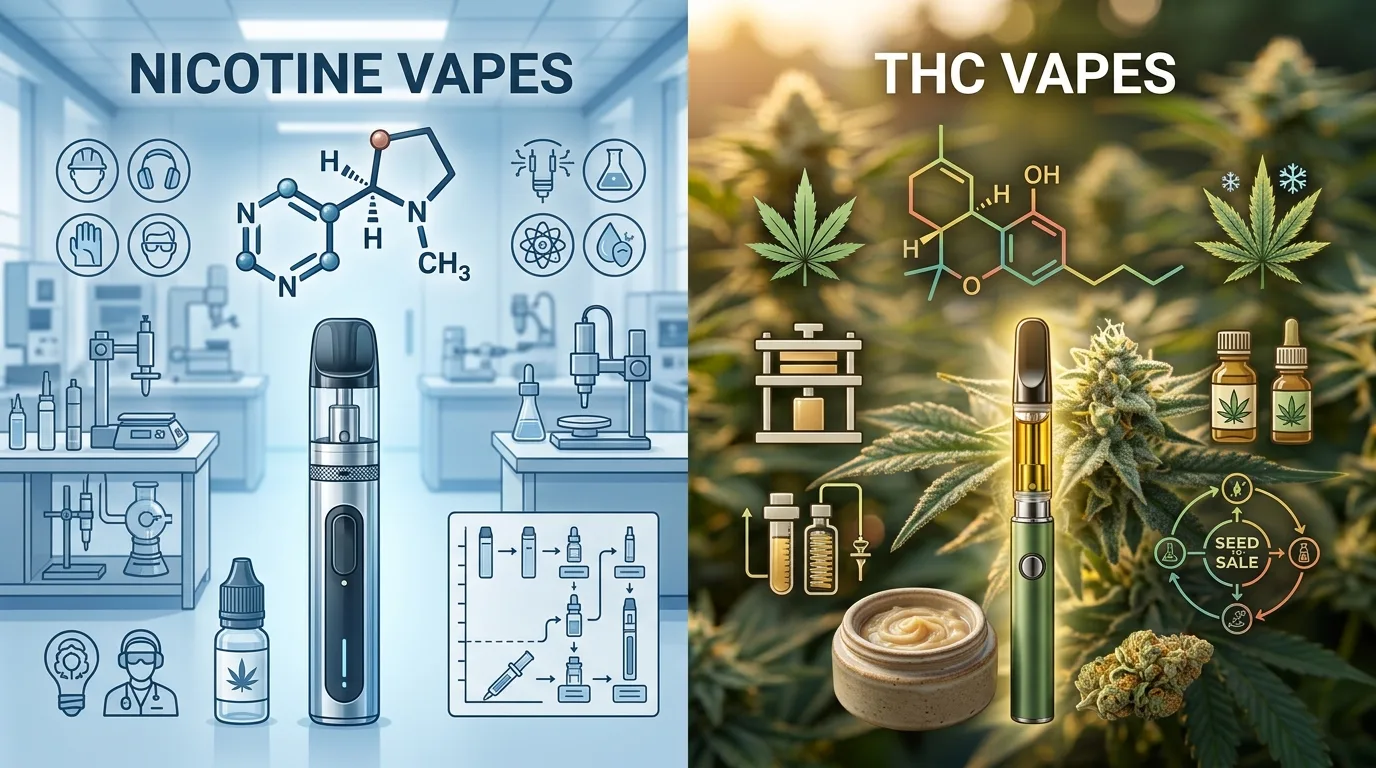
Vape cartridges should be stored upright in cool conditions to prevent oil from clogging the mouthpiece or leaking. Avoid extreme temperature changes that can cause the oil to expand and leak from seals. For those enjoying modern cannabis concentrates, proper storage maintains the product's consistency and potency.
Storing Multiple Strains
Cannabis enthusiasts often keep several strains on hand for different occasions or effects. Storing multiple strains requires organization to prevent mixing and cross-contamination of flavours. Use separate, labelled containers for each strain rather than storing everything together. This prevents terpenes from blending and helps you track how long each strain has been stored.
Small glass jars with labels work perfectly for a multi-strain collection. Note the strain name, purchase date, and any relevant effects or characteristics. This system helps you rotate through your stash, using older purchases before they degrade while keeping newer additions fresh.
Travel and Portable Storage
Travelling with cannabis within Canada is legal with restrictions, but storage during travel presents unique challenges. Small, airtight containers protect your cannabis from crushing and moisture during transport. Many companies make smell-proof, crush-proof travel cases specifically for cannabis.
For air travel within Canada, cannabis must remain in sealed, unopened packages in carry-on bags (checked baggage risks pressure changes and rough handling). Review our guide on flying with cannabis in Canada for complete details on legal transport. For car travel, keep cannabis in the trunk and never consume before or while driving , impaired driving laws apply regardless of the substance.
Smell Control and Discretion
While legal, cannabis storage should remain discreet out of courtesy to roommates, family members, or neighbours who may find the smell unpleasant. Properly sealed containers shouldn't leak odours, but double-container storage adds another barrier , place your airtight jar inside a larger sealed container or smell-proof bag.
Activated carbon pouches placed near (not inside) storage containers absorb any escaping odours. These inexpensive packets, similar to what's used in aquarium filters, eliminate smells without affecting your cannabis. Replace them every few months as they become saturated.
Reviving Dry Cannabis: Damage Control
Despite your best efforts, you may encounter overly dry cannabis , whether from improper storage, a bargain purchase, or flower that arrived already dry. While you cannot fully restore degraded cannabinoids or evaporated terpenes, you can improve the smoking experience.
Safe Rehydration Techniques
Humidity packs offer the safest rehydration method. Place dry cannabis in an airtight container with a fresh 62% humidity pack and wait 24-72 hours. The pack gradually rehydrates the flower without adding excess moisture or foreign flavours. This method won't restore lost terpenes, but it improves texture and reduces harshness.
For faster rehydration, some consumers use the "jar and lettuce" method: place a small piece of fresh lettuce (not touching the cannabis) in the storage jar for a few hours. The lettuce releases moisture that the cannabis absorbs. However, this requires careful monitoring , too long and you risk over-humidification or mold. Remove the lettuce after 2-4 hours and let the container sit sealed for another 12 hours for moisture to distribute evenly.
What Not to Do
Avoid quick-fix rehydration methods like adding wet paper towels, fruit peels, or bread to your containers. These introduce organic material that can mold, often add unwanted flavours, and typically over-humidify. The few hours you save aren't worth the risk of ruining your entire stash.
Never microwave cannabis attempting to restore moisture or soften buds , you'll destroy cannabinoids and terpenes while creating harsh, unpleasant smoke. Similarly, steaming cannabis over boiling water might add moisture but also cooks away many of the compounds you're trying to preserve.
Common Storage Mistakes and How to Fix Them
Even with knowledge of proper storage principles, certain mistakes remain common. Recognizing and correcting these errors prevents waste and disappointment.
The Plastic Bag Problem
Keeping cannabis in the original dispensary bag ranks as the most common storage mistake. These bags serve as transport packaging, not long-term storage. Transfer your purchase to proper containers immediately upon arriving home. The hour you save by not transferring to glass costs you weeks of preserved freshness.
Over-Opening Containers
Every time you open your storage container, you expose cannabis to air, light, and humidity fluctuations. While you obviously need to access your stash, minimize opening frequency and duration. Don't leave jars open while you grind and roll , remove what you need, seal the container, then prepare your session. For daily use, keep a small amount in a separate container so you're not constantly opening your main supply.
Neglecting Container Cleanliness
Cannabis residue builds up in storage containers over time, potentially harboring mold spores or bacteria. Clean containers thoroughly between uses or when switching strains. Wash glass jars with hot, soapy water, rinse well, and dry completely before adding fresh cannabis. Never place new product in containers with old plant matter or moisture.
Mixing Fresh and Old Cannabis
Adding fresh cannabis to a container with older, drier flower causes the new product to lose moisture to the old, degrading both batches. If you have remaining cannabis and want to add a fresh purchase of the same strain, use it as an opportunity to assess storage effectiveness. If the old batch is still fresh, you can combine them. If it's deteriorated, consume or dispose of it rather than contaminating fresh weed.
Building Your Ideal Storage System
Creating a proper cannabis storage system doesn't require expensive equipment or complicated setups. A modest investment in quality containers and humidity control pays for itself through preserved potency and extended shelf life.
Beginner Setup: Essential Storage
New consumers need only a few items to store cannabis properly. Start with 2-3 wide-mouth mason jars in sizes appropriate for your typical purchase quantities (half-pint jars for 3.5-7 grams, pint jars for larger amounts). Add one Boveda or Integra pack per jar, rated for 62% humidity. Store jars in a dark, cool location like a bedroom drawer or clos