
 %
%
 %
%
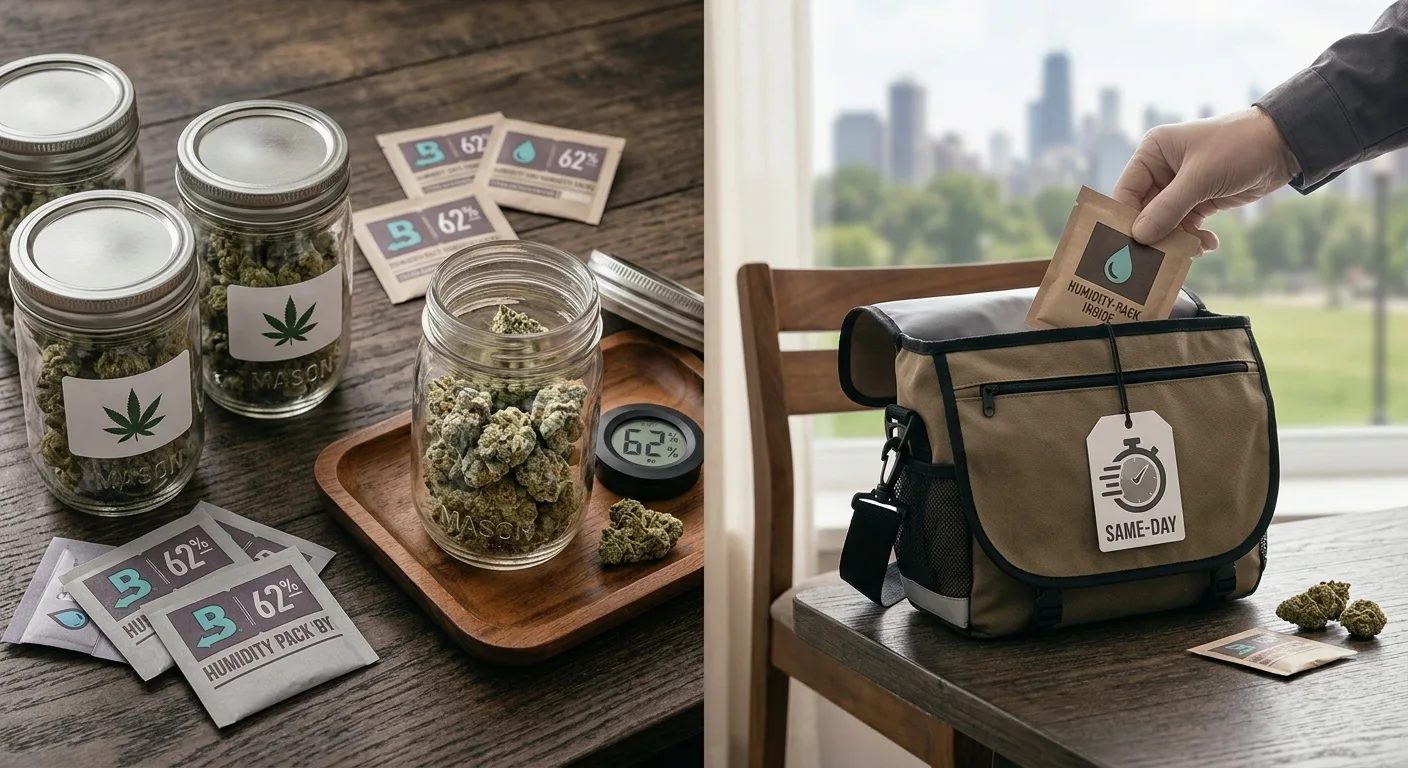
You finally scored that gorgeous eighth of premium flower, only to open the jar a week later and find bone-dry nuggets that crumble into dust at the slightest touch. Or worse, you discover a faint whiff of must and spots of white fuzz creeping across what was once pristine bud. Sound familiar? Whether your cannabis has turned into the Sahara Desert or a science experiment, the culprit is the same: improper humidity control. The good news is that both extremes are preventable, and in many cases, fixable with the right knowledge and tools.
Humidity packs, those small sachets you might have noticed tucked into your cannabis containers, are the unsung heroes of proper cannabis storage. These simple packets can mean the difference between premium flower that stays fresh for months and expensive weed that becomes harsh, flavourless, or downright unsafe to consume. In this comprehensive guide, we'll break down everything you need to know about humidity packs, the science of curing weed, why your cannabis goes dry or moldy, and exactly how to fix both problems. Whether you're storing a personal stash or managing bulk purchases, understanding humidity control is essential for getting the most out of every gram you buy.
Why Humidity Matters for Cannabis Quality
Cannabis is a delicate plant material that continues to interact with its environment long after harvest. Unlike shelf-stable products, dried flower remains biochemically active, which means it's constantly exchanging moisture with the surrounding air. This exchange determines whether your weed maintains its potency, flavour, and smoothness or degrades into something unrecognizable.
The ideal relative humidity (RH) for stored cannabis sits in a narrow sweet spot: between 55% and 62%. This range preserves the trichomes, those crystalline structures packed with cannabinoids and terpenes that give cannabis its effects and aroma. Too low, and those trichomes become brittle, breaking off and taking your THC with them. Too high, and you create the perfect breeding ground for mold, mildew, and bacteria that can ruin an entire stash and potentially harm your health.
What Happens When Cannabis Gets Too Dry
When humidity drops below 55%, cannabis enters the danger zone of over-drying. The terpenes, those aromatic compounds responsible for strain-specific flavours and effects, are volatile and evaporate rapidly in dry conditions. This is why old, dried-out weed smells like hay instead of the sweet, skunky, or fruity notes you expect from quality flower.
Beyond lost flavour, dry cannabis burns hotter and harsher. The smoke becomes acrid and irritating to the throat and lungs, causing coughing fits even in experienced consumers. The flower itself becomes brittle, crumbling into powder that's difficult to handle and burns unevenly. Those beautiful, intact buds you paid premium prices for turn into shake, and the fine trichome heads shatter off, settling as kief at the bottom of your container rather than delivering their effects when you consume.
The Dangers of Excess Moisture
On the opposite end, when relative humidity climbs above 65%, you're rolling out the welcome mat for microbial invaders. Mold spores are everywhere in the environment, just waiting for the right conditions to colonize. High humidity combined with warmth creates those conditions perfectly.
The most common cannabis molds include white powdery mildew, botrytis (bud rot), and various aspergillus species. Some of these produce mycotoxins that can cause serious respiratory issues, especially in people with compromised immune systems or existing lung conditions. Smoking moldy weed is never safe, no matter how small the affected area appears. Once mold has taken hold in a container, spores have likely spread throughout the entire batch.
Even before visible mold appears, excess moisture makes cannabis feel spongy rather than sticky. The buds don't break apart cleanly, and they may smell musty or like damp basement. At this stage, you're already experiencing degradation of quality and increased risk of contamination.
Understanding Boveda Packs and How They Work
Boveda humidity packs revolutionized cannabis storage when they entered the market. Unlike one-way moisture absorbers found in food packaging, Boveda packs use patented two-way humidity control technology. This means they both add and remove moisture as needed, maintaining a precise relative humidity level inside your storage container.
The science behind these packs involves a saturated salt solution suspended in a gel matrix, all contained within a semi-permeable membrane. When the air inside your container gets too dry, the pack releases pure water vapour. When humidity creeps too high, the pack absorbs excess moisture. This self-regulating system continues working until the salt solution is completely depleted, which typically takes between two and six months depending on storage conditions.
Choosing the Right RH Percentage
Boveda packs come in several humidity levels, but for cannabis storage, you'll primarily encounter 58% and 62% options. The choice between them comes down to personal preference and how you plan to consume your flower.
The 62% packs maintain slightly higher moisture content, which preserves maximum terpene retention and keeps flower feeling sticky and fresh. This is ideal for consumers who prioritize flavour and aroma, particularly when using vapourizers that showcase terpene profiles. The buds remain pliable and easier to break apart by hand.
The 58% packs create a slightly drier environment that some consumers prefer for rolling. The flower breaks apart more easily and burns more evenly in joints and blunts. This lower RH also provides an extra margin of safety against mold if your storage area experiences temperature fluctuations.
For those interested in learning more about different cannabis products and storage needs, our Indigenous-owned Ottawa weed store offers expert guidance on maintaining your purchase quality from delivery to consumption.
Proper Pack Sizing and Placement
Using the correct pack size for your container volume makes a significant difference in performance. Boveda provides sizing guidelines, but the general rule is one 8-gram pack for every ounce (28 grams) of cannabis in containers up to one litre. For larger storage containers or bulk amounts, you'll need correspondingly larger packs or multiple smaller ones.
Place the pack directly in your storage container without any barrier between it and the cannabis. The packs won't over-humidify your flower or transfer any flavours. Many users worry about direct contact, but the semi-permeable membrane ensures only water vapour passes through, nothing else. Position the pack on top of your flower for easiest access when checking pack condition.
The Proper Curing Process: Foundation of Quality Cannabis
Before we talk about fixing dry or moldy weed, it's important to understand that proper curing prevents most storage problems from ever developing. Curing is the controlled drying and ageing process that occurs after harvest, and it's what separates amateur flower from connoisseur-grade cannabis. Even if you're not growing your own, understanding curing helps you identify properly prepared product and store it correctly.
What Curing Actually Does
Freshly harvested cannabis contains chlorophyll, starches, and sugars that make smoke harsh and unpleasant. The curing process breaks down these compounds through controlled bacterial and enzymatic activity. This biological process requires time and specific environmental conditions, you can't rush it without sacrificing quality.
During the first two weeks of curing, the most dramatic changes occur. Chlorophyll degrades, eliminating that "green" taste and smell. Starches convert to simpler sugars, and various organic compounds transform into the complex terpene profiles we associate with quality cannabis. This is also when remaining moisture equalizes throughout the bud structure, moving from the dense stem core to the drier outer leaves.
Proper curing typically takes a minimum of two weeks, but many cultivators cure premium flower for four to eight weeks or even longer. Extended curing continues to smooth the smoke and can develop more complex flavour profiles, similar to ageing fine wine or whiskey. Some connoisseur growers cure select batches for six months or more, though most consumers find peak quality between one and three months.
The Role of Burping During Cure
Professional growers and home cultivators "burp" their curing containers during the first few weeks by opening them daily to exchange air. This releases built-up moisture, introduces fresh oxygen, and prevents anaerobic conditions that could lead to mold. The burping process is where manual attention to humidity becomes crucial.
During burping, growers check the buds for any signs of excess moisture or mold. If buds feel too moist or start clumping together, they need more drying time outside the containers. If they feel crispy, humidity packs can help reintroduce lost moisture before it becomes irreversible. This daily interaction during cure establishes the proper moisture balance that humidity packs will later maintain during long-term storage.
For consumers purchasing from dispensaries or delivery services like our Barrhaven weed delivery, the curing has already been done. Your job is maintaining that cure through proper storage, which is where humidity packs become essential.
How to Fix Over-Dried Cannabis
Finding your stash has turned crispy is disappointing, but all hope isn't lost. While you can't completely reverse the terpene loss that's already occurred, you can rehydrate the physical structure of the buds to improve the smoking experience and prevent further degradation. The key is rehydrating slowly and carefully to avoid introducing too much moisture too quickly, which could trigger mold growth.
The Humidity Pack Method (Best Option)
Adding a Boveda pack to your dried-out cannabis is the safest, most reliable rehydration method. Place the appropriate pack size in your container with the dry flower, seal it, and wait. Depending on how dry the cannabis is, you'll see improvement within 24 hours, but full rehydration may take up to a week.
The beauty of this method is its safety. The pack will only add moisture to the predetermined RH level, so you can't accidentally over-humidify and create mold conditions. Check your buds after a few days. They should start feeling less brittle and more pliable. The aroma may improve slightly as some terpenes that were still present but masked by dryness become more noticeable again.
For severely desiccated cannabis that's been dry for months, consider using a fresh pack. The pack will work harder and deplete faster when rehydrating very dry material. Some users employ a technique called "pack stacking," using two packs during initial rehydration, then removing one once the RH stabilizes.
Emergency Rehydration Techniques
If you need a faster fix and don't have humidity packs on hand, there are DIY methods, though they require more careful monitoring. The orange peel technique involves placing a small piece of fresh orange peel in your container with the dry cannabis, but not touching the buds directly. Check every few hours and remove the peel once the buds feel less brittle, usually within 12-24 hours.
The risk with organic materials like fruit peels is introducing sugars and potential contaminants. Never leave them in contact with buds for more than 24 hours, and inspect carefully for any signs of mold before consuming rehydrated cannabis. A cleaner variation uses a small piece of clean, damp (not wet) paper towel in a perforated container or plastic bag with holes, placed inside your storage jar but isolated from direct bud contact.
These DIY methods work in a pinch, but they require active monitoring and carry higher mold risk than purpose-built humidity control. For anyone serious about cannabis storage, investing in proper humidity packs pays for itself in preserved quality and peace of mind.
Identifying and Dealing with Moldy Cannabis
Mold is the nightmare scenario for cannabis storage, and unfortunately, it's not always obvious until it's advanced. Learning to identify early warning signs can save you from consuming contaminated product and help you salvage unaffected portions of your stash.
Visual and Olfactory Warning Signs
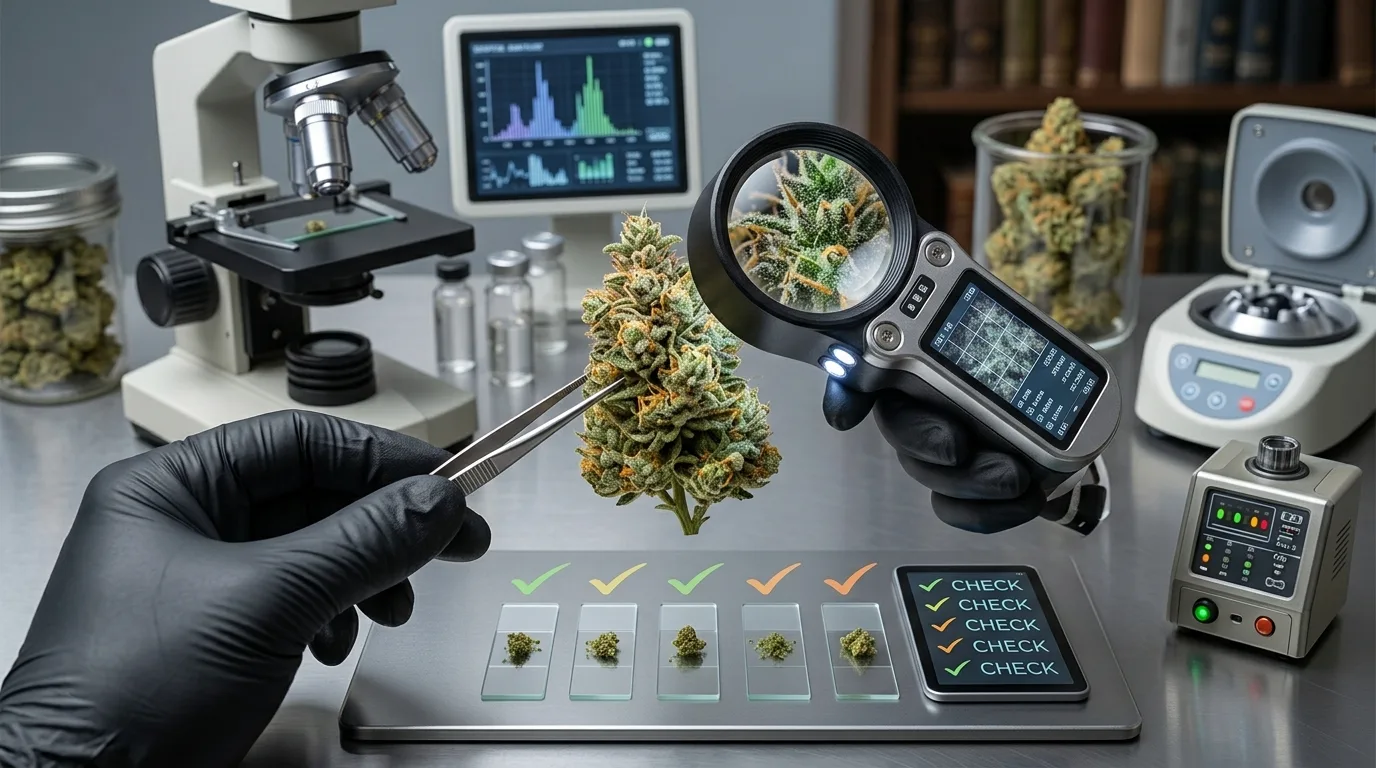
The most obvious sign of mold is visible fuzzy growth, typically appearing white, grey, or even black. White powdery mildew looks like someone dusted the buds with flour. Bud rot appears as brown, dead-looking sections that feel mushy when touched. Under magnification, mold looks distinctly different from trichomes, with irregular web-like structures rather than the mushroom-shaped glandular heads of healthy resin glands.
Smell provides another crucial diagnostic. Moldy cannabis smells musty, mildewy, or like damp basement. This odour is completely different from the earthy, skunky, or sweet aromas of terpenes. If your cannabis smells off, particularly if it previously smelled good, that's a red flag worth investigating.
Less obvious signs include unusual sponginess when squeezing buds, dark or discoloured patches that weren't there before, and an unexpected ammonia-like smell. Some molds produce metabolic byproducts that smell sharply chemical or like cat urine. Trust your senses. If something seems wrong, it probably is.
The Hard Truth About Salvaging Moldy Weed
The unfortunate reality is that once mold has visibly colonized cannabis, the entire batch is compromised. Mold produces microscopic spores that spread throughout your storage container long before you see visible growth. Those spores are present on every bud in the jar, even ones that look clean.
Some people attempt to salvage unaffected-looking portions, but health experts and cultivation professionals strongly advise against this. Inhaling mold spores and mycotoxins can cause serious respiratory issues, allergic reactions, and infections, particularly in immunocompromised individuals. No amount of cannabis is worth risking your health.
The only safe option when you discover mold is discarding the affected batch entirely. Clean your storage containers thoroughly with isopropyl alcohol or a dilute bleach solution, rinse completely, and allow them to air dry fully before reusing. This prevents cross-contamination of future batches.
Optimal Storage Conditions Beyond Humidity Control
While humidity packs handle moisture regulation, complete cannabis preservation requires attention to several environmental factors working together. Think of proper storage as a system where each element supports the others.
Temperature Management
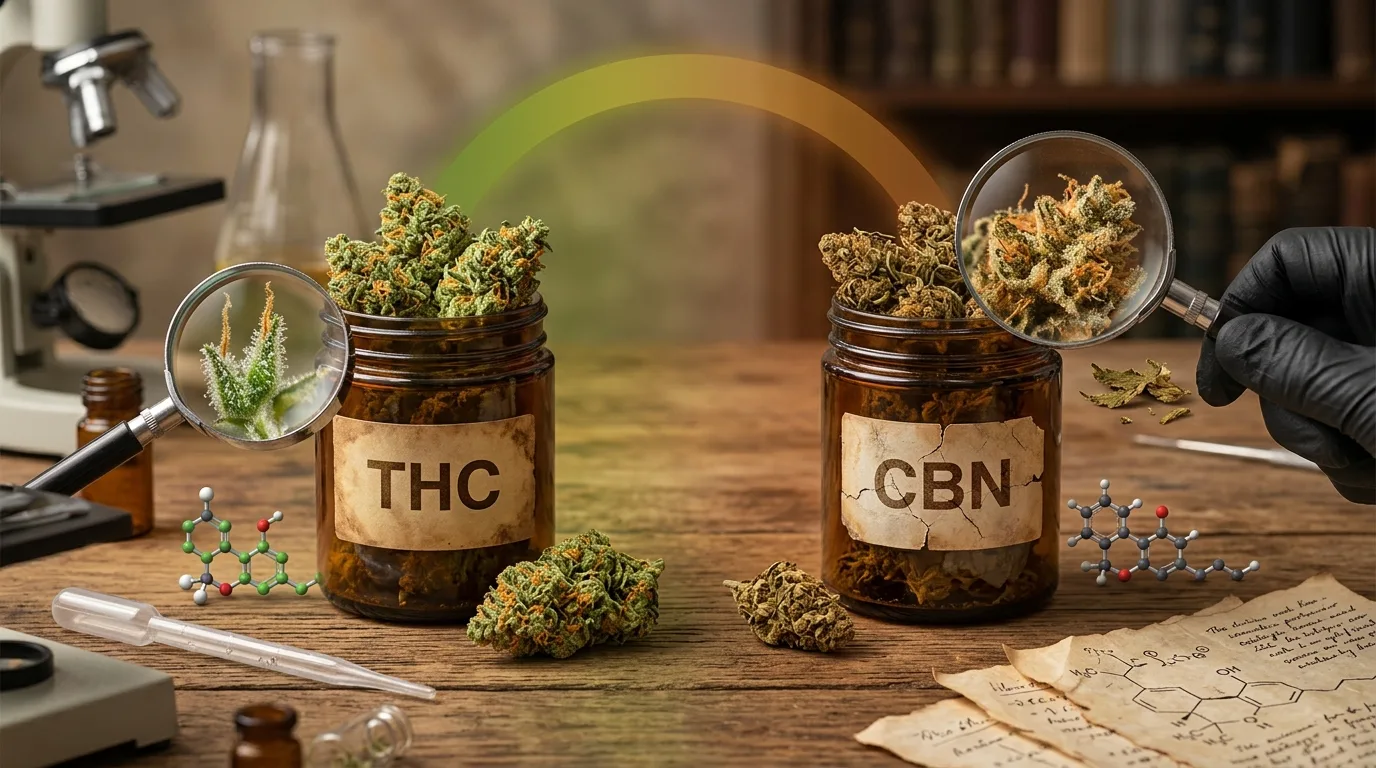
Cannabis stores best at cool, stable temperatures between 60-70°F (15-21°C). Higher temperatures accelerate cannabinoid degradation and terpene evaporation. At temperatures above 77°F (25°C), THC begins converting to CBN, a cannabinoid that produces sedative effects rather than the psychoactive high of THC. This is why old, improperly stored weed makes you sleepy instead of euphoric.
Avoid temperature fluctuations, which create condensation inside containers. This moisture accumulation can raise humidity well above your pack's target range, potentially triggering mold despite having humidity control in place. Store your cannabis in locations with stable temperatures, away from heat sources like radiators, appliances, or sunny windows.
Some enthusiasts refrigerate cannabis for long-term storage, which can work if done correctly. However, refrigeration requires vacuum-sealed containers to prevent moisture condensation when moving between cold storage and room temperature. For most consumers, a cool, dark cupboard or drawer provides adequate temperature control without the complications of refrigeration.
Light Protection
UV light is one of cannabis's worst enemies. Research has shown that light exposure degrades cannabinoids faster than any other single factor. THC is particularly photosensitive, breaking down into CBN when exposed to UV radiation. This degradation occurs whether the light comes from direct sunlight or indoor lighting.
Always store cannabis in opaque containers or in dark locations. Amber or UV-resistant glass jars provide excellent light protection while allowing you to see your product. If using clear glass, keep it in a dark cabinet or drawer. Never store cannabis where direct sunlight can reach it, even if only for part of the day.
For those managing larger collections or bulk purchases from services like our Carp weed delivery, organizing your storage by intended use timeline helps optimize conditions. Cannabis you plan to consume within a few weeks can stay in more accessible locations, while long-term storage belongs in the darkest, coolest spots available.
Container Selection and Air Exchange
The container itself plays a crucial role in storage success. Glass mason jars with airtight seals represent the gold standard for cannabis storage. They're inert, don't leach flavours or chemicals, and create an excellent seal when combined with humidity packs. The wide mouth design allows easy access and pack placement.
Avoid plastic bags and containers for long-term storage. Plastic can impart flavours over time, generates static electricity that pulls trichomes off buds, and doesn't provide airtight seals. Metal containers can work but must be food-grade stainless steel. Lower quality metals may oxidize or react with the terpenes in cannabis.
Container size matters for humidity pack efficiency. Using a one-gallon jar for an eighth of weed means the pack works harder to control the large air volume relative to the small amount of plant material. Right-sized containers where the cannabis fills most of the volume allow packs to work more efficiently and last longer.
Troubleshooting Common Storage Problems
Even with humidity packs and proper containers, you may encounter issues. Understanding how to diagnose and correct these problems saves cannabis and prevents recurring issues.
Pack Isn't Maintaining Humidity
If your hygrometer shows humidity levels outside the pack's target range, several factors could be responsible. First, verify the pack is still active. Boveda packs harden and crystallize when depleted. A functional pack should feel soft and pliable, with some give when squeezed gently. If it's rock hard, it's time for a replacement.
Container seal integrity is the next checkpoint. Even small leaks allow ambient air exchange that overwhelms the pack's capacity. Test your seal by closing the container and trying to pull the lid off without unsealing it. If there's any give or wobble, the seal isn't airtight. Replacing gaskets or upgrading containers may be necessary.
Pack size relative to cannabis amount and container volume affects performance. An 8-gram pack designed for an ounce won't effectively control humidity in a half-gallon jar with only a quarter ounce inside. Similarly, trying to maintain humidity for several ounces with a single small pack overtaxes its capacity. Recalculate your pack needs and adjust accordingly.
Cannabis Smells Like Hay
The dreaded hay smell indicates either improper curing or terpene degradation from storage issues. If your cannabis arrived smelling like hay, it was poorly cured, likely dried too quickly without proper treatment. Humidity packs can't resurrect lost terpenes, but they can prevent further degradation and may allow some subtle existing aromatics to express themselves more fully as the bud structure stabilizes.
If properly cured cannabis develops hay smell during your storage, you're likely experiencing terpene loss from temperature, light, or humidity problems. Review your storage location for heat sources, light leaks, or humidity swings. Even with packs maintaining RH, high temperatures evaporate terpenes. Moving to cooler storage may prevent further loss in remaining product.
Buds Feel Wet or Spongy
If buds feel wet or overly spongy despite having humidity packs installed, you're experiencing excess moisture that exceeds the pack's absorption capacity. This most commonly occurs with freshly purchased cannabis that wasn't properly dried before packaging, or when temperature fluctuations create condensation.
Remove the cannabis from sealed storage immediately and allow it to air dry in a cool, dark location with good air circulation. Spread buds out on a clean surface, not touching each other. Check every few hours until they reach the proper texture, slightly dry to touch but not brittle. Then return them to storage with a fresh humidity pack, which will fine-tune and maintain the proper RH level.
If this happens repeatedly with cannabis from the same source, it may indicate issues with their curing or packaging process. Consider exploring quality-focused suppliers such as our graded cannabis selection where proper preparation is guaranteed.
Long-Term Storage Strategies for Bulk Purchases
Buying in bulk saves money, but only if you can maintain quality throughout the extended storage period. Cannabis can remain viable for a year or more when stored properly, making bulk purchases economically attractive for regular consumers.
Dividing Your Stash
The best practice for bulk storage involves dividing your purchase into two categories: active use and long-term storage. Keep a small amount, perhaps a week or two's worth, in your everyday container that you access regularly. Store the remainder in sealed containers you won't open until needed.
This strategy minimizes air exchange for your bulk storage. Every time you open a container, you introduce new air with different humidity, potentially carrying contaminants. The less frequently you open long-term storage, the better it maintains quality. When your active use supply runs low, open one long-term container, refill your daily jar, and reseal the bulk storage.
Label your containers with strain name, purchase date, and the date you added the humidity pack. This helps you track pack replacement timing and ensures you consume older stock first. Rotation prevents any portion of your collection from ageing excessively while you work through newer purchases.
Monitoring and Pack Replacement
For long-term storage, checking your containers monthly ensures everything remains stable. A quick visual inspection confirms no mold development, and you can verify pack condition by feel. Most packs last two to four months under normal conditions, but heavily used packs in large containers or challenging environments may deplete faster.
Including a small, inexpensive hygrometer in each long-term storage container provides objective humidity data. Digital hygrometers the size of a coin are available for a few dollars and give you peace of mind that your humidity packs are performing correctly. If readings drift outside the target range, you'll know to replace packs before quality suffers.
Budget for humidity pack replacement as part of your bulk purchase cost calculation. Factor in approximately two to three pack changes over a year of storage. This cost remains minimal compared to the savings of bulk purchasing and is vastly cheaper than replacing degraded cannabis.
Making an Informed Choice About Humidity Control
The investment in quality humidity packs and proper storage containers is modest, typically under $30 for equipment that protects hundreds of dollars' worth of cannabis. When you consider that dried-out or moldy weed represents a total loss, the value proposition becomes obvious.
For consumers who purchase smaller amounts more frequently, a basic setup of mason jars and humidity packs still makes sense. Even a week in improper storage begins the degradation process. Protection from day one ensures every session delivers the full experience you paid for.
Those managing medical cannabis supplies have additional incentive for proper storage. Medical users often purchase specific strains for particular effects or symptom relief. Maintaining those precise cannabinoid and terpene profiles ensures consistent therapeutic benefits. Storage failures that degrade your medicine create more than inconvenience; they can affect your treatment efficacy.
Get Fresh Cannabis Delivered Today
Why worry about storage when you can get fresh, properly cured cannabis delivered to your door? Shop our full selection of premium strains and accessories.
Browse Our Menu