Growing cannabis indoors gives you complete control over your environment, allowing you to cultivate premium-quality flower year-round regardless of outdoor conditions. Whether you're inspired by the exceptional quality of strains like Amnesia Gold 6A+ or the potent effects of Death Row OG, understanding the fundamentals of indoor cultivation can help you produce your own top-shelf cannabis at home. This comprehensive guide will walk you through everything you need to know to get started with indoor cannabis growing.
Choosing the Right Growing Space
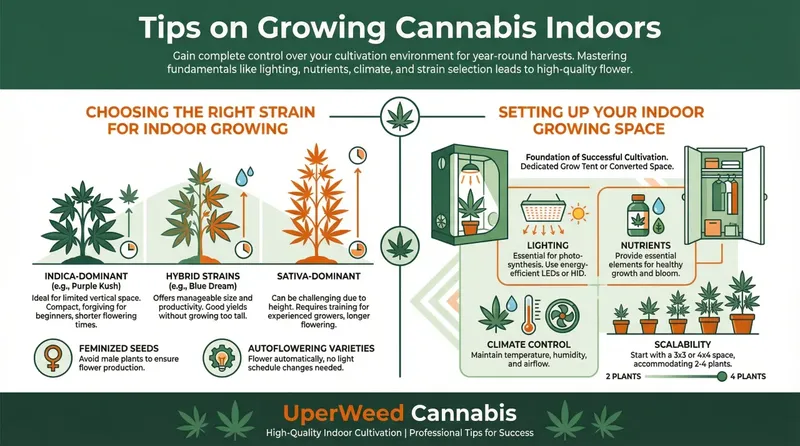
The foundation of successful indoor cannabis cultivation starts with selecting an appropriate growing space. You don't need a massive area—many growers start with a closet, spare room, or dedicated grow tent. The key is ensuring your space can be properly sealed, ventilated, and light-proofed.
Click the image to view full size
When evaluating potential growing spaces, consider these essential factors:
- Height clearance: Cannabis plants can stretch significantly during flowering, so aim for at least 5-6 feet of vertical space
- Accessibility: You'll need regular access for watering, pruning, and monitoring
- Power access: Growing equipment requires multiple electrical outlets and adequate amperage
- Ventilation potential: Fresh air exchange is critical for healthy plant development
- Temperature stability: Basements often work well due to naturally stable temperatures
Most beginners find success starting with 2-4 plants in a 4x4 foot tent, which provides enough space to learn without becoming overwhelming. This sized operation can potentially yield several ounces per harvest when properly managed.
Before starting any cannabis growing operation, verify that cultivation is legal in your jurisdiction and that you comply with all local regulations regarding plant counts and security requirements.
Essential Equipment for Indoor Growing
Quality equipment makes the difference between mediocre results and the kind of premium flower you'd find in strains like Astro Biscotti or Gelato Runtz. While the initial investment can seem substantial, proper equipment pays for itself through successful harvests.

Deep Purple Kush
Premium indica with 31.98% THC, sweet berry and grape flavors, and powerful full-body r...
Here's what you'll need to get started:
Lighting Systems: Light is the most critical factor in cannabis cultivation. LED grow lights have become the gold standard for home growers, offering full-spectrum output with lower heat production and energy costs compared to traditional HPS systems. For a 4x4 space, invest in a quality LED system providing at least 400-600 actual watts (not "equivalent" watts).
Ventilation and Climate Control: Cannabis thrives in temperatures between 70-85°F during the day and slightly cooler at night. You'll need an exhaust fan (typically rated in CFM—cubic feet per minute), carbon filter to control odors, and oscillating fans to strengthen stems and prevent mold. A basic hygrometer/thermometer combo helps you monitor conditions.
Growing Medium and Containers: Most beginners start with soil growing in fabric pots, which promote healthy root development through air pruning. Premium organic soil blended specifically for cannabis provides an excellent foundation. Each plant typically needs 3-5 gallon containers for optimal growth.
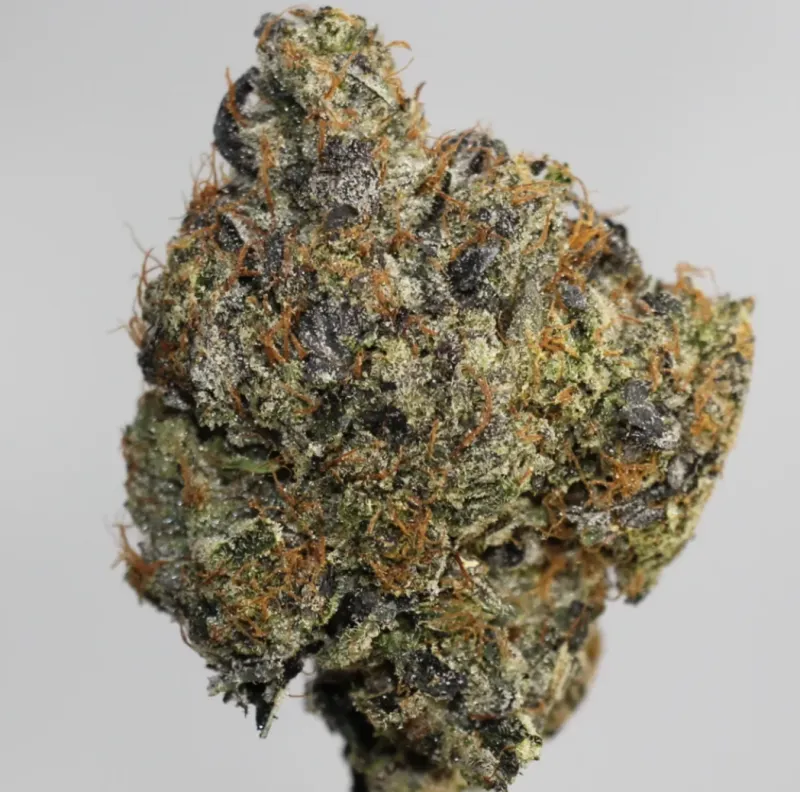
Pink Death Star
Pink Death Star (43.20% THC) - AAAAA+ rare exotic indica. One of Canada's most potent s...
Nutrients: Cannabis requires different nutrient ratios during vegetative growth (higher nitrogen) versus flowering (higher phosphorus and potassium). Invest in a quality nutrient line designed for cannabis, and always start with half the recommended dosage to avoid nutrient burn.
Mastering the Growth Cycle
Understanding cannabis plant development is crucial for timing your interventions and maximizing yields. Indoor growing gives you complete control over the photoperiod—the light/dark cycle that triggers different growth stages.
Vegetative Stage: After germination and the seedling phase, plants enter vegetative growth when exposed to 18 hours of light and 6 hours of darkness daily. During this stage, plants focus on developing strong stems, branches, and leaves. This phase typically lasts 4-8 weeks depending on your desired plant size. Techniques like topping (cutting the main stem) and low-stress training (LST) performed during vegetation create bushier plants with more flowering sites.
Flowering Stage: Switching to a 12/12 light schedule triggers flowering in photoperiod cannabis plants. Female plants begin producing the resinous buds we cultivate. The flowering stage lasts 7-10 weeks depending on genetics—indica-dominant varieties like Death Star typically finish faster than sativa-dominant strains like Dragon Haze.
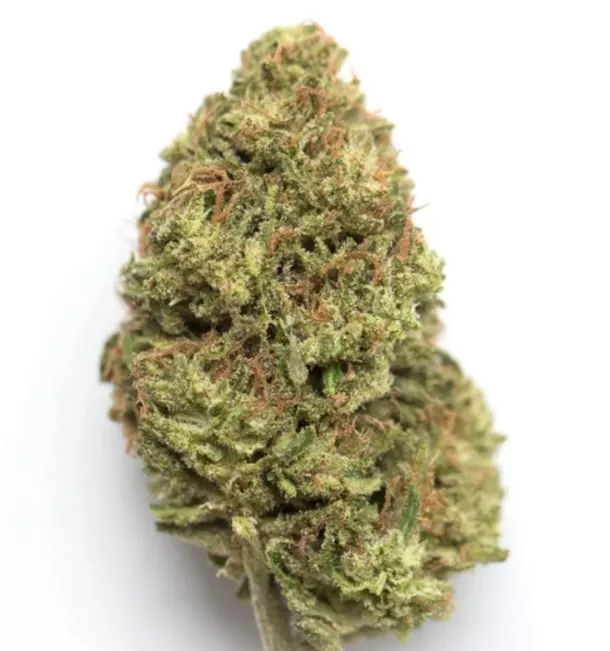
Black Widow
THC: 31.85%Flavor: Woody pine, herbal spice, and smooth citrus Aroma: Earthy musk with ...
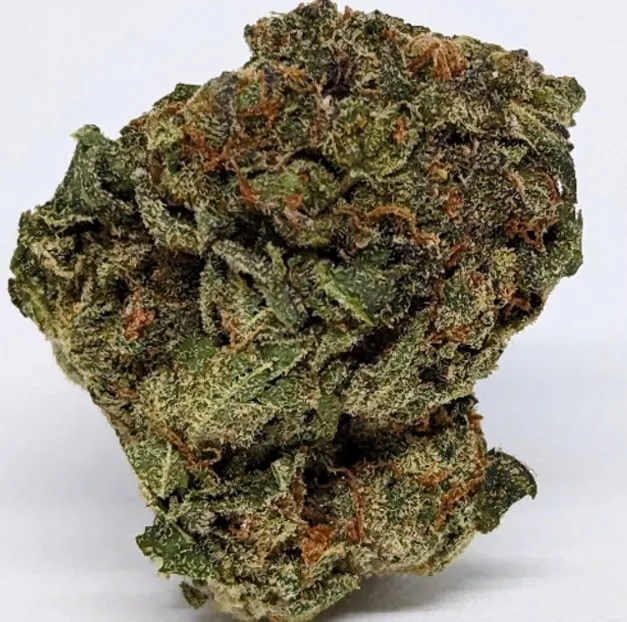
During early flowering, plants often undergo a growth "stretch," sometimes doubling in height. Mid-flowering focuses on bud development, while late flowering sees trichome production peak—those crystal-like resin glands containing cannabinoids and terpenes.
Common Growing Challenges and Solutions
Even experienced growers encounter obstacles. Recognizing and addressing issues quickly prevents minor problems from destroying your harvest.
Nutrient Issues: Yellowing leaves often indicate nitrogen deficiency, while burnt leaf tips suggest nutrient burn from overfeeding. Cannabis is surprisingly resilient—when in doubt, it's better to slightly underfeed than overfeed. Maintain pH levels between 6.0-7.0 for soil growing to ensure proper nutrient uptake.
Pests and Diseases: Spider mites, fungus gnats, and powdery mildew are common indoor growing challenges. Prevention is easier than cure—maintain proper humidity (40-60% during flowering), ensure adequate airflow, and inspect plants regularly. Organic pest solutions like neem oil work well for minor infestations.
Light Stress: Too much light intensity or improper light scheduling can stress plants. Light leaks during the dark period can prevent flowering or cause hermaphroditism. Ensure your growing space is completely light-proof during dark hours.
Harvesting too early is the most common mistake new growers make. Invest in a jeweler's loupe or digital microscope to examine trichomes—harvest when most are cloudy with some turning amber for peak potency.
From Harvest to Cure: Finishing Your Flower
Growing is only part of the equation—proper harvesting, drying, and curing transforms your crop into premium-quality flower comparable to top-shelf strains.
Harvesting: When trichomes show the right maturity (mostly cloudy, 10-20% amber), it's time to harvest. Use clean, sharp scissors to cut branches, then trim away large fan leaves. You can trim remaining sugar leaves immediately (wet trimming) or after drying (dry trimming)—each method has advantages.
Drying: Hang branches or individual buds in a dark room with temperatures around 60-70°F and humidity around 50-60%. Proper drying takes 7-14 days. Buds are ready when small stems snap rather than bend. Rushing this process produces harsh-tasting flower.
Curing: Place dried buds in glass jars, filling them about 75% full. Store jars in a cool, dark place, opening them daily for the first week (called "burping") to release moisture and refresh air. After the first week, burp every few days. A proper cure takes 2-4 weeks minimum, though extended curing up to several months continues improving flavor and smoothness.
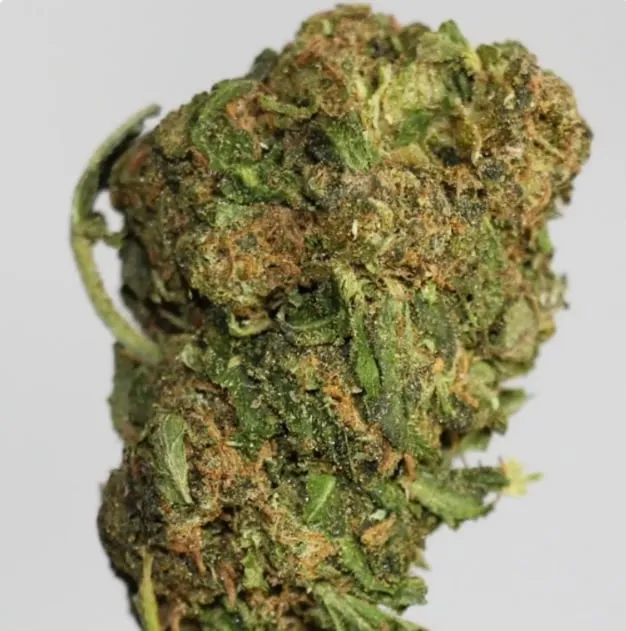
Black D.O.G
Powerful indica with 31.98% THC. Deep relaxation, earthy pine flavours, and sedative ef...
The difference between properly cured cannabis and rushed product is dramatic—curing develops complex terpene profiles and smooths out the harshness, creating flower that rivals premium offerings.
Selecting Genetics for Indoor Success
Your choice of genetics significantly impacts growing ease and final results. Some strains are naturally more forgiving and better suited for indoor cultivation.
For beginners, indica-dominant or hybrid strains typically perform better than pure sativas indoors. Indicas stay shorter and bushier—perfect for height-limited spaces—and generally finish flowering faster. Strains like Pink Runtz and Purple Runtz combine manageable plant structure with exceptional potency and bag appeal.
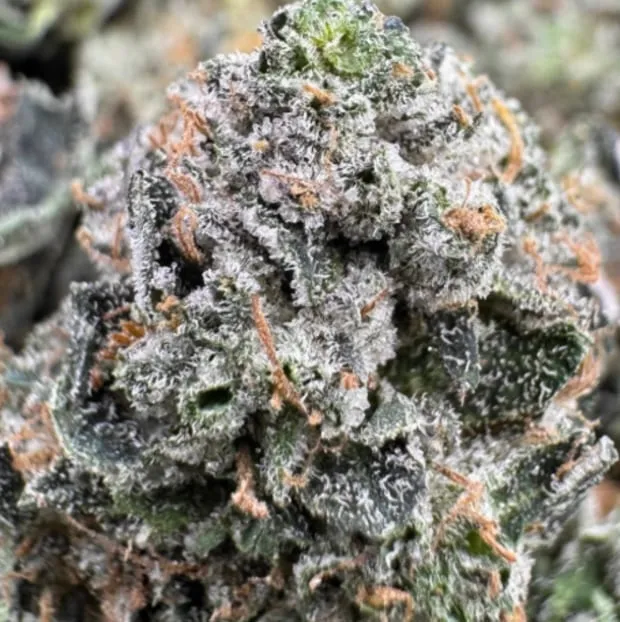
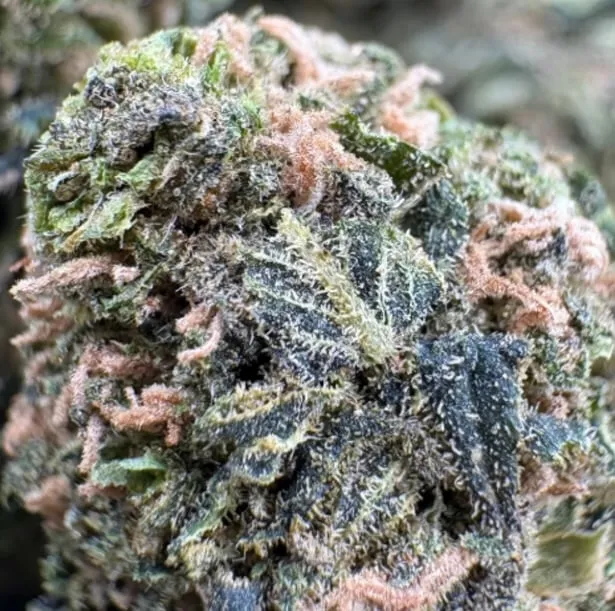
Consider starting with feminized seeds rather than regular seeds to avoid male plants (which don't produce usable buds). Autoflowering varieties offer another beginner-friendly option—they flower based on age rather than light schedule, making them more forgiving of timing mistakes.
Frequently Asked Questions
A basic setup for 2-4 plants typically costs $500-1,000 for equipment (tent, lights, ventilation, containers, soil). Factor in ongoing costs like electricity ($30-100 monthly depending on lighting), nutrients ($50-100 per grow), and seeds or clones ($50-150). Most growers recoup initial investment within 2-3 harvests.
Expect 3-5 months total for photoperiod strains: 2-4 weeks for germination and seedling stage, 4-8 weeks of vegetative growth, and 7-10 weeks of flowering. Autoflowering strains finish faster, typically 8-12 weeks from seed to harvest.
Yields vary dramatically based on genetics, growing skill, and equipment quality. Beginners might achieve 1-2 ounces per plant, while experienced growers often harvest 4-6 ounces per plant or more. A common benchmark is 0.5-1 gram per watt of lighting in optimized setups.
Overwatering and overfeeding are the most common beginner mistakes. Cannabis prefers wet/dry cycles rather than constantly moist soil, and less is usually more with nutrients. Start conservatively and increase only when plants show they need more.
Explore Premium Genetics
See what's possible when cannabis is grown to perfection—browse our selection of top-shelf strains
Shop Premium FlowerGrowing cannabis indoors is a rewarding journey that combines horticultural skill, scientific understanding, and a bit of art. While it requires patience and attention to detail, the satisfaction of consuming flower you've cultivated yourself—and the quality you can achieve with practice—makes the effort worthwhile. Start small, learn from each grow cycle, and don't be discouraged by initial challenges. Every expert grower started exactly where you are now.