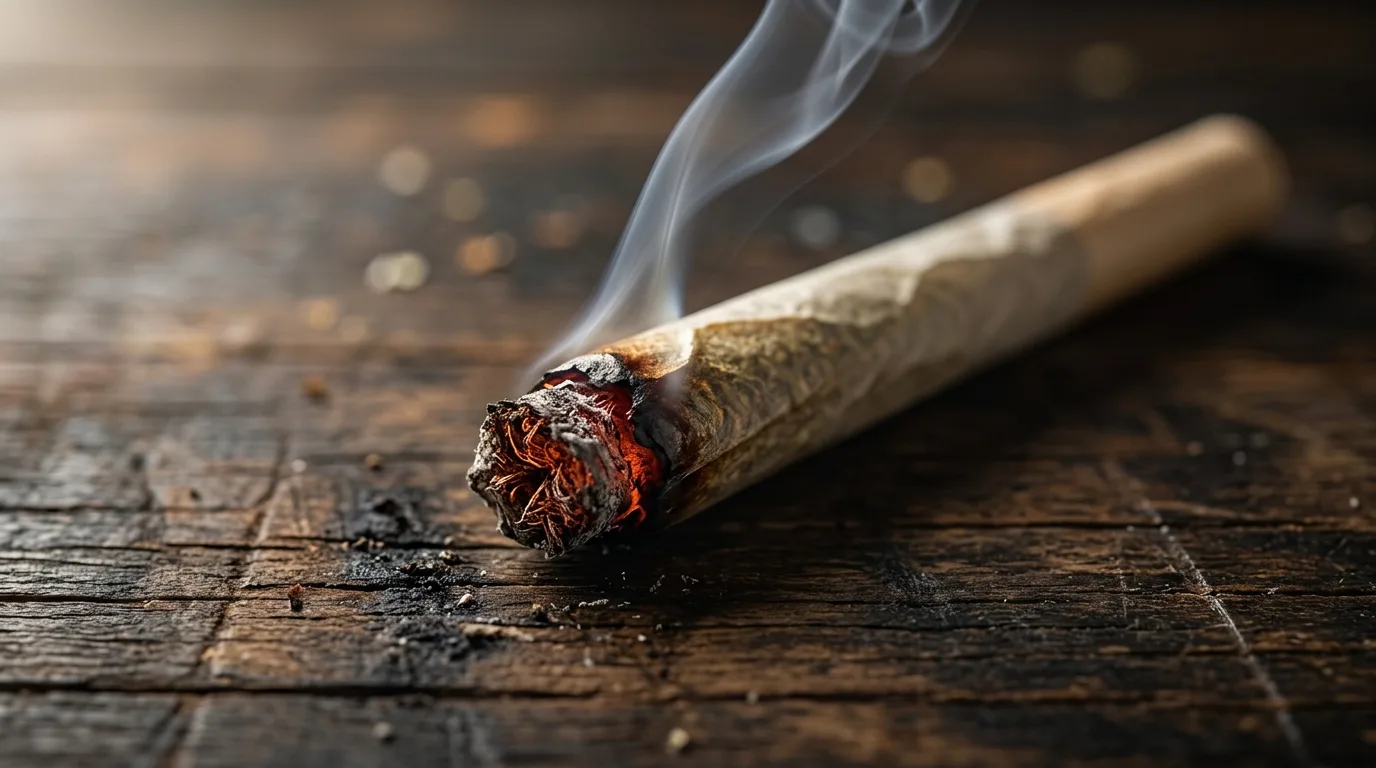
You light it, take two pulls, and one side of the paper is already three centimetres ahead of the other. A channel forms down the fast side, the cherry starts falling out of the front, and you spend the rest of the joint chasing it with a lighter while a good flower burns off into the air.
Most people treat this as bad luck or a bad rolling job, and roll the next one the same way.
It isn't luck.
Canoeing has a small number of specific mechanical causes, and every one of them is either preventable before you roll or correctable in the first thirty seconds of a joint.
The frustrating part is how much it can waste. A joint that burns badly can lose a significant amount of its contents because material on the running side burns without being drawn through the joint.
Understanding why it happens makes it much easier to prevent.
What Canoeing Actually Is
A joint burns evenly when the cherry consumes material at roughly the same rate all the way around its circumference.
That requires airflow to be distributed evenly.
Air takes the path of least resistance.
The moment one side becomes even slightly less dense than the other, more air flows through that side. More air means more oxygen at the cherry, which means faster combustion.
That faster combustion burns away more material, which makes that side even less dense.
The problem feeds itself.
This is why canoeing usually gets worse rather than better once it starts. It isn't a static condition. It's a runaway process.
Catching it early is much easier than correcting it after a deep channel has formed.
The Six Main Causes of Canoeing
1. Uneven Packing Density
Uneven packing is one of the most common causes.
If one side of the joint holds more material than the other, the airflow imbalance exists before you ever light it.
This usually happens during the roll, when flower is distributed unevenly along the paper or the tuck compresses one edge more than the other.
It can also happen when a joint is packed hard at the tip but remains loose in the middle. Once the burn reaches the looser section, the airflow can suddenly increase and the burn can race.
Fix: Pack in stages rather than all at once. Tamp lightly after each addition and aim for uniform, medium density. The joint should be firm enough to hold its shape without being so tight that the draw becomes difficult.
2. Inconsistent Grind
Mixed particle sizes create voids.
Large pieces sitting beside fine material can produce unpredictable airflow pockets, and those voids can become channels for the burn.
Over-grinding creates the opposite problem.
Material ground into a fine powder can pack too tightly, restrict airflow and encourage harder pulls, which can contribute to uneven combustion.
Fix: Aim for a consistent medium grind, roughly the texture of coarse ground coffee. Avoid turning the flower into powder, and remove stems before grinding because a stem can create a rigid void that redirects airflow.
3. Moisture Content
Moisture is one of the easiest causes to overlook.
Flower that is too dry can burn quickly and unevenly because dry material ignites readily when airflow increases.
Flower that is too wet may burn reluctantly on one side while a slightly drier section races ahead.
Uneven moisture within the same batch can be particularly problematic.
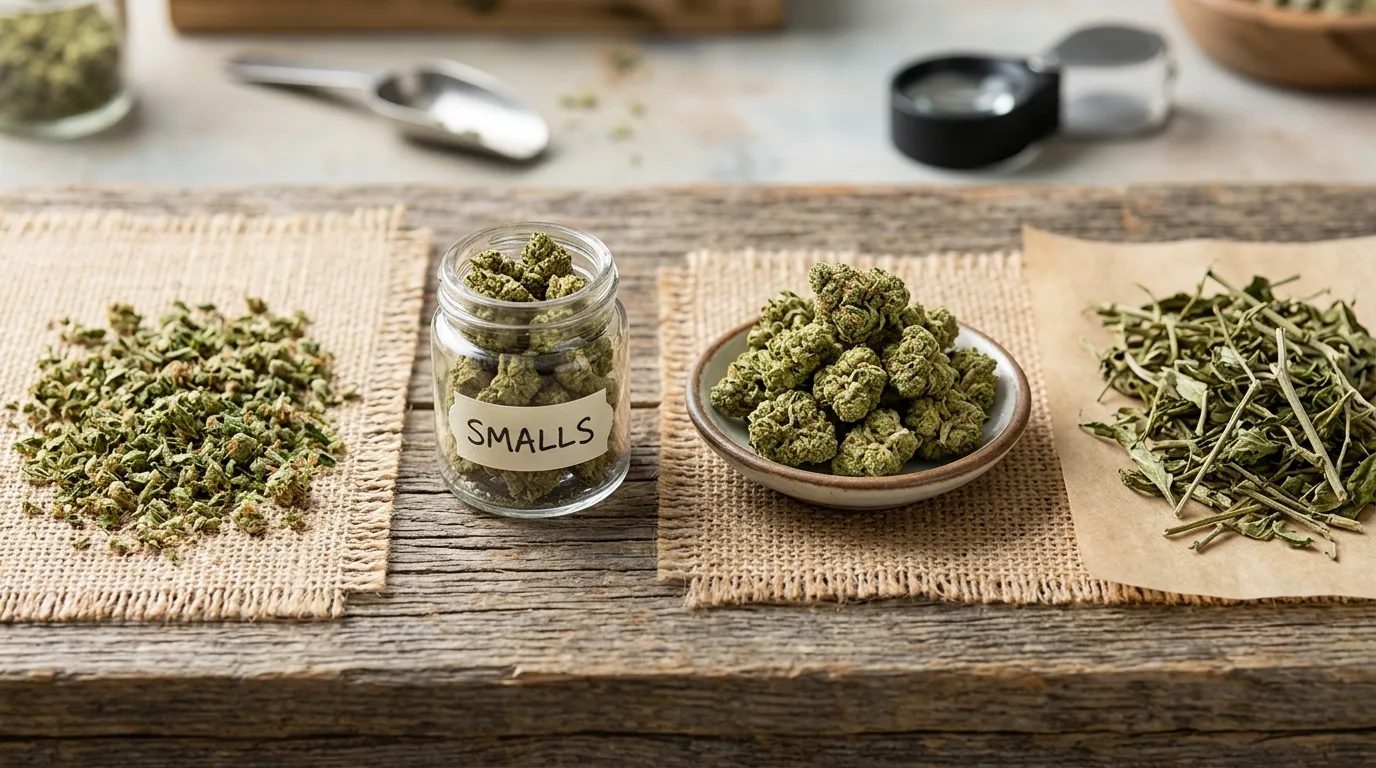
This can happen with compressed cannabis formats, where the exterior may dry while the core remains more humid, or with shake, which has more exposed surface area and can lose moisture quickly.
Fix: Store flower in an airtight container under appropriate humidity conditions. A two-way humidity pack can help maintain consistency. During an Ottawa winter, heated indoor air can become very dry, which can cause exposed cannabis to lose moisture quickly.
Our winter storage guide covers the issue in more detail.
4. Paper Thickness and Quality
Rolling paper also affects how a joint burns.
Thicker papers generally burn more slowly than the flower inside them. This can create a mismatch between the paper and the cannabis, affecting how the cherry develops.
Thin rice and hemp papers can burn closer to the rate of the flower.
The glue seam can also make a difference.
The glued section creates an area with more paper than the rest of the joint, and that section can burn differently.
Fix: Experiment with thinner rolling papers and make sure the glued seam is positioned consistently. A properly constructed joint should allow the paper and flower to burn together rather than creating an obvious difference along one edge.
5. How You Light It
Lighting technique can give one side of the joint a head start.
If you hold a flame against one point of the tip, that section ignites first. If the initial burn is uneven, the imbalance can continue throughout the joint.
Fix: Hold the joint at a slight angle, rotate it slowly and apply the flame around the tip while drawing gently.
The goal is to get the tip glowing evenly before taking a full pull.
Give the initial flame a moment to settle instead of immediately taking a hard draw.
6. Draw Technique and Wind
Hard, fast pulls increase airflow through the joint.
If one side is already providing less resistance, additional airflow can accelerate that side even further.
Wind can produce a similar effect outdoors.
Even a light breeze moving across one side of the cherry can increase combustion on that side.
Fix: Use slower, lighter pulls. When outdoors, shield the cherry from direct wind and avoid exposing one side of the joint continuously.
What You're Seeing, What It Means, and What to Do
| What you're seeing | Most likely cause | What to do |
|---|---|---|
| Runs down one side from the first pull | Uneven packing or lighting | Slow the draw and correct the fast side early |
| Starts fine, then races | Density change or hard draws | Reduce airflow and rotate the joint |
| Burns very quickly and feels harsh | Flower is too dry | Improve storage and humidity control |
| Won't stay lit on one side | Flower is too moist or packed too tightly | Allow appropriate drying and use a looser pack next time |
| Channel forms down the middle | Void from a stem or inconsistent grind | Remove stems and use a consistent grind |
| Seam burns differently | Paper thickness or glue seam | Try thinner papers and improve rolling technique |
How to Fix a Canoeing Joint
Once a joint starts canoeing, acting early gives you the best chance of correcting it.
Slow Down the Fast Side
If one side is clearly burning ahead, reduce the amount of airflow going through that section.
A small amount of moisture applied to the paper ahead of the fast-burning edge can temporarily slow combustion and give the slower side time to catch up.
Don't soak the paper. The goal is simply to slow the advancing edge.
Rotate the Joint
Turn the joint so the fast-burning side faces downward.
Because heat rises, changing the orientation can help slow the side that has been advancing.
This is a simple correction that requires no additional equipment.
Tap Off the Ash and Reset
If the canoe has already developed a substantial channel, gently remove loose ash and reset the cherry.
Apply the flame evenly around the tip rather than concentrating it on the side that is already burning fastest.
Once the cherry is more uniform, resume with gentle draws.
Don't Pull Harder
One of the most common reactions is to pull harder in an attempt to make the slow side catch up.
That can make the problem worse.
More airflow means more oxygen, and the side already burning quickly may accelerate even further.
The goal is to restore balance, not increase combustion everywhere.
Why Pre-Rolls Sometimes Canoe
A pre-roll that consistently burns unevenly can point to a couple of different issues.
The filling may have been packed unevenly during production, or the cannabis may have dried out during storage.
Machine-filled cones can have consistent packing pressure, while hand-rolled pre-rolls can vary depending on how they were prepared.
Moisture loss is another important factor.
Pre-rolls have a relatively large exposed surface area compared with intact flower, so they can dry faster if they're stored improperly or kept for too long.
If pre-rolls from the same source consistently canoe, look at storage and product consistency rather than assuming every problem is caused by your smoking technique.
You'll find pre-rolls, accessories and other cannabis products through Uper Weed.
For local customers, weed delivery Ottawa can also make it easier to purchase smaller quantities rather than stocking up on more pre-rolls than you plan to use.
If You'd Rather Avoid Canoeing
Canoeing is specifically associated with combustion in a rolled paper.
Other consumption methods have different airflow and heating characteristics.
Pipes and bongs don't burn through a rolling paper, while dry herb vaporizers heat cannabis without relying on the same combustion process.
If uneven joint burns are becoming a regular frustration, comparing different consumption formats may be useful.
Our guide to bongs, pipes and joints explains the differences between the three formats.
Frequently Asked Questions
Canoeing is when a joint burns faster on one side than the other, creating a channel along the paper. It usually happens because airflow is unevenly distributed through the joint. Once one side starts burning faster, the imbalance can become self-reinforcing.
Reduce your draw, slow the fast-burning side with a small amount of moisture on the paper ahead of the cherry, and rotate the joint so the fast side faces downward. If necessary, gently remove the ash and relight the tip evenly.
Yes. Over-dry flower can burn very quickly, making small airflow differences much more noticeable. Proper storage in an airtight container can help maintain more consistent moisture and reduce this problem.
Thinner papers can produce a more consistent burn because they generally burn closer to the rate of the flower. However, the paper itself is only one factor. Packing, grind, moisture, lighting and draw technique also affect how evenly a joint burns.
Possible causes include uneven packing during production and moisture loss during storage. Pre-rolls can dry faster than intact flower because more surface area is exposed to air. If multiple pre-rolls from the same source have the same problem, product consistency or storage may be contributing.
Yes. Lighting only one part of the tip can give one side a head start. Rotating the joint while applying the flame and taking a gentle initial draw can help the tip ignite more evenly.
The Short Version
Canoeing is primarily an airflow problem, not bad luck.
One side of the joint becomes slightly easier for air to pass through. That side receives more oxygen, burns faster, becomes less dense and then draws even more air.
Three habits can prevent many uneven burns:
Keep your flower stored properly so it isn't excessively dry or unevenly hydrated.
Pack evenly using a consistent medium grind and avoiding large voids or stems.
Light the tip evenly by rotating the joint and using a gentle initial draw.
If a joint starts canoeing, don't respond by pulling harder. Slow the draw, correct the fast side and rotate the joint before the channel becomes too deep.
A few seconds of attention at the beginning can save much more flower later.
Explore pre-rolls, flower and cannabis accessories from Uper Weed and shop convenient delivery options in Ottawa.Looking for Cannabis in Ottawa?