 Uper
Uper 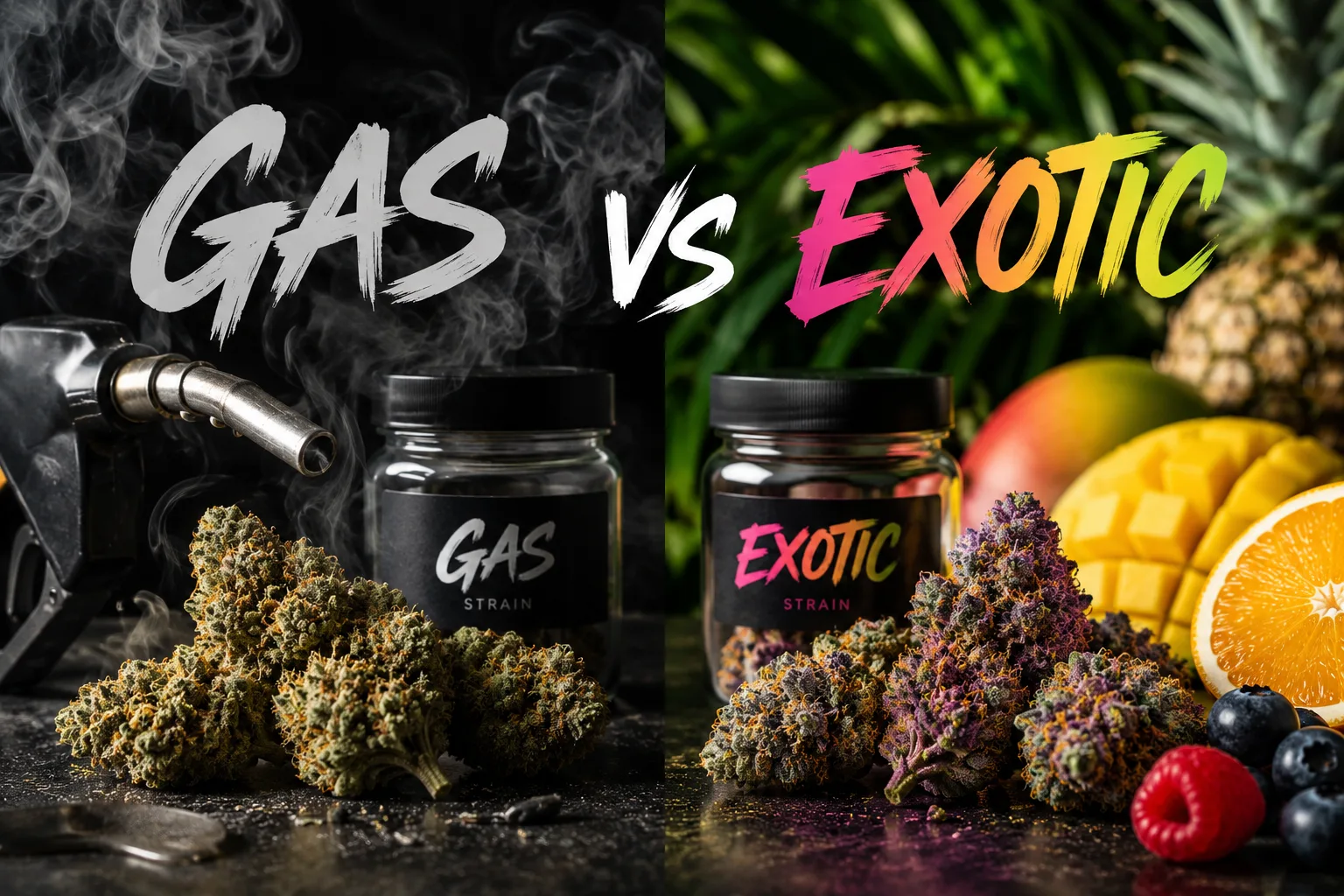
Spend any time in a cannabis dispensary and you'll see two words doing a lot of heavy lifting: gas strains and exotic strains. Both terms get used almost interchangeably, slapped on any weed considered premium, but rarely are they explained. But here's the thing: they don't mean the same thing. In fact, they describe two totally different qualities of a weed strain, and once you know which is which, you'll read a menu far more sharply and be able to buy weed that is exactly what you're after.
Gas vs Exotic Strains: The Short Answer
Here's the short version: gas describes the smell. Exotic describes the whole package. A strain can be one, the other, or both. This cannabis guide breaks down what each term actually means, how to tell them apart with your own senses, where they overlap, and which strains in our catalogue land on each side.
What Is a Gas Strain?
"Gas" is all about the nose; the aroma of weed. A gas strain is one with a loud, pungent, fuel-forward aroma. Think diesel, petrol, solvent, that sharp chemical bite that hits the back of your throat the second the weed jar cracks open. It's the smell people mean when they call something "loud."
The term traces back to classic fuel-named genetics, like the Diesel and OG Kush families, where that unmistakable gassy pungency first got its reputation. Chemically, it comes down to the terpene profile: gassy strains tend to be heavy in terpenes like caryophyllene (peppery, sharp) and myrcene (earthy, musky), often with a funky, almost savoury edge rather than a sweet one. (Our terpenes guide breaks down how those aromas form.)
A few hallmarks of a true gas strain:
- Aroma: diesel, fuel, solvent, skunk (pungent and sharp, not sweet or fruity).
- Intensity: loud. You can usually smell it through the bag.
- Lineage: frequently traces to Diesel, OG, or Chemdawg roots.
In our Ottawa online dispensary catalogue, gas-forward picks include strains like Death Bubba, Pink Kerosene, Gas Chamber, and Sweet Gas. These are all flower where that fuel note leads the profile. You'll find the full lineup on our gas strains page.
It's worth being clear about what "gas" does not tell you too. This "label" says nothing about potency or about whether a weed strain is indica or sativa. It's a description of smell, full stop. A gassy strain can be hybrid, indica-leaning, mid-tier, or top-shelf. The word only promises that pungent, fuel-like nose.
Which brings us to the other side of the gas vs exotic strain debate.


What Makes a Strain Exotic?
"Exotic" is a bigger, broader label for cannabis. Where gas is about one specific sense (smell), exotic is about the whole presentation. An exotic weed strain is one that stands out as rare, premium, and visually striking, usually across several dimensions at once:
- Genetics: uncommon, sought-after, or limited-release lineage rather than everyday workhorse strains.
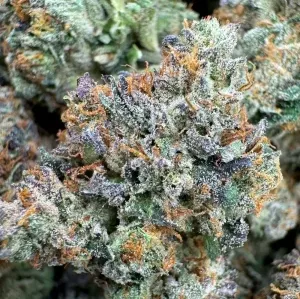
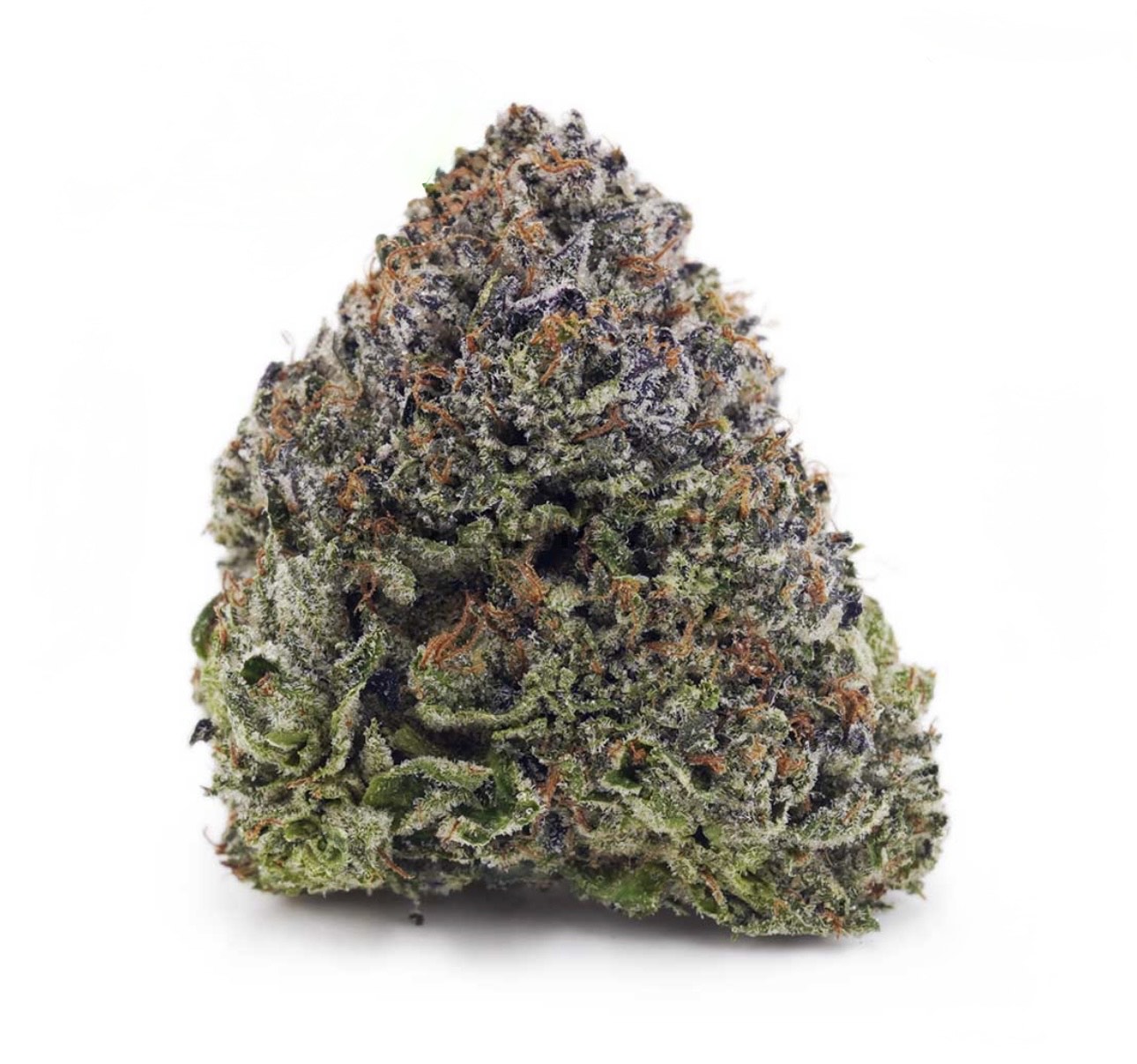
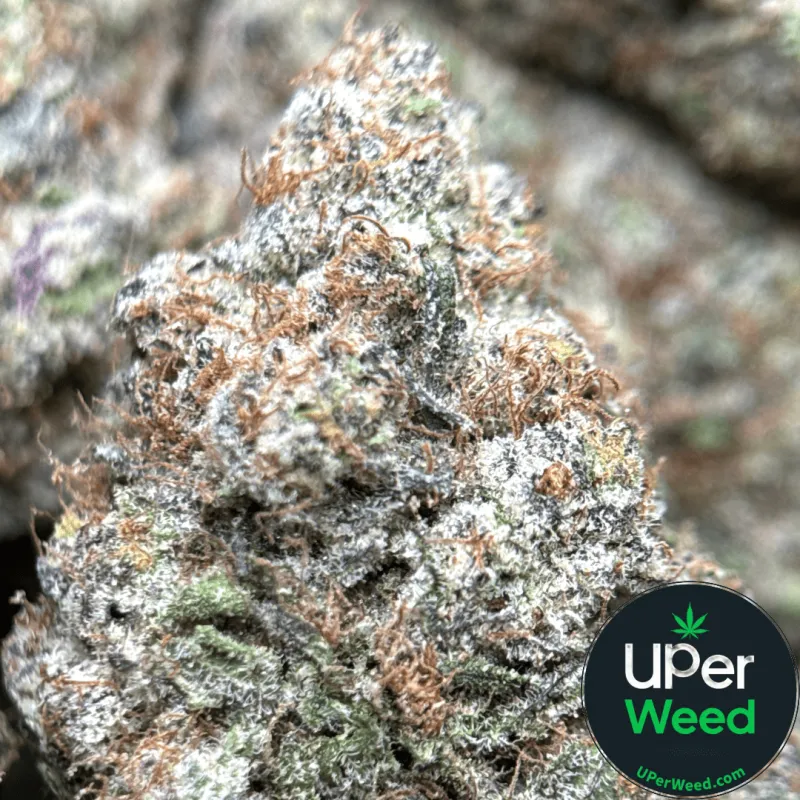
- Appearance ("bag appeal"): vivid colour like deep purples, pinks, and bright orange pistils, under a heavy coat of frosty trichomes.
- Aroma and flavour: complex and layered, often sweet, fruity, floral, or candy-like, rather than one-note.
- Cultivation and rarity: small-batch, carefully grown, and not always in stock.
This is where the "pink" strains come in, and why you'll often see "pink & exotic" grouped together. Pink genetics, like Pink Kush and its many descendants, became shorthand for the exotic weed category because they tick so many of those boxes: striking colour, dense frost, bold aroma, and a premium reputation. Strains like Pink Diamond, Greasy Pink, Pink Death Star, and Pink Gas Mask sit squarely in this lane. They're collected on our pink & exotic strains page.
The key difference: gas is a single, specific trait (smell), while exotic is a quality bar a strain clears across looks, genetics, and rarity. That's why "exotic" feels fuzzier — it's describing the overall tier of a strain, not one fixed characteristic.

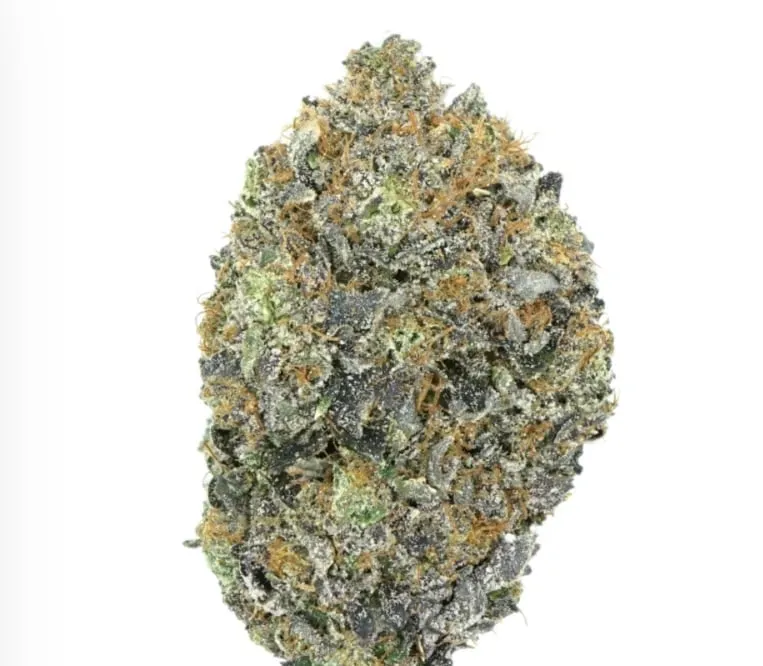
Pink Diamond
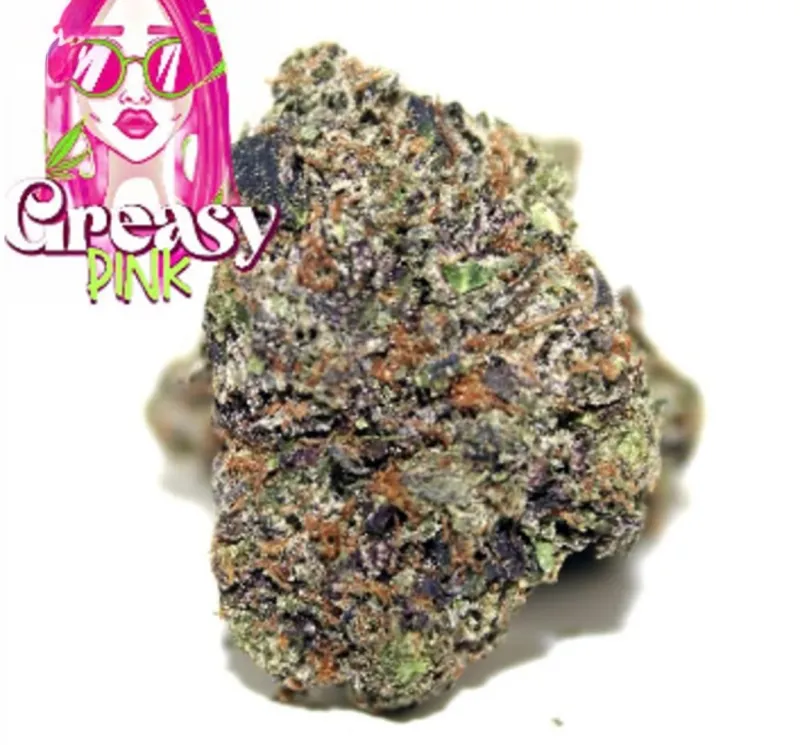
Greasy Pink
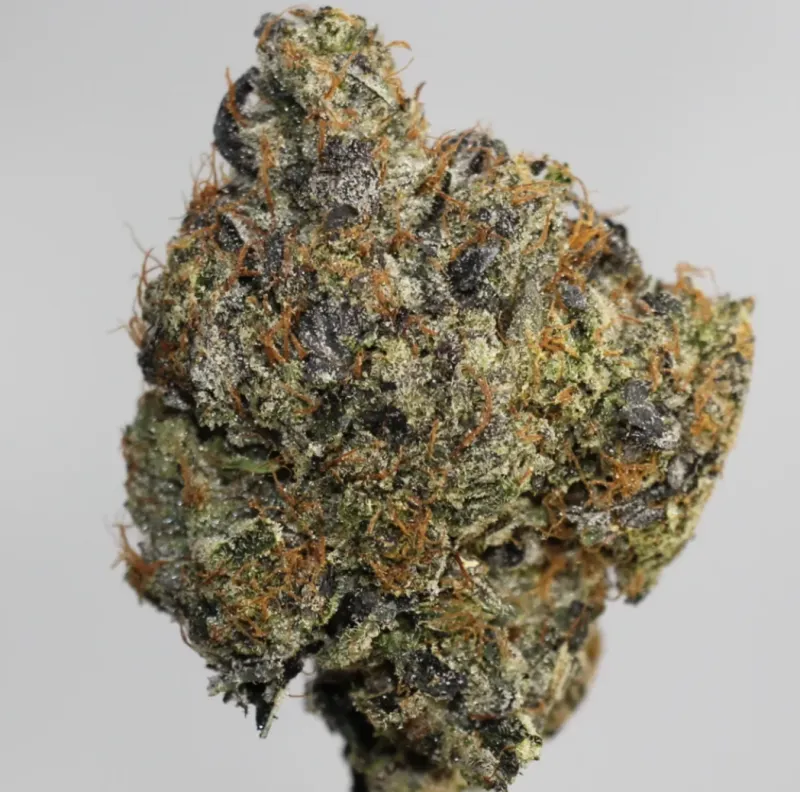
Pink Death Star - Cali Bricks
Gas vs Exotic Strains: The Quick Comparison
| Gas | Exotic | |
|---|---|---|
| What it describes | The aroma | The whole package |
| Key signal | Pungent, fuel-like smell | Rare genetics, colour, frost, bag appeal |
| Typical aroma | Diesel, solvent, skunk, funk | Sweet, fruity, floral, candy, layered |
| Tells you about potency? | No | No |
| Tells you indica/sativa? | No | No |
| Classic examples | Diesel, OG, Chemdawg lines | Pink Kush genetics, rare/limited drops |
Notice the bottom rows: neither weed term tells you how strong a strain is, or whether it's indica or sativa. Those are separate things you read off the THC percentage and the strain type. Gas and exotic describe character and quality, not effects, and not potency.
Where Gas and Exotic Strains Overlap
Here's where it gets interesting, and where a lot of the confusion comes from. A strain can absolutely be both gas and exotic at once, and many of the most sought-after ones are.
Take a strain like MAC 1 or El Chapo: rare, frosty, premium genetics (exotic), and carrying a pungent, fuel-forward nose (gas). Or Pink Gas Mask (the name says it outright) a pink exotic with a gassy profile. These cannabis strains earn both labels honestly, which is exactly why the categories get blurred in everyday menu language.
The reason they're listed in both categories on our Canada online dispensary site isn't by mistake. A strain that's pink, frosty, rare, and fuel-pungent genuinely belongs in both buckets. Once you understand the two terms describe different things (one a smell, one a quality tier) it makes perfect sense that a single strain can wear both.
The flip side is just as useful to know: you can have gas without exotic (a loud, funky strain that's a solid everyday smoke rather than a rare top-shelf showpiece) and exotic without gas (a stunning, frosty, sweet-fruity strain with no fuel note at all; many candy and dessert weed exotics fit here). The two qualities are independent, which is the whole point.
How to Tell Them Apart Yourself
You don't need a lab or a budtender to tell the difference between gas vs exotic strains. Just use your senses:
- Smell first. Sharp diesel, fuel, or solvent? That's gas. Sweet, fruity, floral, or candy? That's leaning exotic, not gas.
- Look next. Vivid colour (purples, pinks) plus heavy trichome frost and tight, well-trimmed structure points to exotic, premium-tier flower.
- Ask about genetics and rarity. Limited drops, uncommon crosses, and small-batch grows are exotic territory. Everyday, widely available genetics usually aren't, even when they're excellent.
- Check the grade. Exotic flower almost always sits at the top of the grading scale — AAAA and AAAAA+. (Here's how the grading tiers work.)
One practical tip: because both gas and exotic strains live and die on their aroma, freshness matters enormously. A gassy strain that's been stored badly loses its fuel punch; an exotic loses the complex sweetness that made it special. If you're paying for either, store it right so you actually get what you paid for. (Our guide to storing cannabis covers it.)
Which Should You Choose?
Neither strain is "better"; they answer different cravings.
Reach for gas when you want that loud, pungent, fuel-forward experience, liek the unmistakable diesel funk that gas lovers chase specifically. Browse the gas strains collection to see what's loud right now.
Reach for exotic when you want the showpiece liek rare genetics, stunning colour, dense frost, and complex flavour; the kind of flower you show off as much as smoke. The pink & exotic selection is where those live.
And when you want both at once (that rare strain that's as loud as it is beautiful) look for the ones that appear in both categories. Those crossovers are some of the most prized flower on any menu, and they're exactly where gas and exotic stop being a debate and start being a single, very good jar.
Shop gas and exotic flower at Uper Weed
Loud gas, rare exotics, and the crossovers that are both. Same-day delivery in Ottawa, Gatineau & Cornwall, discreet shipping Canada-wide. 19+ in Ontario, 21+ in Quebec.
Shop the LineupThe Bottom Bud: Gas is a smell (loud, pungent, fuel-forward). Exotic is a standard a strain clears across genetics, colour, frost, and rarity. One describes the nose; the other describes the whole jar. A strain can be either, neither, or both and the "boths" are the ones worth chasing. Smell first, look second, check the genetics and the grade, and you'll find the perfect bud every time.
FAQ
Gas describes a strain's aroma like a pungent, fuel-like diesel smell. Exotic describes the whole package: rare genetics, vivid colour, heavy trichome frost and bag appeal. A strain can be one, the other, or both.
It refers to a loud, pungent, fuel-forward aroma (diesel, petrol or solvent notes) usually from Diesel, OG or Chemdawg genetics. It's a description of smell, not potency or strain type.
Rarity and premium presentation: uncommon or limited genetics, striking colour, dense frost, complex aroma and top-tier cultivation. Pink Kush genetics are a classic example, which is why 'pink' and 'exotic' are often grouped together.
Pink strains are a well-known subset of exotic strains. Their vivid colour, frost and bold aroma made them shorthand for the exotic category, but not every exotic strain is pink.
Yes. Many of the most sought-after strains are both: rare, frosty, premium genetics with a pungent fuel-forward nose. That's why some strains appear in both categories.