 %
%
 %
%
You've probably done it.
Two strains are sitting beside each other on the menu.
One says 24% THC.
The other says 30%.
Easy decision, right?
Not necessarily.
That 30% flower can still arrive bone-dry, smell like almost nothing, burn terribly, and taste harsh enough to make you question the purchase. Meanwhile, the lower-THC batch might be sticky, aromatic, smooth, and packed with actual flavour.
The difference often comes down to something that gets far less attention than THC percentages:
The cure.
Proper drying and curing can preserve what the grower spent months developing. A bad cure can take beautiful genetics and turn them into disappointing weed surprisingly quickly.
And you don't need laboratory equipment to spot the difference.
Your nose, fingers, grinder, and joint can tell you quite a lot.
What Does "Cured Weed" Actually Mean?
Cannabis isn't ready to smoke the moment it's harvested.
Fresh flower contains a significant amount of moisture. After harvest, it needs to be dried under controlled conditions before moving through the curing process.
Curing allows moisture within the buds to gradually stabilize while the flower develops into the product you're actually expecting to consume.
Done properly, drying and curing help preserve desirable aromas and flavours while producing flower that's easier and more enjoyable to smoke.
Done badly, you'll notice.
Properly cured cannabis should generally have a clear aroma, slightly resilient texture, consistent burn, and enjoyable flavour. It shouldn't feel wet, crumble into dust, smell strongly of hay, or be unnecessarily harsh simply because the THC number looks impressive.
Think of growing as creating the raw material.
Curing is part of finishing it.
Why the Cure Matters So Much
A grower can spend months doing everything right.
Great genetics.
Healthy plants.
Carefully controlled lighting.
Proper nutrients.
Good environmental management.
Perfect harvest timing.
Then rush the drying process and compromise the final product.
That's what makes curing so important.
You're dealing with flower containing cannabinoids, terpenes, plant material, moisture, and numerous other compounds.
The post-harvest process affects how that flower smells, feels, stores, burns, and tastes.
That's why the THC percentage alone tells you surprisingly little about overall flower quality.
Sign #1: Smell
Start with the easiest test.
Open the container.
What happens?
Good cannabis should generally have a recognizable aroma.
Maybe it's gas.
Maybe citrus.
Maybe berries, cream, earth, pine, pepper, or something so funky you need a second smell just to figure out what happened.
The exact aroma depends on genetics and the flower's terpene profile.
What matters is that there's some character.
The Hay Smell
If cannabis smells strongly like hay, grass, or freshly cut lawn rather than the strain profile you expected, poor drying or curing may be part of the problem.
That green, grassy character can indicate the flower wasn't finished particularly well.
It doesn't automatically tell you everything about the batch, but it's not exactly what you want from premium flower.
What About Weed That Barely Smells?
Muted aroma can have several causes.
The flower may be old.
It may have been stored poorly.
It could be extremely dry.
Or volatile aromatic compounds may have been lost somewhere during drying, curing, or storage.
This is important because terpenes aren't decorative.
They're responsible for much of what makes one strain smell and taste different from another.
If your expensive flower smells like almost nothing, a giant THC number isn't bringing that aroma back.
Don't ask only whether the flower smells strong. Ask whether it smells distinctive. Properly handled cannabis should usually retain recognizable characteristics of its genetics rather than smelling predominantly like hay, stale plant material, or nothing at all.
Sign #2: Texture
Now pick up a bud.
Gently squeeze it.
We're not testing grip strength here.
Properly cured flower should generally have some resilience. It shouldn't feel wet, but it also shouldn't instantly collapse into powder.
You're looking for a middle ground.
Too Dry
Overly dry cannabis often:
Feels brittle
Crumbles easily
Turns dusty in the grinder
Burns unusually quickly
Feels harsher to smoke
Dryness can happen during the initial drying process, but it can also happen later through poor storage.
So dry flower doesn't automatically prove the original cure was bad.
It does tell you the flower isn't currently in ideal condition.
Too Wet
On the other end, cannabis shouldn't feel damp or suspiciously soft.
Excess moisture can make flower difficult to grind and burn.
More importantly, too much moisture during storage can create conditions favourable to mould growth.
That's not a quality quirk.
That's a reason to stop.
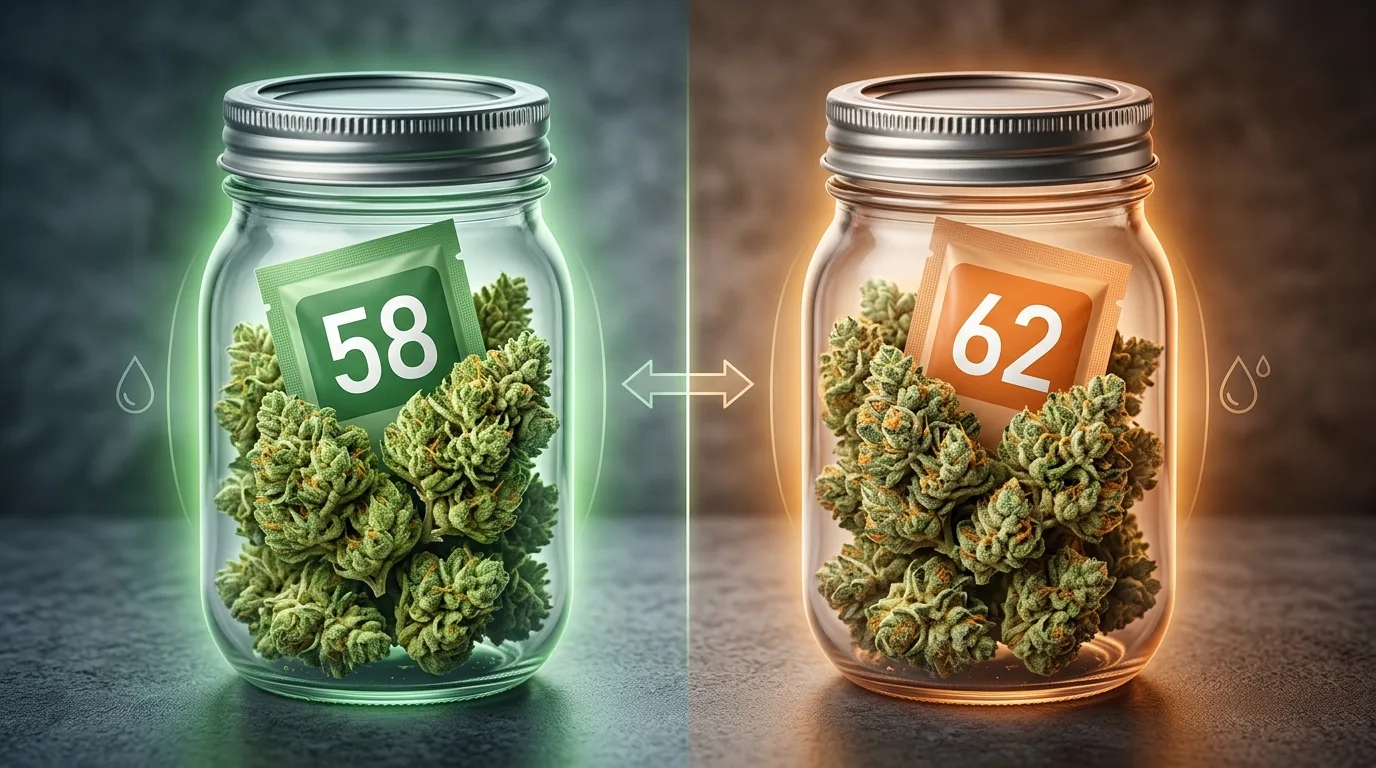
Properly cured cannabis should have some flexibility without feeling damp. If flower has a musty smell, unusual fuzzy growth, or other signs of possible mould, don't try to fix it by drying it out and smoking it anyway.
The goal isn't "sticky at all costs."
The goal is properly conditioned flower.
The Stem-Snap Test: Useful, But Overrated
You've probably heard this advice:
Bend the stem. If it snaps, the weed is perfectly cured.
Not exactly.
Stem behaviour can give you a rough clue about moisture, but it isn't a laboratory test for curing quality.
Small stems may snap while larger stems retain some flexibility. Bud density, size, storage conditions, and the specific plant material can all affect what happens.
Use it as another clue.
Don't declare an entire harvest perfect because one twig made a satisfying noise.
Cannabis quality deserves slightly more investigation than that.
Sign #3: How It Burns
Now we get to the part that matters when you're actually consuming it.
How does the flower burn?
Properly conditioned flower should generally combust consistently rather than constantly going out or racing through the joint like it has somewhere else to be.
If your cannabis is extremely dry, it may burn quickly and hot.
If it's holding excessive moisture, it may struggle to stay lit.
But burn quality isn't controlled by curing alone.
How finely you grind the flower matters.
How tightly you roll matters.
Airflow matters.
Moisture matters.
Even how you're smoking it matters.
So, once again, we're looking at the complete picture.
A Good Burn Feels Uneventful
That's actually the compliment.
You shouldn't need to think constantly about keeping the joint alive.
You shouldn't be relighting it every thirty seconds.
And you shouldn't feel like half the joint disappeared while you were answering one text.
It should simply burn.
Sometimes boring is good.
Sign #4: Ash Colour
Here we go.
The cannabis internet's favourite forensic science experiment.
White ash.
You'll hear statements like:
"White ash means clean weed."
"Black ash means chemicals."
"Salt-and-pepper ash means it wasn't flushed properly."
These claims are usually presented with enormous confidence.
The reality is considerably less dramatic.
White Ash Doesn't Automatically Mean Premium Weed
Ash colour can be influenced by combustion temperature and characteristics of the material being burned.
It isn't a reliable standalone test proving that cannabis is pesticide-free, properly flushed, perfectly cured, or otherwise "clean."
Likewise, darker ash doesn't automatically prove that somebody ruined the grow.
This doesn't mean you should completely ignore how your flower burns.
A smooth, consistent burn is useful information.
But staring at ash colour and trying to reverse-engineer an entire cultivation process from it?
That's asking a lot from some ash.
If you want to judge quality, use all your senses.
Not just the colour left behind.
What About Flavour?
Technically, our four big checks are smell, texture, burn, and ash.
But flavour deserves a seat at the table.
Take the first hit.
Then the second.
Then pay attention halfway through.
Does the flavour actually resemble what you smelled before grinding?
Good flower shouldn't necessarily taste exactly like the raw bud smells, but some character should survive combustion.
Maybe the citrus becomes softer.
Maybe sweet flower finishes peppery.
Maybe the gas gets heavier.
That's part of what makes good cannabis interesting.
Poorly handled or excessively dry flower can lose much of that nuance.
You end up tasting mostly:
Smoke.
Which isn't exactly what you paid premium money for.
Why THC Percentage Can't Tell You Any of This
Here's the fundamental problem with judging cannabis entirely by THC.
A laboratory result can tell you something important about cannabinoid concentration.
It cannot tell your nose whether the flower smells good.
It cannot tell your fingers whether the bud has turned to dust.
It cannot tell you whether the joint is enjoyable to smoke.
And it cannot tell you whether you personally like the flavour.
Imagine choosing coffee entirely by caffeine concentration.
Or wine entirely by alcohol percentage.
Those numbers matter.
They just aren't quality scores.
The same principle applies to cannabis.
A higher-THC batch can be excellent.
A lower-THC batch can also be excellent.
And either one can be badly cured.
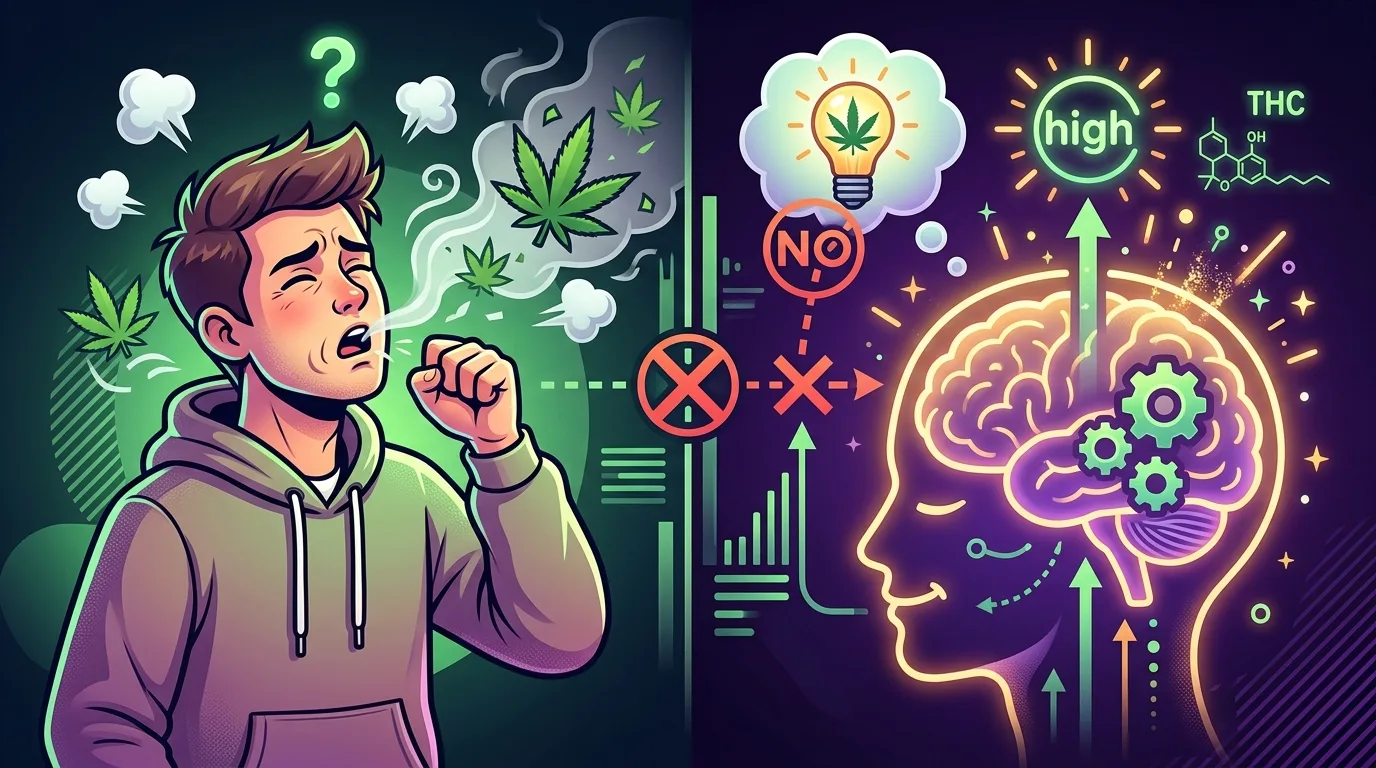
Does Higher THC Mean Stronger Effects?
Generally, THC exposure matters considerably to intoxication.
But the number printed beside a strain doesn't perfectly predict the experience you'll have.
Dose matters.
If you smoke twice as much of one flower, you're changing the equation.
Tolerance matters.
Consumption method matters.
Your individual biology matters.
Other cannabinoids and the overall chemical profile may matter.
Even your expectations and setting can influence your subjective experience.
That's why experienced cannabis consumers often stop asking only:
"What's the highest THC?"
And start asking:
"What's actually good right now?"
Those are very different questions.
What Properly Cured Flower Should Look Like in the Grinder
The grinder reveals things your eyes sometimes miss.
Extremely dry flower can practically explode into powder.
Overly moist flower may clump, compress, or grind poorly.
Properly conditioned cannabis should generally break down into a usable, relatively consistent texture.
And here's another useful moment:
Smell your grinder immediately afterward.
Breaking the flower apart releases aromatic compounds.
A properly preserved batch can become noticeably more expressive once ground.
If the whole room suddenly smells like gas, citrus, fruit, earth, or whatever profile you're working with, that's a good reminder that THC percentage was never the only interesting thing inside that bud.
Can You Fix Badly Cured Weed?
Sometimes you can improve its condition.
You can't rewrite its history.
If cannabis has become excessively dry, controlled rehydration may restore some moisture and improve texture.
What it can't do is recreate terpenes that have already evaporated.
It can't reverse cannabinoid degradation.
And it can't transform badly processed flower into the exact product it could have been with a better cure.
Likewise, if cannabis is dangerously moist or showing signs of mould, this isn't a DIY restoration project.
Let it go.
This is why prevention and proper post-harvest handling matter more than rescue tricks.
How Long Does Cannabis Need to Cure?
There's no single magic number that guarantees perfect flower.
Different producers use different drying and curing approaches based on the cultivar, environment, batch size, moisture, and desired finished product.
That's another reason simplistic rules like:
"Anything cured for exactly X days is premium."
aren't particularly useful.
Time matters.
Conditions matter too.
A long cure handled badly isn't automatically superior to a shorter process managed exceptionally well.
Judge the result.
That's the recurring theme here.
Can You Tell Quality Just by Looking?
No.
You can learn quite a bit from appearance, but beautiful cannabis photography has probably convinced people that frost equals quality more than anything else.
Trichomes matter.
Bud structure matters.
Trim matters.
But visual appeal can't tell you everything about moisture, aroma, cure, flavour, or smoking quality.
A gorgeous purple bud can still be overdried.
An insanely frosty strain can still have a disappointing nose.
A less photogenic cultivar can smoke beautifully.
So definitely look at your flower.
Just remember to smell and touch it too.
The 30-Second Flower Quality Check
You don't need to turn every new bag into a cannabis judging competition.
Keep it simple.
1. Smell It
Does it have a recognizable aroma?
Gas, citrus, fruit, earth, pine, dessert, spice — something?
Or does it mostly smell like hay?
2. Gently Squeeze a Bud
Does it have a little resilience?
Or does it instantly crumble?
Does it feel suspiciously damp?
3. Grind It
Does it break apart properly?
Does the aroma become more noticeable?
4. Smoke It
Does it burn reasonably consistently?
Is the smoke unnecessarily harsh?
Does any flavour survive?
5. Look at the Ash, Then Calm Down
Notice it.
Sure.
Just don't diagnose the grower's entire cultivation process from the colour.
THC tells you about THC. Your nose, fingers, grinder, and smoking experience tell you about the flower. Use both instead of expecting one lab percentage to summarize the entire product.
Frequently Asked Questions
Look at the complete flower rather than one characteristic. Properly cured cannabis should generally have a recognizable aroma, some resilience when gently squeezed, appropriate moisture, a consistent burn, and flavour that reflects the strain rather than tasting predominantly harsh or stale.
Poorly processed cannabis may have a grassy, hay-like, or muted smell instead of a clear strain-specific aroma. However, age and poor storage can also reduce aroma, so smell alone doesn't prove exactly what happened during curing.
It should generally feel conditioned rather than wet or brittle. Some cultivars are naturally more resinous and sticky than others. Flower that instantly turns to dust is excessively dry, while damp flower may have too much moisture for safe storage.
Not by itself. Ash colour can be affected by combustion conditions and characteristics of the material being burned. It isn't a reliable standalone test for curing quality, purity, flushing, or overall cannabis quality.
Excess moisture can contribute to poor burning, but grind size, how tightly the joint is rolled, airflow, and other factors also matter. A joint repeatedly going out isn't enough by itself to diagnose a curing problem.
No. THC percentage measures cannabinoid concentration, not overall flower quality. Aroma, terpene preservation, moisture, freshness, cure, flavour, structure, and smoking experience all matter when evaluating cannabis.
Some moisture can be restored to overly dry cannabis using controlled humidity, which may improve texture. Rehydration can't recreate terpenes that have already been lost or reverse other quality degradation caused by age or poor storage.
The Bottom Line on Properly Cured Cannabis
THC percentage is useful information.
It's just terrible at doing jobs it was never designed to do.
It can't tell you whether flower was dried properly.
It can't tell you whether the cure preserved the aroma.
It can't tell you whether the bud has become brittle.
And it definitely can't tell you whether you're going to enjoy smoking it.
For that, use the flower itself.
Smell it.
You want character, not hay.
Touch it.
You want properly conditioned flower, not dust or damp plant material.
Burn it.
You want a reasonably consistent, enjoyable smoking experience.
Look at the ash.
Just don't pretend the colour answers every question about how the cannabis was grown.
And above all, taste it.
Because a properly handled batch should remind you that cannabis flower is more than a THC delivery system.
The grower spent months getting that plant to harvest.
A proper cure is what helps make sure the good parts actually reach you.