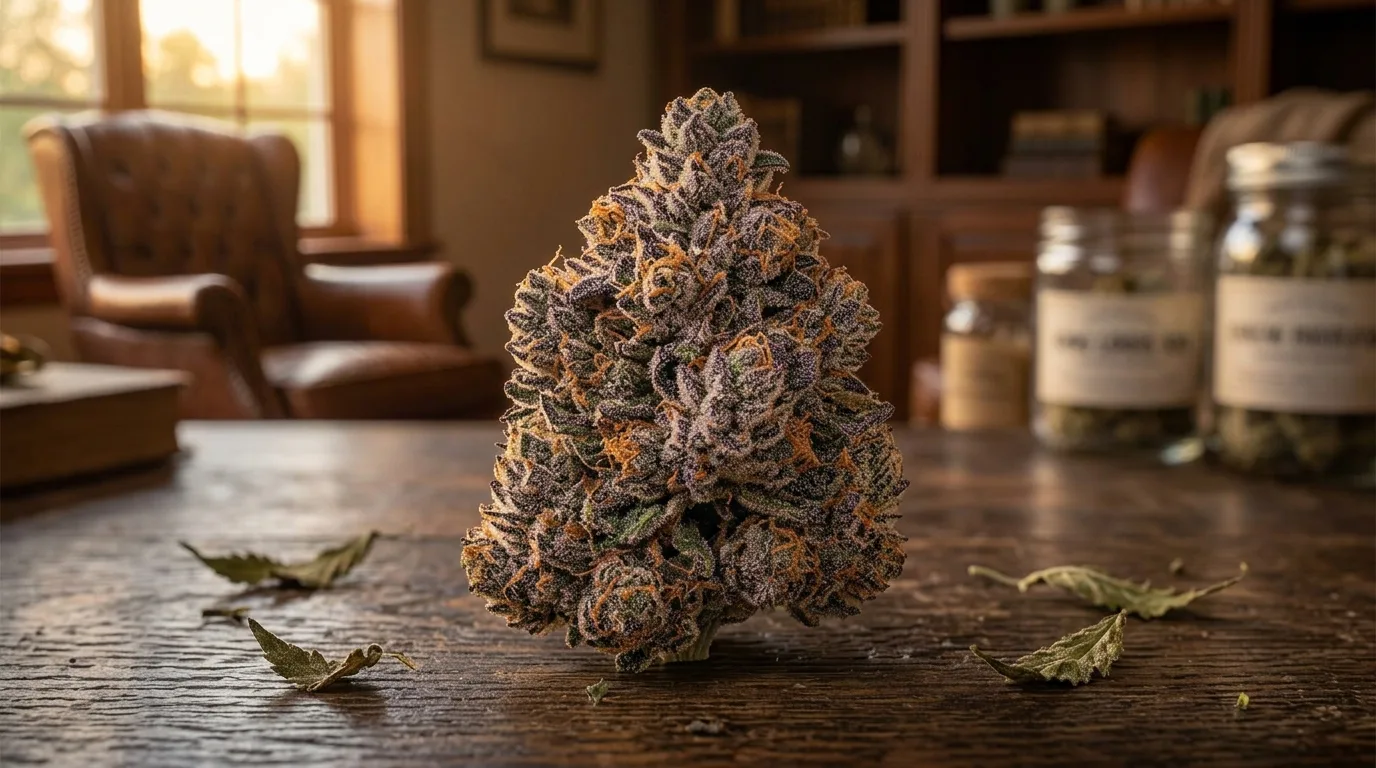
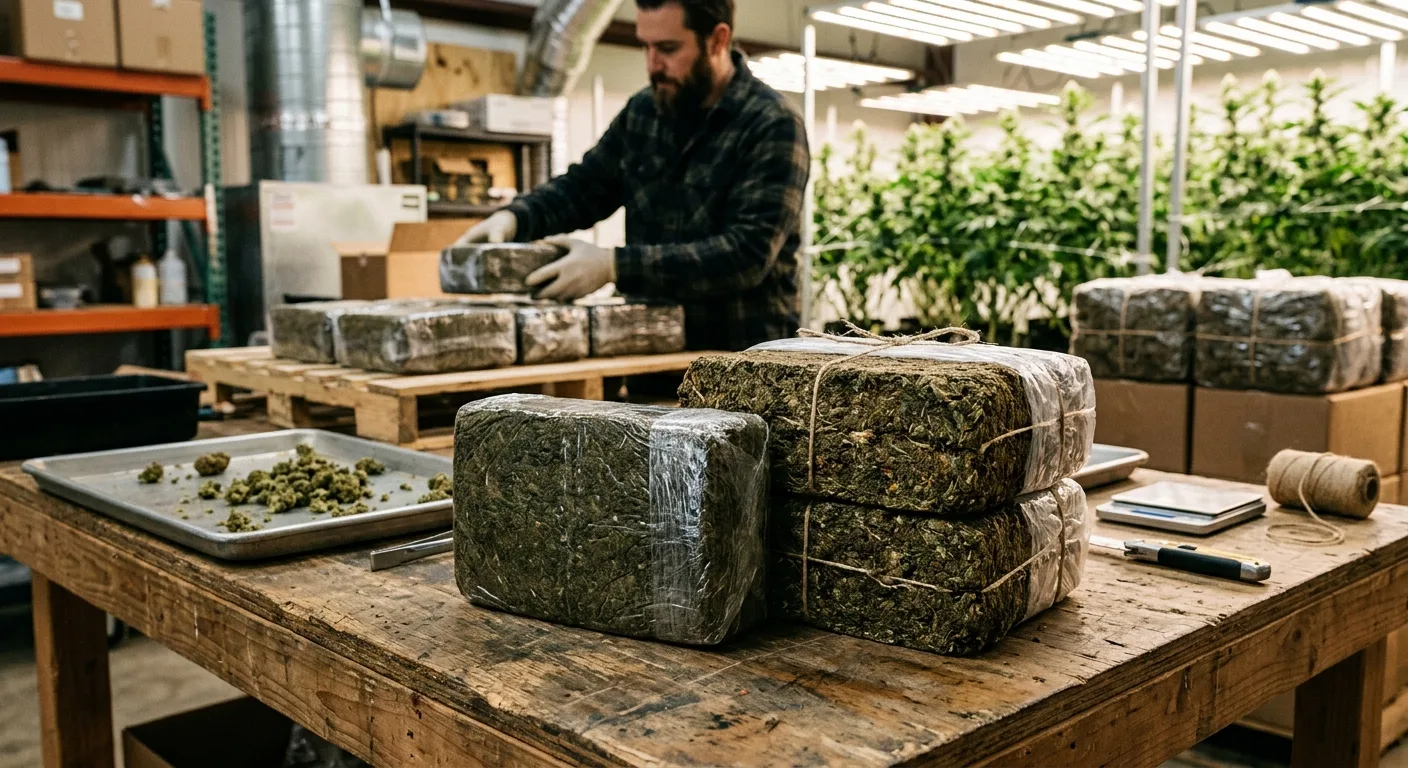
When you hear "Cali Brick" in cannabis circles, you're hearing about a category of premium bulk flower that represents some of the best value and quality available to Canadian consumers today. These aren't your typical dispensary eighths in little plastic containers. A Cali Brick is a compressed, vacuum-sealed package of high-grade cannabis, typically sold in ounce increments or larger, that delivers craft quality at prices that make daily consumption sustainable. If you've been curious about bulk flower options or wondered why experienced cannabis users talk about bricks with such enthusiasm, this comprehensive guide will explain everything you need to know about this game-changing format.
The term "Cali Brick" emerged from California's legendary cannabis culture but has evolved to describe a specific packaging and quality standard that prioritizes freshness, potency, and value. Whether you're looking at strains like Pink Death Star or 95 Dead Indica, these compressed packages represent a smarter way to buy cannabis for regular consumers who know what they want and don't need to pay premium prices for boutique packaging.
Understanding What Makes a Cannabis Product a "Cali Brick"
A Cali Brick is fundamentally different from standard cannabis packaging in both form and philosophy. While most legal dispensaries sell flower in small, individually packaged containers with extensive branding, Cali Bricks strip away the marketing excess and focus on what matters: quality bud at fair prices.
The "brick" part of the name refers to the compression process. Premium flower is carefully vacuum-sealed to remove air, creating a dense, rectangular package that maximizes freshness and minimizes space. This isn't the harsh compression you might associate with low-quality schwag from decades past. Modern Cali Bricks use controlled pressure that preserves trichomes while creating an airtight seal that locks in terpenes and cannabinoids.
The "Cali" designation originally referenced California's reputation for producing world-class cannabis genetics and cultivation standards. However, many modern Cali Bricks are actually grown in British Columbia or other premium Canadian growing regions. The name has become more about the quality standard and packaging format than geographic origin. What you're really getting is craft-level flower in bulk format, professionally cured and sealed to preserve peak freshness.
The Anatomy of a Proper Cali Brick
Not all compressed cannabis qualifies as a true Cali Brick. Legitimate versions share several key characteristics that separate them from inferior products. First, the flower inside maintains proper moisture content, typically between 55-62% relative humidity. When you break open a quality brick, the buds should spring back to their natural shape within minutes, revealing intact trichome coverage and vibrant colours.
Second, genuine Cali Bricks use strain-specific packaging. You're not getting mystery weed or mixed batches. Each brick contains a single, properly labelled strain with consistent effects. This allows you to store your weed properly and know exactly what experience you're getting every time.
Third, the vacuum-sealing process must be done correctly to qualify as a proper brick. Amateur compression can damage trichomes or create uneven moisture distribution. Professional operations use calibrated equipment that applies consistent pressure across the entire package, ensuring uniform quality from the first gram to the last.
How Cali Bricks Differ from Traditional Bulk Cannabis
Before Cali Bricks became popular, bulk cannabis typically meant one of two things: either large mason jars that exposed flower to air every time you opened them, or cheap outdoor harvest sold in turkey bags. Both options had significant drawbacks for quality-conscious consumers.
Cali Bricks solve the preservation problem that plagued traditional bulk purchases. The vacuum seal creates an anaerobic environment that slows degradation of cannabinoids and terpenes. This means your last session from a brick can be nearly as fresh as your first, assuming you follow proper storage protocols after opening.
The format also represents a philosophical shift in how we think about cannabis consumption. Rather than treating every purchase as a special occasion requiring boutique packaging and inflated prices, Cali Bricks normalize cannabis as a regular-use wellness product or recreational choice that shouldn't require premium pricing for consistent access.
The Economics of Buying Cannabis in Brick Format
Understanding the economic advantages of Cali Bricks requires looking beyond simple per-gram pricing. Yes, buying an ounce in brick format typically costs significantly less per gram than purchasing individual eighths. But the real savings come from the preservation technology and bulk efficiency that reduce waste and extend usability.
Consider a typical purchasing pattern: buying a 3.5-gram eighth every week or two means you're paying for excessive packaging twelve to twenty-four times per year. Each container represents material costs, labour costs, and markup that you're absorbing. With Cali Bricks, those packaging expenses are amortized across much larger quantities, passing substantial savings directly to you.
The math becomes even more compelling for daily or regular consumers. If you consume even a gram per week, buying by the ounce in brick format versus repeated eighth purchases can save you hundreds of dollars annually. For consumers who use cannabis for chronic pain management, sleep issues, or other regular needs, these savings quickly become significant.
Breaking Down Cost Per Gram Across Different Purchase Sizes
Price structures in cannabis retail typically follow predictable patterns. A single gram might cost $10-15. An eighth (3.5g) usually runs $30-40, bringing the per-gram cost down to $8.50-11.40. A half-ounce might hit $90-120, or roughly $6.50-8.50 per gram. But when you step up to a full ounce in Cali Brick format, prices can drop to $120-180 for premium flower, putting your per-gram cost at $4.25-6.40.
These aren't arbitrary discounts or promotional pricing. They reflect the real economics of packaging, handling, and distribution. Selling you one ounce requires roughly the same labour and logistics as selling you an eighth, but delivers eight times the product. Those efficiency gains get passed through to consumers willing to commit to larger purchases.
For context, our 3oz bulk weed deals bring per-gram costs even lower, demonstrating how volume purchasing in brick format delivers exponential savings compared to traditional retail.
Hidden Costs That Bricks Eliminate
Beyond obvious per-gram pricing, Cali Bricks eliminate several hidden costs that inflate traditional cannabis purchases. Every time you buy a heavily-packaged eighth, you're paying for marketing materials, printed inserts, child-resistant containers, and decorative boxes that immediately go in the trash. These packaging components can represent 15-30% of your purchase price, depending on brand positioning.
There's also the frequency cost. Making twelve trips to a dispensary or placing twelve delivery orders costs time, gas or delivery fees, and potential impulse purchases of accessories or other products. Buying quarterly or less frequently in brick format reduces these transactional friction costs substantially.
Perhaps most importantly, proper vacuum-sealing prevents the degradation that occurs when flower sits in partially-filled containers exposed to air. If you've ever noticed your last few grams of an eighth getting harsh or losing potency, you've experienced oxidation and terpene evaporation. Bricks minimize this waste by maintaining freshness throughout the entire package lifespan.
Popular Cali Brick Strains and What Makes Them Special
Not all strains translate well to brick format, and experienced producers carefully select genetics that maintain quality through compression and extended storage. The best Cali Brick strains share certain characteristics: robust terpene profiles that survive vacuum-sealing, dense bud structure that handles compression well, and potency that remains stable over time.
Indica-dominant strains particularly excel in brick format because their naturally dense bud structure and earthy, gassy terpene profiles prove remarkably resilient. Strains in the Kush family, OG lineages, and purple varieties consistently deliver exceptional brick experiences.
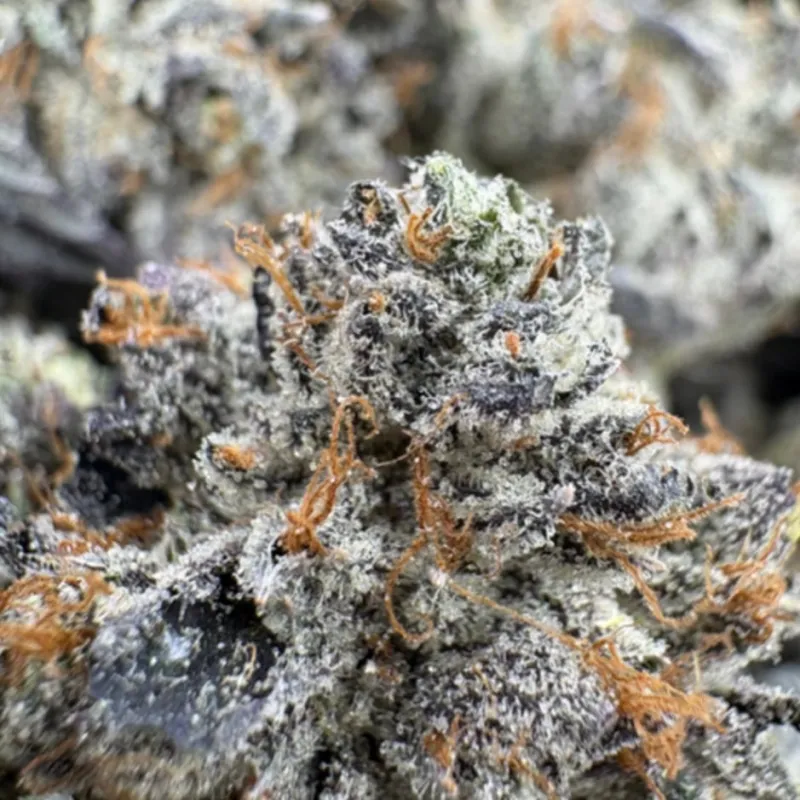
95 Dead Indica - Premium Cali Brick
Knockout 43.10% THC indica in Cali brick form. Diesel gas aroma, crushing sedation, and...
Take the 95 Dead Indica as a prime example. This heavy-hitting indica maintains its sedating properties and fuel-forward aroma profile even after extended storage in brick format. The trichome-dense flowers emerge from vacuum seal with their potency intact, ready to deliver the couch-lock experience that makes this strain popular among evening consumers and chronic pain patients.
Why Pink Strains Dominate the Cali Brick Category
If you browse Cali Brick offerings from any reputable supplier, you'll notice an abundance of "pink" strains: Pink Death Star, Pink Kush, Pink Gas, Greasy Pink, and numerous others. This isn't coincidental. Pink strains represent a specific genetic lineage originating from British Columbia that combines exceptional bag appeal with the robust characteristics needed for successful brick packaging.
The "pink" designation typically indicates genetics with prominent purple colouration, a gassy and slightly sweet terpene profile, and powerful indica effects. These strains produce resinous flowers with excellent trichome coverage that protects delicate compounds during compression and storage.
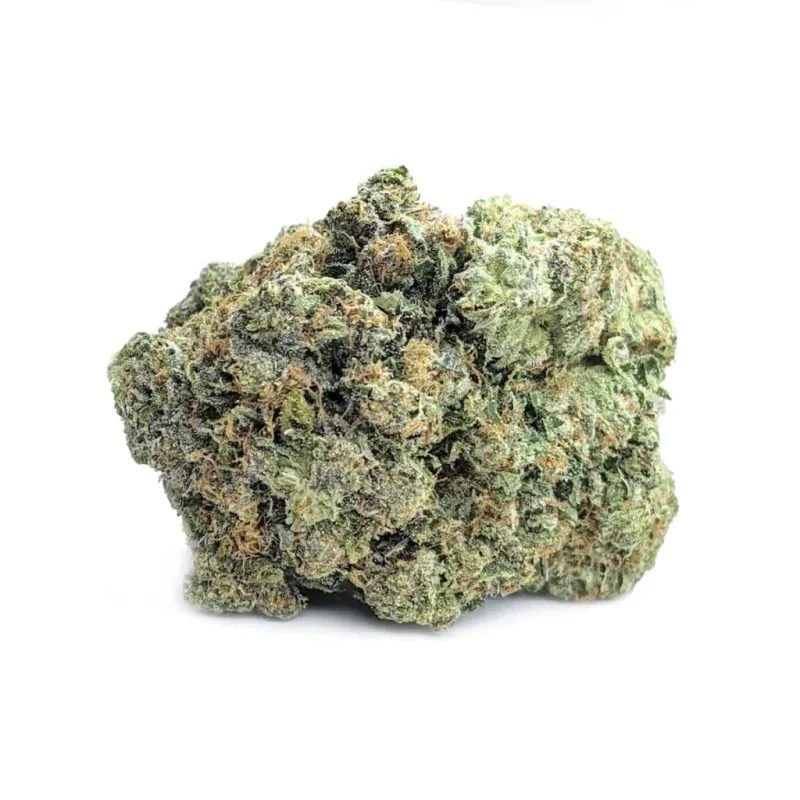
Mike Tyson K.O Indica - Premium Cali Brick
Knockout pure indica Cali brick with 28% THC. Bold diesel, pine, and kush flavours deli...
Pink Death Star exemplifies why this genetic family works so well in brick format. The strain delivers consistent potency (typically 20-25% THC), maintains its distinctive gassy-sweet aroma through storage, and provides reliable sedating effects that make it popular for evening use. The dense bud structure means flowers re-expand beautifully after unsealing, revealing the purple undertones and crystal coating that make this strain visually impressive.
Hybrid and Sativa Options in Brick Format
While indica-dominant strains dominate the Cali Brick market, quality hybrid and sativa options do exist for consumers who want bulk purchasing power without sedating effects. These require more careful production since lighter, less dense buds present greater compression challenges.
Hybrid bricks like Purple Runtz or other Runtz family genetics offer balanced effects with the candy-sweet terpene profiles that have made these strains internationally famous. The key with hybrid bricks is ensuring the curing process develops proper density before compression. Rushed hybrids can lose structure, but properly prepared versions maintain quality throughout storage.
Sativa bricks remain less common because the naturally airy bud structure of many sativa-dominant strains doesn't compress as efficiently. However, denser sativa options like Very Berry Haze can succeed in brick format when handled by experienced producers who understand how to optimize compression without damaging the delicate trichomes on these uplifting strains.
How to Properly Open, Store, and Preserve Your Cali Brick
Purchasing a Cali Brick is just the beginning. How you handle the product after it arrives determines whether you'll enjoy premium quality throughout the package or watch it degrade over weeks. Proper brick management requires understanding a few key principles about cannabis preservation and planning your storage strategy before you break the seal.
The first rule: don't open your brick until you're ready to begin regular consumption. That vacuum seal is your friend. It's maintaining an optimal environment that prevents oxidation, moisture loss, and terpene evaporation. Some consumers make the mistake of opening a brick immediately to "check it out," breaking the seal weeks before they'll actually consume the product. Resist this temptation.
When you do open your brick, have your storage solution ready. Most experienced consumers portion their brick into weekly or bi-weekly amounts immediately upon opening, storing what they're not currently using in airtight containers with humidity control. This limits ongoing exposure to air and maintains freshness across the entire ounce or larger quantity.
The First 24 Hours After Opening Your Brick
When you first break the vacuum seal on a Cali Brick, the compressed buds need time to rehydrate and expand to their natural shape. This "fluffing" process happens naturally as the flowers are exposed to ambient humidity, but you can optimize it with proper technique.
After opening, transfer your brick to a large airtight container with adequate space for the buds to expand. If you have Boveda or Integra humidity packs, add one immediately to help the flowers reach optimal moisture content. You'll notice the buds visibly expanding over the first few hours, regaining the structure that compression temporarily altered.
During this initial period, resist the urge to grind or consume immediately. While technically possible, letting the flowers rehydrate for 12-24 hours typically results in better flavour and smoother smoke. The terpenes need time to redistribute throughout the expanded bud structure, and this brief waiting period pays dividends in quality.
Long-Term Storage Strategies for Bulk Flower
Once your brick is opened and portioned, implementing proper storage becomes critical. The principles of cannabis storage apply regardless of purchase format, but they become especially important when you're preserving larger quantities over extended periods.
Temperature control is your first consideration. Cannabis stores best in cool environments between 60-70°F. Higher temperatures accelerate cannabinoid degradation and can promote mold growth if any excess moisture remains. Lower temperatures preserve potency but can make trichomes brittle. Room temperature in a dark closet or drawer typically works well for most consumers.
Light exposure is the enemy of long-term preservation. UV rays break down THC and other cannabinoids rapidly, which is why quality storage containers use opaque materials. If you're using mason jars or other clear containers, store them in a dark location. Even indirect sunlight can degrade quality over weeks or months.
Humidity management might be the most critical factor for bulk storage success. Cannabis stored at 55-62% relative humidity maintains optimal moisture content without promoting mold. Too dry and you'll lose terpenes as they volatilize; too humid and you risk mold development. Two-way humidity control packs make this simple, automatically adding or removing moisture to maintain your target range.
When to Use Humidity Packs and Curing Techniques
Quality Cali Bricks arrive properly cured, but extended storage can benefit from active humidity management. If you're planning to store portions of your brick for more than a few weeks, investing in Boveda or Integra packs is wise. These two-way humidity control systems maintain precise RH levels without any effort on your part.
For consumers interested in optimizing their flower through extended curing, the principles of humidity pack storage and curing can enhance even pre-cured brick flower. A slow, controlled cure in airtight containers with 58-62% RH can continue to develop terpene profiles and improve smoothness, particularly for bricks that may have been rushed to market.
The key is monitoring your flower weekly during storage. Open containers briefly to check for any signs of excess moisture (condensation on container walls) or over-drying (brittle, crumbly buds). Small adjustments early prevent larger quality issues down the road.
Quality Indicators: How to Evaluate Your Cali Brick
Not all products sold as "Cali Bricks" meet the quality standards that made the format popular. Learning to evaluate brick quality protects you from inferior products and ensures you're getting legitimate value for your purchase. Several key indicators separate premium bricks from low-grade imposters.
Visual inspection provides your first quality clues. When you open a proper brick and allow the buds to expand, you should see abundant trichome coverage, minimal stem content, and the characteristic colours of your chosen strain. Brown, excessively leafy, or poorly trimmed flower indicates cutting corners somewhere in the production process.
Trichome integrity tells you how carefully the brick was produced. Use a jeweler's loupe or smartphone macro lens to examine the trichome heads closely. They should be intact, mushroom-shaped, and predominantly milky-white or amber, depending on harvest timing. Broken trichomes or excessive clear trichomes suggest either rough handling during compression or premature harvest.
Smell Test: Terpene Preservation in Compressed Flower
A quality Cali Brick's aroma should hit you immediately upon opening the vacuum seal. That initial burst of terpenes is a positive sign that the sealing process captured the flower at peak freshness. The specific smell will vary by strain, but intensity matters more than the particular profile.
Weak or musty aromas indicate problems. Either the flower wasn't properly cured before compression, the vacuum seal failed during storage, or the starting material was low-quality. Premium indica bricks should smell gassy, earthy, or sweet. Hybrid bricks might show candy, fruit, or fuel notes. If you're getting hay, grass, or generic "weed" smell without distinctive character, you're not dealing with craft-level flower.
Terpene profiles should intensify as the brick sits open and rehydrates. If the smell fades rather than strengthens over the first 24 hours, that's a red flag. Quality flower becomes more aromatic as it reaches optimal moisture levels, with terpenes volatilizing and filling your storage container with distinctive fragrance.
The Smoke and Effects Test
Ultimate quality validation comes from consumption. Premium Cali Brick flower should burn clean, taste pleasant, and deliver the effects profile expected from its strain genetics. Any harsh throat hit, black ash, or chemical taste suggests contamination, improper curing, or pesticide residue.
Effects should manifest clearly and consistently. If you're consuming an indica brick but not feeling relaxation, or a sativa brick that doesn't provide energy, either the genetics aren't what was advertised or the THC has degraded significantly. Quality bricks maintain potency throughout storage, so effects should remain consistent from your first session to your last.
Pay attention to how the flower grinds and burns. Properly preserved brick flower should grind easily without turning to powder, and it should burn steadily in joints or bowls. Flower that's too dry crumbles excessively and burns too fast. Flower that's too moist won't stay lit and can harbor mold. The sweet spot is flower that grinds to a fluffy consistency and burns slowly with white or light grey ash.
The Future of Bulk Cannabis: Where Cali Bricks Fit in the Canadian Market
As Canada's legal cannabis market matures, purchasing patterns are shifting toward value-focused formats that prioritize substance over marketing. Cali Bricks represent this evolution toward treating cannabis as a regular-use product rather than a luxury purchase. Understanding where this format fits in the broader market helps consumers make informed decisions about their purchasing strategies.
The traditional dispensary model focused on brand storytelling, elaborate packaging, and premium pricing is giving way to consumer demand for straightforward quality at fair prices. Experienced consumers know that a $60 eighth in a fancy tin doesn't necessarily outperform a $140 ounce brick, they're just paying for different things. As this awareness spreads, brick-format bulk purchasing is becoming mainstream rather than niche.
Regulatory frameworks are also adapting to accommodate bulk sales more efficiently. While Health Canada regulations initially created barriers to larger format sales, ongoing reforms recognize that adult consumers should have access to economical purchasing options. This regulatory evolution supports continued growth in the Cali Brick category.
Environmental Considerations of Bulk Cannabis Packaging
Beyond economics, environmental consciousness is driving interest in bulk formats. Traditional cannabis packaging generates enormous waste: rigid plastic containers, cardboard boxes, printed inserts, and sealed bags for a few grams of flower. Multiply this by millions of transactions annually and the waste stream becomes staggering.
Cali Bricks dramatically reduce packaging waste per gram consumed. One vacuum-sealed ounce replaces eight separate eighth containers, along with all their associated packaging materials. For environmentally-aware consumers, this waste reduction adds to the format's appeal alongside economic advantages.
As sustainability becomes a more prominent consumer value, expect packaging efficiency to become a competitive advantage. Brands and suppliers that can deliver quality while minimizing environmental impact will capture market share from companies still focused on excessive presentation packaging.
How Brick Format Compares to Other Bulk Options
Cali Bricks aren't the only bulk cannabis option available, so understanding how they compare helps you choose the right format for your needs. Large mason jars offer another popular bulk approach, typically holding ounces or more of flower in glass containers. These provide excellent visibility and easy access but lack the preservation benefits of vacuum-sealing.
Turkey bags represent the budget bulk option, commonly used for outdoor harvest sales. While economical, these provide minimal protection against air exposure, light, and physical damage. They work for short-term storage but don't preserve quality like proper brick packaging.
Nitrogen-sealed tins offer premium bulk storage with protection comparable to vacuum-sealed bricks. However, these typically cost more and create more packaging waste. For most consumers, the vacuum-sealed brick format offers the best balance of preservation, value, and convenience.
Making Your First Cali Brick Purchase: Practical Considerations
If you've never purchased cannabis in brick format, the transition from buying eighths requires some planning. Understanding practical considerations before your first purchase ensures a positive experience and helps you maximize value from this purchasing approach.
Budget is the obvious starting point. Cali Bricks require larger upfront investment than traditional small-format purchases. An ounce brick might cost $120-200 depending on strain and quality tier, compared to $30-40 for an eighth. While the per-gram economics favour bricks dramatically, you need available capital to access those savings. Plan your cannabis budget to accommodate quarterly or less frequent but larger purchases.
Strain selection becomes more critical with bulk purchases. When you're buying 28 grams of a single strain, you want confidence it matches your preferences. If possible, try a smaller quantity of your chosen strain first before committing to a full ounce. Alternatively, start with versatile hybrid options that work for multiple situations rather than extreme indica or sativa varieties that limit usage scenarios.
Storage Setup Before Your Brick Arrives
Don't wait until your brick arrives to think about storage. Have your preservation system ready: airtight containers (glass mason jars work excellently), humidity control packs if you're planning extended storage, and a cool, dark storage location. This preparation ensures you can properly handle your brick immediately upon receipt.
Consider portioning strategy in advance. Will you keep the entire ounce in one container, or divide it into weekly portions? Most experienced consumers portion immediately, storing what they're not actively using in separate sealed containers to minimize air exposure to the bulk of their supply.
If you're new to bulk purchasing, our Ottawa weed delivery service can provide guidance on selecting your first brick and answer questions about storage and handling. Starting with experienced support reduces risk and builds confidence for future bulk purchases.
Consumption Rate and Shelf Life Planning
Before committing to a Cali Brick, honestly assess your consumption rate. If you typically consume a gram per week, an ounce brick represents roughly seven months of supply. While properly stored cannabis can remain viable this long, you're pushing the limits of practical preservation unless you have dedicated storage equipment.
For occasional consumers who use cannabis a few times monthly, brick format may not be optimal. The volume exceeds what you'll reasonably consume before quality begins degrading, and you're not buying frequently enough to realize significant savings compared to periodic small purchases.
Regular daily consumers represent