
 %
%
 %
%

If you've ever started your workday with a microdosed edible or vaped a little Green Crack before tackling your to-do list, you already know something the productivity gurus won't tell you: the right cannabis strain can sharpen your focus like nothing else. But walk into any dispensary and ask for "weed for concentration," and you'll get a dozen contradictory recommendations. Some budtenders swear by pure sativas. Others push low-THC hybrids. A few will tell you cannabis and productivity don't mix at all.
The truth? Certain strains genuinely enhance focus, motivation, and mental clarity when used intentionally and dosed correctly. The key is understanding which terpene profiles and cannabinoid ratios work with your brain chemistry instead of against it. This guide breaks down the best weed strains for focus and productivity, the science behind why they work, and how to use them without ending up glued to your couch watching Netflix for four hours.
The Science Behind Cannabis and Focus: Why Some Strains Sharpen Your Mind
Cannabis affects focus through a complex interaction between cannabinoids, terpenes, and your endocannabinoid system. When people say "sativas are energizing" and "indicas make you sleepy," they're oversimplifying decades of cannabis science into a false binary. The real story is far more interesting.
THC, the primary psychoactive compound, binds to CB1 receptors in your brain's prefrontal cortex, the region responsible for executive function, working memory, and sustained attention. At low to moderate doses (typically 2.5-10mg for edibles, or one to three puffs for flower), THC can enhance dopamine signaling, which improves motivation and task initiation. Go beyond that sweet spot, and you'll overwhelm those same receptors, leading to the scattered, unfocused "too high to function" feeling.
Terpenes: The Real Productivity Players
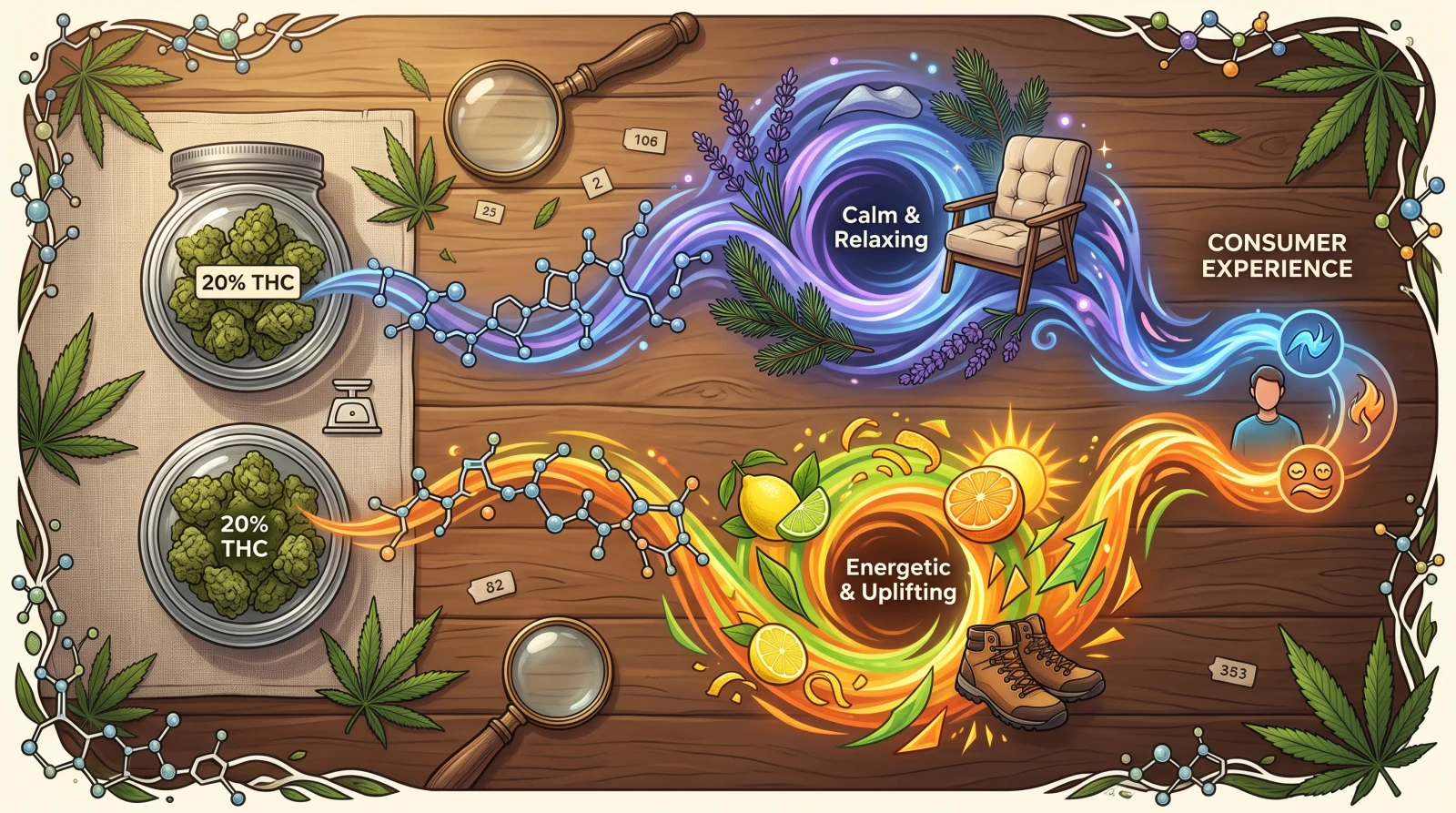
Terpenes matter more than THC percentage when selecting strains for focus. Limonene, found in citrus-scented strains, elevates mood and promotes mental clarity. Pinene enhances alertness and counteracts some of THC's short-term memory impairment. Terpinolene, common in uplifting strains, provides gentle cerebral stimulation without anxiety.
Myrcene-dominant strains, on the other hand, tend to produce sedating, couch-lock effects. That's why checking a strain's terpene profile (available on most lab-tested products) matters more than simply choosing "sativa" on a menu. A myrcene-heavy sativa will still leave you drowsy, while a pinene-rich hybrid can keep you laser-focused for hours.
The Dose-Response Curve
Cannabis follows a biphasic dose-response pattern for focus. Small amounts enhance concentration; large amounts impair it. A 2017 study in the Journal of Pain found that low-dose THC (around 4mg) improved task completion rates, while higher doses (above 12mg) significantly reduced cognitive performance.
This explains why microdosing has become popular among professionals and creatives. Taking just enough to feel a subtle shift in perspective without obvious intoxication hits that productivity sweet spot. The strains recommended below work best at conservative doses, not the "get absolutely ripped" approach that ruins your afternoon.
Top Sativa-Dominant Strains for Laser Focus
Sativa-dominant genetics typically offer the energizing, cerebral effects most conducive to productive work. These strains prioritize mental stimulation over physical relaxation, making them ideal for daytime use when you need to stay sharp.
Green Crack: The Productivity Classic
Despite its controversial name, Green Crack remains the gold standard for focus-oriented cannabis. This strain delivers intense mental energy with minimal physical sedation, making it perfect for marathon work sessions or creative projects. The terpene profile leans heavily on caryophyllene and myrcene, but the specific phenotype matters tremendously.
Users report tunnel-vision focus that helps them power through mundane tasks without boredom. The energizing effects peak around 20-30 minutes after consumption and last two to three hours. Green Crack works especially well for tasks requiring sustained attention rather than deep analytical thinking.
Durban Poison: Pure Sativa Energy
Durban Poison is one of the few true landrace sativas still widely available. Originating from South Africa, this strain provides clear-headed energy without the jittery anxiety that plagues some high-THC varieties. The terpene profile features heavy terpinolene, which contributes to its uplifting, focus-enhancing qualities.
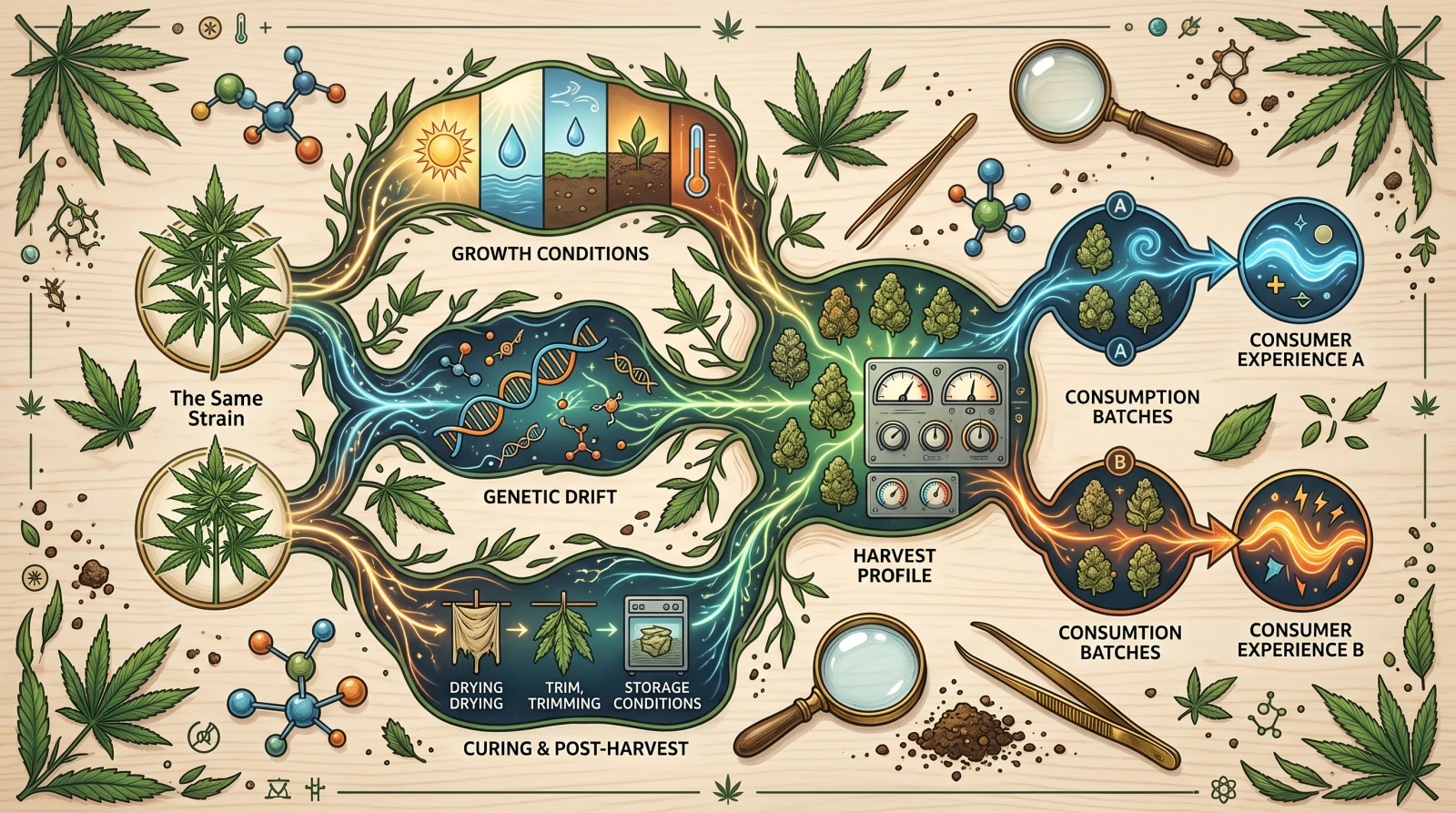
What sets Durban Poison apart is its consistency. While many modern hybrids vary wildly between phenotypes, Durban maintains reliable effects across different growers and batches. Expect heightened sensory awareness, improved time management, and the motivation to actually start that project you've been avoiding.
Jack Herer: Balanced Cerebral Stimulation
Named after the legendary cannabis activist, Jack Herer combines the best of sativa genetics with just enough indica influence to prevent overwhelming stimulation. This strain excels at creative tasks that require both focus and lateral thinking, making it popular among writers, designers, and programmers.
The terpene profile blends pinene and terpinolene, creating alertness without anxiety. Users describe a "clean" high that enhances concentration without intrusive thoughts or paranoia. Jack Herer is forgiving with dosing, maintaining productive effects even at slightly higher consumption levels that would make other strains counterproductive.
Hybrid Strains That Balance Energy and Calm
Pure sativas can sometimes feel too racy, especially for individuals sensitive to THC or prone to cannabis-induced anxiety. Hybrid strains offer the focus benefits of sativa genetics while incorporating just enough indica influence to prevent overstimulation.
Blue Dream: The Gentle Motivator
Blue Dream has dominated West Coast dispensaries for years, and for good reason. This sativa-leaning hybrid provides smooth, manageable energy that enhances focus without causing jitters. The high myrcene content might seem counterintuitive for a productivity strain, but Blue Dream's specific ratio of cannabinoids and terpenes produces surprisingly uplifting effects.
This strain works best for people who need focus without intensity. If pure sativas make you anxious or scattered, Blue Dream offers a gentler on-ramp to productive cannabis use. It's particularly effective for tasks requiring sustained moderate effort rather than intense concentration bursts.
Sour Diesel: Energizing with Staying Power
Sour Diesel delivers long-lasting cerebral stimulation that keeps you productive for hours. The diesel-fuel aroma comes from terpenes including limonene and myrcene, creating an energizing effect that doesn't fade quickly like some shorter-acting strains.
Users report that Sour Diesel excels at eliminating procrastination and building momentum on large projects. The effects promote a "flow state" where time passes quickly and work feels effortless. This strain pairs well with physical tasks requiring both mental engagement and bodily coordination.
Harlequin: High-CBD Focus Without the High
For those seeking focus benefits without significant intoxication, Harlequin offers a CBD-rich option that still contains enough THC for noticeable effects. The typical 5:2 CBD:THC ratio provides mental clarity and mild stimulation without impairing cognitive function.
This strain works brilliantly for professionals who need to remain completely functional while managing pain, inflammation, or mild anxiety that would otherwise hamper productivity. Harlequin won't get you "high" in the traditional sense, but it absolutely enhances concentration and reduces mental distractions.
How to Use Cannabis for Focus: Dosing and Consumption Methods
Having the right strain means nothing if you consume it incorrectly. The delivery method and dose determine whether cannabis sharpens your focus or ruins your productivity.
Microdosing for Sustained Concentration
Microdosing typically means consuming 1-5mg of THC, far below recreational doses. At this level, you experience subtle cognitive shifts, improved mood, and enhanced focus without obvious intoxication. Many professionals microdose throughout the day, taking small amounts every few hours to maintain consistent effects.
Edibles work well for microdosing because they're precisely dosed and provide long-lasting effects. Start with 2.5mg and wait two hours before redosing. Vapourizers also allow precise dose control; one to two puffs from a quality vape pen typically delivers 2-5mg of THC. If you're curious about THC beverages for consistent dosing, they offer another controlled option.
Vapourizing for Quick, Clean Focus
Vapourizing flower at lower temperatures (160-180°C) preserves the terpenes responsible for focus-enhancing effects while avoiding the combustion byproducts that can cause grogginess. The effects onset within minutes and last one to three hours, making vapourizing ideal for timing your consumption around specific tasks.
Products like the

Drizzle Factory 2G Switch Vape Pen
THC: 97–98%Flavor: Varies by strain combination; options include fruity, sweet, and e...
deliver precise doses of high-quality distillate with strain-specific terpene profiles. Vape pens offer convenience and discretion, though they lack the full-spectrum effects of whole flower. For maximum focus benefits, stick to sativa or hybrid vape cartridges and take one to three measured puffs rather than continuous draws.
Timing Your Consumption
When you consume matters as much as what you consume. Taking focus-enhancing strains first thing in the morning works well for some people but causes others to peak too early and crash by lunch. Most users find that consuming 30-60 minutes before starting work provides optimal timing.
Avoid redosing within three hours, as stacking doses increases the likelihood of overshooting your productive range. If effects wear off mid-afternoon, a small second dose can extend productivity, but be cautious not to consume so late that it affects evening wind-down or sleep quality.
Common Mistakes That Kill Cannabis-Enhanced Productivity
Even with perfect strain selection, certain errors will sabotage your focus. Avoiding these common pitfalls makes the difference between productive cannabis use and wasted afternoons.
Taking Too Much, Too Fast
The biggest mistake is consuming recreational doses when trying to focus. That 25mg edible might feel great on a Saturday evening, but it will absolutely destroy your Tuesday morning productivity. Cannabis for focus requires restraint and discipline with dosing.
Start absurdly low with any new strain. You can always take more, but you can't untake an excessive dose. First-time users of focus strains should begin with a single puff or 2.5mg edible, even if they have significant cannabis experience with other contexts. The dose for productivity is not the same as the dose for recreation.
Mixing Strains and Products
Combining different strains or products throughout the day creates unpredictable effects. A focus-enhancing sativa consumed alongside a relaxing indica edible produces competing signals that often cancel out the benefits of both. Stick with one strain for a given work session.
The same principle applies to mixing cannabis with other substances. Caffeine plus cannabis works brilliantly for some people and causes jittery anxiety in others. If you're going to combine cannabis with your morning coffee, start with exceptionally low doses of both until you understand how they interact for your body chemistry.
Choosing the Wrong Tasks
Cannabis doesn't enhance all types of focus equally. It excels at creative work, mundane tasks requiring sustained attention, and physical activities needing mind-body coordination. It typically impairs short-term memory, complex analysis requiring multiple variables, and tasks demanding absolute precision.
Use cannabis-enhanced focus for writing, designing, coding routine functions, cleaning, organizing, or creative brainstorming. Avoid it for studying new material, financial analysis, critical decision-making, or anything with serious consequences if you make a mistake. Understanding this distinction prevents disappointment and potential problems.
Many Ottawa professionals have discovered that working with an Indigenous-owned weed store helps them find consistent, lab-tested products they can rely on for productive use. Quality control matters immensely when cannabis becomes a functional tool rather than just recreation.
Building a Sustainable Cannabis Productivity Routine
Occasional cannabis use for focus differs fundamentally from integrating it into a daily routine. Sustainable productivity enhancement requires intention, discipline, and honest self-assessment.
Tolerance Management
Daily cannabis use inevitably builds tolerance, reducing effectiveness over time. To maintain productivity benefits, most users adopt one of several strategies. Some use cannabis for focus only three to four days per week, taking breaks on weekends. Others cycle between different strains every few weeks to prevent receptor downregulation to specific cannabinoid profiles.
Periodic tolerance breaks reset your endocannabinoid system. A 48-hour break often suffices to restore sensitivity, though some users prefer week-long breaks every month. During tolerance breaks, focus will temporarily decrease below baseline before returning to normal, so plan them around less demanding work periods.
Tracking What Works
Keep a simple log of strains, doses, timing, and productivity outcomes. After a month, clear patterns emerge showing which combinations optimize your focus. You might discover that 3mg of a specific sativa at 9 AM consistently produces your best work, while the same strain at 2 PM causes afternoon drowsiness.
Note not just productivity but also quality of work. Some strains might help you complete tasks faster while reducing attention to detail. Others slow you down slightly but improve thoroughness. Neither is wrong, but matching the strain to the task type improves results.
Combining Cannabis with Other Productivity Tools
Cannabis works best alongside established productivity practices, not as a replacement for them. Pair focus-enhancing strains with techniques like the Pomodoro method, time blocking, or focused work sessions. The cannabis enhances these systems rather than substituting for discipline.
Environmental factors matter enormously. Cannabis-enhanced focus collapses in chaotic, distracting settings. Create a dedicated workspace, eliminate digital distractions, and establish clear objectives before consuming. The strain provides the cognitive enhancement, but you must create the conditions for it to work.
For those just starting to explore cannabis for practical purposes, understanding the ordering process removes friction from accessing quality products consistently. Same-day delivery means you can restock focus-enhancing strains before running out, maintaining routine consistency.
Strain Selection Guide: Finding Your Perfect Focus Partner
Individual brain chemistry means no single strain works optimally for everyone. Finding your ideal focus strain requires systematic experimentation.
Identifying Your Sensitivity Profile
Some people metabolize THC quickly and need higher doses or more frequent redosing. Others remain impaired for hours from minimal amounts. Your sensitivity profile determines which strains and doses will work. Fast metabolizers often prefer edibles for longer-lasting effects, while slow metabolizers do better with vapourized flower they can titrate precisely.
Anxiety sensitivity also matters. If cannabis sometimes causes paranoia or racing thoughts, avoid high-THC pure sativas regardless of their focus-enhancing reputation. Stick with balanced hybrids or high-CBD strains that provide stimulation without overstimulation.
Testing Methodology
When trying a new focus strain, clear your schedule. Consume it on a weekend morning when you can observe effects without pressure. Complete a simple focus task like reading, cleaning, or organizing, then note how the strain affects your attention, motivation, and mental clarity.
Try each strain at least three times before making judgments. The first session might feel different from subsequent ones as your body learns to process that specific cannabinoid and terpene combination. Only after consistent results can you determine if a strain genuinely enhances your productivity.
Building Your Rotation
Most successful productivity-focused cannabis users maintain a rotation of two to four strains rather than relying on a single option. Different strains suit different tasks and energy levels. You might use an energizing pure sativa for morning creative work, switch to a balanced hybrid for afternoon administrative tasks, and keep a high-CBD option for days when you need focus without any intoxication.
Rotate strains weekly or bi-weekly to prevent tolerance while maintaining enough consistency to predict effects. This approach provides variety without constant experimentation, striking the balance between novelty and reliability.
Same-Day Focus Strain Delivery in Ottawa
Skip the dispensary lineup and get productivity-enhancing strains delivered to your door today. Browse lab-tested sativas and hybrids perfect for your workflow.
Shop Focus Strains NowFrequently Asked Questions About Cannabis and Productivity
Yes, specific strains at low to moderate doses genuinely enhance focus for many users. The key is choosing sativa-dominant or balanced hybrid strains with terpene profiles rich in pinene, limonene, and terpinolene. Avoid high-myrcene indicas and consume conservative doses (2.5-10mg for edibles, 1-3 puffs for flower). Cannabis affects everyone differently, so what works for focus varies, but dismissing it entirely ignores significant anecdotal evidence and emerging research on low-dose THC and cognitive function.
Most users find that consuming 30-60 minutes before starting work provides optimal timing, allowing effects to peak during your most demanding tasks. Morning use works well for creative or physical work, while early afternoon consumption suits administrative tasks. Avoid consuming within four hours of bedtime, as even focus-enhancing sativas can disrupt sleep architecture. Experiment with timing to find what aligns with your natural energy rhythms and work demands.
Start with extremely low doses, far below recreational amounts. For edibles, begin with 2.5mg and wait at least two hours before considering more. For flower or vapes, take a single puff and wait 15 minutes to assess effects. Use a timer to prevent mindless overconsumption. Choose strains with moderate THC levels (15-20%) rather than ultra-high-potency options. Vapourizers and measured-dose products provide better control than smoking joints. Remember that you can always consume more, but you cannot undo an excessive dose.
Regular daily use will build tolerance, reducing effectiveness over time. Most sustainable approaches involve using cannabis for productivity 3-5 days per week with planned breaks, or cycling between different strains to prevent receptor downregulation. Dependency risk exists with daily use, though physical addiction to cannabis is less severe than with alcohol or nicotine. Psychological dependency on cannabis for basic functioning is the greater concern. If you cannot focus without cannabis after a few weeks of regular use, scale back frequency and reassess your relationship with the plant.
Absolute beginners should start with high-CBD, low-THC strains like Harlequin to assess their baseline response to cannabis before moving to THC-dominant focus strains. Your first few experiences will feel different from settled use as your endocannabinoid system adjusts. Begin on a day without obligations, consume an extremely small amount (1-2mg edible or single small puff), and observe effects without pressure to be productive. Only after understanding how cannabis affects your body should you attempt to use it for actual focus-demanding work.
Vapourizing provides the fastest onset and easiest dose control, making it ideal for timing effects around specific tasks. Edibles offer long-lasting, consistent effects but take 1-2 hours to onset and are harder to titrate precisely. Smoking flower works but introduces combustion byproducts that can cause grogginess. For beginners, low-dose edibles (2.5-5mg) or single puffs from a vapourizer provide the most controlled introduction. Experienced users often prefer vapourizing for its balance of quick onset, clean effects, and easy dose adjustment throughout the day.
Finding Your Flow: Cannabis as a Productivity Tool
The best weed strains for focus and productivity share common characteristics: sativa or hybrid genetics, terpene profiles emphasizing pinene and limonene, and moderate THC levels that provide stimulation without overwhelming intoxication. But the perfect strain for your productivity ultimately depends on your individual brain chemistry, tolerance, and the specific type of focus your work demands.
Cannabis-enhanced productivity isn't about getting high and hoping for the best. It requires intention, discipline, and systematic experimentation to find the strains, doses, and timing that genuinely improve your focus. When done correctly, cannabis can eliminate procrastination, enhance creative thinking, and make mundane tasks engaging. When done carelessly, it wastes time and creates frustration.
Start conservatively with proven focus strains like Green Crack, Durban Poison, or Jack Herer. Dose far lower than you think necessary. Track your results honestly. And remember that cannabis is a tool that enhances existing productivity systems rather than a magic solution that creates discipline where none existed. Used wisely, the right strain at the right dose can unlock focus you didn't know you had. For those interested in exploring other cannabis applications for enhanced creativity, similar principles of strain selection and dosing apply across different cognitive benefits.
Whether you're tackling creative projects, powering through administrative work, or simply trying to stay engaged with necessary but boring tasks, cannabis offers legitimate focus-enhancement potential. The key is approaching it with the same thoughtfulness you'd bring to any tool designed to improve your mental performance.