
 %
%
 %
%
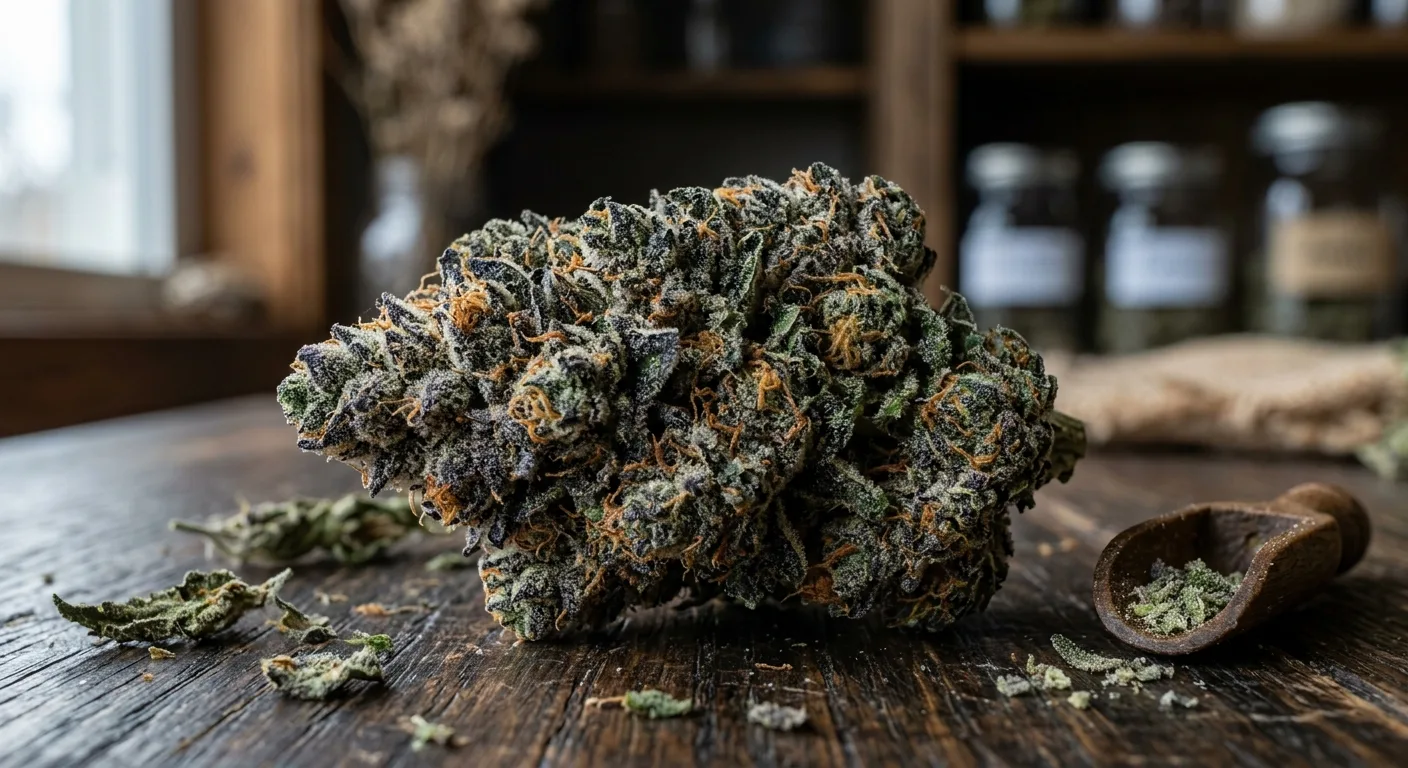
When a strain carries a name as bold as Blue Fin Tuna Kush, you know you're in for something special. This isn't just marketing hype,this indica-dominant powerhouse has earned its place as one of UperWeed's best-selling strains for good reason. With a reputation for delivering knockout relaxation and a flavour profile that lives up to its oceanic name, Blue Fin Tuna Kush has become the go-to choice for Ottawa cannabis consumers who demand quality, potency, and consistency. Whether you're battling chronic pain, struggling with insomnia, or simply looking for that deep, full-body relaxation that only premium indica can deliver, this strain has built a loyal following across Canada's capital region and beyond.
In this comprehensive guide, we'll dive deep into everything that makes Blue Fin Tuna Kush a best-seller worth your attention. From its genetic lineage and cannabinoid profile to its distinctive terpene makeup and real-world effects, you'll discover exactly why experienced cannabis users keep coming back to this strain. We'll break down the flavour experience, explore the ideal consumption methods, and help you understand whether this potent indica deserves a spot in your regular rotation.
The Genetic Lineage Behind Blue Fin Tuna Kush
Understanding a strain's genetics helps explain why it performs the way it does. Blue Fin Tuna Kush descends from two legendary parent strains that have shaped modern cannabis culture: Tuna Kush and Blueberry. This genetic combination wasn't accidental,it was a deliberate breeding decision designed to marry the heavy-hitting sedative qualities of Tuna Kush with the sweet, fruity aromatics of Blueberry genetics.
Tuna Kush, the primary parent, comes from British Columbia's underground breeding scene and has built a cult following for its pungent, fuel-like aroma and devastating potency. Known for its ability to deliver instant couch-lock and deep physical relaxation, Tuna Kush genetics provide the backbone of Blue Fin Tuna's therapeutic effects. The "tuna" descriptor refers to the strain's distinctively strong, almost overwhelming aroma,something that divides cannabis consumers into two camps: those who love the intensity and those who find it too much.
The Blueberry lineage softens some of Tuna Kush's harsher edges while adding complexity to the flavour profile. DJ Short's legendary Blueberry genetics have been used in countless breeding projects since the 1970s, prized for introducing sweet, fruity notes and enhancing bag appeal with purple and blue hues. In Blue Fin Tuna Kush, these genetics manifest as subtle berry undertones that balance the diesel-forward terpene profile.
Indica Dominance and What It Means for Effects
Blue Fin Tuna Kush typically tests at approximately 80% indica and 20% sativa, placing it firmly in the heavy indica category. This genetic makeup translates directly to the effects you'll experience: expect predominantly physical relaxation rather than cerebral stimulation. The small sativa contribution provides just enough mental clarity to prevent complete sedation during the initial onset, but make no mistake,this strain's ultimate destination is deep, full-body relaxation.
For consumers new to cannabis or those more familiar with balanced hybrids, this level of indica dominance requires respect. The effects can be significantly more sedating than what you might experience with 50/50 hybrids or sativa-leaning strains. If you're someone who appreciates knockout indica experiences like Purple Punch, Blue Fin Tuna Kush will feel right at home in your rotation.
THC Percentage and Cannabinoid Profile
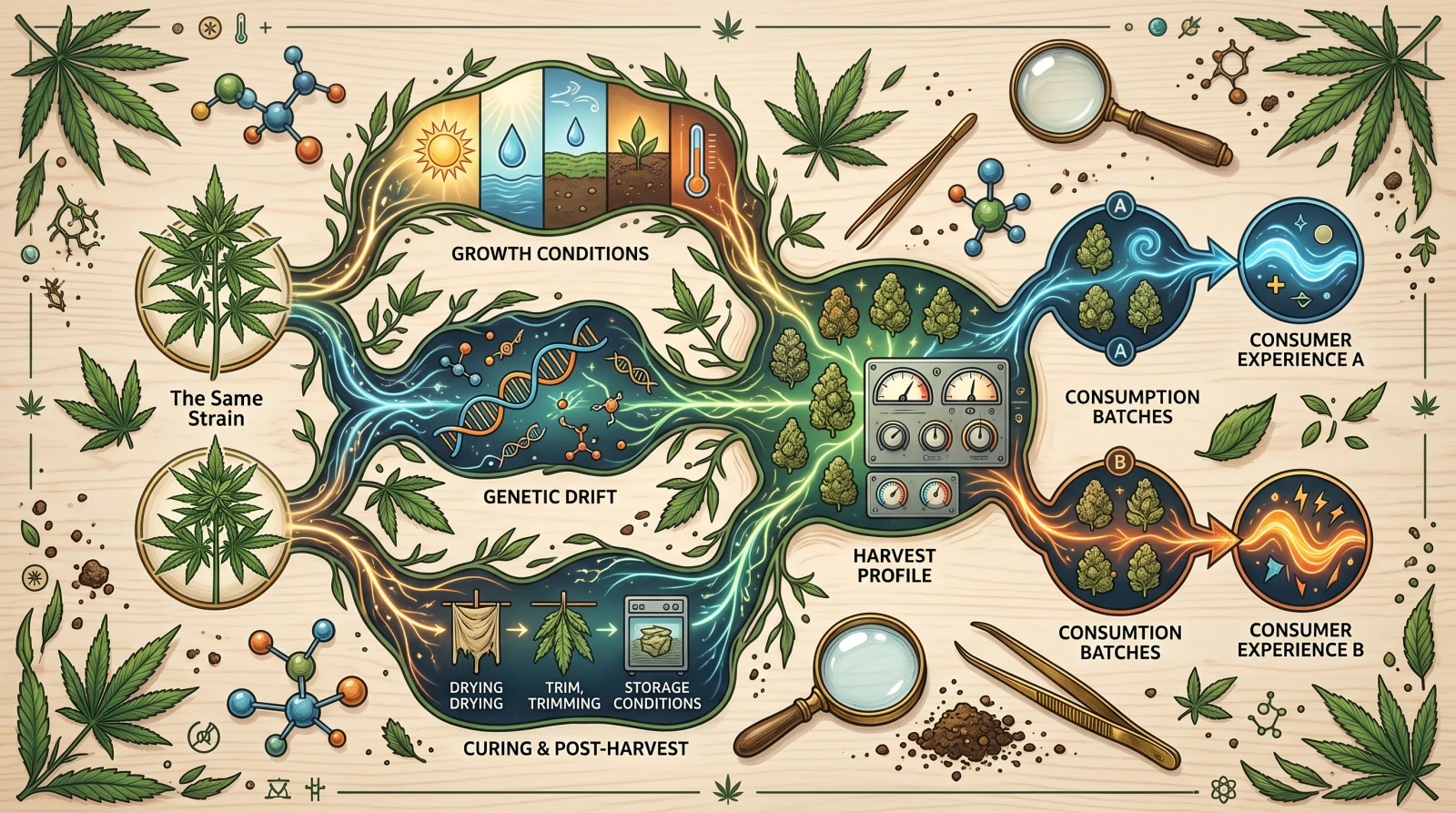
Potency matters, and Blue Fin Tuna Kush delivers in this department. While exact THC percentages can vary slightly between batches due to growing conditions and phenotype variation, this strain consistently tests in the high range,typically between 22-26% THC. This places it well above average for cannabis flower and firmly in the "high potency" category that experienced consumers seek out.
For context, Health Canada data shows that the average THC content of legal cannabis flower sold in Canada sits around 15-18%. Blue Fin Tuna Kush's numbers put it significantly above this baseline, which explains both its popularity among veterans and why beginners should approach with caution. These aren't theoretical numbers,they translate to real-world effects that can be intense for those without established tolerance.
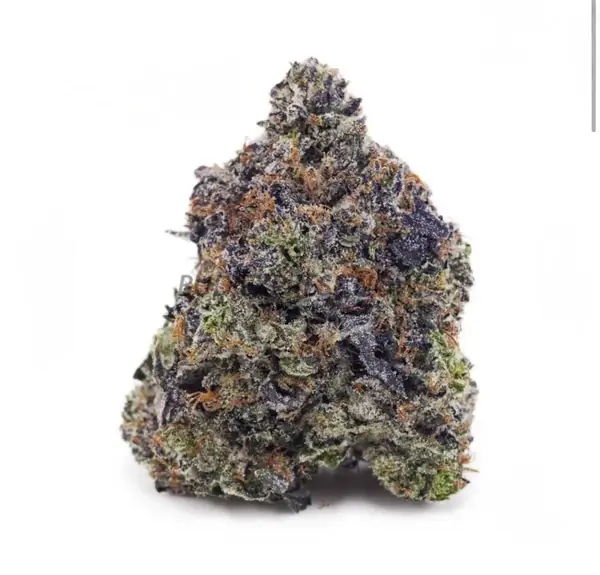
Blue Fin Tuna Kush
Premium indica-dominant hybrid (34.15% THC) with powerful sedation and unique blueberry...
The cannabinoid profile extends beyond just THC, though that's certainly the star of the show. Like most modern cannabis strains, Blue Fin Tuna Kush contains minimal CBD (typically under 1%), which means the psychoactive effects come through clearly without the modulating influence that higher CBD ratios provide. This makes it a pure THC experience designed for consumers who want the full spectrum of indica effects without dampening.
Understanding Potency in Practical Terms
What does 22-26% THC actually mean for your session? If you're accustomed to strains in the 15-18% range, you're looking at approximately 30-40% more THC per gram of flower. This difference becomes especially pronounced when smoking or vaping, where dosing precision can be challenging. A typical joint of Blue Fin Tuna Kush will deliver significantly more cannabinoids than the same size joint of average-potency flower.
For consumers who've built tolerance through regular use, this potency level hits the sweet spot,strong enough to deliver desired effects without requiring excessive consumption. For occasional users or those new to cannabis, the recommendation is straightforward: start with significantly less than you think you need. A single small bowl or a few puffs from a joint provides plenty of material to assess your response before committing to more.
Terpene Profile and Flavour Experience
The aroma and flavour of Blue Fin Tuna Kush tell a complex story that unfolds in layers. The dominant terpene is myrcene, which contributes to both the strain's sedative effects and its earthy, musky base notes. Myrcene is the most common terpene in cannabis and the one most strongly associated with the classic "couch-lock" effect that indica lovers seek. In Blue Fin Tuna Kush, myrcene levels typically test high, reinforcing the strain's relaxing properties.
Caryophyllene provides the second major terpene contribution, adding peppery, spicy notes and potentially contributing to the strain's pain-relieving properties. This terpene is unique in that it can interact with CB2 receptors in the endocannabinoid system, which may explain why many users report significant relief from inflammation and physical discomfort. The caryophyllene presence gives Blue Fin Tuna Kush a slight bite on the exhale,not harsh, but definitely noticeable.
Pinene rounds out the primary terpene trio, contributing fresh, piney notes that cut through the heavier base aromatics. This terpene may also help counteract some of the short-term memory impairment that high-THC strains can cause, though this effect is subtle. The pinene content in Blue Fin Tuna Kush isn't overwhelming, but it adds complexity and prevents the flavour profile from becoming one-dimensional.
What to Expect When You Open the Jar
The first impression of Blue Fin Tuna Kush is bold,there's no subtle introduction here. You'll immediately notice the strain's signature "tuna" aroma: a pungent, fuel-like scent with earthy undertones and hints of skunk. This intensity comes from the high terpene content and is actually a quality indicator. Weak or hay-like aromas suggest degraded terpenes, while Blue Fin Tuna's powerful nose indicates fresh, properly cured flower.
As the initial impact settles, secondary notes emerge. Sweet berry undertones from the Blueberry genetics provide contrast to the diesel-forward primary aroma. Some users detect slight citrus notes, while others pick up on coffee or chocolate nuances,terpene perception varies between individuals based on genetics and experience. The overall impression balances intensity with complexity, avoiding the one-note profiles that characterize lower-quality strains.
The flavour experience when smoking or vaping largely mirrors the aroma but with some differences. The initial inhale brings forward the earthy, diesel notes, while the exhale reveals more of the sweet, berry characteristics. The smoke is typically smooth for a high-potency strain, though proper curing and storage make significant differences here. If you're interested in maximizing flavour and smoothness, understanding proper cannabis storage techniques becomes essential.
Effects Timeline: What to Expect from Blue Fin Tuna Kush
The effects of Blue Fin Tuna Kush follow a predictable progression that most users find intensely pleasurable, especially when seeking deep relaxation or preparing for sleep. Understanding this timeline helps you plan consumption around your schedule and intentions.
Onset: The First 5-10 Minutes
Within the first few minutes after consuming Blue Fin Tuna Kush, you'll notice the initial cerebral effects. Despite being an indica-dominant strain, there's a brief period of mental clarity and mild euphoria that precedes the heavier physical effects. Some users report enhanced sensory perception during this window,music sounds richer, colours appear more vivid, and taste becomes more pronounced. This makes the onset phase an excellent time for activities you want to enhance before the sedation takes hold.
The head high isn't racy or anxiety-inducing like some sativa strains can be. Instead, it manifests as gentle mental relaxation and a softening of stressful thoughts. For consumers dealing with racing minds or anxiety, this initial phase often provides the first wave of relief. The psychoactive effects are definitely present,this isn't CBD flower,but they lean toward peaceful rather than paranoid.
Peak Effects: 15-45 Minutes After Consumption
The true character of Blue Fin Tuna Kush reveals itself during the peak phase. Physical relaxation intensifies significantly, spreading from the head and neck down through the shoulders, back, and limbs. This is the "body melt" that indica enthusiasts crave,a sensation of muscles loosening, tension dissolving, and gravity becoming somehow more insistent. If you're standing when peak effects hit, you'll likely feel a strong desire to sit or lie down.
Pain relief becomes most pronounced during this window. Users managing chronic pain, muscle spasms, arthritis, or injury-related discomfort often report significant reduction in symptoms. The analgesic effects appear to work on multiple levels: reducing the pain signals themselves, decreasing inflammation, and diminishing the mental distress that chronic pain causes. This makes Blue Fin Tuna Kush particularly valuable for evening use when daytime pain management strategies have worn thin.
Appetite stimulation typically peaks during this phase as well. The "munchies" are real and can be intense, so having healthy snacks prepared before consumption is wise. Many users find this effect beneficial for managing conditions that suppress appetite, though recreational users should be mindful of unconscious overeating.
Duration and Comedown
The peak effects of Blue Fin Tuna Kush typically last 2-3 hours when smoked or vaped, though individual metabolism, tolerance, and consumption method all influence duration. The comedown is generally gentle,there's no harsh crash or rebound anxiety that some strains produce. Instead, you'll notice a gradual softening of effects, with physical relaxation persisting longer than the psychoactive head high.
Many users report feeling pleasantly sleepy as effects wane, which makes Blue Fin Tuna Kush an excellent pre-bedtime strain. The transition into sleep feels natural rather than forced, and many consumers report improved sleep quality with fewer interruptions throughout the night. For those managing insomnia, this strain's sedative properties often prove more effective than milder alternatives.
Best Consumption Methods for Blue Fin Tuna Kush
How you consume Blue Fin Tuna Kush significantly impacts the experience you'll have. Each method offers distinct advantages and considerations worth understanding before you make your choice.
Smoking Traditional Joints or Pipes
Smoking remains the most popular consumption method for cannabis flower, and Blue Fin Tuna Kush performs excellently in this format. The strain's robust terpene profile survives combustion better than more delicate strains, delivering satisfying flavour even through a simple joint or bowl. The effects onset is quick,typically within 2-5 minutes,which makes dosing more controllable than edibles or some other methods.
For rolling, Blue Fin Tuna Kush grinds beautifully due to its proper moisture content when fresh. The flower is sticky with resin but not so wet that it's difficult to work with. A medium grind works best for joints, while a slightly coarser grind suits pipes and bongs. If you're looking to elevate your rolling experience, quality accessories make a real difference,check out our guide on essential cannabis tools and grinders for recommendations.
Vapourizing for Flavour and Efficiency
Dry herb vapourizers offer arguably the best way to experience Blue Fin Tuna Kush's complex terpene profile. Vapourization heats cannabis to temperatures that release cannabinoids and terpenes without combusting the plant material, resulting in cleaner flavour and potentially less respiratory irritation. Temperature control lets you target specific terpenes,lower temps (160-180°C) emphasize the lighter, fruitier notes, while higher temps (190-210°C) extract the heavier, sedative compounds more fully.
The effects from vapourizing tend to be slightly clearer and more cerebral compared to smoking, though this is subjective. Many users report that vapourizing uses less flower to achieve comparable effects, making it more economical long-term despite the initial device investment. For a strain as potent as Blue Fin Tuna Kush, this efficiency can translate to meaningful savings over time.
When to Avoid Edibles with This Strain
While you can certainly make edibles from Blue Fin Tuna Kush, it's generally not the optimal use of this particular flower. Edibles process through the liver and convert THC to 11-hydroxy-THC, which produces significantly more sedating effects than smoked or vaped cannabis. Given that Blue Fin Tuna Kush already leans heavily sedative, converting it to edibles may produce effects that are more intense than most users desire,unless your specific goal is maximum sedation for severe insomnia or pain management.
If you're interested in cannabis edibles, purpose-made products from reputable manufacturers offer more predictable dosing and effects. The investment of time and quality flower required to make homemade edibles often doesn't make economic sense unless you're processing trim or lower-grade material.
Medical Applications and Therapeutic Benefits
Blue Fin Tuna Kush's popularity extends well beyond recreational use,many medical cannabis patients rely on this strain for managing specific conditions. While cannabis remains a personal experience with effects varying between individuals, consistent patterns emerge among users managing particular health challenges.
Chronic Pain Management
The most commonly reported medical application for Blue Fin Tuna Kush involves pain relief. The high THC content combined with significant levels of pain-relieving terpenes like myrcene and caryophyllene creates synergistic analgesic effects. Patients managing conditions like fibromyalgia, arthritis, back pain, and nerve damage often report meaningful relief that lasts several hours per dose.
The strain's ability to reduce both the physical sensation of pain and the mental distress it causes makes it particularly valuable for chronic conditions where pain impacts quality of life. Many patients find that Blue Fin Tuna Kush allows them to reduce or temporarily discontinue other pain medications, though any changes to medication regimens should always involve healthcare provider consultation.
Insomnia and Sleep Disorders
If you struggle with falling asleep or staying asleep, Blue Fin Tuna Kush may offer the relief you've been seeking. The strain's sedative properties help quiet racing thoughts, relax tense muscles, and create the physical and mental conditions conducive to sleep. Unlike some sleep aids that force unconsciousness, Blue Fin Tuna Kush tends to facilitate natural sleep onset,you'll feel increasingly drowsy and naturally transition into sleep when you're ready.
Many users report fewer sleep interruptions and deeper, more restorative sleep cycles when using this strain before bed. The effects typically last long enough to carry you through the initial sleep cycles, and the lack of harsh comedown means you won't experience rebound wakefulness in the middle of the night.
Anxiety and Stress Relief
While high-THC strains can sometimes trigger anxiety in susceptible individuals, Blue Fin Tuna Kush's indica-dominant profile generally produces the opposite effect. The physical relaxation and mental calm it delivers can provide significant relief from generalized anxiety, social anxiety, and stress-related tension. The key is appropriate dosing,starting low allows you to find the sweet spot where anxiety dissolves without tipping into overwhelming psychoactive effects.
For those dealing with stress-related physical symptoms like tension headaches, muscle tightness, or digestive issues, the strain's comprehensive relaxation effects often address multiple symptoms simultaneously. This makes it particularly valuable for end-of-day decompression after stressful work or difficult life circumstances. Understanding your THC tolerance levels becomes crucial for optimizing therapeutic benefits while minimizing unwanted side effects.
Why Blue Fin Tuna Kush Earns Best-Seller Status
In a crowded market with hundreds of strains available, what makes Blue Fin Tuna Kush stand out enough to consistently earn best-seller recognition? The answer involves several converging factors that create a compelling value proposition for Ottawa cannabis consumers.
Consistency Across Batches
One of the most frustrating experiences in cannabis purchasing is finding a strain you love, only to have the next batch deliver completely different effects. Blue Fin Tuna Kush has built its reputation partly on batch-to-batch consistency. When properly sourced from quality growers who maintain stable genetics and professional cultivation practices, this strain delivers predictable results that users can depend on.
This consistency matters enormously for medical patients who rely on specific effects for symptom management. Recreational users benefit as well,you can confidently purchase Blue Fin Tuna Kush knowing what experience awaits, rather than gambling on whether this batch will match the last one. For consumers concerned about quality and consistency, choosing established strains from reputable sources represents smart shopping.
Value Proposition and Market Positioning
Premium cannabis doesn't always require premium pricing, and Blue Fin Tuna Kush occupies an attractive market position. The strain delivers high-potency, craft-quality flower at prices that make regular use economically feasible for most consumers. When you calculate cost per milligram of THC or cost per session, Blue Fin Tuna Kush often outperforms both cheaper low-potency options and more expensive boutique strains.
This value equation becomes especially compelling when you consider that higher potency means you need less flower to achieve desired effects. A gram of 25% THC Blue Fin Tuna Kush delivers significantly more cannabinoids than a gram of 15% THC budget flower, meaning the per-session cost may actually be lower despite higher per-gram pricing. For consumers who want to buy smart without sacrificing quality, understanding these economics transforms purchasing decisions.
Versatility for Different User Needs
While Blue Fin Tuna Kush is undeniably an evening strain best suited for relaxation and sleep, its versatility extends across multiple use cases. Medical patients find reliable symptom relief. Recreational users enjoy deep relaxation and stress reduction. Creative types occasionally report that the initial cerebral phase before heavy sedation sets in provides interesting headspace for music appreciation or artistic pursuits (though productivity-focused activities are better served by other strains).
This versatility means Blue Fin Tuna Kush appeals to a broad user base rather than serving only narrow niche applications. Whether you're managing chronic pain, battling insomnia, seeking weekend relaxation, or simply enjoying quality cannabis, this strain delivers. That broad appeal translates directly into sales volume and best-seller status.
Dosing Guidelines and Consumption Tips
Getting your dosage right makes the difference between an excellent experience and an overwhelming one, especially with a high-potency strain like Blue Fin Tuna Kush. These guidelines help optimize your sessions while minimizing unwanted side effects.
For Beginners and Low-Tolerance Users
If you're new to cannabis or haven't consumed in several months, Blue Fin Tuna Kush requires respect. Start with litreally one or two small puffs from a joint or vapourizer, then wait 15-20 minutes before considering more. The effects build gradually, and what feels mild at minute five can become intense by minute twenty. Many first-time users make the mistake of consuming too much too quickly because they don't feel immediate effects,patience prevents this common error.
A threshold dose for someone with no tolerance might be 2-5mg of THC, which translates to approximately 0.02-0.04 grams of 25% THC flower. That's genuinely a tiny amount,the size of a grain of rice or less. While experienced users might laugh at such caution, these conservative doses allow newcomers to assess their response without risk of overwhelming psychoactive effects. You can always consume more, but you can't unconsumed what you've already taken.
For Regular Users with Established Tolerance
If you consume cannabis daily or several times weekly, your dosing sweet spot will be significantly higher. Most regular users find that 0.1-0.3 grams of Blue Fin Tuna Kush per session delivers desired effects without excessive sedation. This might translate to a small joint, one or two moderate bowl packs, or several vapourizer sessions depending on your device and consumption style.
Tolerance management becomes important for regular users who want to maintain effects without constantly increasing consumption. Taking occasional tolerance breaks, even just a day or two per week, can help reset receptor sensitivity and keep your dosing requirements from escalating indefinitely. The inconvenience of brief breaks pays dividends in maintained effectiveness and reduced consumption costs.
Timing Your Sessions
When you consume Blue Fin Tuna Kush matters as much as how much you consume. Given its sedative properties, evening and nighttime use makes the most sense for most people. Consuming this strain before work, driving, or activities requiring alertness and coordination is inadvisable and potentially dangerous. Plan for at least 3-4 hours of downtime after consumption, and have your evening obligations completed before your session begins.
The classic mistake is consuming too close to an actual obligation or bedtime target. If you need to be asleep by 11 PM for a morning commitment, consuming Blue Fin Tuna Kush at 10:45 PM doesn't allow adequate time for effects to manifest and guide you into natural sleep. Starting your session 1-2 hours before desired sleep time gives the strain room to work while you wind down naturally.
[