
 %
%
 %
%
You've found your perfect strain. The one that makes evenings better, eases your stress, or helps you sleep like a baby. For a few weeks, maybe even months, it's magic. Then, almost overnight, the magic fades. You're using the same product from the same supplier, but suddenly you need twice as much to feel half the effect. Welcome to THC tolerance, the invisible wall every regular cannabis user eventually hits.
Understanding why cannabis affects you differently over time isn't just about saving money on weed, though that's certainly a benefit. It's about using cannabis sustainably, effectively, and safely for the long term. Whether you're a medical user who depends on consistent relief or a recreational consumer who wants their Saturday night sessions to stay special, learning how your body adapts to THC is essential knowledge. In this comprehensive guide, we'll break down the science of cannabis tolerance, explain why your go-to strain loses its punch, and give you practical strategies to reset your system or adjust your approach without taking a month-long break.
The Science Behind THC Tolerance: What's Actually Happening in Your Brain
THC tolerance isn't some mysterious curse or a sign that you've been sold inferior product. It's a completely predictable biological process that happens when you consume THC regularly. To understand it, you need to know a bit about how THC works in the first place.
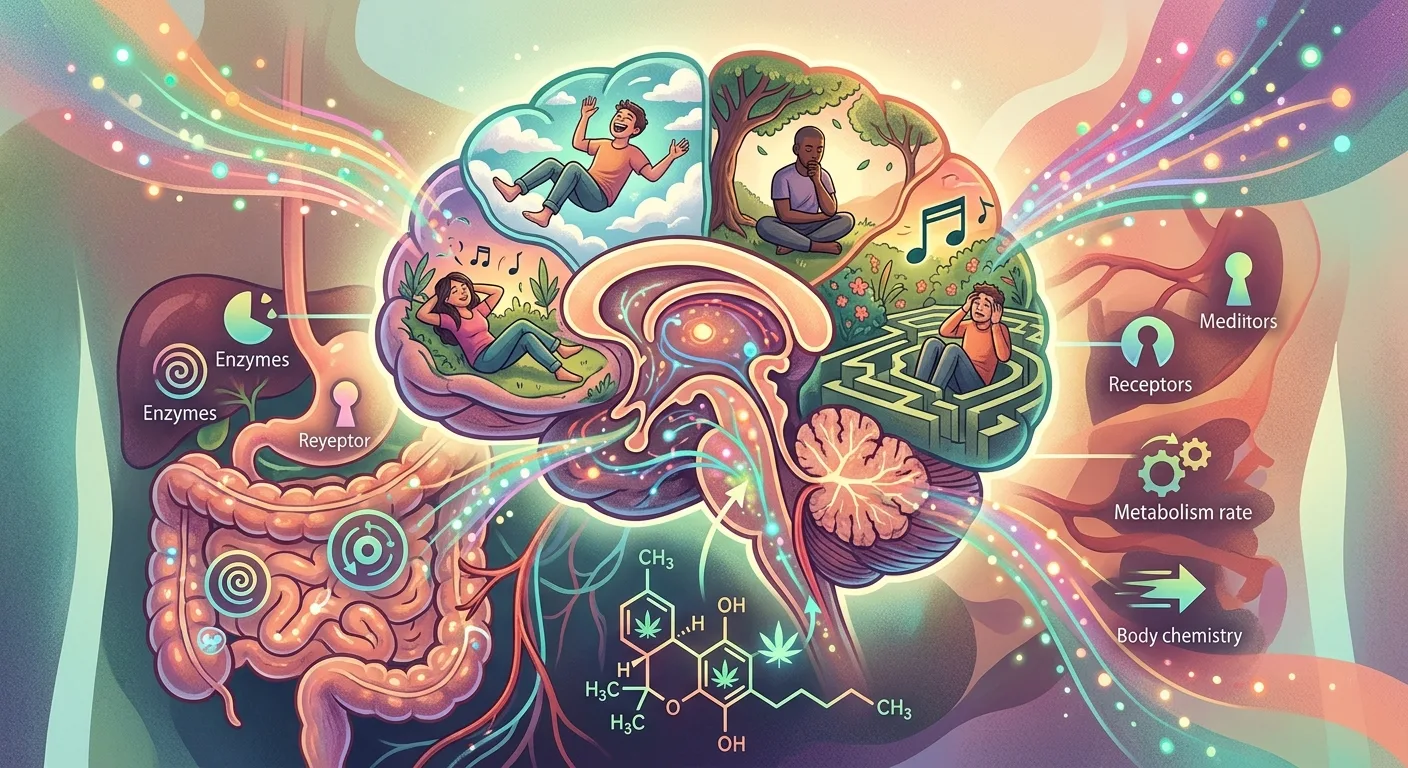
When you consume cannabis, THC molecules travel through your bloodstream and eventually reach your brain. There, they bind to CB1 receptors, which are part of your endocannabinoid system. These receptors are scattered throughout your brain and nervous system, and when THC activates them, you experience the familiar effects: euphoria, relaxation, altered perception, increased appetite, and so on.
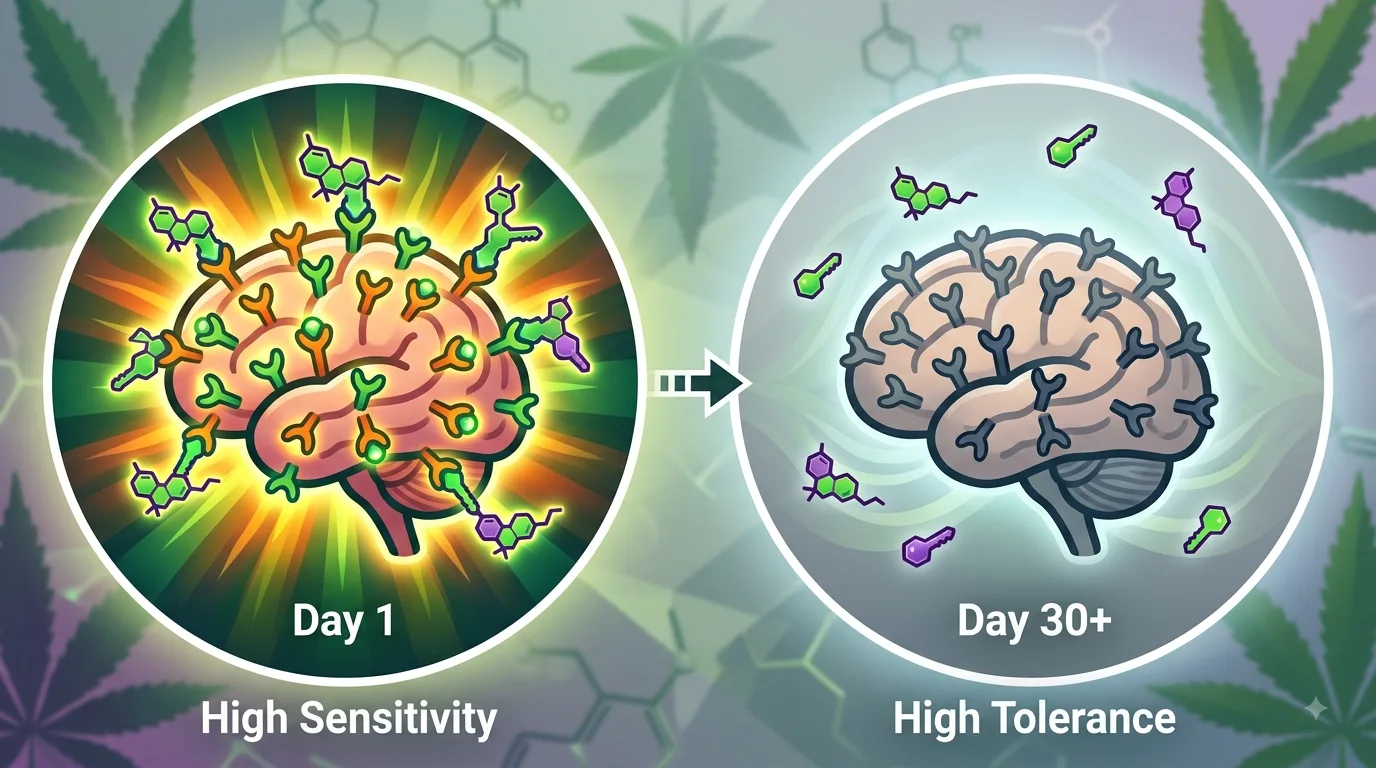
Here's where tolerance kicks in. Your brain is remarkably adaptive. When it notices that CB1 receptors are being activated frequently and intensely by external cannabinoids (THC), it responds by downregulating those receptors. In plain English, your brain reduces the number of available CB1 receptors and makes the remaining ones less sensitive to stimulation. It's your brain's way of maintaining homeostasis, the balanced state it's always trying to preserve.
Research published in the journal Biological Psychiatry found that daily cannabis users showed approximately 20% fewer available CB1 receptors compared to non-users. The good news? This process is reversible. Studies show that after about four weeks of abstinence, CB1 receptor density returns to baseline levels in most users.
But tolerance isn't just about receptor quantity. It's also about receptor sensitivity. Even when receptors are present, repeated THC exposure can make them less responsive to cannabinoid signaling. Think of it like hearing the same loud noise every day: eventually, you stop jumping at the sound. Your auditory system hasn't changed, but your reaction has. The same principle applies to your CB1 receptors and THC.
Different Tolerance Types: Cross-Tolerance and Selective Tolerance
Not all tolerance is created equal. Cross-tolerance occurs when your tolerance to THC extends to other cannabinoids that work on the same receptors. If you've built up a tolerance to THC, you'll likely need higher doses of other CB1 agonists to feel similar effects.
Selective tolerance is more interesting. Some effects of cannabis develop tolerance faster than others. Users often report that the euphoric "high" diminishes quickly with regular use, while therapeutic benefits like pain relief or sleep aid remain relatively stable. This happens because different effects involve different receptor systems and brain regions. The cognitive and psychoactive effects tend to develop tolerance faster than the analgesic or anti-inflammatory properties.
Why Your Favourite Strain Doesn't Hit the Same Anymore
You've been buying the same Pink Death Star for months. The first few times, two puffs had you exactly where you wanted to be. Now you're going through twice as much in half the time, wondering if your dealer switched suppliers or if you're just imagining things. You're not imagining it, and it's probably not the product that changed. It's you.
When you use the same strain repeatedly, your body becomes specifically adapted to that cannabinoid profile. Each strain has a unique combination of THC, CBD, minor cannabinoids, and terpenes. Your endocannabinoid system learns this specific chemical signature and adjusts accordingly. This is why rotating strains, a strategy we'll discuss later, can be so effective.
The speed at which tolerance develops depends on several factors. Frequency of use is the most obvious: daily users develop tolerance much faster than weekend users. Dosage matters too. Taking large doses accelerates tolerance development compared to microdosing. Your method of consumption also plays a role. Smoking or vaping, which deliver THC quickly to the brain in high concentrations, tend to build tolerance faster than edibles, which provide a slower, more gradual cannabinoid release.
Individual biology is hugely variable. Some people seem to develop tolerance rapidly, while others maintain sensitivity for much longer on the same regimen. Genetics, metabolism, overall health, and even stress levels can influence how quickly your endocannabinoid system adapts to regular THC exposure.
There's also a psychological component that's often overlooked. Part of what makes a strain special the first few times isn't just the cannabinoids, it's the novelty and the set and setting. The ritual of trying something new, the anticipation, the fresh experience, all contribute to the overall effect. When a strain becomes routine, you lose that psychological boost even if the pharmacological effects remain consistent.
The Role of THC Potency in Tolerance Development
Many users assume that switching to higher-potency products is the solution when tolerance builds. This is exactly backward. High-THC products, especially concentrates and potent edibles, accelerate tolerance development significantly. If you're regularly consuming products with 80%+ THC, your CB1 receptors downregulate much faster than if you stick with flower in the 15-25% THC range.
The cannabis industry's race to ever-higher THC percentages has created a tolerance trap for many consumers. You start with a 20% strain, build tolerance, switch to a 28% strain, build more tolerance, then move to concentrates, and suddenly you need dabs to feel anything at all. This escalation pattern is unsustainable both financially and physiologically. Understanding this cycle is the first step to breaking it.
Tolerance Breaks: How Long Do You Really Need to Reset?
The classic advice is to take a 30-day tolerance break, or "T-break" in cannabis community parlance. This recommendation is based on solid science: studies show that CB1 receptor density returns to baseline after approximately four weeks of abstinence. But here's what the research doesn't always make clear: you don't need a full month to see significant improvements in your cannabis sensitivity.
A study from the University of Vermont followed daily cannabis users through a tolerance break and measured their CB1 receptor availability at different intervals. Researchers found that the most dramatic receptor recovery happened in the first week. After just two days of abstinence, users began showing measurable increases in receptor availability. By day seven, receptor density had improved substantially, though not yet back to baseline.
This means that even a short break can restore significant sensitivity. A three-day weekend off cannabis can make a noticeable difference. A full week will reset your tolerance substantially. Two weeks gets you most of the way to baseline. The full 30 days is ideal, but if that's not realistic for you, shorter breaks still provide meaningful benefits.
The key is consistency during your break. Half-measures don't work. Using "just a little" on day three of a planned week-long break essentially resets your progress to zero. Your brain needs sustained absence of THC to begin the receptor upregulation process. Even small amounts of cannabis consumption interrupt this recovery.
Making Tolerance Breaks More Manageable
For many people, especially medical users who rely on cannabis for symptom management, the prospect of a tolerance break is daunting. Here are strategies to make it more manageable and effective.
First, plan your break strategically. Choose a period when you have fewer stressors and obligations. A vacation week, a long weekend, or a quieter season at work can make abstinence easier. Avoid planning breaks during high-stress periods when you'd normally lean on cannabis most.
Second, prepare alternatives for the benefits cannabis provides you. If you use it for sleep, have other sleep hygiene strategies ready: melatonin, chamomile tea, a solid bedtime routine, reduced screen time. If you use it for anxiety, learn breathing exercises, try meditation apps, or increase your exercise routine temporarily. If it's for pain management, discuss temporary alternatives with your healthcare provider.
Third, replace the ritual, not just the substance. If you have a habit of smoking after work, you need a new after-work ritual. A walk, a specific tea, a particular TV show, something to fill that psychological space. The habitual aspect of cannabis use is powerful, and leaving a void makes breaks much harder.
Some users find success with CBD during tolerance breaks. While CBD doesn't provide the psychoactive effects of THC, it can help with anxiety, sleep, and inflammation. It won't interrupt your THC tolerance reset because it works through different mechanisms. CBD can be a valuable bridge during a T-break, providing some therapeutic benefits while your CB1 receptors recover.
Dosing Adjustment Strategies: Working Smarter Instead of Harder
Tolerance breaks aren't the only solution. If you're not ready for complete abstinence, strategic dosing adjustments can help you maintain cannabis effectiveness while managing tolerance development. These approaches are particularly valuable for medical users who can't simply stop using cannabis.
Microdosing: Less Is Often More
Microdosing is the practice of using small, sub-perceptual or minimally perceptual doses of cannabis throughout the day instead of larger, infrequent doses. For many users, this approach slows tolerance development dramatically while providing consistent therapeutic benefits.
The principle is simple: lower doses activate your CB1 receptors without overwhelming them. This gentler stimulation doesn't trigger the same aggressive downregulation response that high doses do. Many medical cannabis patients report better symptom management with microdosing than they experienced with traditional dosing approaches.
A typical microdosing regimen might involve 2.5-5mg of THC per dose, taken 2-3 times daily, instead of one 25mg dose in the evening. For flower users, this might mean a single small puff rather than a full bowl. The goal is to find the minimum effective dose, the smallest amount that provides the benefit you're seeking. Anything beyond that is excess that accelerates tolerance without proportional benefit.
Products designed for precise dosing make microdosing easier. THC beverages with clearly labelled cannabinoid content, low-dose gummies, or measured vape pens allow for controlled microdosing. Traditional flower can work too, but requires more careful attention to portion control.
Strain Rotation: Keep Your Endocannabinoid System Guessing
Remember how we discussed that your body adapts to specific cannabinoid profiles? Rotating between different strains with varying terpene and cannabinoid compositions can significantly slow tolerance development to any single profile.
The strategy is straightforward: instead of buying an ounce of one strain and using it exclusively, buy quarters of four different strains and rotate between them. Use an indica like
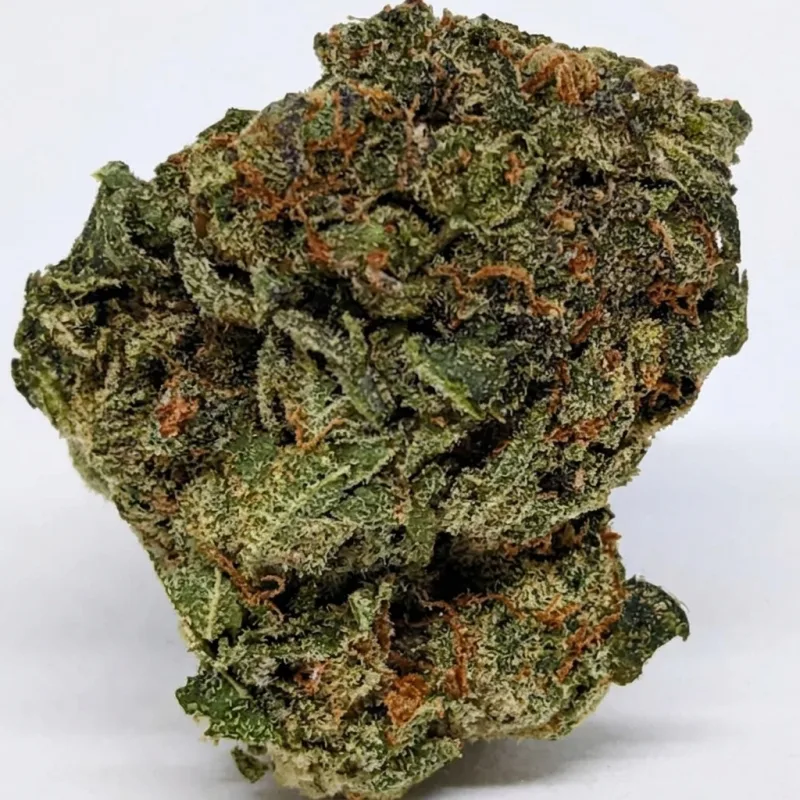
Platinum Bubba Kush
Luxurious AAAAA+ indica hybrid (33.28% THC) with platinum-coated buds, earthy hash flav...
for a few days, switch to a hybrid, then a sativa, then back to a different indica. Your endocannabinoid system doesn't develop the same specific adaptation when the chemical inputs keep changing.
Pay attention to cannabinoid ratios as well as strain genetics. Alternating between high-THC strains and balanced THC:CBD strains provides variation in receptor activation patterns. CBD actually modulates CB1 receptor activity differently than THC alone, so balanced strains work through somewhat different mechanisms. This variation helps preserve your sensitivity to pure THC strains.
Terpene profiles matter more than many users realize. Different terpenes interact with cannabinoids through the entourage effect, creating distinct experiential profiles. A myrcene-dominant strain feels different from a limonene-dominant one, even at similar THC levels. By rotating strains with different terpene profiles, you're essentially giving different aspects of your endocannabinoid system different work to do, preventing any one pathway from becoming overly downregulated.
Consumption Method Variation
Varying your consumption method is another effective tolerance management strategy. Different methods deliver cannabinoids with different pharmacokinetic profiles, onset times, peak concentrations, and durations. This variation can help manage tolerance development.
If you primarily smoke flower, occasionally switching to edibles gives your respiratory CB1 receptors a break while still providing systemic cannabinoid exposure. If you usually vape concentrates, switching to flower provides lower peak THC concentrations. Alternating between inhalation and ingestion methods creates variation in how and when THC reaches your CB1 receptors.
This doesn't mean you need to master every consumption method. But having two or three methods in your rotation, used on different days or for different purposes, creates helpful variation. You might vape during the week for quick relief, use edibles on weekends for longer-lasting effects, and occasionally use flower for the full-spectrum experience. This variety keeps your endocannabinoid system from fully adapting to any single input pattern.
Advanced Strategies: Supplements, Timing, and Lifestyle Factors
Beyond the basics of tolerance breaks and dosing adjustments, several advanced strategies can help you manage tolerance more effectively. These approaches combine cannabis use with other interventions that support your endocannabinoid system or modify how your body processes THC.
Exercise and Endocannabinoid System Health
Regular exercise, particularly cardiovascular exercise, has been shown to increase endocannabinoid system sensitivity and even increase natural endocannabinoid production. The "runner's high" is partially mediated by endocannabinoids, particularly anandamide. When you exercise regularly, you're training your endocannabinoid system to function more efficiently.
Interestingly, exercise during a tolerance break can accelerate the receptor recovery process. Physical activity appears to promote CB1 receptor upregulation, making your tolerance break more effective. Exercise also helps manage many of the symptoms that people use cannabis to treat, anxiety, poor sleep, pain, making tolerance breaks easier to tolerate.
There's also evidence that the timing of cannabis use relative to exercise matters. Some users report that using cannabis post-workout provides enhanced effects compared to sedentary consumption. This might be because exercise temporarily increases endocannabinoid system activity, creating a window of enhanced sensitivity.
Omega-3 Fatty Acids and CB1 Receptor Density
Emerging research suggests that omega-3 fatty acid supplementation may support healthy CB1 receptor density and function. The endocannabinoid system and omega-3 metabolism are closely linked at a biochemical level. CB1 receptors are embedded in cell membranes, and the composition of those membranes, particularly their omega-3 content, affects receptor function.
While more research is needed, some cannabis users report that supplementing with high-quality fish oil or algae-based omega-3s helps them maintain sensitivity to cannabis. The mechanism likely involves supporting overall cell membrane health, which indirectly supports receptor function. Typical supplementation is 1-2 grams of combined EPA and DHA daily, though you should consult a healthcare provider before starting any supplement regimen.
Sleep, Stress, and Tolerance Interaction
Your sleep quality and stress levels significantly influence how your endocannabinoid system functions and how you experience cannabis. Chronic stress and poor sleep both dysregulate the endocannabinoid system, potentially accelerating tolerance development and reducing the effectiveness of cannabis.
When you're sleep-deprived, your endocannabinoid tone is altered. Some users report that cannabis feels less effective when they're running on poor sleep, even with no change in tolerance or dosage. Prioritizing sleep hygiene, maintaining consistent sleep schedules, and addressing sleep disorders can help maintain your sensitivity to cannabis.
Chronic stress elevates cortisol and other stress hormones that interact with the endocannabinoid system. Some research suggests that chronic stress can accelerate CB1 receptor downregulation, essentially creating a tolerance-like state even without increased cannabis use. Managing stress through exercise, meditation, therapy, or lifestyle changes supports your endocannabinoid system function and may help preserve cannabis sensitivity.
The Role of CBD in Managing THC Tolerance
CBD's relationship with THC tolerance is complex and not fully understood, but there's growing evidence that strategic CBD use can help modulate tolerance. CBD doesn't bind directly to CB1 receptors the way THC does. Instead, it acts as a negative allosteric modulator, meaning it changes the shape of the CB1 receptor in ways that make it less responsive to THC.
This might sound like it would worsen tolerance, but the effect is more nuanced. By slightly reducing CB1 activation, CBD may help prevent the aggressive downregulation that occurs with pure THC products. Some users report that regularly incorporating CBD into their cannabis routine, either through balanced THC:CBD strains or separate CBD supplementation, helps them maintain lower tolerance levels over time.
The practical application is straightforward: instead of using pure THC products exclusively, incorporate some balanced options. Use a 1:1 THC:CBD strain a few times per week. Take CBD oil on days you're not using THC. The CBD provides its own therapeutic benefits while potentially protecting against aggressive tolerance development to THC.
Special Considerations for Medical Cannabis Users
Medical cannabis patients face unique challenges with tolerance management. Unlike recreational users who can simply take a break or switch products at will, medical users often depend on cannabis for symptom control that directly impacts quality of life. Stopping use isn't always practical or safe.
For medical users, the microdosing approach is often most valuable. Finding the minimum effective dose for symptom management and sticking to it, rather than escalating dose over time, preserves long-term effectiveness. This requires careful attention and record-keeping. Track your doses, symptoms, and effectiveness in a journal or app. When you notice diminishing effects, resist the immediate urge to increase dose. Instead, try the other tolerance management strategies first.
Strain rotation is particularly important for medical users. Working with a knowledgeable cannabis supplier who understands your medical needs and can recommend appropriate strain rotations makes a significant difference. You want strains that address your specific symptoms but have varied cannabinoid and terpene profiles to prevent adaptation to any single profile.
Medical users should also consider partial tolerance breaks. Instead of stopping cannabis entirely, you might reduce your dose by 50% for a week, then return to your normal regimen. Even this partial reduction can trigger some receptor recovery while maintaining baseline symptom management. Alternatively, maintain your dosing schedule but reduce the potency of products you use temporarily.
Communication with healthcare providers is essential. If you're using cannabis medically, your doctor should know and should be involved in tolerance management strategies. They can help identify alternative or complementary treatments to use during tolerance breaks, monitor for any adverse effects of cannabis use or tolerance, and adjust your overall treatment plan as needed.
It's also worth noting that tolerance to different effects develops at different rates. You may build tolerance to the psychoactive effects while maintaining sensitivity to therapeutic effects like pain relief or nausea reduction. Some medical users find they can tolerate the reduced "high" as long as symptom control remains effective. Understanding this selective tolerance can help you make informed decisions about when tolerance management intervention is truly necessary.
Common Tolerance Management Mistakes to Avoid
As you work on managing your tolerance, be aware of common pitfalls that can undermine your efforts. The biggest mistake is the escalation trap: continuously increasing dose or potency in response to tolerance without ever addressing the underlying receptor downregulation. This leads to unsustainable consumption patterns and, eventually, a point where even high doses provide minimal effects.
Another common error is inconsistent tolerance breaks. Deciding to take a week off, making it three days, using "just a little" on day four, then declaring the tolerance break a failure. Effective breaks require commitment. If you're going to do it, do it properly. Better to take a solid three-day break than a half-hearted week with exceptions.
Many users also fall into the "more must be better" mindset with cannabis products. They assume that a 30% THC strain is objectively better than a 20% strain, or that concentrates are superior to flower. In reality, higher potency accelerates tolerance and often provides diminishing returns. The most sustainable approach uses the lowest effective potency, not the highest available potency.
Ignoring the other aspects of the cannabis experience is another mistake. Users focus entirely on THC percentage while neglecting terpene profiles, CBD content, and consumption method. These factors significantly influence effects and tolerance development. A holistic approach that considers the full cannabinoid and terpene profile, not just THC numbers, leads to better long-term outcomes.
Finally, many people try to manage tolerance while maintaining unhealthy lifestyle patterns that work against them. Poor sleep, high stress, sedentary lifestyle, and poor nutrition all negatively impact endocannabinoid system function. You can't out-strategize bad fundamentals. If you're sleeping four hours a night and working 80-hour weeks in a high-stress job, no tolerance management technique will work optimally. Address the lifestyle factors alongside your cannabis use patterns.
Building a Sustainable Long-Term Cannabis Relationship
The ultimate goal of understanding and managing tolerance isn't to hack your way into permanent maximum effects. It's to build a sustainable, long-term relationship with cannabis that continues to serve your needs whether recreational, medical, or both without requiring ever-escalating doses or creating problems.
Sustainability means different things for different users. For recreational users, it might mean maintaining the special quality of cannabis experiences without needing to consume daily or in large quantities. For medical users, it means reliable symptom management over years or decades without losing effectiveness. For everyone, it means using cannabis in a way that enhances life rather than creating new challenges.
The strategies we've discussed work best when combined thoughtfully based on your individual situation. You might use microdosing as your baseline approach, rotate between three to four strains, take a long weekend tolerance break every few months, and support your endocannabinoid system with exercise and good sleep. This multi-pronged approach addresses tolerance from multiple angles and creates resilience.
It's also worth developing a flexible mindset about your cannabis use. Your needs and patterns will change over time. Life circumstances shift, stress levels fluctuate, health conditions evolve. The approach that works perfectly for you now might need adjustment in six months. Regular self-assessment, maybe quarterly or twice yearly, helps you stay aligned with your actual needs rather than falling into autopilot consumption patterns.
Consider keeping a cannabis journal, even a simple one. Note what you use, how much, when, and what effects you experience. Over time, patterns emerge that help you understand your personal tolerance development, which strains work best for which purposes, and when you might need to adjust your approach. This data-driven self-knowledge is more valuable than any generic advice.
For those interested in exploring different strains and products as part