You've heard the stories at parties, seen the headlines about mental health breakthroughs, and maybe even noticed your friends getting curious about psilocybin mushrooms. Now you're wondering what all the fuss is about and whether magic mushrooms are right for you. If you're in Ottawa and considering trying psilocybin for the first time, you're not alone. More Canadians are exploring psychedelics than ever before, but most people have no idea where to start when it comes to dosing, effects, or what to actually expect.
This guide cuts through the mysticism and gets practical. We'll walk you through everything a first-timer needs to know about psilocybin mushrooms, from understanding different dose levels to preparing for your experience and knowing what products are accessible right here in Ottawa. Whether you're curious about microdosing for creativity or ready to explore a full psychedelic journey, understanding the basics will help you make informed decisions and have a safer, more meaningful experience.
What Are Psilocybin Mushrooms and How Do They Work?
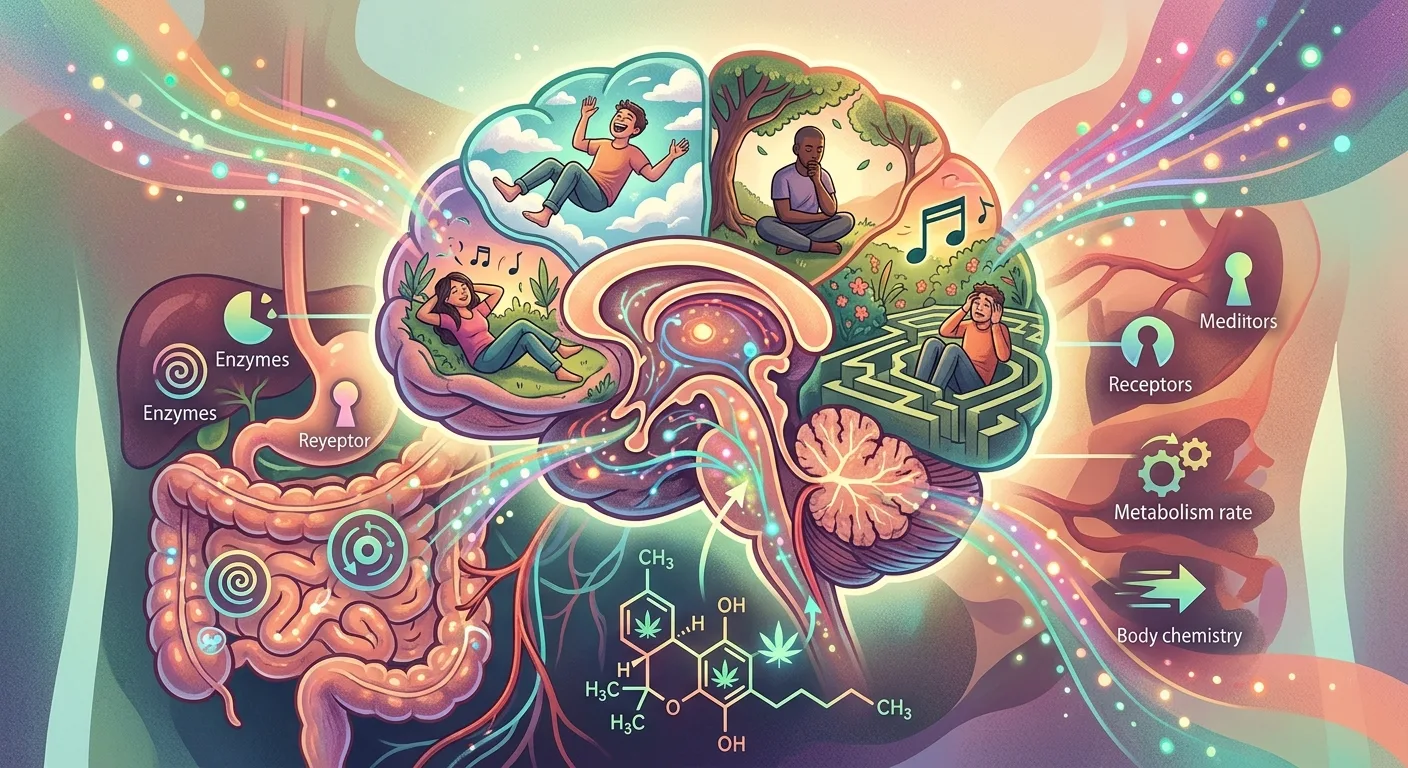
Psilocybin mushrooms are fungi containing the naturally occurring psychedelic compound psilocybin, which your body converts into psilocin after ingestion. This chemical closely resembles serotonin, the neurotransmitter that regulates mood, perception, and cognition. When psilocin binds to serotonin receptors in your brain, particularly the 5-HT2A receptor, it creates the characteristic psychedelic effects that mushrooms are known for.
Unlike THC and CBD, which work primarily through your endocannabinoid system, psilocybin operates through a completely different mechanism. The effects aren't about relaxation or stimulation in the traditional sense. Instead, psilocybin temporarily alters how different regions of your brain communicate with each other, creating new neural pathways and changing your perception of time, space, emotions, and thought patterns.
Scientists describe this as a period of increased neural plasticity. Your brain becomes more flexible and open to new patterns of thinking. This is why many people report profound insights, emotional breakthroughs, or shifts in perspective during a psilocybin experience. It's also why set and setting (your mindset and environment) matter so much. Your brain is more impressionable than usual, absorbing and processing experiences differently than in your normal state of consciousness.
For first-timers in Ottawa, understanding this mechanism helps demystify the experience. You're not losing control or breaking your brain. You're temporarily changing how your brain processes information, and that change is reversible. The effects typically begin 20 to 40 minutes after ingestion, peak around 2 to 3 hours in, and fully wear off within 6 to 8 hours. Unlike cannabis edibles, which can sometimes surprise experienced users with delayed onset, psilocybin follows a more predictable timeline.
Understanding Psilocybin Dosage: From Microdose to Heroic Dose
Dosage is everything with psilocybin mushrooms. The difference between a subtle mood lift and a reality-dissolving journey can be measured in fractions of a gram. For first-timers, understanding the dosage spectrum is essential to choosing an experience that matches your intentions and comfort level.
Microdose (0.1 to 0.3 grams)
A microdose of psilocybin is sub-perceptual, meaning you shouldn't feel obviously "high" or experience visual distortions. Many Ottawa professionals microdose on work days, reporting enhanced creativity, better focus, and improved mood without any impairment. You might notice colours seem slightly more vivid or feel a gentle lift in your emotional baseline, but you can absolutely function normally. Think of it as a cognitive vitamin rather than a psychedelic experience.
Microdosing has become popular for productivity and mental health maintenance. Some people follow structured protocols like the Fadiman Protocol (one day on, two days off) or the Stamets Stack (four days on, three days off). The key is consistency and tracking your results. Not everyone responds to microdosing the same way, and finding your threshold takes experimentation.
Threshold Dose (0.3 to 1 gram)
This range sits between microdosing and a full psychedelic experience. You'll definitely feel something, but it won't overwhelm you. Expect mild visual enhancements like brighter colours and patterns in textures, a shift in thought patterns, and increased emotional openness. Many first-timers start here because it offers a taste of psilocybin's effects while maintaining a firm grip on reality.
At threshold doses, you can still socialize and function, though you might prefer quiet activities like walking in nature, listening to music, or having deep conversations. This is a good range for testing your sensitivity before committing to stronger experiences. Some people find their sweet spot right here and never feel the need to go higher.
Moderate Dose (1 to 2.5 grams)
Now we're in classic psychedelic territory. A moderate dose produces unmistakable effects including visual hallucinations, emotional intensity, time distortion, and altered thinking patterns. You'll see geometric patterns with your eyes closed, notice objects breathing or morphing, and experience significant shifts in perspective. This is where the therapeutic potential becomes most apparent, as you can access buried emotions and gain genuine insights into your patterns and behaviours.
Most first-timers who want a "real" psilocybin experience aim for 1.5 to 2 grams. This provides meaningful psychedelic effects while remaining manageable for someone with no tolerance. You should absolutely clear your schedule, stay in a safe environment, and ideally have a trusted sober friend available. Many people describe moderate doses as deeply meaningful, sometimes challenging, but ultimately rewarding experiences.
Strong Dose (2.5 to 5 grams)
Strong doses are not for first-timers. Period. At this level, ego dissolution becomes common. You might lose your sense of self entirely, experience profound mystical states, or confront challenging psychological material. The intensity can be overwhelming and frightening if you're not prepared. Even experienced psychonauts approach these doses with respect and preparation.
That said, many people report their most transformative experiences at strong doses. The dissolution of normal boundaries can lead to mystical experiences, feelings of unity with the universe, or confrontations with deep psychological material. But this territory requires experience, proper preparation, and often professional guidance or an experienced trip sitter.
Heroic Dose (5+ grams)
Terence McKenna popularized the term "heroic dose," referring to 5 grams of dried mushrooms taken in silent darkness. This is expert-level territory. Complete ego death, encounters with entities, experiences beyond language. If you're reading a first-timer's guide, heroic doses should remain theoretical knowledge for now. Work your way up over multiple experiences, if ever.
What to Expect: The Psilocybin Experience Timeline
Understanding what happens and when helps first-timers navigate the experience with less anxiety. While every journey is unique, psilocybin follows a relatively predictable arc from onset to baseline.
Onset: 20 to 40 Minutes
After consuming your psilocybin product, whether raw mushrooms, chocolate, or gummies, you'll start noticing effects within 20 to 40 minutes on an empty stomach, possibly longer if you've eaten recently. The onset can feel subtle at first. You might notice a slight giddiness, increased awareness of your body, or mild visual changes like enhanced colour saturation. Some people experience mild nausea during the onset, which is normal and usually passes quickly.
This phase often brings anticipation and sometimes anxiety, especially for first-timers. Remember that what you're feeling is the beginning of a temporary process. Many experienced users recommend starting your journey in a comfortable environment with calming music already queued up. If you're trying cannabis edibles alongside psilocybin, be extremely cautious as cannabis can intensify psychedelic effects unpredictably.
Come-Up: 40 to 90 Minutes
The come-up is when effects intensify rapidly. Visual distortions become more pronounced. Your thought patterns shift noticeably. Emotions can surge. This phase sometimes feels overwhelming, even at moderate doses, because the rate of change is steep. Many people experience what's called "come-up anxiety," a restless feeling as your normal consciousness gives way to the psychedelic state.
Experienced users have strategies for navigating the come-up. Deep breathing helps. Changing your environment can reset your headspace (moving from indoors to outdoors or vice versa). Putting on familiar, comforting music works wonders. Reminding yourself that you chose this, that it's temporary, and that you're safe can ease anxiety. This is why set and setting matter so much. A comfortable, safe environment makes the come-up much smoother.
Peak: 90 Minutes to 3 Hours
The peak is when effects reach maximum intensity. Time distortion becomes profound. You might feel like you've been in this state for hours when only 20 minutes have passed, or vice versa. Visual hallucinations are most intense during the peak. Emotional content becomes deeply accessible. This is where therapeutic insights often emerge, where mystical experiences occur, and where challenging material might surface.
At moderate doses, you can still navigate the peak with some intention. Many people use this time for introspection, journaling, or exploring creative pursuits. At higher doses, you might need to simply surrender to the experience and let it unfold. The peak is not the time to try to control or analyze everything. Flow with it. Trust the process. Your normal consciousness will return.
Plateau and Descent: 3 to 6 Hours
After the peak, effects gradually diminish. You'll plateau at a less intense level, then slowly return toward baseline. This phase often feels gentler and more manageable. Many people find the descent contemplative and peaceful. You're still definitely affected, but the overwhelming intensity has passed. This is a good time for integration, thinking about what you experienced and what it might mean.
Some people experience waves during the descent, where effects briefly intensify again before continuing to fade. This is normal. Visual effects typically linger longer than the emotional and cognitive shifts. You might still see patterns and enhanced colours even as your thinking becomes more normal.
Afterglow: 6 to 24 Hours
By hour 6 or 7, you're mostly back to baseline, though you might feel a subtle afterglow. Many people report feeling emotionally open, cognitively refreshed, or peacefully exhausted. The day after a psilocybin experience often brings a sense of clarity or renewal. Some people feel emotionally vulnerable or contemplative. Give yourself space to integrate. Don't immediately jump back into intense responsibilities.
Psilocybin Products: Mushrooms, Chocolates, and Gummies in Ottawa
First-timers often wonder about the best form of psilocybin to try. Raw dried mushrooms, chocolate bars, and gummies each have advantages. Understanding your options helps you choose what fits your needs and preferences.
Raw Dried Mushrooms
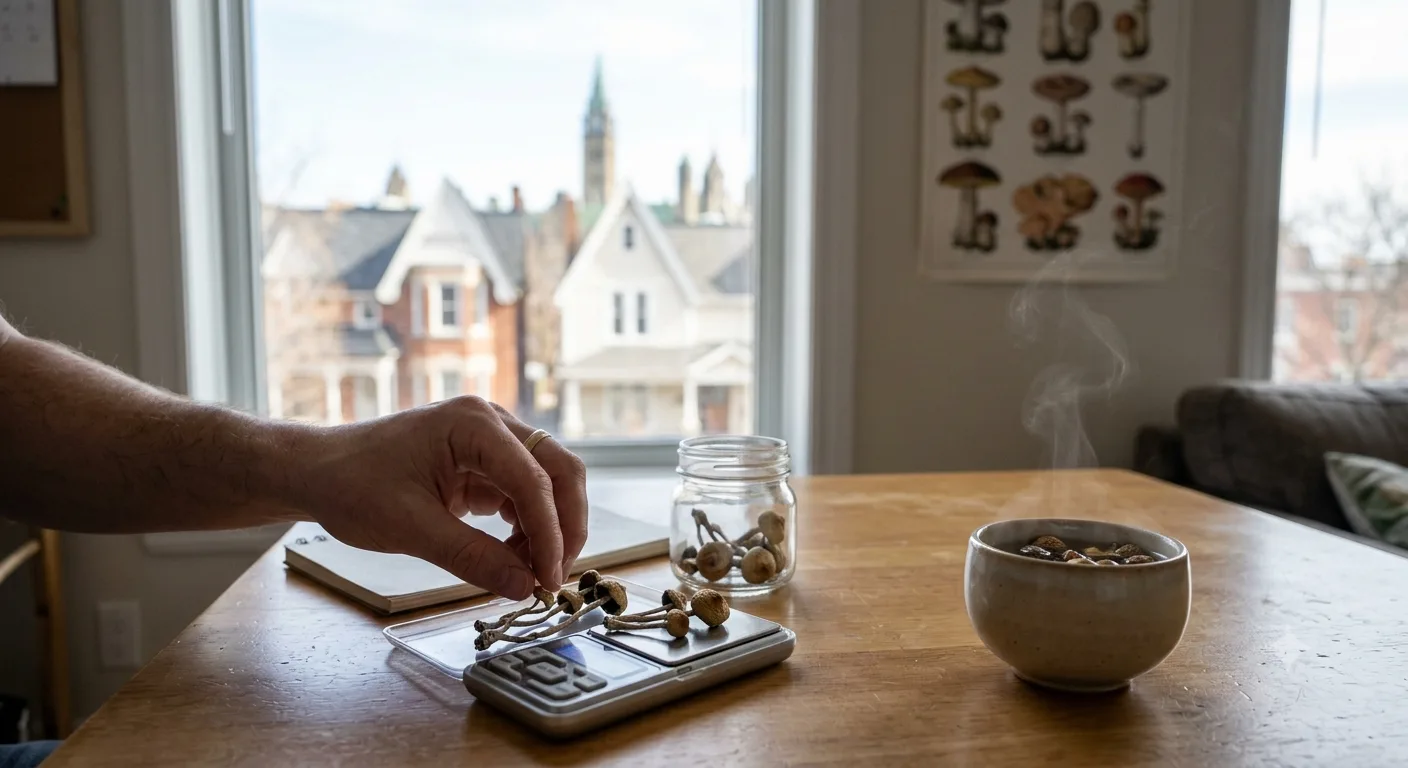
Traditional dried psilocybin mushrooms remain the most straightforward option. You know exactly what you're getting, with no additional ingredients. Dosage is measured by weight. The main disadvantages are taste (earthy and unpleasant for many people) and texture (chewy and fibrous). Many first-timers struggle to get them down, especially at higher doses where you might need to consume 2 or 3 grams of dried fungi.
Experienced users have tricks: grinding them into powder and mixing with orange juice (the vitamin C may enhance effects), making tea (which speeds onset and reduces nausea), or using the lemon tek method (soaking ground mushrooms in lemon juice to pre-convert psilocybin to psilocin). For first-timers, these preparation methods can make consumption easier.
Psilocybin Chocolate
Chocolate infused with psilocybin has become increasingly popular. The chocolate masks the mushroom taste almost entirely, making consumption much more pleasant. Precise dosing is easier with segmented chocolate bars. Many Ottawa users prefer chocolate because it feels more like a treat than medicine. The sugar and fats in chocolate may slightly affect absorption, but most people find onset times similar to raw mushrooms.
Quality matters with psilocybin chocolate. Well-made products use quality chocolate and distribute the psilocybin evenly throughout the bar. Each segment should contain a consistent dose. When trying chocolate for the first time, start with the lowest marked dose on the package, wait the full 90 minutes before considering more, and avoid the temptation to eat extra squares because it tastes good.
Psilocybin Gummies
Gummies offer the most precise dosing and easiest consumption. Each gummy contains a specific measured amount of psilocybin, taking the guesswork out of dosing. They're portable, discreet, and require no preparation. The taste is typically fruity and pleasant, with no mushroom flavour. For first-timers anxious about dosing accurately, gummies provide the most control.
The main consideration with gummies is the same as with edibles in general: they're so easy to consume that it's tempting to take more before effects fully develop. Resist this urge. Take your intended dose, set a timer for 60 minutes, and commit to waiting. Many challenging experiences start with impatient redosing during the onset phase.
What's Available in Ottawa
Ottawa's psilocybin market has expanded significantly. While psilocybin remains technically illegal in Canada (unlike cannabis), access has improved through various channels. Many of the same considerations that apply to cannabis delivery in Ottawa apply here: sourcing from reputable providers, understanding what you're getting, and starting with conservative doses from known sources. If you're already familiar with Ottawa weed stores and delivery services, you'll find similar convenience models emerging for psilocybin products.
Set and Setting: Creating the Right Environment for Your First Experience
The psychedelic community has a saying: set and setting determine 90% of your experience. "Set" refers to your mindset, your intentions, your emotional state going in. "Setting" refers to your physical and social environment. Getting both right dramatically increases the chances of a positive, meaningful experience.
Preparing Your Mindset
Approaching psilocybin with clear intentions helps focus the experience. What are you hoping to explore? Are you seeking creative insights, emotional healing, spiritual connection, or simply curiosity about altered states? Having a loose intention provides direction without creating rigid expectations. Write down your intentions beforehand. Revisit them during integration.
Your emotional baseline matters. If you're dealing with acute psychological distress, grief, or crisis, psilocybin might intensify those feelings rather than resolve them. While many people find psilocybin helpful for depression and anxiety, your first experience shouldn't be an emergency intervention. Choose a time when you're relatively stable, rested, and free from major immediate stressors.
Mental preparation also means clearing your schedule completely. Don't squeeze a psilocybin journey into a busy weekend between obligations. Give yourself the entire day for the experience plus the following day for rest and integration. Rushing back to normal life too quickly can feel jarring and prevent you from absorbing insights.
Choosing the Right Setting
Your environment shapes your journey profoundly. Most first-timers do best in a familiar, comfortable, private space. Your home works perfectly if you feel safe there. Some people prefer nature settings, but this carries more variables and potential complications. Ottawa offers beautiful spaces like Gatineau Park, but remote natural settings aren't ideal for first experiences. You want help nearby if needed.
Prepare your space beforehand. Clean and organize it so you feel comfortable. Queue up playlists (many prefer instrumental music without lyrics, which can become confusing under psilocybin). Have water, light snacks, blankets, and anything else you might want readily available. Dim lighting or natural light works better than harsh overhead lights. Create a nest where you can feel completely safe for 6 to 8 hours.
Consider having a trip sitter, especially for your first time. This should be someone you trust completely, who's sober, who understands what you're doing, and who can provide calm reassurance if you need it. They don't need to entertain you or guide you. Just having someone grounded nearby can ease anxiety significantly. Make sure they're comfortable staying the entire time and understand their role is mostly to be present and available, not to direct your experience.
Practical Considerations
Clear your obligations. Tell important people you'll be unavailable. Put your phone on Do Not Disturb except for your trip sitter's number. Remove potential stressors from your environment. If you have pets, ensure they're cared for. If you live with others, make sure they understand you need privacy and quiet. The fewer external demands on your attention, the more fully you can engage with the experience.
Have harm reduction resources available. Know that if things feel overwhelming, changing your environment (moving rooms, going outside or coming inside) often helps. Having grounding objects like stones or familiar items can provide comfort. Remember that the experience is temporary. No one has ever died from a psilocybin overdose. Physical safety is rarely an issue; psychological comfort is what requires preparation.
Integration: Making Meaning After the Journey
The psilocybin experience doesn't end when effects wear off. Integration, the process of making meaning from your journey and incorporating insights into daily life, might be the most important phase. Many people have profound experiences that fade into vague memories because they didn't actively integrate.
Start integrating immediately. In the afterglow phase, while memories are fresh, write down what you experienced. Don't try to analyze or interpret yet, just document. What did you see? What did you feel? What thoughts arose? What seemed important? Getting it on paper preserves details that would otherwise fade. Many people are surprised months later rereading their notes, having forgotten entire dimensions of their journey.
Give yourself time for reflection. The days and weeks following a psilocybin experience often bring continued insights. Themes from the journey might appear in dreams, daily situations might suddenly connect to what you realized, or you might find yourself naturally implementing changes you considered during the peak. Pay attention to these continued unfoldings. Integration isn't a one-time debrief; it's an ongoing process.
Talk about your experience with trusted others, whether friends who understand psychedelics, a therapist familiar with psychedelic integration, or online communities. Articulating what you experienced to others helps solidify insights and gain new perspectives. You might realize things in the telling that you hadn't consciously recognized. Community matters for integration.
Be patient with yourself. Not every psilocybin journey delivers immediately clear insights. Sometimes the experience plants seeds that sprout weeks or months later. Sometimes you'll have powerful experiences that feel meaningful in the moment but whose significance only becomes apparent with time. Don't force interpretation. Let meaning emerge naturally as you live with what you experienced.
Consider how psilocybin fits into your broader wellness approach. If you're already exploring cannabis for wellness, think about how these tools might complement each other. Many Ottawa residents integrate both substances into their self-care routines, using cannabis for daily stress management and psilocybin for periodic deeper work.
Safety, Legal Status, and Harm Reduction in Ottawa
First-timers should understand both the safety profile of psilocybin and the legal landscape in Ottawa. While psilocybin is remarkably safe physiologically, it's not without risks. And while legal status is evolving, psilocybin remains technically illegal in Canada with some exceptions.
Physical Safety
Psilocybin has an extremely low toxicity profile. There are no documented cases of fatal psilocybin overdose in otherwise healthy individuals. You cannot die from taking too much psilocybin mushrooms the way you can with opioids or alcohol. The LD50 (lethal dose for 50% of test subjects) is so high that you'd need to consume your body weight in mushrooms to approach it.
However, psilocybin does raise heart rate and blood pressure moderately. People with serious cardiovascular conditions should consult medical professionals before experimenting. Psilocybin also lowers seizure threshold slightly, so those with seizure disorders should be cautious. And while psilocybin itself isn't dangerous, impaired judgment during the experience could lead to risky behaviour, which is why safe environment matters so much.
Drug interactions are relatively minimal, but serotonergic medications (SSRIs, SNRIs, MAOIs) can reduce psilocybin's effects or create complications. If you're on psychiatric medications, research interactions carefully. Some antidepressants significantly dampen psilocybin effects, meaning you won't feel much even at higher doses. Others create potential for serotonin syndrome, though this is rare with psilocybin.
Psychological Safety
The real risks with psilocybin are psychological. Challenging experiences, while often ultimately beneficial, can be frightening in the moment. People with personal or family history of schizophrenia or psychosis should avoid psilocybin, as it may trigger latent conditions. Those dealing with severe trauma might encounter difficult material they're not prepared to process.
That said, most adverse psychological effects are temporary and resolve as the experience ends. "Bad trips" are usually bad moments within trips, not entire experiences of unrelenting horror. Having tools to navigate difficulty (breathing techniques, changing environment, calling your trip sitter) prevents most situations from escalating. Remember: you will return to baseline. The intensity is temporary.
Legal Status in Ottawa
As of 2025, psilocybin remains a Schedule III controlled substance under Canada's Controlled Drugs and Substances Act. However, Health Canada has granted exemptions for palliative and therapeutic use, and enforcement has become increasingly relaxed. Ottawa police rarely prioritize personal possession cases, though trafficking charges remain possible for those selling or distributing.
The legal landscape is changing rapidly. Several cities have moved toward decriminalization. Advocacy groups are pushing for broader access. Many experts predict federal policy changes within years. For now, first-timers should understand they're operating in a legal grey area, though prosecution for personal use is unlikely. This mirrors the situation cannabis consumers faced before legalization in 2018.
Harm Reduction Tips
Start low, go slow. This harm reduction principle applies to all psychoactive substances. Your first psilocybin experience should be conservative. You can always take more next time, but you can't undo taking too much this time. Most negative experiences result from taking more than you're ready for.
Test your products if possible. While reagent testing for psilocybin is less standardized than for other substances, knowing your source and starting with low doses from new batches provides security. Reputable providers offer consistency, but street sources can vary wildly in potency.
Never mix psilocybin with other substances your first time. Alcohol, cannabis, stimul