As cannabis becomes increasingly normalized in Canadian households, a concerning trend has emerged: veterinary clinics across the country are reporting a sharp rise in cannabis toxicity cases among pets. While your stash might be perfectly legal and safe for you, even small amounts of THC can be harmful to dogs, cats, and other household animals. If you're a pet owner who enjoys cannabis, understanding proper storage and emergency protocols isn't just good practice, it's essential for keeping your furry family members safe.
The numbers tell a sobering story. According to the Canadian Veterinary Medical Association, cannabis-related pet emergencies have increased by over 300% since legalization. Most of these incidents are completely preventable and occur when pets access edibles, flower, concentrates, or even discarded roaches left within reach. The good news? With proper storage habits and knowledge of what to do in an emergency, you can enjoy your cannabis safely while protecting the animals who depend on you.
Why Cannabis Is Dangerous for Pets: Understanding THC Toxicity in Animals
Before diving into storage solutions, it's crucial to understand why cannabis affects pets so differently than humans. Dogs and cats have a significantly higher concentration of cannabinoid receptors in their brains compared to people, particularly in areas that control coordination, heart rate, and other vital functions. This means that doses that would barely affect a human can cause serious toxicity in a pet.
THC toxicity in pets typically manifests within 30 minutes to 3 hours after ingestion. Common symptoms include severe lethargy, loss of coordination (ataxia), dilated pupils, drooling, vomiting, tremors, and in severe cases, seizures or coma. Unlike humans who might experience an uncomfortable high, pets cannot understand what's happening to them, making the experience terrifying and potentially life-threatening.
The danger varies significantly by product type. Edibles pose the greatest risk for several reasons: they often contain chocolate or xylitol (both toxic to pets), they're packaged to look and smell appealing, and they contain concentrated doses of THC. A single high-dose gummy from products like high-potency edibles could contain enough THC to seriously harm a medium-sized dog.
How Much THC Is Dangerous for Pets?
Research indicates that dogs can experience toxicity at doses as low as 1.5 mg/kg of body weight, with severe symptoms occurring at higher doses. To put this in perspective, a 10-kilogram (22-pound) dog could show symptoms after consuming just 15 mg of THC. That's less than a single typical edible gummy. For cats, who are typically smaller and may be even more sensitive, the threshold is even lower.
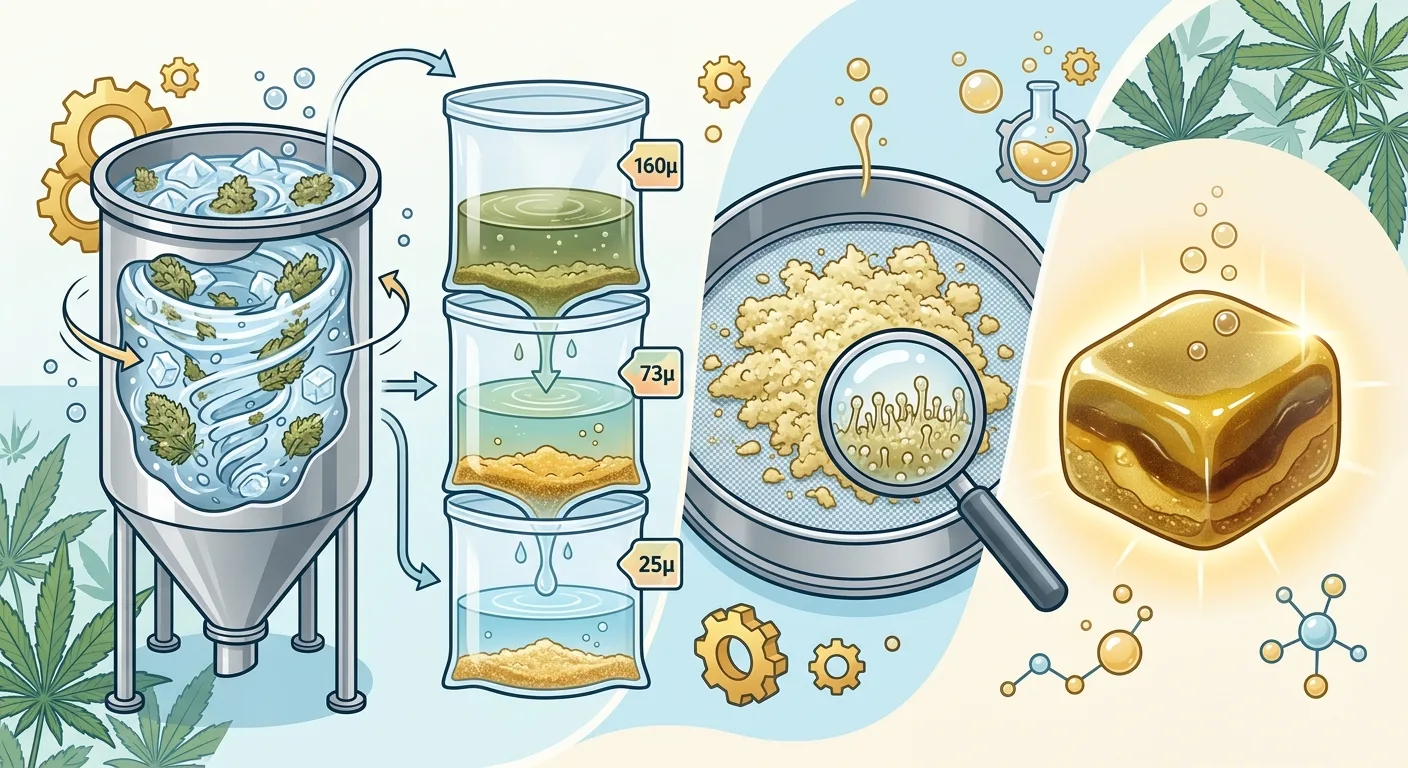
Concentrates present an additional danger. Hash, shatter, and other concentrated forms can contain 60-90% THC by weight. Even a small amount of products like premium shatter could deliver a massive dose if ingested by a pet. This is why proper storage of concentrates is absolutely critical in homes with animals.
Are There Any "Safe" Cannabis Products for Pets?
While CBD products specifically formulated for pets are available and generally considered safe, you should never give your pet any cannabis product designed for human consumption. Even CBD products designed for humans may contain trace amounts of THC, carrier oils, or other ingredients that could be harmful. If you're interested in cannabis-derived products for your pet's health, consult with a veterinarian who has experience with cannabinoid therapy for animals.
Essential Cannabis Storage Solutions for Pet-Owning Households
Preventing access is always easier than dealing with an emergency. The fundamental rule is simple: if you wouldn't leave it where a toddler could reach it, don't leave it where a pet can access it either. Pets are curious, resourceful, and often more capable than we give them credit for, especially when motivated by interesting smells.
Height-Based Storage: Going Vertical
The most basic protection is elevation. Store all cannabis products on high shelves, in upper cabinets, or in areas completely inaccessible to pets. However, don't underestimate determined animals. Cats can jump to surprising heights, and dogs have been known to climb on furniture to reach interesting items. Height alone isn't always sufficient, especially with edibles that smell appealing.
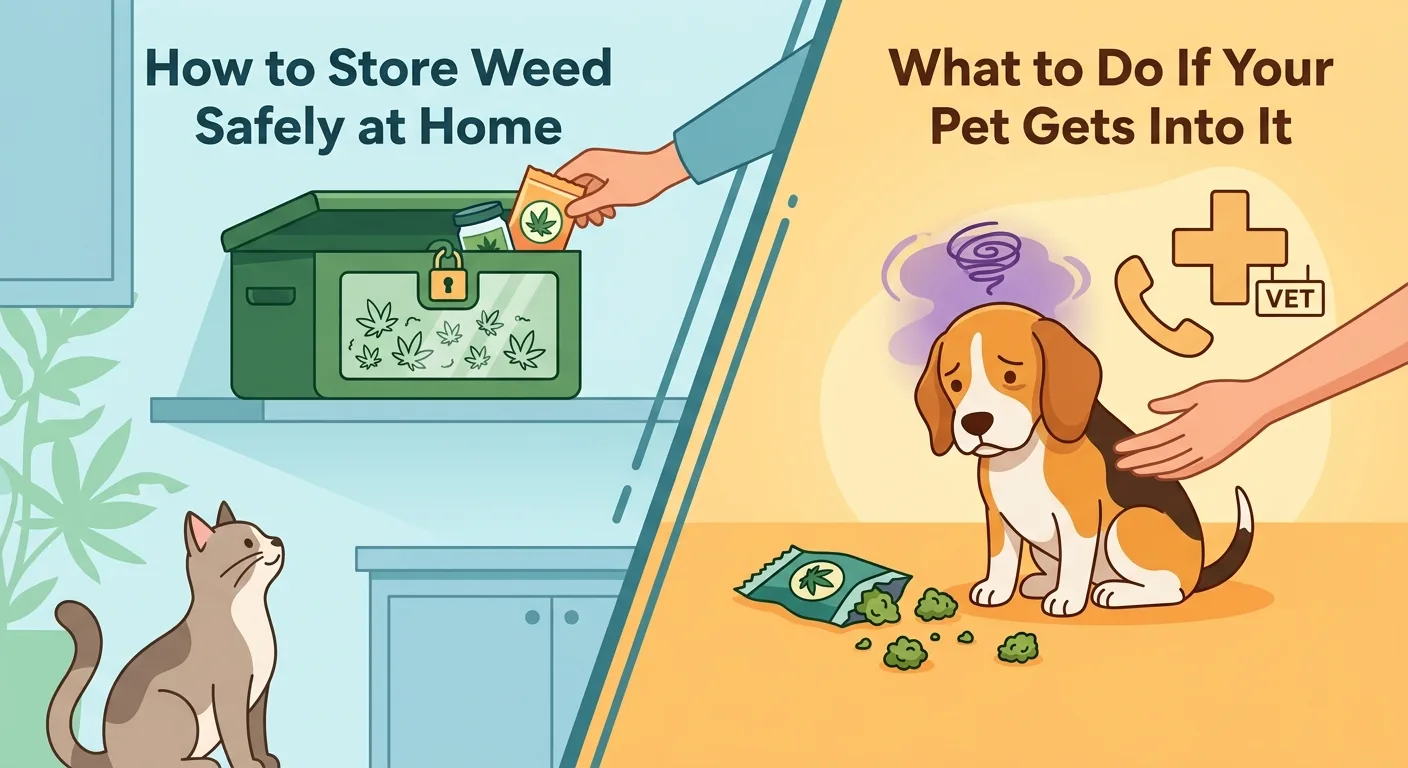
For maximum security, combine height with containment. A lockbox stored on a high shelf provides two layers of protection. This is particularly important in households with large dogs who can reach counter height or cats who view every surface as accessible territory.
Lockboxes and Smell-Proof Containers
Investing in proper storage containers is one of the smartest decisions a pet-owning cannabis consumer can make. Look for containers that are both lockable and smell-proof. Smell-proof capability is crucial because it removes the curiosity factor, odour is often what draws pets to investigate in the first place.
Metal lockboxes with combination or key locks are ideal for flower and pre-rolls. For edibles, consider a small safe or lockable medicine cabinet. These can be purchased relatively inexpensively and provide peace of mind that even if a pet discovers the container, they cannot access its contents. Many cannabis consumers use lockboxes designed for documents or valuables, which work perfectly for this purpose.
For those storing larger quantities, whether you're buying bulk cannabis or simply stocking up on various products, a dedicated storage area becomes even more important. A locked closet, cabinet, or even a small safe can accommodate multiple containers while keeping everything organized and secure.
Special Considerations for Different Product Types
Different cannabis products require different storage approaches. Flower and hash should be in airtight, smell-proof containers before going into secure storage. Not only does this protect pets, but it also maintains product freshness. Concentrates like shatter or wax should be kept in their original silicone containers inside a lockbox, as they're sticky and difficult to clean up if a container is breached.
Edibles deserve extra caution. They often smell like regular food to pets and may be packaged in ways that don't immediately signal "cannabis" to a pet. Never leave edibles in bags or purses where a dog might find them. Always transfer them to a secure location as soon as you bring them home. If you're exploring different consumption methods through various THC products, ensure each type has appropriate storage.
Creating Storage Habits and Routines
The best storage system in the world is useless if you forget to use it. Develop consistent habits around cannabis storage. Never leave products out "just for a minute." Don't set down edibles on coffee tables while you answer the door. Make securing your cannabis as automatic as locking your front door when you leave.
Establish a specific storage location and always return products to that spot immediately after use. This is particularly important for vape pens and cartridges, which are easy to set down and forget. Treat every session endpoint as a prompt to secure all materials before moving on to other activities.
What to Do If Your Pet Ingests Cannabis: Emergency Response Protocol
Despite your best efforts, accidents can happen. Perhaps a guest left something accessible, a container wasn't properly secured, or your pet proved more resourceful than anticipated. Knowing exactly what to do in these crucial first minutes can make the difference between a scary experience and a tragic outcome.
Recognizing the Signs of Cannabis Toxicity
Familiarize yourself with the symptoms of cannabis poisoning in pets before an emergency occurs. Early signs typically appear within 30 to 90 minutes of ingestion and include unusual lethargy, stumbling or loss of coordination, dilated pupils, excessive drooling, urinary incontinence, and hypersensitivity to noise or touch. As toxicity progresses, you might observe tremors, rapid heart rate, lowered blood pressure, disorientation, or in severe cases, seizures.
Dogs experiencing cannabis toxicity often exhibit a characteristic "drunken" gait and may seem unable to control their movements. They might also experience temperature regulation issues, becoming too hot or too cold. Cats may hide, vocalize unusually, or show extreme agitation. Any combination of these symptoms following potential cannabis exposure should be treated as an emergency.
Immediate Steps: The First 15 Minutes
If you suspect or know your pet has consumed cannabis, time is critical. First, remove any remaining product from the area to prevent further ingestion. Do not attempt to induce vomiting unless explicitly instructed by a veterinarian, as this can be dangerous depending on what was consumed and the pet's condition.
Contact your veterinarian or an emergency animal clinic immediately. Be completely honest about what happened and how much your pet may have consumed. Veterinarians are not law enforcement, they will not report you, and withholding information could prevent them from providing appropriate treatment. If possible, bring the product packaging to show the veterinarian the exact THC content and other ingredients.
While awaiting professional care, keep your pet calm, quiet, and in a safe space where they cannot injure themselves if they're experiencing coordination problems. Remove any potential hazards from the area. Do not give your pet any food, water, or medication unless specifically instructed by a veterinarian.
Veterinary Treatment and What to Expect
Cannabis toxicity treatment typically involves supportive care while the THC metabolizes out of your pet's system. There is no "antidote" for cannabis poisoning. If the ingestion was recent (within 30-60 minutes), the veterinarian may induce vomiting or administer activated charcoal to prevent further absorption. For pets already showing symptoms, treatment focuses on managing those symptoms and supporting vital functions.
Your pet may require intravenous fluids to support blood pressure and help flush the system, anti-nausea medication, temperature regulation support, and in severe cases, hospitalization for monitoring. Most pets recover fully within 24 to 72 hours with appropriate veterinary care, though the experience can be frightening for both pet and owner.
Be prepared for veterinary costs. Emergency cannabis toxicity treatment can range from several hundred to over a thousand dollars depending on severity and required care. Pet insurance may or may not cover these incidents, so it's worth checking your policy. Regardless of cost, immediate veterinary attention is essential, delaying treatment to avoid expense can result in worse outcomes and ultimately higher costs.
Beyond Storage: Creating a Cannabis-Safe Home Environment
Proper storage is the foundation of pet safety, but a truly secure environment requires attention to several other factors. Think of cannabis safety as a system rather than a single practice, multiple layers of protection ensure that if one fails, others remain in place.
Managing Smoke and Vapour Exposure
While ingestion poses the most serious risk, secondhand smoke exposure is also problematic for pets. Animals exposed to cannabis smoke can experience respiratory irritation, watery eyes, and mild intoxication effects. Their smaller body size means they're affected by concentrations that might not bother a human.
When consuming cannabis through smoking or vaping, do so in well-ventilated areas away from pets. Ideally, smoke outside or in a dedicated room where pets don't spend time. Never blow smoke directly at a pet, even as a joke. This is both cruel and potentially harmful. If you're using various smoking methods, all require the same consideration for pets in your home.
Disposal Practices That Protect Pets
Proper disposal is as important as proper storage. Pets, particularly dogs, are notorious for getting into trash cans. Used joints, roaches, and vape cartridges all contain residual THC and should never go in accessible garbage bins. Ashtrays with roaches or burnt flower should be emptied into secure trash immediately, not left sitting out.
For edible wrappers or packaging, rinse them if possible before disposal, or place them in a sealed bag before putting them in the trash. Consider using a trash can with a locking lid in rooms where you consume cannabis. Some pet owners designate a specific secure disposal container for cannabis-related waste that's emptied during regular trash pickup.
Educating Household Members and Guests
Your storage habits only protect your pets if everyone in the household follows them. Make sure all family members understand the dangers and storage protocols. This is particularly important with teenagers or young adults who might not fully appreciate the risks.
When having guests who consume cannabis, brief them on your pet safety rules. Provide a designated safe storage area for their products. Many pet emergencies occur when visitors are unfamiliar with the household's routines and leave products in accessible areas. Don't assume others will be as cautious as you are.
Product Selection Considerations for Pet Owners
While any cannabis product can pose risks, some product choices can make safety management easier in pet-owning households. Thinking about pet safety during purchase decisions adds another layer of protection.
Packaging and Container Features
When ordering from same-day cannabis delivery services, you'll notice that products come in various packaging types. Child-resistant packaging is also pet-resistant to a degree, though determined animals can sometimes breach it. Products with hard plastic containers are generally safer than those in soft pouches or bags that a dog might tear open.
Consider keeping products in their original packaging even after opening. These containers are designed to be secure and often provide better protection than transferring to generic containers. If you do transfer products, ensure your storage containers are at least as secure as the original packaging, preferably more so.
Choosing Less Appealing Product Forms
While not always practical, choosing product forms that are less likely to attract pet interest can reduce risk. Flower and concentrates, while they smell strong, don't smell like food. Edibles, particularly those flavoured like candy or baked goods, are intrinsically more appealing to pets. If you have particularly food-motivated pets, you might consider focusing on flower, hash, or vape products which are easier to store securely and less enticing.
This doesn't mean avoiding edibles entirely if you prefer them, just that they require extra vigilance. Understanding the unique properties of edibles helps you appreciate why they need special storage attention in homes with pets.
Long-Term Cannabis Safety Planning for Pet Households
Creating a sustainable, safe environment isn't about perfect execution every single time, it's about building systems that work even when you're tired, distracted, or in a hurry. The best safety measures are those that become automatic and require minimal conscious effort to maintain.
Regular Storage Audits
Once monthly, conduct a quick audit of your cannabis storage situation. Check that all containers are properly sealed and locked, that nothing has been left in accessible areas, and that your storage space remains adequate for your current inventory. As you try new products or change consumption habits, your storage needs may evolve.
This is also a good time to check expiration dates and organize your stash. Products that are expired or no longer wanted should be properly disposed of rather than allowed to accumulate, creating both clutter and additional safety hazards.
Emergency Contact Information
Keep emergency contact information easily accessible. Program your regular veterinarian and the nearest 24-hour emergency animal clinic into your phone. The Pet Poison Helpline (1-855-764-7661) is available 24/7 and can provide immediate guidance, though they charge a consultation fee. Having these numbers readily available eliminates the panic of searching for help during an emergency.
Consider creating a simple emergency instruction sheet that any household member or pet sitter could follow if they discovered a pet had accessed cannabis. Include symptoms to watch for, emergency contacts, and basic first aid guidance. Post this somewhere accessible, like inside a kitchen cabinet door.
Pet-Sitting and Travel Considerations
When travelling or having pet sitters care for your animals, take extra precautions. Secure all cannabis products in locked storage before leaving, even if you think they were already inaccessible. Brief pet sitters about the importance of keeping certain areas or containers off-limits. Some pet owners prefer to remove all cannabis products from the home entirely when having unfamiliar sitters, erring on the side of maximum caution.
If you're transporting your pet and cannabis products simultaneously, ensure products are in completely secure containers that cannot be accessed during transport. Never leave cannabis products in areas where a pet is also present unsupervised, such as the back seat of a car.
Yes, pets can experience effects from secondhand smoke exposure, though it's generally less severe than ingestion. Symptoms may include mild disorientation, respiratory irritation, and lethargy. While not typically life-threatening at normal exposure levels, it's uncomfortable for the animal and should be avoided. Always smoke in well-ventilated areas away from pets, and never blow smoke directly at an animal.
Most pets recover within 24 to 72 hours with proper veterinary care. Symptoms typically peak within 3-5 hours of ingestion and gradually diminish as the THC metabolizes. Smaller doses may resolve in 12-24 hours, while larger ingestions, particularly of concentrated edibles, can take longer. The duration depends on the amount consumed, the pet's size, and how quickly treatment was initiated.
Both species are susceptible to THC toxicity, but dogs are involved in the vast majority of reported cases because they're more likely to eat random items, including edibles. Cats are generally more selective but can still be poisoned, particularly by eating cannabis-infused butter or oils. The symptoms and treatment are similar across species, though dosing thresholds may vary based on body size and individual sensitivity.
You should never give your pet any cannabis product designed for human consumption without veterinary guidance. Human CBD products may contain trace amounts of THC, carrier oils, or additives that could be harmful to pets. If you're interested in cannabinoid therapy for your pet, consult with a veterinarian who can recommend products specifically formulated and tested for animal use with appropriate dosing.
Be completely honest about what happened, including the product type, estimated amount consumed, and THC concentration if known. Veterinarians are bound by patient confidentiality and will not report you to authorities. Accurate information allows them to provide the most effective treatment. Bring product packaging if possible, as knowing the exact formulation helps determine the best treatment approach and expected recovery timeline.
There's no strong evidence that specific breeds are more or less susceptible to THC toxicity, though smaller dogs will experience effects at lower absolute doses due to their body size. However, dogs with pre-existing heart conditions, seizure disorders, or other health issues may experience more severe complications. All dogs should be kept away from cannabis products regardless of breed, size, or apparent health status.
Conclusion: Building Lasting Safety Habits for Cannabis-Loving Pet Owners
Protecting your pets from cannabis exposure doesn't require paranoia or perfection, it requires consistent, thoughtful habits built around proper storage, disposal, and emergency preparedness. The same legalization that makes cannabis conveniently accessible to Canadian consumers also means more products in more homes, increasing the statistical likelihood of pet exposures. Your responsibility as both a cannabis consumer and a pet owner is to ensure those two aspects of your life never intersect dangerously.
The core principles are straightforward: store everything in locked, smell-proof containers in inaccessible locations; treat edibles with extra caution; dispose of cannabis waste securely; and know exactly what to do if an emergency occurs despite your precautions. These aren't burdensome requirements, they're simple practices that become second nature once established.
Remember that your pets depend entirely on you for their safety. They can't read warning labels, understand what makes them sick, or seek help when they need it. By implementing the storage solutions and safety protocols outlined in this guide, you're fulfilling your obligation to protect the animals who trust you completely. Whether you're enjoying flower, concentrates, or edibles, every session should end with all products secured and your pets safe.
If you're looking for convenient access to quality cannabis products while maintaining the highest safety standards, same-day delivery services make it easier to keep your consumption organized and secure. Ready to stock up on premium cannabis with discreet, professional delivery? Visit our shop to explore our full selection of flower, concentrates, edibles, and more, all delivered right to your door with the packaging and quality you need to maintain a safe, pet-friendly home.
Shop Premium Cannabis with Safe, Discreet Delivery
Browse our complete selection of cannabis products and enjoy same-day delivery throughout Ottawa and beyond. All products arrive in secure, child-resistant packaging perfect for safe storage in pet-owning households.
Shop Now